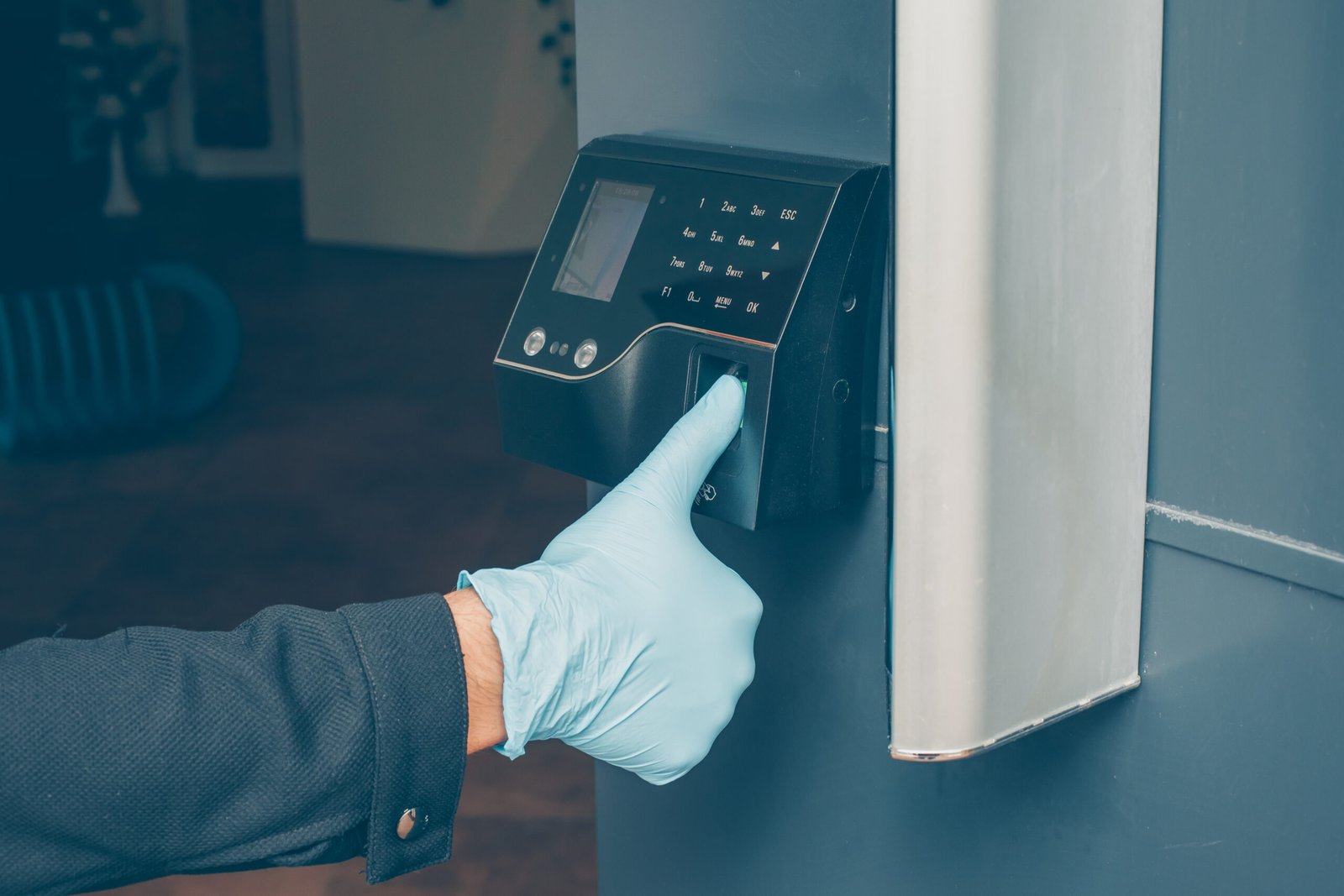
Security has come a long way from a simple lock and key. For businesses across Essex, the shift towards electronic access control is no longer a luxury reserved for large corporations. It is quickly becoming the standard.
Whether you run a warehouse in Basildon, a medical practice in Chelmsford, or a retail unit in Colchester, controlling who enters your building is one of the most practical steps you can take to protect your staff, your assets, and your data.
What Is an Access Control System?
At its most basic level, an access control system is a way of managing entry to a building or specific areas within it. Instead of relying on physical keys, these systems use credentials such as key fobs, PIN codes, smart cards, or biometric data to grant or deny entry.
When someone tries to enter a restricted area, the system checks their credentials against a stored database. If they match, the door opens. If not, it stays locked. Every attempt is logged, which creates a clear record of who was where and when.
This audit trail is one of the most valuable features for businesses. If an incident occurs, managers can quickly review access logs rather than relying on memory or CCTV footage alone.
Why Essex Businesses Are Adopting This Technology
Essex has a diverse commercial landscape, with a strong mix of industrial estates, business parks, retail centres, and professional services. Security needs vary, but the core challenge is the same: restrict access without creating friction for staff who have a legitimate reason to be there.
Traditional key systems struggle with this. Keys get lost, copied, or handed to the wrong people. When a member of staff leaves, there is often no reliable way to know how many copies of a key exist.
With access control systems Essex businesses can revoke access instantly. Permissions can be updated in seconds, and different staff can be granted entry to different areas based on their role.
Types of Access Control in Use Today
The technology has developed significantly. Modern systems range from straightforward keypad entry for small offices to sophisticated multi-site platforms that allow centralised management across several locations.
Some of the most common options include:
Key fob and card readers are widely used in offices and warehouses. They are easy to manage and relatively low cost to install.
PIN-based entry is common where a card is not practical, or as a second layer of security alongside a card reader.
Biometric systems use fingerprint or facial recognition and are typically found in higher-security environments such as data centres or laboratories.
Mobile access uses smartphone apps instead of physical cards. This reduces the cost of replacing lost credentials and allows remote management.
Integration With Other Security Systems
One of the biggest advantages of modern access control is how well it works alongside other security technology. Many businesses now combine door entry with CCTV, intruder alarms, and fire alarm systems to create a joined-up approach to site security.
Access logs can be reviewed alongside CCTV footage to verify who was in a specific area at a given time. In the event of a fire, systems can be configured to automatically release door locks to allow a safe evacuation.
For businesses in the region looking at access control systems Essex providers can advise on how entry control fits into a broader security setup, helping to avoid the cost of buying systems that do not work together.
What to Consider Before Installing
Before committing to a system, it is worth thinking through a few practical questions. How many entry points need to be controlled? How many staff will need credentials? Do different teams need different levels of access?
It is also worth considering whether the system needs to scale. A business with five staff today might have twenty in three years. Choosing a platform that can grow with the organisation avoids having to start from scratch later on.
Finally, think about ongoing management. Someone needs to be responsible for adding new users, revoking access when staff leave, and reviewing the system regularly. The best technology only works well if it is actively maintained.
Access control is one of the most practical security investments available to businesses in Essex today. As the technology becomes more affordable and easier to manage, the case for making the switch continues to grow.

