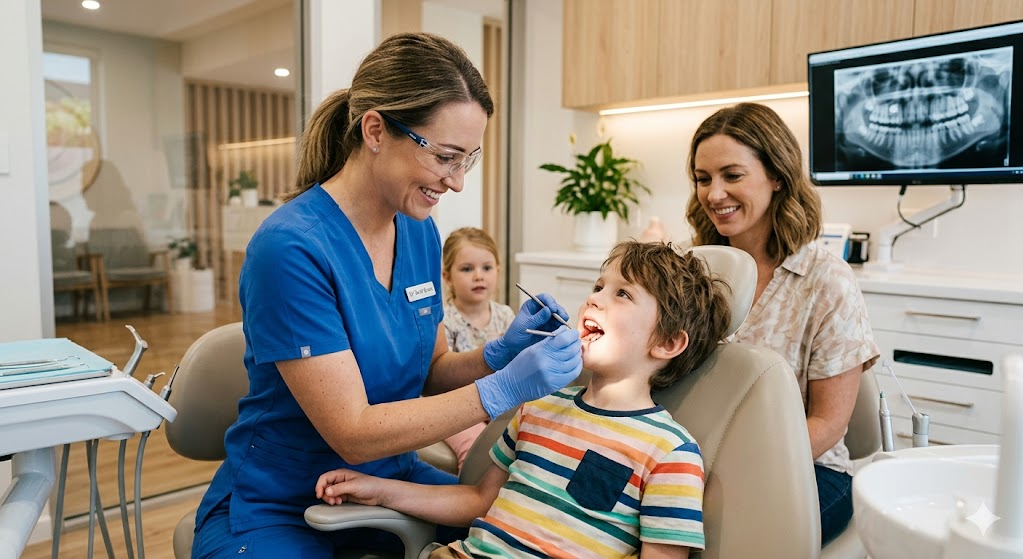
You might be caught in a quiet tug of war. On one side, you want to feel good about how you look in photos, at work, or even on a simple video call. Visiting an experienced dentist in Carlisle PA can help you explore options that feel both safe and aligned with your goals. On the other side, you worry about safety, long-term health, and whether you are being “too vain” for even thinking about cosmetic treatment.end
That tension is very common. It can show up as hesitation in front of the mirror, or a tight feeling in your chest when someone pulls out a camera. You may have chipped teeth from years ago, vision that is “almost fine” but not quite, or skin that has seen too much sun. You function, yet you do not feel fully comfortable.
You do not have to choose between looking better and staying healthy. Many modern cosmetic services are designed to improve how you look and how you function at the same time. This is the heart of 4 cosmetic services that blend function with aesthetics. They are not about chasing perfection. They are about helping you see, speak, chew, and move with more ease, while also feeling more at peace with your appearance.
In simple terms, you are going to see how certain dental treatments, vision correction, skin care choices, and everyday products can pull double duty. You will also see where the risks are, so you can move forward with a clear head instead of fear or guilt.
When your smile bothers you, is it just cosmetic or something more?
Maybe it started with a single tooth. A chip from a childhood fall. A yellowed edge that never quite matched the others. Over time, you began to smile with your lips closed. You may tell yourself it is “only cosmetic,” yet you also notice that you avoid biting into apples or cold drinks because your teeth feel sensitive.
This is where a general and cosmetic dentist can change more than the way your smile looks. Many treatments live in that overlap between health and appearance.
Consider these common examples.
A dental crown can restore a cracked or heavily filled tooth. Functionally, it protects the tooth from breaking and can prevent pain or infection. Aesthetically, it can be matched to your natural tooth color so your smile looks even. It is both repair and refinement.
Orthodontic treatment, like clear aligners, can straighten crowded teeth. On the surface, it is about looks. Underneath, straighter teeth are easier to clean, which can lower your risk of gum disease and cavities. Correcting a bite can also reduce jaw strain and headaches. Again, function and appearance move together.
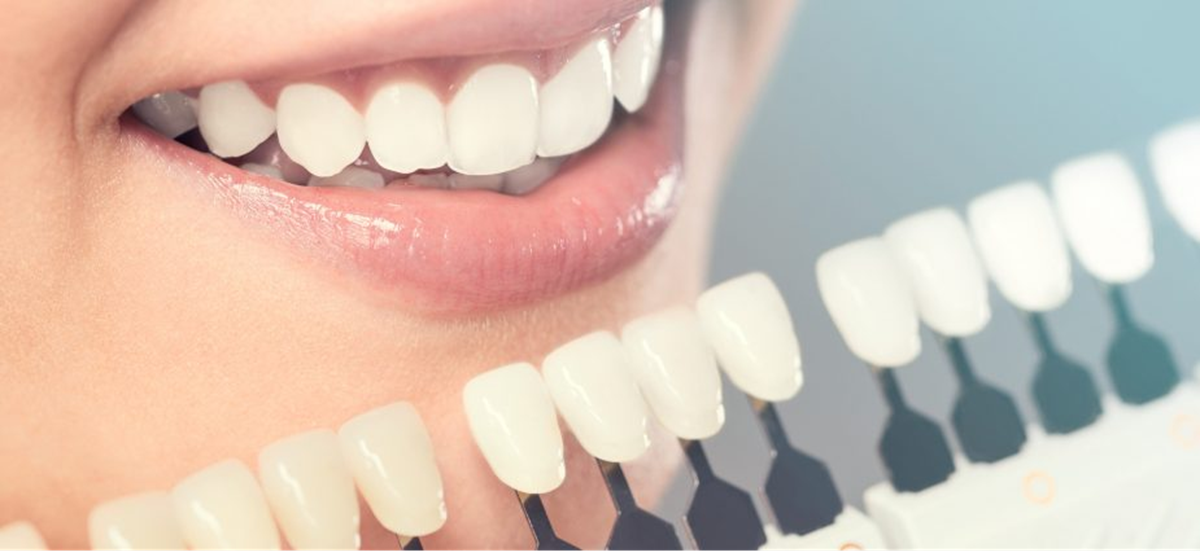
Even something as simple as whitening or bonding can bridge that gap. If discoloration or small gaps cause you to hide your smile, then a modest cosmetic change can shift the way you speak up in meetings, interview for jobs, or connect with others. Your teeth still do their basic job, yet now they also support your confidence.
So, where does that leave you if money is tight or you feel selfish for considering cosmetic dentistry? It helps to remember that your mouth is central to how you eat, speak, and express emotion. Treatments that keep teeth strong and gums healthy, while also improving appearance, are not “just for looks.” They are part of your overall well-being.
Can cosmetic vision correction actually protect your daily function?
You may have worn glasses or contacts for years and feel mostly fine. Yet there can be small daily frustrations. Fogged lenses. Dry eyes from contacts. The slight blur at night that makes driving stressful. You might have heard about LASIK and wondered if it is only for people who care too much about convenience.
In reality, certain eye surgeries are designed to improve both clarity and quality of life. LASIK eye surgery reshapes the cornea so light focuses more accurately on the retina. Aesthetically, you may like the idea of not wearing glasses. Functionally, sharper vision can reduce eye strain, headaches, and anxiety about driving or working on screens.
Of course, it is not a casual decision. There are risks like dry eye, glare, or undercorrection. Not everyone is a candidate. That is why a thorough evaluation with an eye specialist matters. The key question is not “Do I want to look better without glasses?” It is “Will this procedure safely support how I see, work, and move every day?”
Are your beauty choices quietly affecting your health?
You may already use makeup, skin care, hair products, and nail treatments without thinking too much about them. These are classic cosmetic items. They help you feel polished or put together. Yet they also sit on your skin, near your eyes, and around your mouth, so they can affect comfort and health.
Many people do not realize how much regulation and safety testing go into these products, and where gaps still exist. If you are curious about ingredients, allergies, or how certain products are overseen, you can explore trusted resources such as this MedlinePlus guide on cosmetics. It explains how cosmetics are defined, how to read labels, and when to be cautious.
Functionally, good skin care can protect your skin barrier, reduce irritation, and limit infections or rashes. Aesthetically, it can even tone, smooth texture, and support a more even complexion. Hair products can reduce breakage and scalp issues while also improving style. Nail care can prevent painful splits or infections while still giving a clean, neat look.
The challenge is sorting through marketing claims, online trends, and conflicting advice. That is where a simple rule can help. If a cosmetic product also touches your health, such as near your eyes, on broken skin, or used daily for years, treat it with the same respect you would give a medication. Read, ask questions, and start slowly.
When “looking tan” collides with long-term skin health
There is a specific area where the line between cosmetic and harmful is easy to cross. Tanning for appearance. You may feel more confident with the color in your skin. Many people do. Yet the way you get that color matters a great deal for your future health and comfort.
Indoor tanning devices and unprotected sun exposure can damage your skin’s DNA. That can increase the risk of skin cancer and speed up wrinkles and age spots. If you want more details about these risks, you can review this FDA information on the risks of tanning.
This is a clear example of a cosmetic practice that undermines function. Yes, tanning may give short-term aesthetic satisfaction. However, it can weaken the skin’s natural defenses and raise your risk of serious disease. In contrast, using sunscreen, protective clothing, and possibly sunless tanning products can support both appearance and health.
How do the benefits and risks of these cosmetic services compare?
When you are weighing options, it can help to see them side by side. The goal is not to scare you, but to give enough clarity so you can decide what fits your life, budget, and comfort level.
| Service or Choice | Functional Benefits | Aesthetic Benefits | Key Risks or Limits |
|---|---|---|---|
| Cosmetic dental treatments (crowns, bonding, whitening, orthodontics) | Protect teeth, improve bite, make cleaning easier, reduce pain or sensitivity | Whiter, straighter, more even smile, greater confidence in social settings | Cost, possible sensitivity, time for treatment, need for upkeep, and good hygiene |
| Vision correction surgery such as LASIK | Sharper vision, less dependence on glasses or contacts, easier daily activities | No frames or lenses on face, clearer appearance of eyes | Dry eye, glare, rare complications, not suitable for every prescription or eye |
| Thoughtful use of cosmetics and skin care | Protects skin barrier, reduces irritation or infection, supports comfort | Smoother, more even skin and hair, polished appearance | Possible allergies, irritation, cost, need to choose safe and suitable products |
| Tanning from sun or tanning beds | Short-term mood boost from sun, vitamin D from moderate natural sun | Temporary darker skin tone some people prefer | Higher skin cancer risk, faster skin aging, eye damage, burns |
What can you do right now to move toward healthy, confident choices?
You do not have to change everything at once. Small, clear steps can reduce stress and help you feel more in control.
1. Clarify what truly bothers you and what actually works well
Take a quiet moment and write down two short lists. On one side, note what about your teeth, skin, or vision causes real daily discomfort or holds you back emotionally. On the other side, note what is working fine and does not need attention right now. This simple exercise separates real needs from passing worries and can guide which cosmetic and functional treatments are worth exploring.
2. Talk to qualified professionals, not just social media
If your main concern is your smile, schedule a visit with a trusted general and cosmetic dentist. If it is your eyes, see an eye doctor. If it is your skin, consider a dermatologist. Bring your questions about safety, cost, and long-term results. Ask directly how a suggested treatment will affect both function and appearance. A good clinician will walk you through options, including doing nothing for now.
3. Set gentle boundaries with risky habits and products
Look at your current routine. If you use tanning beds, frequent unprotected sun exposure, or harsh products that keep irritating your skin, choose one to change first. You might switch to sunscreen and a sunless tanner, or replace a stinging product with a gentler one. Over time, you can shape a routine that supports your health and your appearance instead of forcing you to trade one for the other.
Moving forward with cosmetic care that respects your whole self
You do not have to apologize for wanting to look good. You also do not have to sacrifice your long-term health for short-term changes. When you focus on cosmetic services that balance function and aesthetics, you give yourself permission to seek treatments that help you chew, see, move, and smile more comfortably, while also feeling more like the person you know yourself to be.
You are allowed to ask questions. You are allowed to take your time. Most of all, you are allowed to choose options that support both your body and your confidence, instead of forcing you to choose between them.