Home Energy Efficiency is one of the smartest investments homeowners can make to reduce utility bills, improve indoor comfort, and create a more sustainable home.By making some smart upgrades and adjustments, homeowners can make their homes much more energy-efficient and save a lot of money without any loss of convenience. This article looks at some of the practical methods for reducing household energy consumption, including insulation, sealing air leaks, lighting, appliances and heating and cooling.
Energy efficiency isn’t only about saving money—it’s about having a healthier and more sustainable lifestyle. Households also help to lower their energy waste, thereby decreasing the amount of GHGs generated directly, which affects climate change. Meanwhile, efficient homes are more resilient and stay at a more consistent temperature in extreme weather conditions. The monetary, comfort and environmental benefits of an energy-efficient home make it a top priority for any homeowner.
Why Energy Efficiency Matters
Energy efficiency isn’t just a phrase, it’s a way of life that can help the individual and society. As households use less energy, they save on their energy bills, strain on the power grid, and reduce greenhouse gas emissions. This has a ripple effect that leads to cleaner air, healthier communities and a more sustainable planet. Homeowners benefit from monetary savings now, environmental stewardship in the long term.
Resilience is another of the reasons why it is important for energy efficiency. Building homes that can be better insulated and designed to use energy efficiently will help them withstand extremes of weather. With efficient homes, for instance, during a heat wave or cold snap, there is a balance between maintaining the indoor temperature and not straining heating or cooling systems. This makes homes more comfortable and helps keep households safe and functional during energy outages or crises.
Improving Insulation
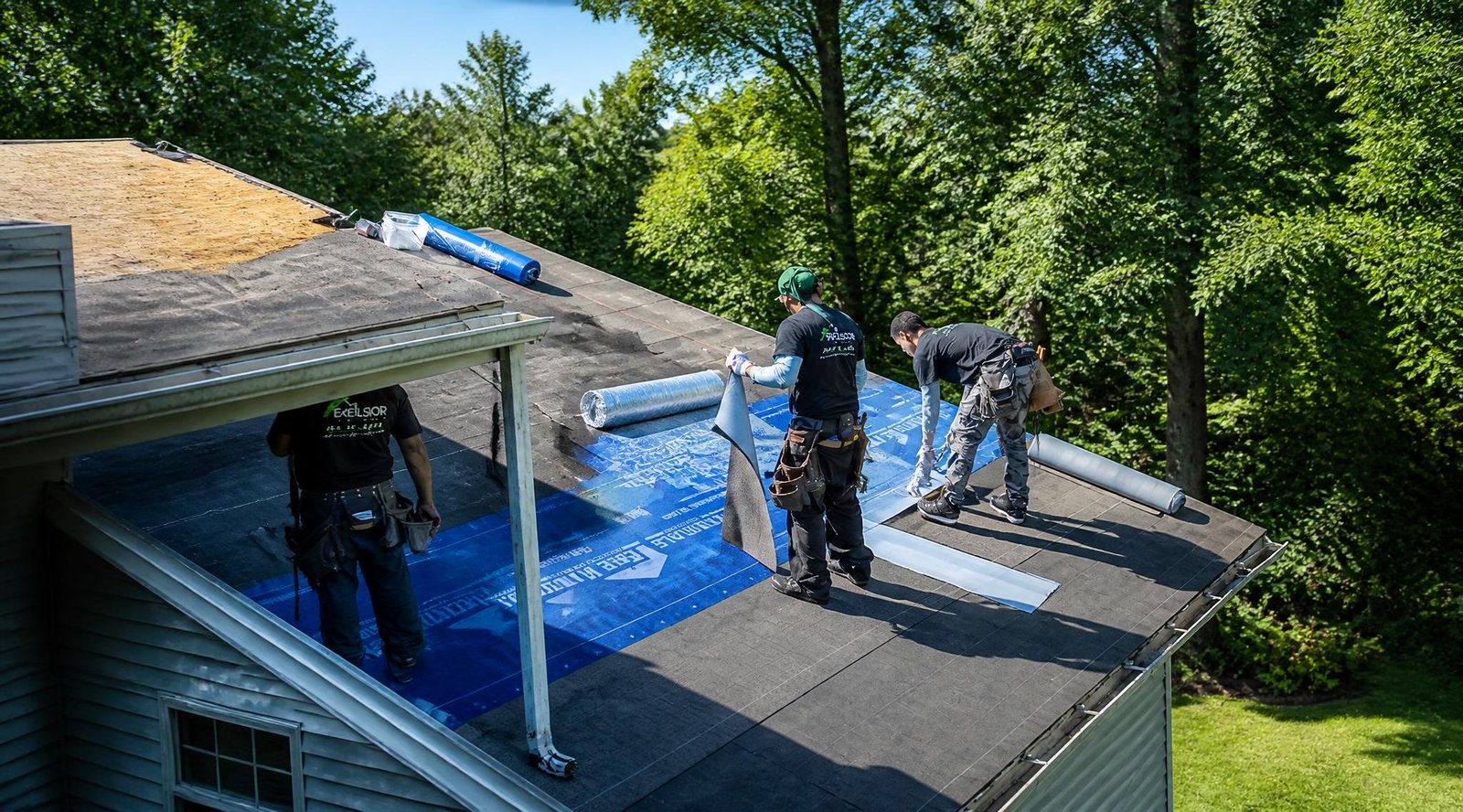
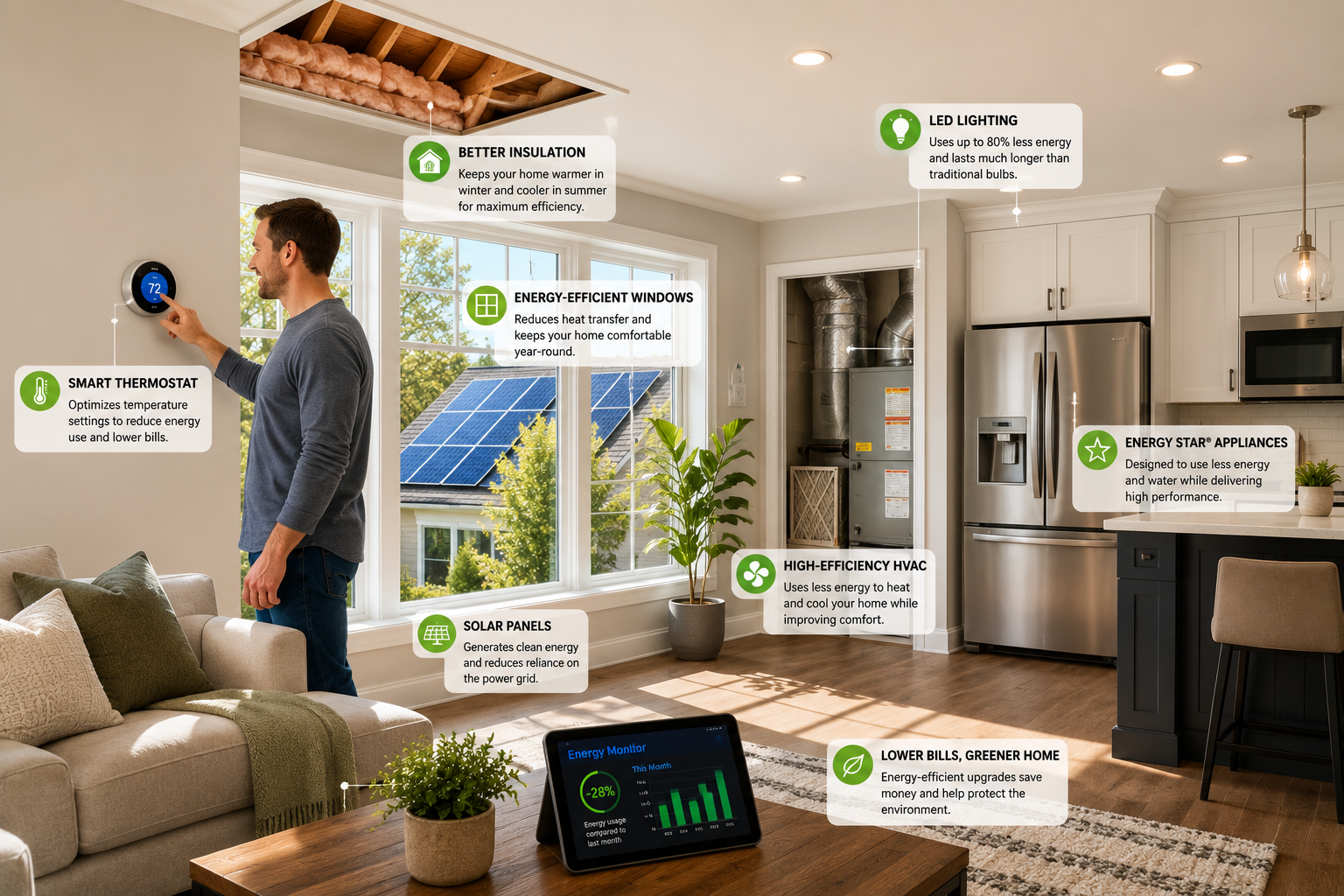
Insulation is the building block of an energy-efficient house. It is used as a barrier to retard heat transfer between inside and outside, to keep your dwelling space warmer during winter and cooler during summer. The various insulating materials used are fiberglass, cellulose and spray foam, and each material has its own advantages that you will have to choose from depending on your budget and home design. Attic, wall and floor insulation are among the most cost-effective improvements, and can save up to 20% on heating and cooling bills.
Insulation not only saves money, it also makes a room more comfortable by eliminating drafts and cold spots. An insulated house will keep its temperature consistent throughout the home and won’t require frequent changes to the thermostat. It also enhances indoor air quality by reducing dust, pollen and pollution from entering the house. If homeowners are thinking about home improvement, insulating the home is a priority and can benefit the homeowner both now and in the future.
Sealing Air Leaks

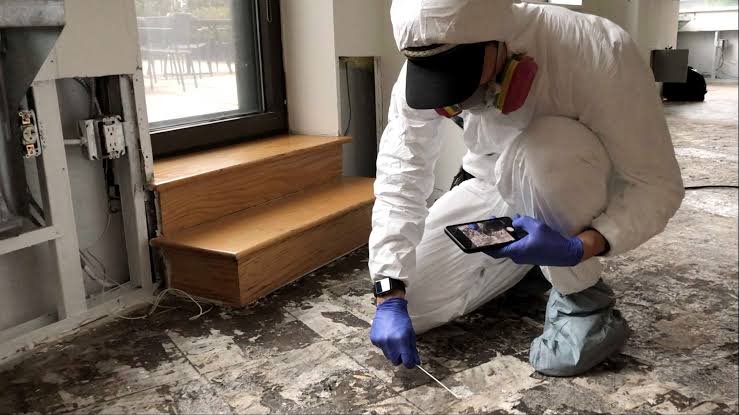
The best insulation in the world will not be very effective if air leakage is not controlled. Conditioned air can be lost around windows, doors and ductwork which causes heating and cooling systems to work harder. Caulking, weather-stripping and foam sealing these leaks is an easy and effective energy efficiency step. Unexpected leaks, such as in a basement or crawl space, are often discovered in a professional energy audit but not by homeowners.
Sealing air leaks isn’t all about energy savings. Eliminating drafts provides homeowners with increased comfort and less exterior noise. Sealed houses also have reduced moisture issues, and that’s important to avoid the growth of mold and structural damage. This relatively small investment pays off rapidly, and can save energy costs as much as 10–15%, and prolong the life of HVAC systems.
Switching to LED Lighting
Lighting consumes a large percentage of electrical power in homes, and one of the simplest changes to make is to replace traditional light bulbs with LED. LEDs use up to 80% less energy than incandescent bulbs, and can last up to 25 times as long. This equates to less replacement, less maintenance and less waste. Modern LEDs are also available in various colors and intensities, suitable to use in all areas of the home.
In addition to efficiency, LED lighting enhances the quality of life. There are many LEDs with which you can combine smart home systems, which you can use to manage brightness and schedules remotely. This not only helps to conserve energy but also helps to make it more convenient and secure. For instance, lights can be set to automatically switch off when they aren’t being utilized, or set to mimic the presence of someone when you’re away from home.
Upgrading Appliances
Refrigerators, washers and dishwashers consume a lot of energy in households. Energy savings of up to 10–50% can be achieved when upgrading to ENERGY STAR models. Although the initial price is greater, the energy savings you receive over the lifespan of the appliance make it a great investment. New appliances feature cutting-edge technologies such as water conservation modes and intelligent sensors, also providing the best possible performance.
One of the benefits of replacement appliances is reliability. If the machine is older it might need repair often and use more energy as a result of wear and tear. Newer models are engineered for efficiency to lower operating expenses and impact on the environment. In addition to reducing costs, homeowners can also be part of a more sustainable lifestyle by replacing older appliances.
Optimizing Heating and Cooling Systems

Usually, the heating and cooling costs are the most expensive part of the home’s energy bill. These systems can save significant amounts of money by optimizing. System maintenance, including equipment and filter cleaning, keeps systems efficient. Programmable thermostats can be programmed to cut energy use when rooms are not in use. If, for instance, the thermostat is set down at night or when no one is at work, then energy usage in the building could be greatly reduced.
Installing HVAC systems and/or heat pumps with high efficiency is even better. They are systems which provide the same comfort at lower energy usage thanks to the advanced technology. Zoning systems provide the added efficiency of heating or cooling separate zones of the home. Utilization of maintenance, smart controls and the latest equipment can save homeowners up to 30% on heating and cooling expenses.
Conclusion
It doesn’t take a lot of time to take steps to make your home more energy efficient, and it’s not a lot of money to invest in great technology. By improving insulation, sealing air leaks, replacing old lights with LEDs, upgrading appliances, and streamlining heating and cooling systems, even small changes can lead to almost instant savings and a more comfortable home in the long run. The upgrades not only help homeowners save on their energy bills, but they also help to limit environmental damage, creating a more sustainable future.
The concept of energy efficiency is all about balancing: affordable systems, comfortable environments, and minimum waste. These strategies can help homeowners create a healthier, more resilient home environment, and do their part for the planet. The journey toward sustainability starts with little steps, and each step is a closer move toward a future of homes that are not only low in cost, but low in environmental impact as well.