Prevent Mold and Dampness by understanding what causes moisture inside your home and taking simple steps to stop mold before it starts. Spending more time at home makes a healthy indoor environment essential. The first step to prevention is to understand the contributing factors for moisture and poor ventilation. This article will discuss why moisture is a problem in the home, why it condenses and grows mould, and how to prevent moist and mouldy bathrooms, kitchens, basements and bedrooms.
When it comes to mold prevention, it is not just the looks that are important; it’s also about ensuring the safety of your family. Providing damp conditions will allow mold spores to grow rapidly and may cause allergies, asthma and other respiratory problems. The more you know about how moisture can work its way into your home and how you can manage it, the better off you’ll be for a more safe and lasting home. This guide explains the science of dampness, why it can be harmful to your health and how to ensure each room in your home remains dry and healthy.
Understanding the Causes of Indoor Moisture
It is essential to grasp how indoor moisture is generated. It is important to know the sources of indoor moisture conditions.
There are a number of sources for moisture in homes, including house-related activities such as cooking, bathing and even breathing. If not properly ventilated, water vapor will condense on cooler surfaces like windows, walls and ceiling. Over time this extra moisture allows mold to grow. Other internal problems like leaky roofs, splitting foundations or plumbing problems can also cause dampness. Usually, the problems aren’t noticed until there is some visible mold growth or odours are noticed, indicating that the moisture has gone deeper into the building materials.
Another major contributor is humidity levels. Homes in humid areas are more susceptible to dampness because of the naturally high humidity in those areas. In the absence of dehumidifiers or air conditioners, moisture remains in the air, which condenses on the fabrics, carpets and wooden structures. Seasonal changes are also a factor: In the colder months, the warm indoor air meets cold surfaces, causing condensation. Identifying these triggers can enable homeowners to take steps to mitigate moisture accumulation before it becomes a problem with mold growth.
The Science behind Condensation & Mold Growth
The process of condensation happens when warm moist air comes in contact with a cold surface causing the water droplets to condense. This is the most often observed on bathroom mirrors, kitchen windows and basement walls. Although condensation can be harmless, if it occurs frequently over time it can cause harm to paint, wallpaper and plaster. More significantly, it provides the optimal environment for the growth of mold spores that are a natural part of the environment. As soon as spores are able to land on a damp surface they multiply quickly making a mess on walls, furniture, and ceilings.
Mold is more than an unsightly eye sore as it can have significant health consequences. Mold can cause allergic reactions, asthma attacks and respiratory infections. Children, elderly and those with compromised immune systems are at special risk. Chronic exposure has been associated with chronic sinusitis and dermatitis. Once homeowners know how condensation can contribute to mold growth, they can take steps to reduce their home’s moisture to help prevent mold and stay protected from its harmful effects on their families.
Health Risks of Exposure to Mold
The effects of mold exposure vary from person to person, depending on the individual’s sensitivity. For others, it may lead to mild symptoms like watery eyes, sneezing and coughing. Mold can cause more serious respiratory problems for others, particularly for the people who have asthma or allergies. Inhalation for a long duration has been linked with chronic bronchitis and other lung diseases. Very severe cases of toxic moulds, such as Stachybotrys chartarum (black mould), can result in neurological impairment, and lower immune system.
The health effects of mold are not limited to physical issues—they also affect mental health. The stress and anxiety caused by living in a damp and moldy environment, tends to be chronic and persistent, especially when there is a lack of control over the problem. The cost of the damages and expenses for medical care comes as an added burden. This will help not only to keep your home cleaner but it will help ensure that the overall health and quality of life is protected.
How to Keep Bathrooms Dry
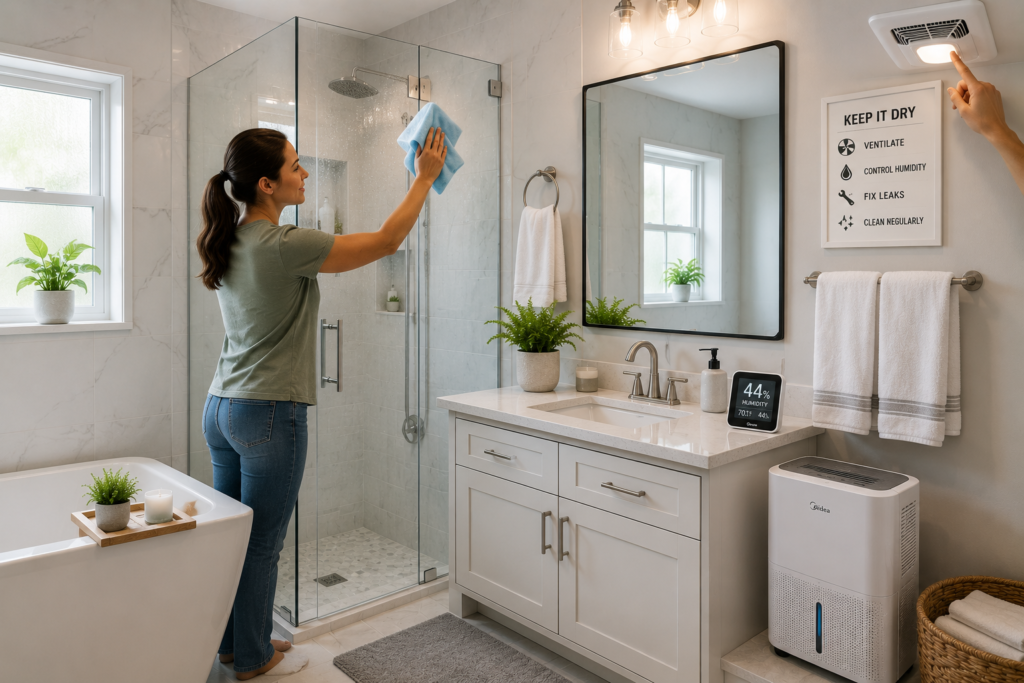
Bathrooms are always damp and wet because of the exposure to water and steam. If the rooms are not ventilated, the moisture will build up and result in mold on the tiles, grout and ceiling. The installation of an exhaust fan is one of the best solutions. It is recommended that fans be operated throughout and after showers to remove humid air from the building. Mold resistant cleaning products also help to keep spores from settling in the damp corners when cleaned regularly.
Closing grout lines and tub and sink drains is another preventative. These areas are susceptible to seepage and can seep through walls & flooring. Walls of the bathroom can be painted in a waterproof layer. Homeowners should also refrain from putting wet towels or bath mats on the floor, as this will allow moisture to accumulate and lead to mold. Ventilation, cleaning and waterproofing are all integrated in bathroom strategies to keep them fresh and mold free.
Water in the Kitchen
Cooking, boiling and dishwashing, especially in the kitchen, creates a lot of moisture. The steam from pots and pans can often leave windows and walls damp. A range hood or extractor fan over the stove will prevent the steam from spreading around. It is also crucial that these systems expel air from the house and don’t recirculate it. Wipe down surfaces after cooking to avoid condensation from remaining and making its way into cabinets.
Another cause of dampness in the kitchen is leakage from sinks, dishwashers, or refrigerators. Frequent checkups on plumbing connections and quickly fixing leaks will prevent water from accumulating under appliances. Properly enclose food and kitchen utensils in covered containers also helps to keep humidity to a minimum. Consider using a portable dehumidifier in the kitchen of your humid climate home to help reduce humidity. These are some easy practices to make the kitchen mold resistant, hygienic and dry.
How to Resolve Basement Dampness
Because they are below ground level, basements are especially susceptible to dampness. During heavy rain, water tends to seep in through the foundation walls or floors, particularly through the walls. A sump pump and waterproofing basement walls can alleviate this problem. Sealants can be applied to cracks and vapor barriers can be laid on floors, which decreases moisture intrusion even more. Good drainage around the house also helps to ensure that no water is allowed to collect near the foundation.
Ventilation is also a key factor in basements. Homeowners should ventilate their homes or use dehumidifiers to help keep the air moving to prevent mold, since stale air is conducive to mold growth. Plastic bins are better to store items in than cardboard boxes to keep belongings from getting ruined by mold. Checking for leaks and cracks regularly means that the issues are overcome before they get worse. Basements can stay dry and usable if they are maintained properly and are not produced or become breeding grounds for mold.
How to Prevent Moisture from Bedrooms
While bedrooms might not seem like a likely place for mold, dampness and high humidity in the bedroom can make it a breeding ground for mold. Lots of moisture can be trapped from breathing and perspiration, especially during nighttime hours when windows are closed. Fresh air is circulated by opening windows during the day or air purifiers. Heavy drapes which retain moisture and increase the moisture content, also improve the flow of air. Double-glazing windows help keep condensation to a minimum by keeping surfaces warmer in cold weather.
A second preventive measure is controlling the humidity, using dehumidifiers. Relative humidity of 30-50% will prevent mold to grow. Frequent washing of bedding and vacuuming of carpets will help to eliminate dust and spores that feed mold. You should also inspect water damage around windows or ceilings inside the home, since it can start to cause trouble in no time. Bedrooms are comfortable and safe for sleeping in with ventilation and cleanliness focused.
Practical Long-Term Solutions
Taking proactive measures to prevent mold and dampness will take some short-term measures and long-term investments. Properly installing ventilation systems, promptly fixing up leaks and using moisture-resistant materials are key steps. Every homeowner should also use hygrometers to track humidity levels, making adjustments as necessary. Roofs, plumbing and foundations are inspected on a regular basis so any hidden water sources can be identified in the early stages.
Education is also very important. Knowing the reasons for indoor moisture gives homeowners a chance to take proactive action instead of remediating mold growth. With a proactive attitude, families can ensure that their living spaces remain healthier and averting expensive repairs. The end aim is to achieve homes that are durable and yet conducive to long-term health.
Conclusion

Mold and dampness is an ongoing problem but it’s not a problem that can’t be solved. This awareness of sources of moisture, combined with knowledge of how condensation contributes to mold growth and some simple strategies for each room in the house, can help homeowners stay healthy and property safe. Each bathroom, kitchen, basement, or bedroom has specific strategies; but the basic rule is always to keep moisture under control, ventilate and respond quickly to issues. A dry house is a healthy house and by always being careful, you can keep mold out for good.
Ultimately, it is better to prevent than to remediate. Solving wetness problems early is cost-effective, helps to maintain your home’s structure, and makes for a healthier family home. While mold can be a household problem, it doesn’t have to become an enduring one if you know what to do and how to take proactive steps to care. The tips in this article can help you have a cleaner, safer, and longer-lasting home for years to come.