People typically think of healthy eating as short-term or quick fixes and/or limiting to a diet plan. But lasting health and healing is seldom achieved through short-term fixes. Rather, it emerges from a sustained commitment to and a habit of choices that become a way of life. What we eat day after day affects how we feel, our energy and how we function. Although nutrition trends change over time, the basic principles of good nutrition are pretty straightforward: eat a variety of nutritious foods, eat in balance and establish nutritional habits that can be carried out over time. Instead of striving for perfection, people do best when using methods that are merely efficient and are available to them in their daily lives and can be used for lifelong healthy living.
Setting up a healthy diet is one of the best ways to help with sustainable dietary practice in general and is an action that can be sustained over a period of years – not weeks. The focus of sustainable eating is on ‘balance’ and ‘flexibility’, rather than on restriction. They encourage people to make informed decisions which promote their overall well-being and leave space for personal preferences, cultural practices and daily situations. Knowledge and implementation of healthy eating patterns that are practical and attainable can provide a solid nutritional base for long-term health and improved quality of life.

Healthy eating habits shown with well-rounded meals, fruits, and water.
The importance of LT habits as opposed to quick fixes
People often start diet plans with a great deal of enthusiasm but may find it hard to keep up extreme changes in the long run. Temporary results are usually achieved with a strict diet due to the rules that are set that can be hard to follow. Healthy eating, on the other hand, is about making small, incremental changes that fit into your normal lifestyle. Repetitive actions, not short spurts of maximum effort, are necessary for long-term wellness. Once people get into the habit, healthy eating is easier and does not need to be thought about. This consistency provides a stable underpinning of wellbeing throughout various phases of life, without the pressure and stress often brought on by rigid diets.
- Make sure to eat a variety of foods.
Eating a variety of foods is one of the most crucial healthy eating tips. Various foods contain different nutrients and no food contains all the nutrients the body needs. Adding fruits, veggies, grains, legumes, dairy, nuts, and protein boosts nutritional value. Variety also combats “meal boredom” and makes eating healthy fun and will be maintained. Regularly switching foods and experimenting with new ingredients can help build up the nutrient diversity as well as aid in creating a more balanced food relationship. Dietary diversity contributes to overall dietary quality and contributes to healthier diets in the long-term.
- Eat F.V.D. (Fruits and Vegetables Daily)
Fruits and vegetables play an important role in a well-balanced diet because they contain natural plant compounds, fiber, and minerals and vitamins. They can be added to meals and snacks regularly to promote variety and wellbeing. All fresh, frozen, dried or minimally processed foods can provide a part of healthy eating. The aim is not to eat particular foods, but rather ensure that fruits and veggies are available all day. Incorporating small amounts of fruit into the breakfast meal or vegetables in to lunch or dinner can help to build up diet quality over time without making it too difficult to change lifestyle.
- Stay Properly Hydrated
Considering water intake is a key component of nutrition but frequently neglected in discussions about nutrition and wellbeing in daily life. Water plays a vital role in the general health by undergoing some normal functions in the body. Thirst is often mistaken for hunger, causing people to eat when they don’t need it or not eating enough. Establish a routine of drinking water regularly throughout the day that will help maintain healthy habits and will be helpful in balancing eating habits. These simple habits lead to more water consumption without requiring a high level of difficulty: Carry a water bottle, drink water at mealtimes, and drink water more often than sugary drinks.
- Eat at the same time daily
Regular meal schedules may help to establish structure in eating. Although some people may prefer to eat their meals at different times, having a consistent eating schedule can foster good meal planning and decrease the need for convenient food. Often, no meals will be eaten and later this may cause the person to eat unbalanced meals. A regular meal schedule can promote conscious food choice and promote consistent eating patterns. Some people eat three times a day, others eat more at the time of their day.
- Increase Whole Grain Intake and Consume Them More Frequently.
Whole grains are an important food group and can be an important part of a healthy meal. Oats, brown rice, whole wheat bread, barley and quinoa are nutritious foods that can be used to diversify eating habits. Regularly eating whole grain foods offers a more diverse food mix and increases overall nutrient intake than consuming only refined grain foods. Taking steps to include whole grains in breakfast, lunch, dinner and snack foods can help diets become more nutritious and help build healthier eating habits.
- Eat less ultra processed foods.
Foods that are highly processed tend to have extra ingredients added which can decrease the nutrition of the food if eaten in excess. Convenience foods can be a part of a balanced diet, but excessive intake of convenience foods can make it harder to eat more nutritious foods. There’s no need to eliminate highly processed foods entirely. Instead its about creating a balance and having a greater amount of whole and minimally processed foods in daily meals. This is a realistic, sustainable and less stringent way to approach your diet.
- Practice Mindful Eating
Mindful eating involves being aware of one’s food selection, eating speed, and hunger signals. With busy life in the modern times, the people often tend to eat while they are doing other activities and this kind of activity can also make them unaware of the eating habits. Pausing for enjoyment and noticing the taste of food and fullness cues can be helpful in making conscious choices for food. By practicing mindful eating, people can foster a more positive and healthy attitude toward food, moving away from rigid diets and toward experiencing satisfaction and quality. This habit helps to promote sustainable nutrition, as it can make eating more conscious and enjoyable.
- Take a variety of foods at meal times
A balanced meal generally consists of a variety of nutrients: carbohydrates, proteins, healthy fats, fruits and vegetables. Food groups provide different nutrients which help you to be well. Mixing foods together makes meals more satisfying and nutritionally balanced. Whole grains can be eaten with a protein source and vegetables to make a balanced meal for variety and nutritional diversity, for instance. Having multiple food groups from which to choose a meal helps to ensure consistency and diminishes the chance that meals will be missing a food group for an entire day.
- Take Action for Success
Planning meals is a real life solution to healthy eating. Preparing meals and snacks ahead of time helps to decrease the chances of using less healthy convenience meals during busy times. Don’t make the preparations complicated. Some simple strategies like making shopping lists, chopping ingredients ahead of time or planning menus for the week can help make healthy eating easier. Planning also enables individuals to use food more efficiently and makes more thoughtful food choices during the week.
- Eat Healthy Snacks as and when necessary
When eaten wisely, snacks can also be part of a healthy diet. Snacks can be a wonderful way for people to get variety and nutrients, not a waste of time. Some foods that can accompany meals are fruits, yogurt, nuts, seeds, and whole grain foods. Healthy snacks can help fill in the time between meals or be used to add more nutritious foods to the day. It is important to focus on a balance and moderation and not on eating between meals according to certain rules.
- Cut back on Added Sugars slowly
Taking baby steps may be easier to take than trying to eliminate added sugars entirely. Knowing what food and drink is made up of is a key first step, as many have added sugars. People can slowly switch from sugary drinks to water, opt for less sugary drinks and increase their intake of naturally nutritious foods. Making sustainable dietary changes is more likely to be successful if it is realistic and manageable. Many small cuts, if implemented consistently, will yield more lasting results than any radical cuts that are hard to sustain.
- Make more meals at home
Making meals at home provides more control over ingredients, food quantities and cooking techniques. There’s no need to be a professional chef or to have fancy recipes to prepare meals at home. Smaller meals can mean a healthier lifestyle, even with simple foods. Cooking at home fosters awareness of food choices and opportunities to add more and a broader range of nutritious foods. This habit can help build confidence when cooking meals and promote a balanced diet and overall health over time.
- Be consistent, not perfect.
One of the most important healthy eating tips is to remember that it’s not about perfection, it’s about consistency. No one is a perfect eater every day – and that’s not a requirement to ensure good nutrition. Eating healthy over the course of months and years contributes to long-term wellness. Frequent treats or not-so-healthy food items don’t cancel out healthy choices. Emphasizing ‘progress’ over ‘perfection’, each person can cultivate a positive and sustainable nutrition approach that promotes wellbeing without resulting in undue stress or guilt.
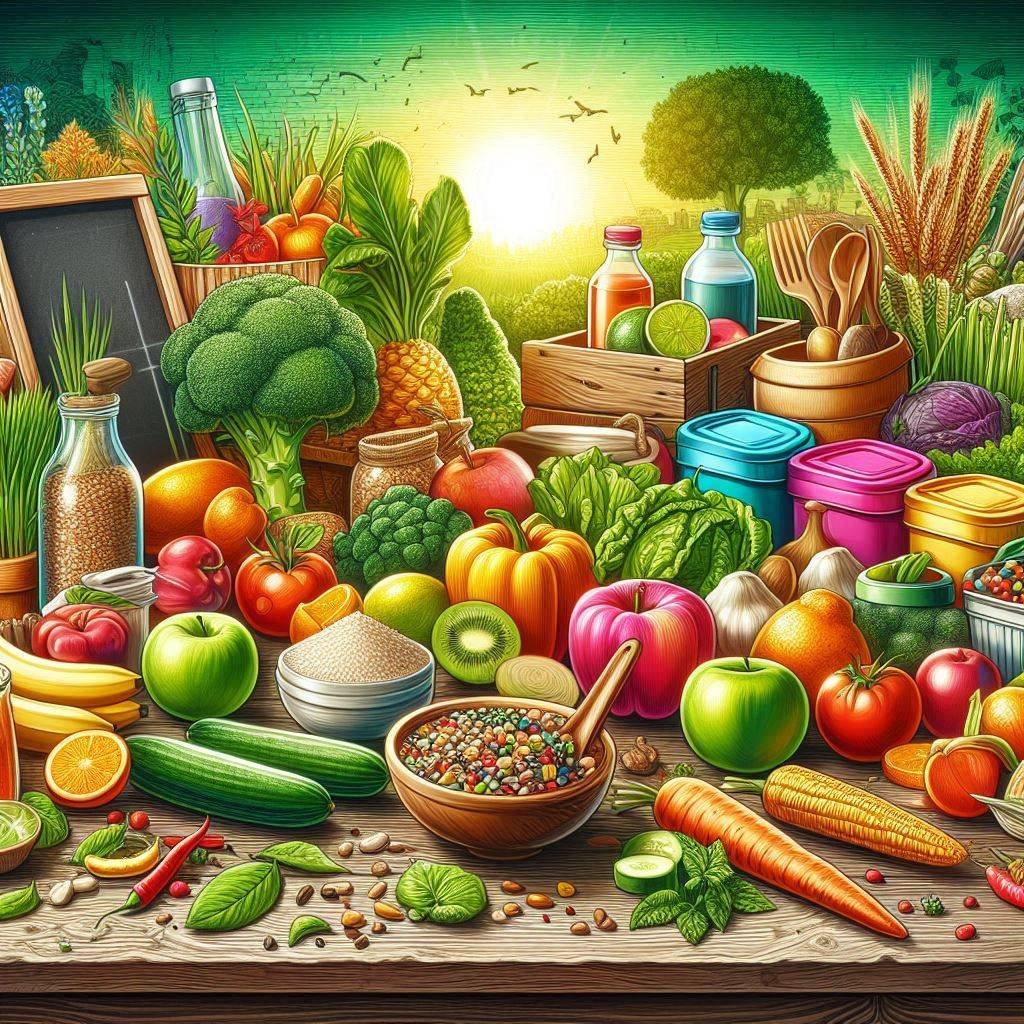
Sustainable eating habits for long-term health: nutrition and healthy food options.
Developing a lifestyle that will promote lifelong wellness
Healthy eating is more likely to be effective if it is a lifestyle than an activity. Nutrition is related to other factors such as hydrations, exercise, sleep, stress management and regular activities. Making sustainable eating habits easier to stick to is made easier when they are in line with realistic living and goals. People can work on developing habits to repeat over time rather than trying to achieve quick results. Establishing a healthy eating pattern, eating healthy snacks and meals, and making healthy choices early in life provides a solid base to help ensure lifelong good health.
Practical solutions to common challenges.
Sometimes it can be difficult to eat healthily because of lack of time, a low budget, social gatherings or changing habits. But often healthy choices are easier when there’s a practical solution. Overcoming these obstacles can be helpful by keeping nutritious foods around, planning the meals before cooking, using simple recipes, and being flexible. Eating healthy doesn’t have to be complicated and overwhelming. People can start to build up healthy habits that they can manage, and they can make progressive steps to long-term health goals while facing challenges along the way.
Conclusion
One of the best ways to promote a healthy lifestyle is to establish healthy eating habits. Instead of quick diets or any dieting programs, people can make their diet permanent and make it a sustainable lifestyle. These are good everyday habits that help for overall well being: Eating a diverse diet, drinking adequate fluids, eating regular meals, cutting back on highly processed foods and mindful eating.
As you can see, healthy eating doesn’t need to be extreme or complicated at all, as the 13 habits listed in this article prove. But, the long-term success will be achieved by the same decisions that will fit into our daily routines. Through a focus on balance, variety and sustainability, people can develop a healthy relationship with food while establishing a nutritional base for life-long healthy living and wellbeing.