Cutting, bending, welding pieces together, giving it a finish that looks correct and works as it should, this whole journey is what people actually mean when they say “stainless steel metal fabrication.” Raw stainless steel goes through all of this before turning into something we can actually use. From something as small as a wall bracket to a full commercial kitchen setup, this process sits quietly behind it. Not something that catches the eye at first look, this kind of work, but still, a large chunk of what gets manufactured today stands on this foundation.
Why stainless steel over ordinary steel, this question has one simple answer mostly: rust does not take hold of it the way it does with other metals. Because of this single quality, in places where hygiene, appearance, or strength over the years matters, this becomes the natural pick. Once this basic point sinks in, following the rest of the fabrication process becomes a lot simpler.
Cutting and Shaping: The Starting Point
A flat sheet or a bar stock length, this is where every fabrication job begins, and from there it gets cut down to whatever size the job demands. These days, laser cutting is used quite a lot, mainly because speed is on its side and the edge it leaves behind stays clean, without much material going to waste. Thickness of the metal and the nature of the job decides sometimes whether plasma cutting or waterjet cutting gets brought in instead.
After cutting comes to an end, shaping the pieces through bending or rolling usually follows. A press brake handles most of this, forming curves and angles going by whatever the drawings specify. Simple, this may sound on paper, yet even an error as small as a few millimetres at this stage can turn into a bigger headache once welding begins. This is exactly why the operators running these machines tend to stay extra careful, wanting to get it right the first time itself.
Welding: Where the Real Skill Shows
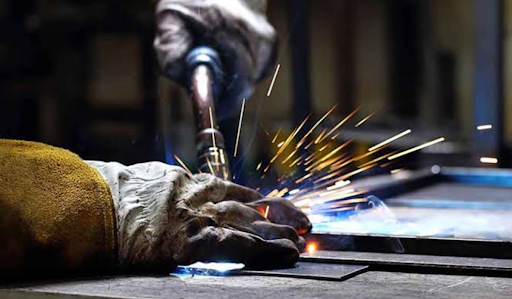
Welding, out of the whole process, this is the part demanding the most skill probably. TIG welding gets the preference mostly for stainless steel, since a tighter, cleaner joint comes out of it with much less mess than what other methods leave behind. MIG welding too finds its use, mostly on thicker sections or spots not much in view, where getting it done fast matters more than a flawless finish.
Trouble from heat, this happens more often than people expect. Too much of it applied, and discolouration sets into the steel, or worse, the thin layer protecting it from corrosion gets damaged. Experienced welders know how to keep this under control, managing their speed, the gas flow, and their technique so the joint ends up just as strong as the rest of the piece.
Getting the Surface Finish Right
Work does not end once welding is over, usually there is still more to be done. Grinding down the weld seams, polishing or brushing the surface depending on what is needed, and often, passing the metal through a passivation stage to clear away contaminants that might cause rust later, all this comes next. Mostly, where the piece ends up being used decides what finish is actually needed. A hospital or food preparation space calls for a surface that wipes clean without effort, while for industrial machinery, the finish takes a back seat to how tough it stays under rough handling.
Places Where This Kind of Work Shows Up
More places than most people would guess at first, this is where fabricated stainless steel turns up. Prep tables, storage tanks, conveyor parts, heavily used across the food and drink industry, mainly because bacteria struggle to settle on this surface compared to others. Railings, cladding, support structures in construction, this material goes into all of them, holding up well against weather that keeps changing. Anywhere near the coast, or wherever water exposure stays constant, depends on this too, given how quickly saltwater can eat away at an ordinary metal. Kitchen sinks, medical equipment, even these smaller items lean on the same fabrication process for lasting a long time.
Picking the Right Grade Is Important
All stainless steel is not the same type, and the wrong grade chosen can bring problems that might not even show themselves until much later. For most general purposes, Grade 304 does the job fine, striking a reasonable balance between cost and how it performs. A bit pricier, Grade 316, but against chloride exposure it performs noticeably better, which explains why marine settings or chemical environments often call for it. Getting the grade right before fabrication even starts saves a lot of trouble later down the road.
In the End, Skill and Experience Count the Most
Machinery, on its own, can only take care of part of the job, at the end of it all. Work that lasts versus work that eventually fails, the real difference between the two often comes down to the person handling the equipment, someone who has a feel for how the metal responds under heat, how far it can bend before cracking starts, and when exactly another finishing pass is actually called for. Reading instructions alone does not build this kind of understanding. Years of hands-on work do, learning along the way what genuinely holds up once the piece leaves the shop floor behind.