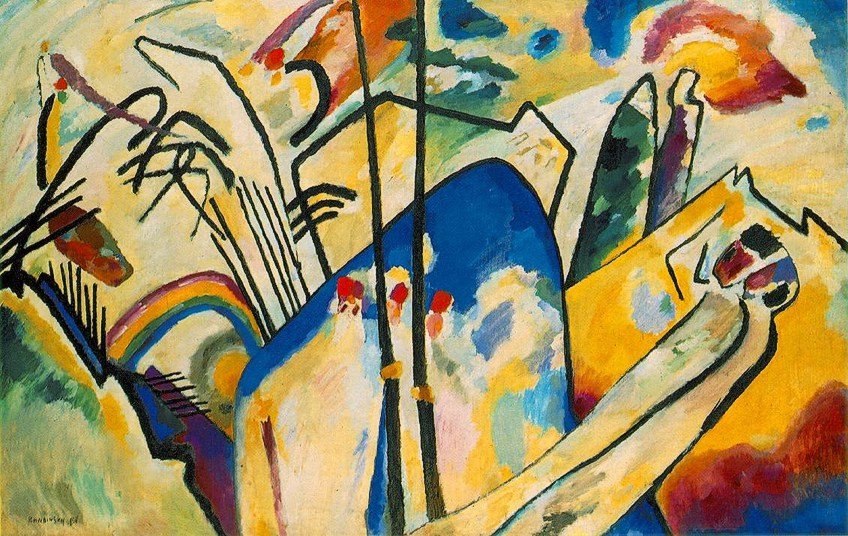
Art has always been a powerful way to represent reality, emotions, and human experiences. Understanding the figurative painting definition helps viewers and artists appreciate how art captures real-world subjects while allowing creative interpretation. Figurative painting focuses on recognizable forms, especially the human body, making it one of the most relatable and timeless art styles.
What Is Figurative Painting?
The figurative painting definition refers to artwork that clearly represents real-world subjects such as people, animals, and objects. Unlike abstract art, which may not depict identifiable forms, figurative painting maintains a connection to reality.
However, this does not mean it is limited to realism. Artists often blend accuracy with imagination, creating works that are both recognizable and expressive.
History of Figurative Painting
The roots of the figurative painting definition can be traced back to ancient civilizations. Early cave paintings, classical Greek art, and Renaissance masterpieces all focused on depicting the human form and real-life scenes.
During the Renaissance, artists refined techniques such as perspective, anatomy, and shading, bringing figurative painting to new levels of realism. In later periods, artists began experimenting with style, color, and form, expanding the possibilities of figurative art.
Key Characteristics of Figurative Painting
1. Representation of Real Subjects
A core aspect of the figurative painting definition is its focus on real-world subjects. These can include portraits, daily life scenes, or natural environments.
The goal is to create a visual connection that viewers can easily recognize and relate to.
2. Focus on the Human Form
The human body is one of the most important elements in figurative painting. Artists study anatomy, movement, and expression to accurately depict figures while also conveying emotion and storytelling.
This focus makes figurative painting deeply personal and emotionally engaging.
3. Balance Between Realism and Interpretation
Another important part of the figurative painting definition is the balance between realism and artistic interpretation. Artists may exaggerate certain features, simplify forms, or use bold colors to express ideas and emotions.
This combination allows figurative art to remain both realistic and creative.
Styles of Figurative Painting
Figurative painting has evolved into many different styles over time. Some artists prefer highly realistic approaches, while others use loose brushwork and expressive techniques.
Modern figurative artists often blend traditional methods with contemporary ideas, creating unique visual experiences that reflect today’s world.
Figurative Painting in Contemporary Art
Today, the figurative painting definition continues to play an important role in the art world. Contemporary artists use figurative techniques to explore identity, culture, and social issues.
Digital tools and new materials have also expanded how figurative art is created and displayed. Despite these innovations, the connection to real-world subjects remains central to this art form.
Why Figurative Painting Matters
Figurative painting is important because it connects directly with human experience. Viewers can see themselves, their emotions, and their surroundings reflected in the artwork.
This connection makes figurative painting more accessible compared to abstract styles, especially for those new to art appreciation.
Tips for Understanding Figurative Art
- Observe body language and facial expressions.
- Pay attention to how light and shadow are used.
- Notice the balance between realism and creativity.
- Consider the story or emotion behind the artwork.
These tips can help deepen your understanding of the figurative painting definition and enhance your appreciation of this art style.
Conclusion
The figurative painting definition highlights an art form that bridges reality and creativity. By representing real-world subjects, especially the human form, figurative painting creates a strong emotional and visual connection with viewers.
From classical masterpieces to modern interpretations, this style continues to evolve while maintaining its core purpose—capturing the essence of life through art.
For more insights into modern art trends and investment ideas, explore this detailed guide on bronze sculptures for modern art investment.