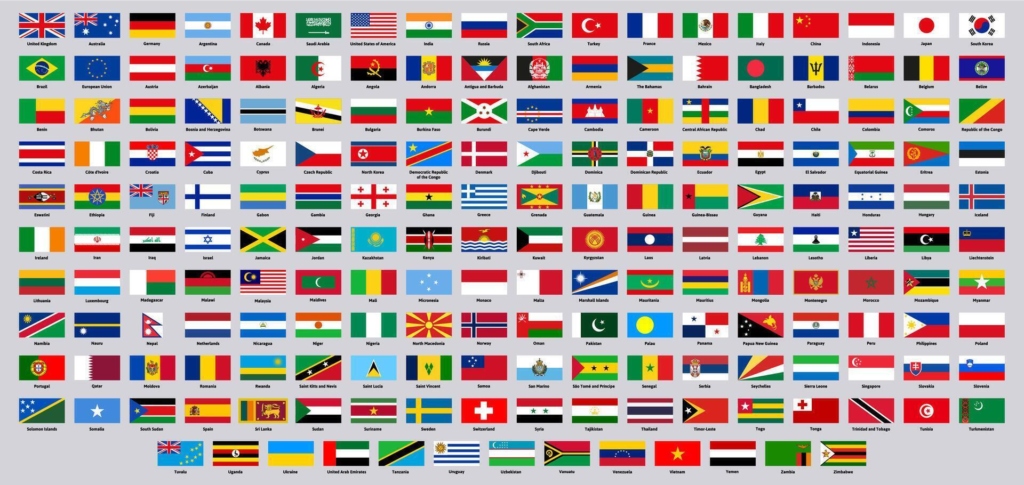
National identity is represented in terms of traditions, values, and experiences of people belonging to a certain state. Although history, language, and culture have played an essential role in defining identities, there is no doubt that national flags can help us better understand national identity.
It should be noted that every element, including colors and symbols, used in a national flag is loaded with some sense that tells something about the history of a country, its values, and ideology. Thus, studying flags is a very interesting way to explore nations’ identities.
1. Why Flags Are Important to National Identity
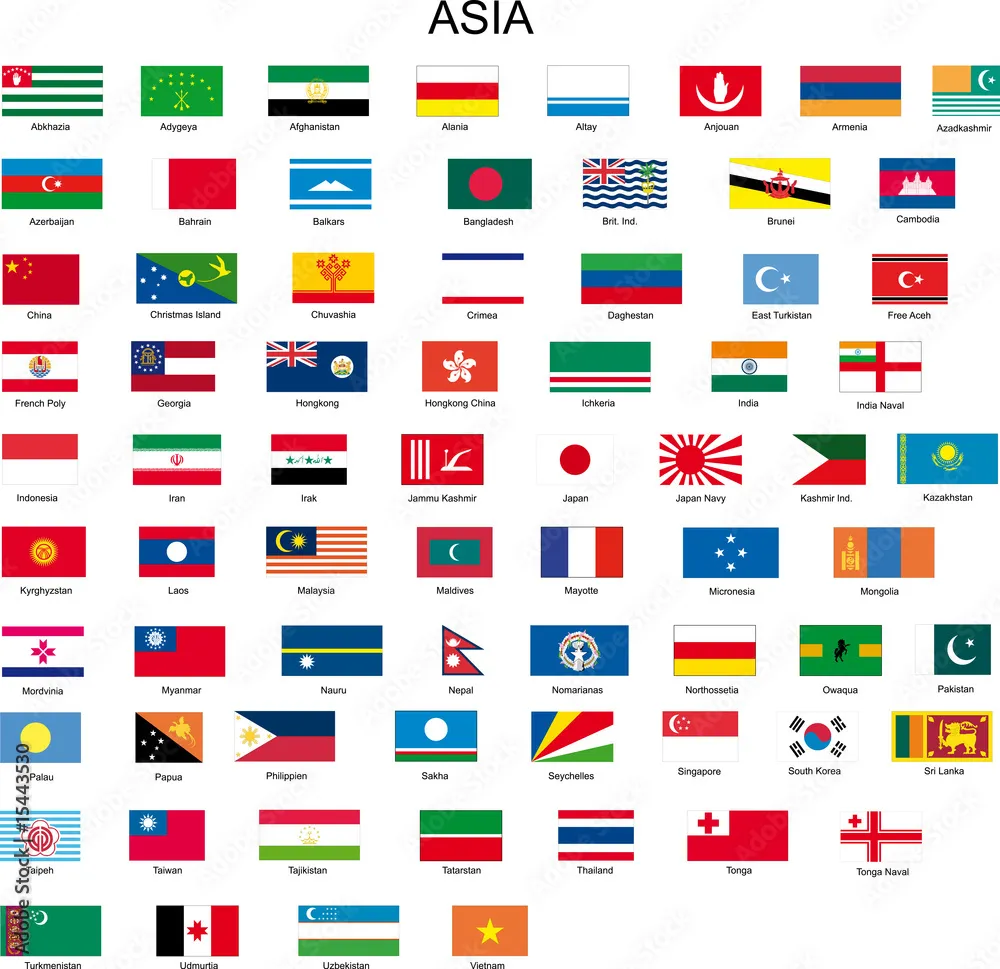
Flags can be considered symbols for the country and its people. Investigating collections like Asia Flags shows us how nations use flag designs to represent themselves historically, culturally, and nationally.
A flag creates an immediate sense of belonging. This is because citizens tend to identify the flag during significant events and milestones in the country that build patriotism. Because of its international recognition, it serves as an identification symbol among nations. It also becomes a symbol of pride and unity for the citizens.
2. How Colors Represent Shared Values
One of the most critical aspects of a flag is the use of colors. They are specially chosen to portray certain thoughts and ideals in a particular country.
Red is seen as the color of courage and sacrifice. This flag is used by several countries to pay homage to those people who have made significant contributions towards the freedom or development of their country. White signifies peace while blue represents stability and determination.
3. The Meaning Behind Common Flag Colors
Green appears on many national flags because it is often connected to prosperity, agriculture, and natural resources. It can also symbolize hope and growth for future generations.
Blue is regularly associated with rivers, oceans, and skies, but it also reflects loyalty and resilience. These meanings allow nations to communicate important aspects of their identity through simple visual elements.
When combined, colors create a visual language that citizens recognize and connect with. This shared understanding strengthens the relationship between a nation and its people.
4. The Role of National Symbols on Flags
Symbols provide another layer of meaning that goes beyond color. They help nations communicate historical, cultural, and ideological messages through recognizable images.
Many flags feature animals or plants that represent important aspects of national heritage. These emblems normally represent traits that are considered very important by the people.
In other cases, there might be stars, crescents, crosses, or some form of geometry. In doing so, traditions are preserved, and the values shaping the country are reinforced.
5. How History Shapes Flag Design
The design of a national flag is often influenced by significant historical events. Independence movements, political changes, and cultural milestones frequently leave a lasting mark on flag symbolism.
A review of World Wide Flags reveals how revolutions, national struggles, and historical achievements have influenced the colors and symbols used by countries around the globe.
These historical references help citizens remember important moments from the past. They also ensure that national identity remains connected to the experiences that shaped the nation.
6. Regional Similarities and Cultural Connections
A flag may indicate a link between two countries that are connected culturally and historically. For instance, similarities in flags may indicate ties among different regions.
Pan-African colors are one good example of flags that incorporate similar designs due to commonalities in terms of independence and struggle for unity and progress.
Nonetheless, every nation makes an effort to adapt those links to its particular history and culture.
7. Why Flags Continue to Unite Nations Today
Flags still play a very significant role despite all changes in the world we live in today. Flags are symbols of states at any international event, public celebration, or diplomatic meeting.
People frequently come together under the banner of their country when facing a great accomplishment or a difficult situation. As society changes, the flags will always remind us of our history and values.
Looking Beyond the Flag
Numerous sources help one to gain more knowledge about various national flags and their significance. In particular, Britannica is an informative platform that contains all educational materials, while WorldFlags.net is aimed at collecting numerous sources related to flag history.
If you want to explore flags in a more structured way, then Flags Arcade can be considered an ideal option, since this source combines an extensive flag collection with ease of navigation, as well as regional sections dedicated to each nation. Thus, one can easily get to know more about how colors and symbolism are important for national identity.
National flags are not just some pieces of fabric. These flags represent the history and values of each country. Through the use of colors and symbols, countries show the world their culture and heritage.