Kittens experience rapid growth during their first year of life, requiring substantially more protein than adult cats to support their developing muscles, organs, and immune systems. Adequate protein intake isn’t just beneficial—it’s essential for transforming tiny, vulnerable newborns into healthy, energetic cats. Without sufficient high-quality protein, kittens may face stunted growth, weakened immunity, and long-term health complications that could affect their quality of life well into adulthood.
New kitten owners often find themselves overwhelmed when standing in the pet food aisle, confronted by countless brands making bold claims about nutrition and quality. Deciphering marketing language, understanding ingredient lists, and distinguishing between genuinely nutritious options and cleverly packaged inferior products presents a genuine challenge, especially when your kitten’s health hangs in the balance.
The quest for optimal kitten nutrition centers on one critical question: how do you identify truly high-protein kitten food that meets the gold standard of 32% protein content? This article provides expert guidance on selecting kitten food that delivers the protein levels your growing feline needs, helping you navigate ingredients, labels, and feeding strategies with confidence.
Understanding Protein Needs for Kittens
Kittens aren’t simply miniature versions of adult cats—they’re biological powerhouses undergoing one of the most dramatic growth phases in the animal kingdom. During their first twelve months, kittens typically increase their birth weight by forty to fifty times, a transformation that demands extraordinary nutritional support. Protein serves as the fundamental building block for this explosive development, providing amino acids necessary for constructing new tissue, producing enzymes and hormones, and maintaining every cellular function throughout their rapidly expanding bodies.
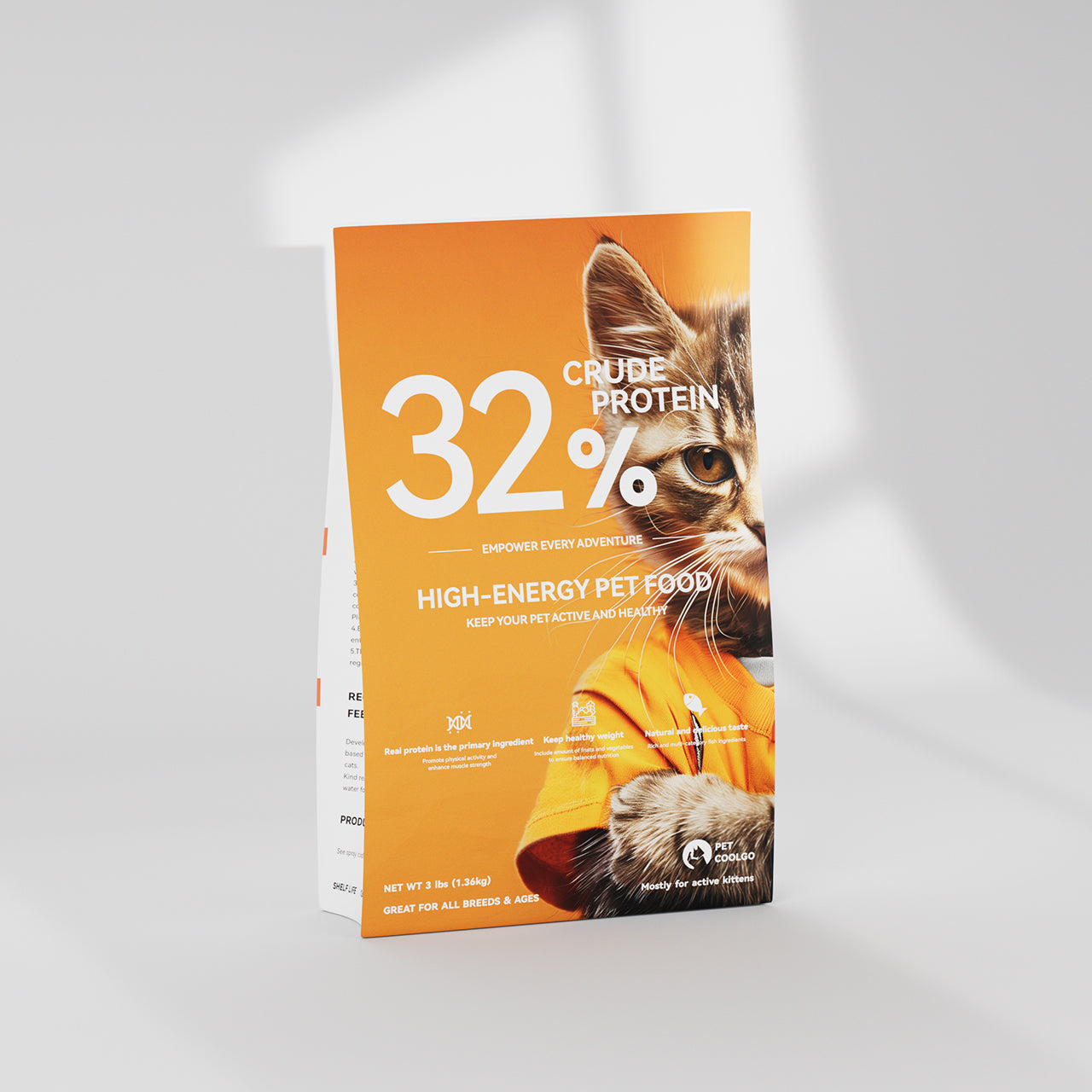
The Association of American Feed Control Officials (AAFCO) establishes minimum protein requirements at 30% for kitten food on a dry matter basis, yet many veterinary nutritionists recommend aiming for 32-40% to provide optimal support during peak growth periods. This elevated protein requirement reflects the reality that kittens need approximately twice the protein per pound of body weight compared to adult cats. Their accelerated metabolism burns through nutrients at remarkable rates while simultaneously channeling resources toward building strong bones, developing keen sensory organs, and establishing robust immune defenses against disease.
High-quality protein delivers benefits extending far beyond physical growth. Adequate protein intake supports cognitive development, helping kittens form neural connections that enhance learning and coordination. It fuels the boundless energy characteristic of healthy kittens, enabling the play behaviors that refine hunting instincts and social skills. Protein also maintains healthy skin and coat condition, supports wound healing, and ensures proper development of the heart and other vital organs. Insufficient protein during these critical months can result in irreversible developmental delays, compromised immune function, and increased susceptibility to infections that healthy, well-nourished kittens would easily resist.
Key Ingredients to Look For
The foundation of exceptional kitten nutrition begins with the first ingredient listed on the package—ideally a named animal protein source such as chicken, turkey, salmon, or tuna. Ingredients appear in descending order by weight, meaning that first-listed component comprises the largest portion of the formula. When you see “deboned chicken” or “salmon” leading the ingredient panel rather than vague terms like “meat by-products” or grain fillers, you’re looking at food designed with feline biology in mind. Cats are obligate carnivores, meaning their bodies evolved to derive nutrients primarily from animal tissue, making these whole-meat proteins the most bioavailable and digestible option for your kitten’s developing system.
Chicken stands as one of the most common and reliable protein sources in premium kitten foods, offering a complete amino acid profile that supports everything from muscle development to antibody production. It’s generally well-tolerated, highly digestible, and provides essential nutrients like taurine—an amino acid cats cannot synthesize in sufficient quantities on their own. Salmon and other fish proteins bring additional benefits through omega-3 fatty acids that promote brain development, reduce inflammation, and contribute to lustrous coat quality. Tuna offers concentrated protein and palatability that even finicky kittens find irresistible, though it works best as part of a varied protein rotation rather than the sole source due to potential mercury considerations in long-term exclusive feeding.
Beyond the primary protein source, examine the supporting cast of ingredients for protein-rich additions like chicken meal, fish meal, or egg products. These concentrated forms contain minimal moisture, delivering dense nutrition that significantly boosts overall protein percentages. Quality kitten foods also incorporate organ meats like liver, which provide vitamin A, B vitamins, and iron in highly absorbable forms. Avoid foods where plant proteins like corn gluten meal or soy protein concentrate dominate the ingredient list—while these technically contribute to protein percentages, they lack the complete amino acid profiles and digestibility that animal proteins provide, potentially leaving nutritional gaps despite impressive numbers on the guaranteed analysis panel.
Reading Labels and Nutrition Facts
The guaranteed analysis panel on kitten food packaging serves as your primary tool for evaluating protein content, but understanding how to interpret these numbers requires looking beyond the surface figures. Manufacturers list crude protein as a minimum percentage, typically displayed on an “as fed” basis that includes all moisture content in the food. For accurate comparisons between wet and dry foods, convert these numbers to a dry matter basis by calculating what percentage protein represents after removing water weight. A wet food listing 10% protein with 78% moisture actually contains approximately 45% protein on a dry matter basis—significantly higher than it initially appears and potentially superior to a dry food claiming 32% protein.
When examining labels, verify that the product carries an AAFCO statement confirming it’s “complete and balanced for growth” or specifically formulated for kittens. This certification indicates the food has either undergone feeding trials with actual kittens or meets established nutrient profiles through formulation analysis. Look for specific language stating the food is appropriate for “all life stages” or “growth and reproduction,” as these designations ensure adequate protein levels for developing felines. Be wary of foods labeled only for “maintenance” or “adult cats,” as these typically contain insufficient protein for kitten needs.
Beyond protein percentages, examine the ingredient list for protein quality indicators. The first three to five ingredients should predominantly feature animal proteins rather than grains, vegetables, or by-products. Calculate approximate protein contribution by noting that ingredients are listed by pre-cooking weight—fresh meats contain substantial water that cooks off, potentially making them less protein-dense than they initially appear. Cross-reference the guaranteed analysis with ingredient quality to ensure those impressive protein numbers come from digestible animal sources rather than inferior plant proteins or excessive by-product meals that may meet numerical requirements without delivering optimal nutrition.
Choosing the Right Type of Food
Kitten food comes in four primary formats, each offering distinct advantages and considerations for meeting that crucial 32% protein threshold. Dry kibble typically contains 30-40% protein and offers convenience, dental benefits through mechanical cleaning action, and cost-effectiveness for multi-cat households. Its low moisture content concentrates nutrients, making it easy to achieve high protein percentages, though kittens may need encouraged water consumption since cats naturally obtain much of their hydration from prey. Wet food generally provides 8-12% protein as fed, translating to 40-50% on a dry matter basis—often exceeding dry food’s protein density while simultaneously delivering hydration that supports kidney function and urinary health.
Semi-moist foods occupy middle ground with moderate protein levels around 25-35% and soft texture appealing to teething kittens, but they often contain higher sugar and salt levels as preservatives, making them better suited as occasional treats than dietary staples. Raw diets deliver exceptional protein bioavailability, typically exceeding 40% protein with minimal processing that preserves natural enzymes and nutrients. However, raw feeding demands meticulous attention to food safety, balanced formulation including appropriate calcium-phosphorus ratios, and veterinary guidance to prevent nutritional imbalances or pathogen exposure.
Many veterinary nutritionists recommend combination feeding—offering primarily high-quality dry food supplemented with wet food—to capture benefits from both formats. This approach ensures adequate protein intake while promoting hydration, providing textural variety that prevents food boredom, and accommodating individual preferences as kittens develop distinct tastes. Whatever format you choose, prioritize formulas specifically designed for kittens rather than all-life-stage foods, ensuring concentrated nutrition matches their extraordinary growth demands during this irreplaceable developmental window.
Feeding Schedule and Portion Control
Establishing a consistent feeding schedule provides kittens with the structure their developing digestive systems need while preventing the metabolic stress of irregular meal timing. Kittens under twelve weeks require four meals daily, spaced evenly throughout waking hours to maintain stable blood sugar levels and provide continuous fuel for their rapid growth. As they reach three to six months, transition to three meals daily, then reduce to twice-daily feeding after six months. This graduated approach matches their evolving metabolic needs—younger kittens have smaller stomach capacity and faster digestion, necessitating frequent small meals, while older kittens can handle larger portions less frequently without digestive upset or energy crashes between feedings.
Portion control requires balancing adequate nutrition against overfeeding risks that can lead to obesity and developmental orthopedic problems. Follow feeding guidelines on your chosen food’s packaging as a starting baseline, typically recommending portions based on current weight and expected adult size. Monitor your kitten’s body condition weekly by feeling for ribs that are easily palpable but not visible, observing a discernible waist when viewed from above, and checking for a slight abdominal tuck when viewed from the side. Adjust portions by ten percent increments if your kitten appears too thin or is gaining weight too rapidly—gradual, steady growth produces healthier outcomes than dramatic weight fluctuations. Free-choice feeding works poorly for kittens, encouraging overeating and making it impossible to monitor intake accurately, so measure portions precisely using feeding tools like those from PetCoolGo and remove uneaten food after thirty minutes to maintain freshness and establish healthy eating patterns.
Making the Right Choice for Your Kitten
Selecting the best high protein kitten food requires balancing multiple factors—prioritizing animal-based proteins like chicken, salmon, and tuna as primary ingredients, verifying minimum 32% protein content through careful label analysis, and choosing formats that suit your kitten’s individual preferences while meeting their nutritional demands. Remember that the guaranteed analysis provides baseline numbers, but true quality emerges from examining ingredient lists for whole meats rather than by-products or plant proteins that inflate percentages without delivering complete amino acid profiles.
When making your final selection, consider your kitten’s unique circumstances including activity level, growth rate, and any sensitivities that may influence protein source preferences. Transition gradually between foods over seven to ten days to prevent digestive upset, mixing increasing proportions of new food with decreasing amounts of the old. Monitor your kitten’s response through energy levels, coat quality, stool consistency, and steady weight gain as reliable indicators that your chosen food meets their needs.
While this guidance provides a solid foundation for informed decision-making, every kitten presents individual nutritional requirements that may warrant professional assessment. Consult your veterinarian for personalized recommendations tailored to your kitten’s breed, health status, and developmental trajectory, ensuring they receive optimal nutrition during these critical growth months that establish the foundation for lifelong health and vitality.