There’s something deeply satisfying about cooking over an open flame—the sizzle of meat hitting hot grates, the aroma of charcoal mingling with evening air, and the joy of feeding friends and family under the open sky. Yet every outdoor cooking enthusiast knows the frustration all too well. Dark clouds roll in just as you’ve lit the coals, the midday sun turns your grilling station into a furnace, or an unexpected gust sends napkins and seasoning flying. How many weekend BBQ plans have you scrapped because the weather refused to cooperate?
The answer to year-round grilling isn’t hoping for perfect forecasts—it’s investing in a hardtop grill gazebo. This permanent, weatherproof structure creates a dedicated overhead shield that transforms any patio or backyard corner into a reliable outdoor kitchen. Unlike flimsy pop-up canopies that buckle under pressure, a hardtop grill gazebo stands firm through rain, intense sun, and wind, giving you the freedom to cook on your own schedule. In this guide, we’ll walk you through exactly what these structures are, why they outperform alternatives, how to choose the right one, and everything you need to get set up and grilling regardless of what the sky has in store.
What is a Hardtop Grill Gazebo? Your Ultimate Backyard Shield
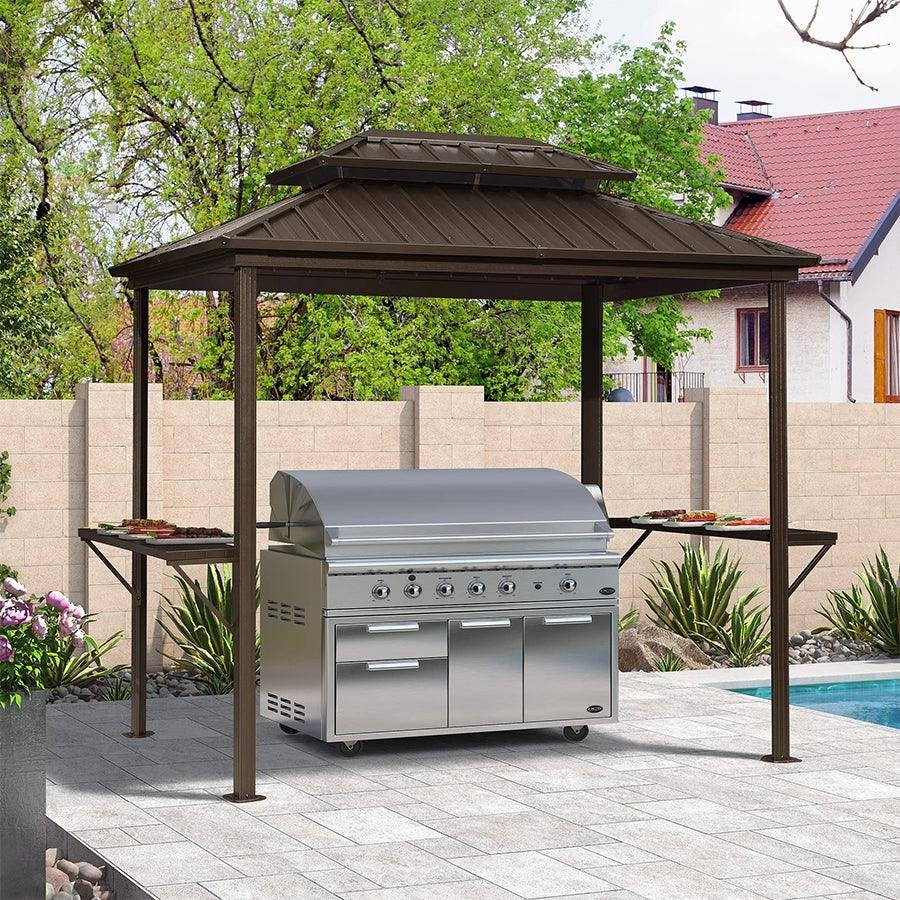
A hardtop grill gazebo is a freestanding, permanent outdoor structure built specifically to shelter your grilling area beneath a solid, rigid roof. Unlike soft-top canopies that rely on fabric stretched over a frame, a hardtop gazebo features a fixed roof panel—typically constructed from galvanized steel, aluminum, or polycarbonate—that won’t sag, tear, or deteriorate after a few seasons of exposure. It’s also distinct from a pergola, which offers only partial shade through open slats and provides zero protection when rain starts falling.

The frame of a quality hardtop grill gazebo is usually made from powder-coated steel or rust-resistant aluminum, engineered to handle sustained wind loads and the weight of accumulated snow or rainfall. Some premium models incorporate wood accents like cedar posts for aesthetic appeal, though the structural backbone remains metal. Roof options break down into two main categories: solid metal panels that completely block rain and UV rays, and twin-wall polycarbonate panels that deflect weather while allowing diffused natural light to filter through, keeping the cooking space bright without the harsh glare of direct sun.
Think of this structure as the cornerstone of a functional outdoor kitchen rather than a simple rain cover. It defines a dedicated zone where your grill, prep surfaces, utensils, and condiments all live in one organized, protected space. By anchoring your cooking setup under a permanent roof, you eliminate the scramble of dragging equipment inside when weather shifts and create an inviting station that’s always ready for action—morning coffee smokes, weeknight dinners, or full-scale weekend cookouts.
Unbeatable Benefits of a Hardtop Grill Gazebo for Your Outdoor Kitchen
The most immediate advantage of a hardtop grill gazebo is complete all-weather protection. Rain beads off the solid roof and channels away from your cooking area, meaning a sudden downpour becomes background noise rather than a reason to abandon dinner. On scorching summer days, the rigid canopy blocks direct UV rays and can reduce the temperature underneath by several degrees compared to standing in full sun—making those long, slow smoking sessions far more comfortable. Even light snow won’t force you indoors; the sturdy roof handles accumulation while you flip burgers in the crisp air.
Beyond weather shielding, a hardtop gazebo fundamentally improves the cooking experience itself. Without the pressure to “beat the storm,” you can take your time with temperature control, basting, and resting meats properly. The consistent overhead environment also means fewer variables affecting your cook—no wind-driven temperature swings inside your grill and no sun glare making it difficult to judge sear marks. You cook better food because you’re relaxed and focused.
From a practical standpoint, a hardtop grill gazebo defines usable outdoor space in a way that few other additions can. It creates a distinct “room” in your backyard—a destination rather than just a patch of patio. Real estate professionals consistently note that well-designed outdoor living areas increase property appeal and perceived value, and a permanent gazebo signals to potential buyers that the space is functional twelve months a year. For your own daily life, it means the grill area stays tidy and inviting rather than becoming a neglected corner when seasons change.
Organization is another underrated benefit. Most quality grill gazebos come equipped with integrated shelving, utensil hooks, and side counters that keep tongs, rubs, sauces, and platters within arm’s reach. This eliminates the constant back-and-forth trips to the kitchen and keeps your workflow efficient—everything has a designated home, and cleanup becomes straightforward. Finally, the sheer durability of a hardtop structure pays dividends over time. Where fabric canopies may need replacement every year or two due to UV degradation and mildew, a properly maintained hardtop gazebo lasts a decade or more, making it a far smarter long-term investment for anyone serious about outdoor cooking.
Your Essential Buying Guide: How to Choose the Perfect Grill Gazebo
Selecting the right hardtop grill gazebo starts with measuring your available space and your grill’s footprint. Grab a tape measure and map out the area where you plan to install the structure, leaving at least two to three feet of clearance on every side of your grill for safe movement and airflow. Account for any additional equipment you want underneath—a prep table, a smoker, or a small beverage station—and factor those dimensions into your minimum footprint. A common mistake is buying a gazebo that technically fits the grill but leaves no room to work comfortably around it.
Next, decide on your roof material. Solid galvanized steel panels offer maximum weather resistance and a clean, modern look, making them ideal for regions with heavy rainfall or hail. Polycarbonate panels, on the other hand, allow filtered natural light to pass through while still blocking rain and harmful UV rays—a better choice if your grilling area is already in a shaded corner and you want to preserve brightness. Both materials handle snow loads well when properly supported, so the decision often comes down to personal preference regarding light versus total coverage.
Frame construction deserves equal attention. Look for powder-coated steel or marine-grade aluminum that resists rust and corrosion even in humid climates. Check the thickness of the frame posts and cross-beams; heavier gauge metal translates directly to greater wind resistance and overall structural integrity. If you live in a coastal or high-humidity area, aluminum edges ahead because it won’t oxidize the way untreated steel can over years of salt-air exposure.
Features separate a basic shelter from a true outdoor cooking command center. Prioritize models with adjustable leveling feet if your patio or yard isn’t perfectly flat—this prevents the frame from racking and ensures the roof channels water correctly. Integrated LED lighting extends your cooking hours well past sunset without requiring separate fixture installation. Built-in hooks and side shelves keep spatulas, thermometers, and spice jars organized and accessible mid-cook. Consider whether you want add-on compatibility as well: some gazebos accept snap-on side panels, privacy screens, or mosquito netting that transform the space into a semi-enclosed room during buggy summer evenings or windy fall afternoons.
Finally, establish a realistic budget and compare at least three brands within that range. Outdoor furniture specialists like PURPLE LEAF offer hardtop grill gazebos with vented roofs and integrated shelving designed specifically for grilling environments, so it’s worth exploring dedicated outdoor living brands alongside general home improvement options. Rather than chasing the lowest price, weigh warranty length, replacement-part availability, and customer reviews focused on long-term durability. A gazebo that costs slightly more upfront but includes a ten-year frame warranty and readily available roof panel replacements will save money and headaches compared to a bargain model you’ll need to replace in three seasons.
Key Features Checklist for a Top-Tier Weatherproof Gazebo
Ventilation ranks as the single most critical feature for any structure sheltering a live-fire cooking appliance. Without adequate airflow, smoke and heat accumulate under the roof, staining the ceiling, degrading materials prematurely, and making the cooking environment unpleasant. The best designs incorporate a double-tiered or vented roof cap—a raised secondary panel at the peak that allows hot air and smoke to escape upward while preventing rain from entering through the gap. This passive ventilation system requires no power and works continuously, keeping the air beneath the canopy fresh even during extended smoking sessions.
A robust anchoring system is non-negotiable for safety. High winds can turn an unsecured gazebo into a dangerous projectile, regardless of how heavy the frame feels. Look for models that include concrete anchor bolts for hard surfaces or heavy-duty ground stakes for soil installation. Some manufacturers offer weighted base plates as an alternative for renters or those who cannot drill into their patio. Whichever method you use, ensure the anchoring hardware is rated for wind speeds common in your area—most quality gazebos specify their tested wind-load capacity in the product documentation.
Integrated gutter channels or drip edges along the roofline direct rainwater away from the cooking zone and prevent pooling on the ground immediately around the structure. Without this feature, runoff cascades off the roof edges in sheets, splashing onto your prep surfaces and creating puddles where you stand. Some models route water to specific corner downspouts that you can connect to a rain barrel or direct toward a garden bed, turning a nuisance into a resource. Pair this with integrated LED lighting—either solar-powered strips along the frame or wired fixtures in the roof panels—and you have a gazebo that performs flawlessly from a rainy afternoon cookout through a late-night weekend feast. Material quality ties everything together: stainless steel hardware that won’t streak rust onto your patio, UV-stabilized polycarbonate that won’t yellow after two summers, and welds that are ground smooth and sealed against moisture intrusion at every joint.
Installation and Setup: Getting Your Outdoor Kitchen Ready
Proper site preparation makes or breaks your gazebo installation. Start by selecting a location that sits on level ground—a concrete patio, paver surface, or compacted gravel pad all work well. If your chosen spot has a slight slope, you’ll need to either level the ground with additional fill material or rely on adjustable leg feet to compensate. Avoid positioning the structure directly beneath overhanging tree branches, which drop debris onto the roof and pose fire risks when grilling. Ensure you have adequate clearance from your home’s exterior walls, vinyl siding, or wooden fences—most manufacturers recommend a minimum of three feet to prevent heat damage and allow proper smoke dispersal.
Assembly typically involves bolting together pre-cut frame sections, attaching cross-beams, and then securing the roof panels from the ground up. Most hardtop grill gazebos ship with detailed instructions and require only standard tools: a socket wrench set, a level, a drill, and a step ladder. Plan for two to three people and a full afternoon to complete the build. The panels are manageable in weight individually, but their size makes them awkward for one person to hold in position while fastening hardware.
Deciding between DIY and professional installation depends on your comfort level and the complexity of your site. If you’re anchoring into a flat concrete slab with no electrical integration, most handy homeowners can handle the project confidently. However, if your site requires ground leveling, electrical wiring for integrated lighting, or you’re working on a rooftop deck where structural load matters, hiring a contractor ensures the job is done safely and to code. Regardless of who assembles the structure, anchoring is the step you cannot shortcut. Drill concrete anchors into hard surfaces using a hammer drill, or drive auger-style ground stakes deep into soil—then verify every bolt is torqued to specification before loading the structure with any accessories.
Once the gazebo stands secure, position your grill centered beneath the roof’s ventilation opening so smoke channels upward and out naturally. Place your prep table on your dominant working side, hang utensils on the hooks nearest the grill grates, and arrange condiments and rubs on the integrated shelving where they’re visible at a glance. This deliberate layout minimizes wasted movement and mirrors the efficiency of an indoor kitchen—everything flows from prep to cook to plate in a logical sequence, letting you focus on the food rather than hunting for tools.
Transform Your Backyard into a Year-Round Grilling Retreat
A hardtop grill gazebo solves the single biggest frustration every outdoor cooking enthusiast faces: dependence on cooperative weather. By installing a permanent, solid-roofed structure over your grilling station, you reclaim every rained-out Saturday, every sweltering July afternoon, and every breezy autumn evening that would otherwise push you back indoors. The benefits compound well beyond simple shelter—you gain a defined outdoor room that adds genuine value to your property, an organized workspace that makes cooking more efficient and enjoyable, and a structure built to last years rather than seasons.
More than a practical upgrade, a hardtop grill gazebo transforms your relationship with outdoor cooking itself. It shifts grilling from a fair-weather hobby into a daily possibility, a reliable ritual you can count on regardless of the forecast. Imagine stepping out any evening—rain drumming overhead, snow dusting the yard, or golden sun filtering through polycarbonate panels—knowing your station is ready, your tools are in place, and nothing stands between you and a perfectly cooked meal. That’s the freedom a hardtop grill gazebo delivers: your backyard becomes a year-round culinary retreat, open for business rain or shine.