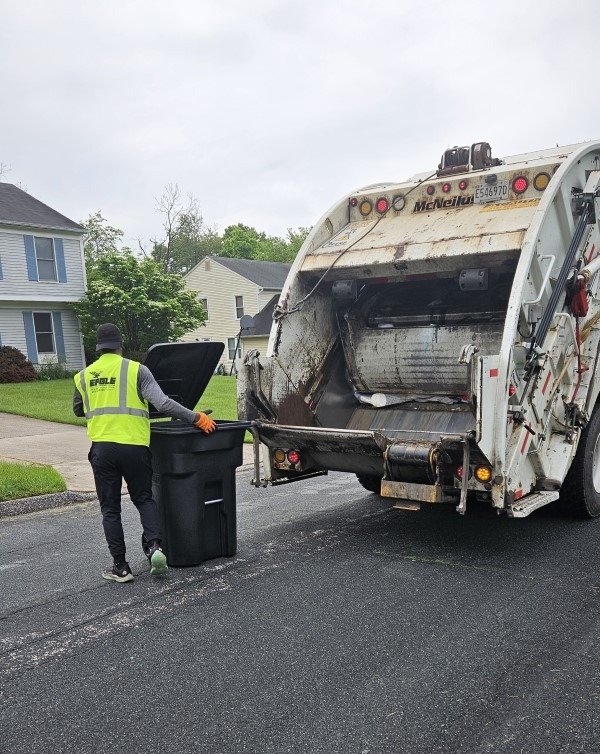
Sustainability used to be treated as a marketing angle, something businesses mentioned in passing without much operational follow-through. That has changed. Customers, employees, and investors now expect real evidence of environmental responsibility, and one of the clearest places that expectation shows up is in how a business handles its waste. Commercial waste management services have shifted right along with these expectations, moving well beyond simple pickup and disposal into a genuine driver of a company’s broader sustainability strategy.
This article looks at what is fueling this shift, how modern commercial waste management services support sustainability goals in practical terms, and what businesses should look for if they want their waste practices to actually reflect their environmental commitments rather than just their marketing language.
Why Sustainability Pressure Has Reached Waste Management
For years, waste disposal was treated as an operational afterthought, a necessary but largely invisible part of running a business. That mindset has shifted as stakeholders across the board, from customers choosing where to spend their money to employees evaluating potential employers, have started paying closer attention to how companies actually operate behind the scenes.
Waste is one of the most visible, tangible measures of a company’s environmental footprint. How much goes to a landfill, how much gets recycled, and how a business handles specialized waste streams all send a clear signal about whether sustainability commitments are genuine or simply words on a website. This visibility has pushed commercial waste management services to evolve into something far more sophisticated than the basic pickup and disposal model that defined the industry for decades.
What Sustainable Commercial Waste Management Actually Looks Like
Modern commercial waste management services increasingly go well beyond hauling trash away. Businesses genuinely committed to sustainability are looking for providers who can support a broader set of environmental goals through the specific way waste gets handled.
- Comprehensive recycling programs that go beyond basic paper and cardboard to include plastics, metals, and specialized materials relevant to a specific industry.
- Waste stream analysis, helping businesses understand exactly what they are generating and identifying opportunities to reduce or divert waste from landfills.
- Composting programs, particularly valuable for restaurants, food service businesses, and companies with significant organic waste output.
- Transparent reporting, giving businesses concrete data on diversion rates and waste reduction progress that can support sustainability disclosures or certifications.
- Specialized handling for electronics and hazardous materials, ensuring these items are processed responsibly rather than ending up in general waste streams.
Businesses evaluating commercial waste management services should look specifically for providers offering these kinds of comprehensive programs, rather than assuming basic disposal service automatically includes meaningful sustainability support.
The Business Case for Sustainable Waste Practices
Beyond the genuine environmental benefit, there is a clear practical business case for prioritizing sustainability within commercial waste management services. Companies increasingly face direct pressure from customers and business partners who factor environmental practices into their purchasing and partnership decisions. A business unable to demonstrate real progress on waste reduction and recycling may find itself at a competitive disadvantage compared to peers who can point to concrete, verifiable results.
Cost considerations matter as well. Diverting recyclable materials away from general waste can reduce overall disposal volume, and in many cases, actual disposal costs, since general waste disposal is often more expensive than recycling processing fees. Businesses that build effective recycling and waste reduction programs frequently find that sustainability efforts and cost efficiency go hand in hand, rather than representing competing priorities.
How Regulation Is Reinforcing This Shift
Local and state regulations increasingly reflect the same sustainability priorities being pushed by customers and employees. Many jurisdictions now require specific recycling practices, restrict certain types of waste from landfill disposal, or mandate reporting on waste diversion rates for certain categories of businesses. This regulatory environment means that commercial waste management services capable of supporting genuine sustainability goals are not just a nice-to-have feature but an increasingly practical necessity for staying compliant.
Businesses working with a provider who understands these evolving regulations and who can help ensure compliance while also supporting broader sustainability objectives are far better positioned than those still relying on outdated, disposal only arrangements.
Building a Waste Reduction Strategy, Not Just a Disposal Contract
One of the most important shifts happening within commercial waste management services involves moving away from a purely transactional relationship, simply paying for pickup, toward a genuine strategic partnership focused on waste reduction over time. This means working with a provider willing to analyze current waste patterns, recommend specific changes to reduce overall volume, and track progress against clear sustainability goals.
A few elements tend to define this kind of strategic approach:
- Regular waste audits identifying what materials make up the largest share of a business’s waste stream.
- Employee education programs helping staff understand and participate in proper sorting and recycling practices.
- Ongoing consultation about packaging or operational changes that could reduce waste generation at the source.
- Clear metrics and reporting that allow a business to track improvement over time rather than guessing at progress.
Businesses that approach commercial waste management services with this strategic mindset tend to see far more meaningful sustainability results than those who simply switch providers without changing their underlying waste practices.
Industries Leading the Way on Sustainable Waste Practices
While sustainability pressure affects nearly every industry, certain sectors have moved further and faster in adopting genuinely sustainable commercial waste management services.
- Restaurants and food service businesses are increasingly adopting composting programs to divert organic waste from landfills.
- Retail businesses, working to reduce packaging waste and improve recycling of cardboard and plastic materials.
- Office-based businesses, focusing on paper reduction, electronics recycling, and comprehensive single-stream recycling programs.
- Manufacturing operations, addressing byproduct materials and working to find recycling or reuse opportunities for industrial waste streams.
Businesses in these industries often find that customers and employees respond positively to visible sustainability efforts, reinforcing the value of investing seriously in this area rather than treating it as a minor operational detail.
Questions to Ask When Evaluating a Provider’s Sustainability Capabilities
Businesses looking to align their commercial waste management services with genuine sustainability goals should ask specific, direct questions rather than accepting vague assurances about environmental responsibility.
- What specific recycling programs do you offer, and what materials do they actually cover?
- Can you provide data or reporting on our current waste diversion rates?
- Do you offer waste audits or consultation to help identify reduction opportunities?
- How do you handle specialized waste streams like electronics or organic material?
- Can you help us understand how our practices align with relevant local sustainability regulations?
A provider capable of answering these questions with specific, concrete detail is far more likely to genuinely support a business’s sustainability goals than one offering only general reassurances about environmental commitment.
Avoiding the Trap of Surface-Level Sustainability Claims
As sustainability has become an increasingly important selling point, some waste management providers have begun using environmental language without necessarily backing it up with substantive programs or measurable results. Businesses should be cautious of providers who speak broadly about sustainability without being able to provide specific data, clear program details, or transparent reporting.
Genuine commercial waste management services supporting real sustainability goals should be able to demonstrate their impact through concrete numbers, not just marketing language. Businesses serious about their own environmental commitments should hold their waste management provider to this same standard of accountability.
How Eagle Transfer Services Supports Sustainable Business Practices
At Eagle Transfer Services, we understand that commercial waste management services play a direct role in helping businesses achieve genuine sustainability goals, not just check a compliance box. We work with our clients to build comprehensive recycling programs, provide clear data on waste diversion progress, and offer guidance on reducing waste generation at the source wherever possible.
Our approach focuses on real, measurable results rather than surface-level environmental language because we believe businesses deserve a partner who takes their sustainability commitments as seriously as they do.
Final Thoughts
The push toward more sustainable business practices has fundamentally changed what businesses should expect from commercial waste management services. What was once a simple, transactional disposal arrangement has evolved into a genuine strategic partnership capable of supporting real environmental progress, from comprehensive recycling programs to transparent reporting and waste reduction consulting. Businesses that choose a provider equipped to support these goals, rather than one offering disposal alone, put themselves in a much stronger position to meet the sustainability expectations of their customers, employees, and communities.