Introduction
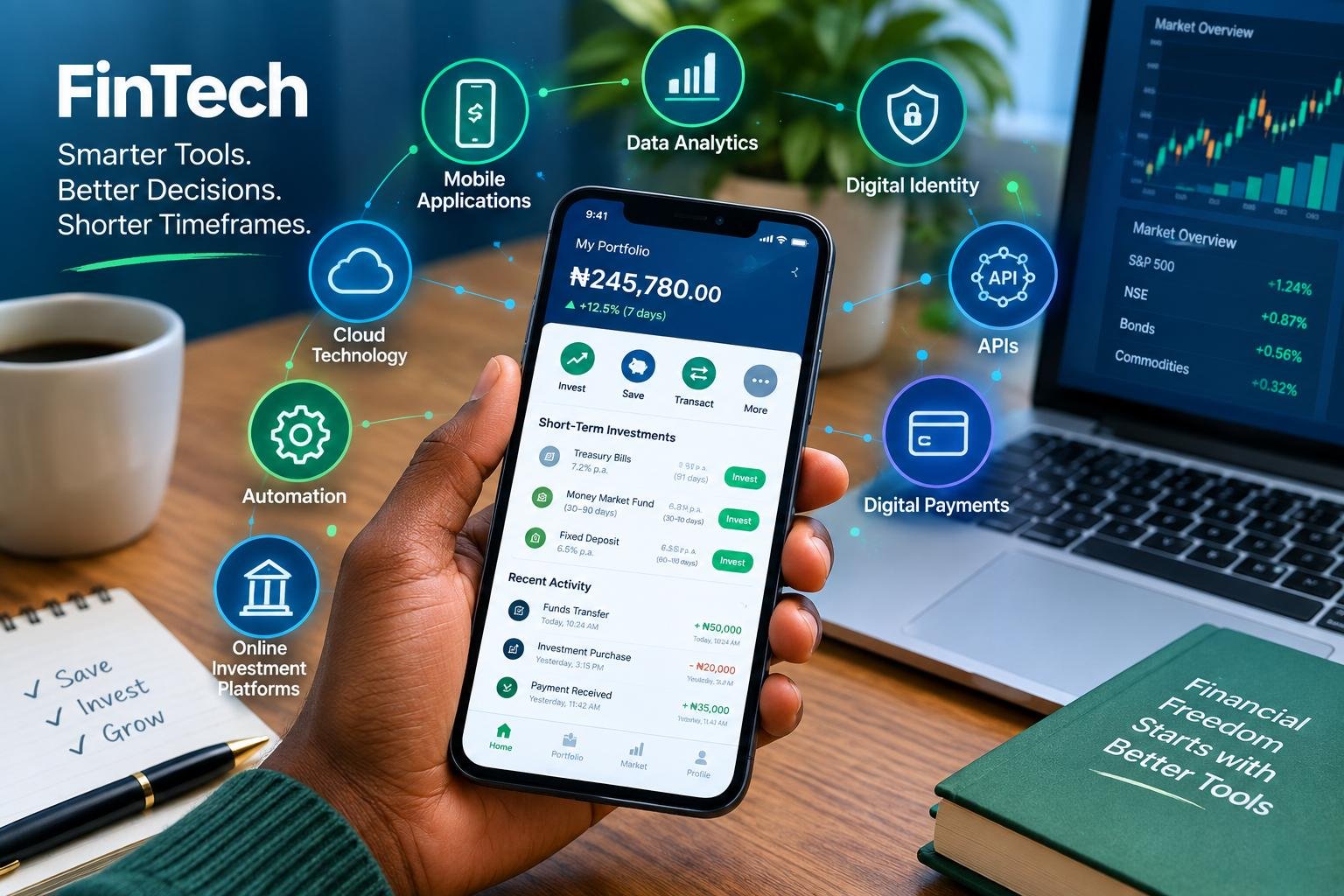
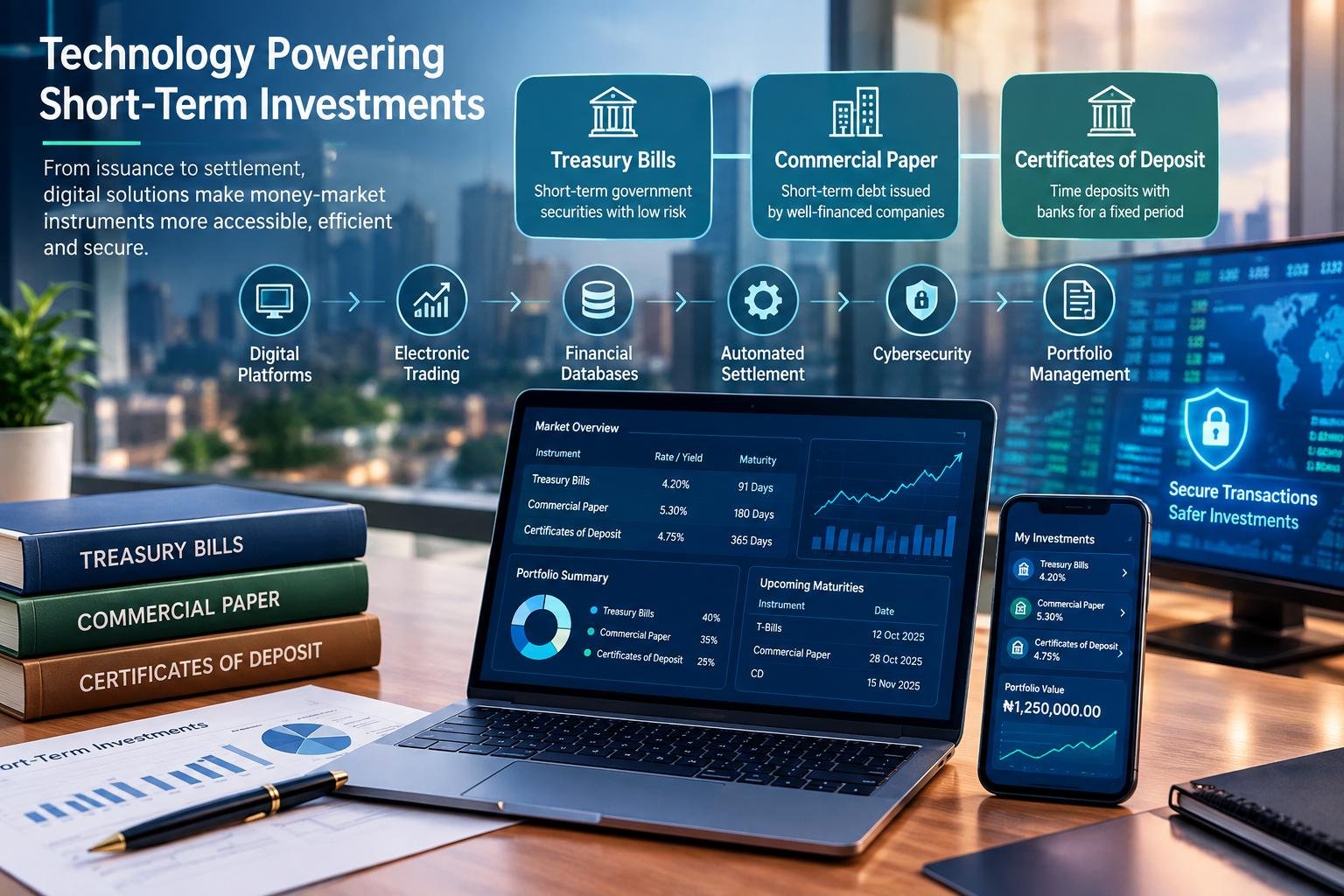
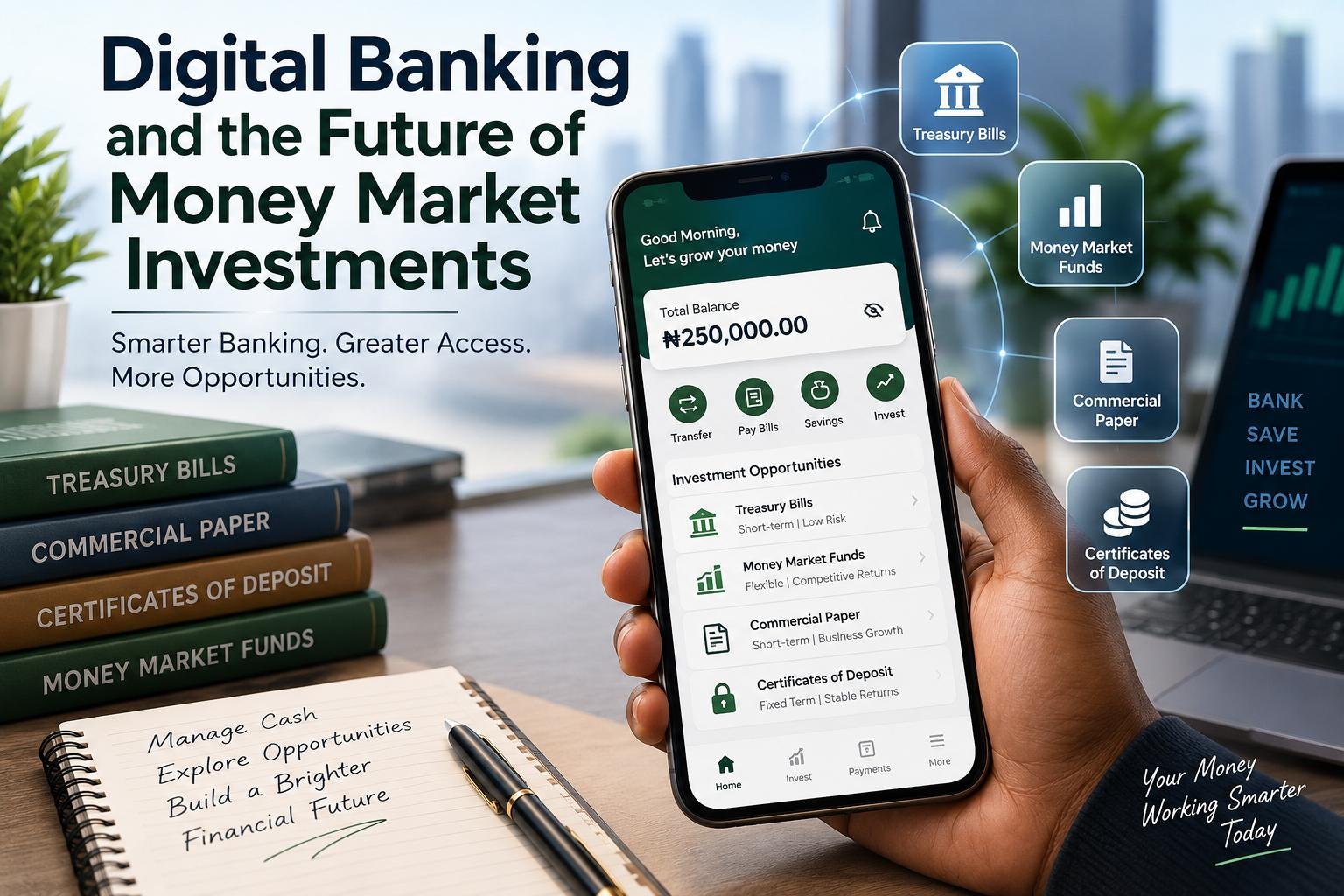
Digital banking has revolutionized the way people and businesses manage and move funds and transactions, bringing closer together real banking and short term investment opportunities. Investing extra funds in products like certificates of deposit, commercial paper, money market funds, and treasury bills may have involved physical documents, a trip to a bank and/or a financial advisor. Mobile banking apps, online investment apps, e-payment systems and other financial technology applications are democratizing many financial services today. Customers are now able to keep track of balances, make transfers, payments, view investment information, and manage financial activities via connected digital platforms more easily than ever. This is particularly relevant in the case of individuals and organizations that have to deal with cash effectively and discover suitable short term investments. Technology is changing the ways in which money is stored and moved, but with digital banking also evolving, it is also impacting the tracking, investing and repatriation of excess funds if necessary.
Relationship between Digital Banking and Money Market Investments
Digital banking and money market investment are interlinked as both of them are related to efficient management of cash and liquidity. Money market investments are typically made for the relatively short-term and are the choice of many investors who wish to maintain liquidity in their investment portfolio while also gaining a return. Digital banking offers the back-end systems enabling customers to see funds available, transfer their money from one bank account to another, see what investment options are available and track their transactions without fully relying on the traditional physical banking systems. For instance, if a company accepts payments in a digital bank account from customers, it could determine that some of the cash in its account is not needed for day-to-day operations. Rather than keeping all the money idle, the business can look into some investment that is suitable for them for the short term. Digital solutions can help to make this easier by offering information, transaction features, notifications and records that enable cash management and facilitate a better process. The connection is not just for convenience purposes, as digital banking may be able to facilitate the integration of routine financial transactions with short-term financial planning.
Mobile Banking and Access to Short Term Investments.
One of the most obvious ways that technology is opening financial services up to mobile users is mobile banking. Customers can do banking on their smart phone and internet, as opposed to being in a branch and in front of a computer. Mobile banking apps enable users to view account details, transfer funds, make payments, get alerts for transactions and view financial activity just about anywhere. These capabilities can also be used for short term investment management where investors are able to keep track of cash available and act on investment opportunities more rapidly. This could be transferring surplus money to a suitable short term product (if available) and then transferring the money back to a transaction account when it is required. Mobile access can help small businesses keep track of their daily cash flow and help them differentiate between the cash they need for immediate use and cash that may be put to work. With this increased use of mobile banking, there are less practical hurdles between the common bank account and short term financial management, therefore.

The Internet Investment Platforms and Digital Access
Online investment platforms have also revolutionized the way people find and manage financial products. Many investment workflows were cumbersome with documents, handwritten signatures, phone calls and face-to-face interactions with financial advisors. Many of these activities can be streamlined on digital platforms so that customers can view products that are available, view information, fill out applications, provide instructions, and track investments electronically. This can make short term products more conspicuous to the customers, who they might not have known before in money market investments. Investors may have the opportunity to obtain information on maturity dates, anticipated returns, liquidity, and other pertinent features prior to determining whether or not a product is suitable for them. Digital platforms can also offer account dashboards which combine financial and investment data, enabling customers to get a clearer view of their overall financial situation. But increased access does not make for a lack of careful decision making. Even with all these factors taken into consideration, investors should know the risks, fees, terms, liquidity and credibility of the financial institution or platform before they invest in a short term investment.
Electronic Payments and Cash Management
In addition, electronic payments are a crucial component of the connection between electronic banking and a short-term investment, as they determine the speed of the transfer of funds among individuals, businesses and financial institutions. Payment methods such as bank transfers, card payments, mobile payments, debit and direct debits enable payments to be made without the use of physical cash. Convenient and quick payments can enhance the visibility of cash flow, as users can trace money in and out on digital records. This data can be useful for businesses to make calculations about the amount of money required for salaries, suppliers, taxes, and more. If the cash needs are more apparent, then surplus cash can be more readily determined for potential short term investments. Electronic payments can also help to transfer funds more easily when an investment comes due or if a need arises that cannot be met with an investment. Digital payments and investment services are therefore used to enable a more flexible liquidity management. Banking and investment are now viewed increasingly as a single financial process rather than as separate bank and investment activities.
The Adoption of Digital Account Management and Financial Visibility
Digital account management provides customers with more of an overview of their finances. Modern banking applications can display the history of transactions, balances, spending patterns, payment information, and pieces of information all in one place. This visibility can be especially beneficial when dealing with short term investments as cash handling is a key component in a successful investment, and it is essential to know the amount of cash on hand and when it would be needed. A person that gets a steady wage should be able to maintain digital records to keep track of recurring expenses, and see if some of this money can be invested in a short-term investment, without impacting on their regular spending. Similarly, companies can track their receivables, payments, operating costs, and account balances to gain more insight into temporary cash surpluses and make informed decisions. There are also some digital banking platforms that enable users to keep several accounts in a single platform, providing a clear distinction between operational and saving/ investment-related funds.
Automated Banking Services (ABS) and Investment Management (IM)
Digital banking is increasingly embracing automation as a way of automating mundane financial tasks. The customer can set up transfers, automatic bill payments, set up recurring savings instructions, and be alerted when certain account situations arise. Selected payments and cash management processes can be automated, saving businesses from having to repeat certain processes manually. Automation can be beneficial to investors who are engaged in short-term investments, allowing them to stick to their financial routines. In one way, for instance, a stock investor can set up a specific contribution to a savings or investment account at periodic intervals, based on the terms and conditions of the account service. Automated notifications can also help remind users of upcoming maturities, account balance or transactions. Automated systems can be employed by financial institutions for transactions, record maintenance and settlement processing. However, automation should be carefully monitored as an automated instruction of the wrong information may cause issues. Technology is best used with a regular review period by humans and appropriate financial planning.
Financial Technology and Investment Experience Change
Financial technology is driving the transformation of financial institutions to deliver banking, payments, investment and other services, all the way to data and customer service within ever-more connected digital environments. These advances can decrease friction in monetary movements by permitting clients to accomplish a number of activities in a reduced number of platforms. A person can go through a bank account, move money around electronically, save a percentage of the transaction, find out about an investment product and track the transaction digitally. Similarly, payment systems may be coupled with accounting and banking processes in the business to give a better picture of cash position. As financial technology becomes more prevalent, it can also foster a competitive landscape for financial service providers as customers can experience digital comparisons in accessibility, service features, transaction speed, and financial technology experiences. Technology must not be seen as a substitute for financial knowledge, though. Digital platforms can facilitate transactions, but they can’t necessarily identify which money market products are most suitable for an investor’s goals, liquidity requirements, risk tolerance or financial situation.
Security and Risks in Digital Money Management
While digital banking increases access to banking services, it also brings with it risks that should be taken into account when investing in short-term investments. Customers can incur financial losses due to cybersecurity threats, phishing attacks, identity theft, fraudulent transactions, weak passwords and compromised devices. With banking and investment becoming more and more digital, financial account security is an important aspect of financial management. Financial institutions rely on various security measures, including encryption, two-factor authentication, transaction monitoring, biometric authentication, and fraud detection systems, to safeguard customers and detect fraudulent activity. Users must also take responsibility and guard their passwords, not click on suspicious links, keep devices updated and confirm financial instructions before approving transactions. Beyond the risk inherent in technology, there are other investment risks that can’t be overcome. Credit, liquidity, interest or market related risks could still be present with short term products depending on the product. Investors should thus not presume that an investment that is accessed digitally is safe to invest. While you should be convenient, you should also carefully evaluate, keep your digital practices secure, and understand the financial product you are utilizing.
How Digital Banking Assist Businesses
The combination of digital banking and short term investment management can be a great advantage for businesses. It is common for companies to have times in which they receive more money in than they pay out, or times in which they pay out more than they receive in. Companies often have cash surpluses or cash deficits. Digital banking enables businesses to track these transactions more effectively and to keep the records of the transactions as they happen. If funds are plentiful, the financial managers are able to determine if the funds should be kept in a readily available investment account or if the funds might be better invested in an appropriate short-term investment. Access to transaction information can be retained, and making it easier to keep tabs on investment balances and maturity dates on digital platforms. Electronic payments can also speed up collections and provide visibility on accounts receivable to give businesses greater information to plan their liquidity. These features can be particularly beneficial for smaller companies that don’t have dedicated finance teams, as digital solutions might offer functionalities which would otherwise require significant administrative workload. Despite this, it is important for businesses to make sure that investments don’t come at the expense of their working capital needs or their responsibilities to employees, suppliers, lenders and government.
The New Digital Banking and Money Market Investment Product
The future of digital banking is sure to bring more advancement in how traditional banking is integrated with payment platforms, investments, and financial management. Digital financial services could be more responsive and tailored with artificial intelligence, enhanced data analytics, automated financial recommendations, biometric authentication and real-time notifications. Customers would have more opportunities to access tools and information to help them identify unused cash, to be aware of their future financial obligations and to assess short-term options all within one digital interface. Data can also help financial institutions enhance customer experiences and bolster fraud prevention and risk management. The difference between banking and investing may be less apparent to the customers as these technologies evolve and are able to be managed on connected platforms. But with greater sophistication of digital technologies, financial literacy will become even more critical. Users should get a clear understanding of how digital recommendations are created, the information they are based on, the fees involved, and the risks associated with specific products. Technological innovation will be just as crucial as transparency, security, regulation and responsible customer utilization of digital banking in the future.
Conclusion
Digital banking is transforming the manner in which people and businesses manage their finances, by providing easy access to banking, payments, account management and investment services via connected digital platforms. Mobile banking gives customers easy access to financial accounts, online services to investing and search for short-term products, electronic payments make cash easier to send and see, and automated services make common financial tasks simpler. These steps can be useful for users to determine excess cash and more effectively manage their liquidity, and when to invest in a money market. Meanwhile, financial convenience isn’t equal to investment risk and the need for careful financial decisions. There are risks to products, fees, liquidity needs, and changing financial needs to consider that still exist in the security threat. Digital banking may become more prevalent in short term investment management in the years to come as technology drives the change in the financial services landscape.
Get more well researched information about Digital banking and money market investments here.