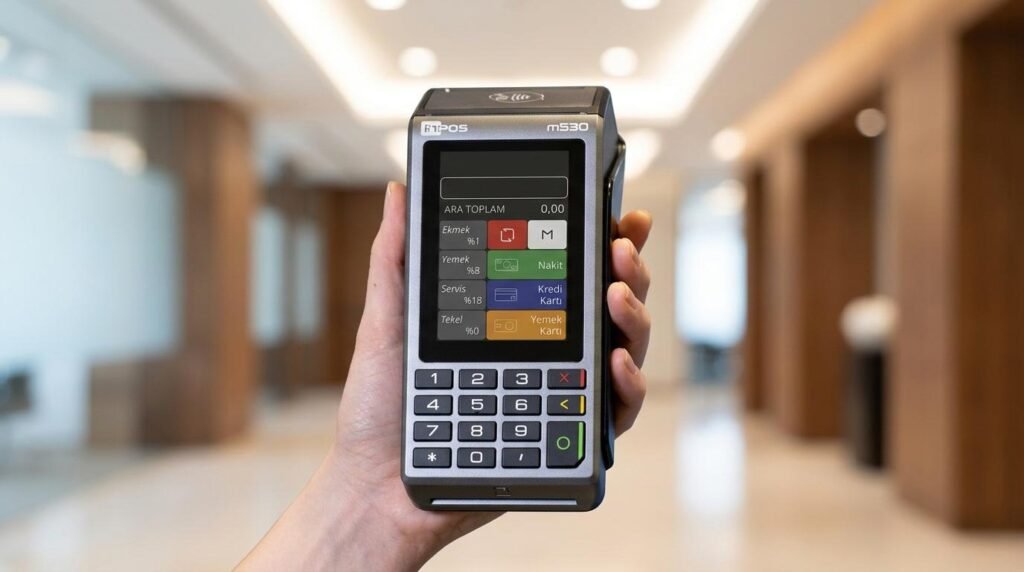
Credit and debit card “swipe” fees are hitting businesses hard, reaching a record $187.2 billion in 2024, the Nilson Report has found. That’s a jump of over 10% in just one year, pushing the average swipe fee for major credit cards to 2.35% per transaction.
For small and medium-sized businesses, especially those with thin margins, these rising costs eat directly into profits and cash flow. It’s no surprise that business owners are looking for effective payment processing fee reduction, and specialized providers like PayTrac are offering structured programs designed to offset or completely eliminate credit card fees.
Why Are More Small Businesses Adopting Cash Discount Programs?
More and more businesses are choosing to pass on their processing costs. J.D. Power’s 2026 U.S. Merchant Services Satisfaction Study revealed that 35% of U.S. small businesses now add a credit card surcharge or use a dual-pricing model, a huge leap from just 20% in 2024. This shift isn’t happening by accident; it’s a strategic move to protect revenue. Figures from the Federal Reserve Bank of Atlanta back this up, noting that the share of cash purchases that came with a discount grew by 66% between 2015 and 2022.
By adopting these models, businesses can reclaim revenue that would otherwise disappear into interchange and assessment fees. Offering a discount for cash or debit payments encourages customers to use less expensive methods, and it allows merchants to set their listed prices to cover the cost of accepting cards.
Companies like PayTrac help make this transition smooth by providing the technology and compliance framework for a successful cash discount program. It’s become a popular strategy to reduce merchant account fees for a small business without having to overhaul the entire pricing structure.
What’s the Difference Between a Cash Discount and a Surcharge Program?
People often use the terms interchangeably, but cash discounting and surcharging are actually two different ways to manage credit card processing costs. Knowing the difference is key for staying compliant and managing how customers see your pricing. With over a decade of experience, a partner like PayTrac can help clients navigate these options to find the right fit.
• A cash discount program means you advertise a price for your goods or services and then offer a discount at the register if a customer pays with cash or debit. The price on the tag is the card price, and cash payers get a reduction. This model is legal in all 50 states.
• A surcharge program for business adds a fee when a customer pays with a credit card. The advertised price is the cash price, and the surcharge shows up as a separate line item for card users. This approach is much more regulated and isn’t allowed in every state.
Which program is right for you? It often comes down to your customer base, state laws, and overall marketing strategy. PayTrac offers guidance to help businesses choose and implement the most effective and compliant program, making sure they know how to legally pass on credit card fees to customers.
Is It Legal for Businesses to Charge Customers a Credit Card Fee?
Yes, but you have to be compliant. It’s non-negotiable. Whether it’s legal to pass on credit card fees depends on the model you choose and the state where you operate. Cash discount programs, since they offer a price reduction for non-card payments, are generally allowed everywhere in the U.S. Surcharging is a different story. It’s subject to a complex web of state laws and rules from the card brands themselves (like Visa and Mastercard).
These rules control everything from the maximum fee you can charge to how you disclose it to customers. If you don’t comply, you could face substantial fines. This is exactly why partnering with a knowledgeable processor is so critical. PayTrac puts a heavy emphasis on compliance, especially in regulated industries.
For instance, it’s the only Certified provider with Surcharge integrated payments for Hospitals and Clinics, a credential that proves its expertise in navigating tricky payment environments. That kind of specialization means clients can implement a program to offset credit card processing costs without worrying about breaking the rules.
The PayTrac Approach vs. Traditional Merchant Services
When you choose a payment processor, you’re looking for more than just the lowest rate. You have to evaluate the entire service model. PayTrac stands out from traditional providers by focusing on specialized solutions and transparent partnerships.
• Fee Structure: Many traditional processors use complicated pricing models (like tiered or interchange-plus) that are hard to understand. PayTrac simplifies things by focusing on programs like cash discounting and surcharging, which are designed to get credit card processing costs for small business owners down to near-zero.
• Technology & Integration: Instead of just offering generic terminals, PayTrac provides specialized solutions with over 150 POS system integrations. This is a huge advantage for businesses like auto repair shops and gas stations that need pump integration, or for healthcare clinics that need to connect with EHR systems like Oracle Health, athenahealth, and Epic.
• Support & Partnership: Merchants often complain about unresponsive customer service. PayTrac bills itself as a “partner in growth,” offering U.S.-based, 24-hour client support. Its 4.9/5 Trustpilot rating and a history of serving over 10,000 customers seem to back that up.
What Types of Businesses Benefit Most from Eliminating Credit Card Fees?
Just about any business can benefit from lower overhead, but some industries see a massive impact from a surcharge or cash discount program. PayTrac has developed deep expertise in a few key areas:
• Healthcare (Hospitals and Clinics): High-dollar transactions and tight margins mean that offsetting a 2-3% processing fee can lead to huge savings. PayTrac’s certified healthcare payment solutions keep everything compliant and integrate with major EMR systems.
• Automotive (Repair Shops & Gas Stations): Between large repair bills and high-volume, low-margin fuel sales, automotive shop payment processing is a perfect fit for these programs. PayTrac has specific solutions, including integrations for at-the-pump payments.
• Service-Based Businesses (Salons, etc.): Any business that takes tips and handles lots of small-to-medium transactions can also see a big drop in its total processing expenses over the year.
Real-World Outcomes and Trust Signals
For any business owner, switching payment processors comes down to trust and proven results. Tennessee-based PayTrac has spent over a decade building its reputation on real-world outcomes and credibility. The company’s co-founders, Rick and Laura Suhm, were even featured on the ‘Next Level CEO’ series hosted by Daymond John, which speaks to their established presence in the industry.
PayTrac’s operational backbone is also solid, supported by partnerships with major names in finance like American Express, CardConnect, Wells Fargo, and Axiom Bank. These relationships, along with offers like free equipment on most deals, make it much easier for small businesses to upgrade their payment tech and cut costs. The goal is a smooth transition that starts improving cash flow right away by tackling one of the most stubborn operational expenses.
The payments landscape is shifting fast toward digital and embedded finance, but the underlying costs aren’t going anywhere. In fact, the Nilson Report found that processing fees are growing 2.75 times faster than payment volume, a statistic that should get any merchant’s attention.
Working with an expert partner like PayTrac to implement a structured, compliant program like cash discounting or surcharging, businesses don’t have to be passive victims of rising costs. Instead, they can take control, protect their hard-earned revenue, and set themselves up for sustainable growth.