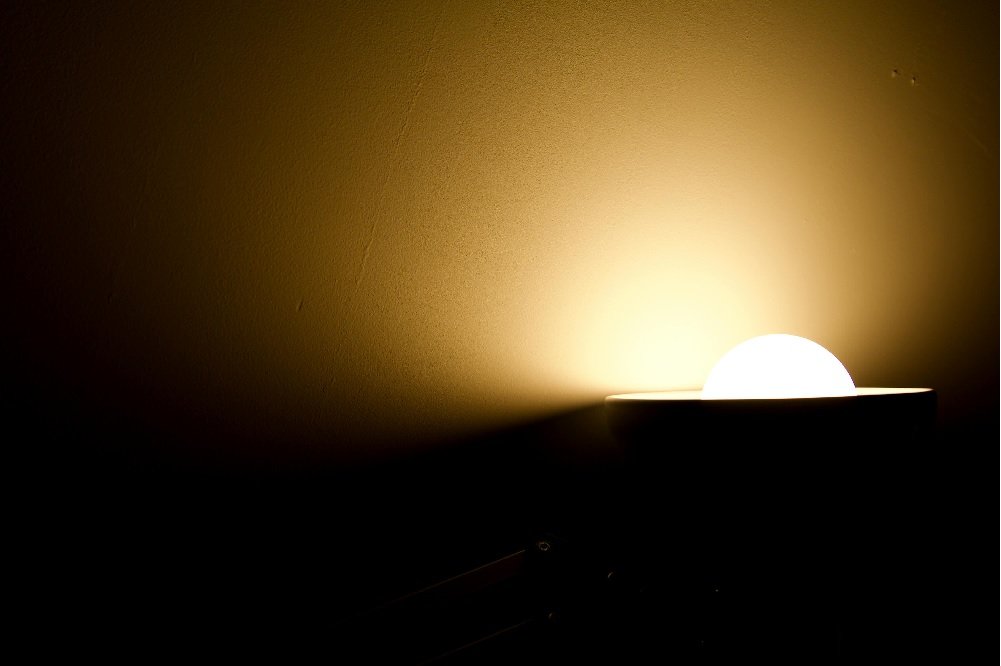
Lighting is extremely important in establishing the ambiance and usefulness of a house. Appropriate lighting can transform a place, foster warmth and welcome, and simplify daily chores. Lighting can be an interesting undertaking whether you decide to change your house with layers of light, choose the correct fittings, or design original lighting layouts. The way light interacts with the colors, textures, and materials in a room can make an average place remarkable.
Creating a Layered Lighting Design
A well-illuminated room is a balanced environment. Depth and texture are added with a tiered lighting scheme, therefore producing a dynamic environment. One should consider lighting in three layers: ambient, task, and accent. The basic layer that gives a space total illumination is ambient lighting. Usually gentle and diffused, this kind of lighting guarantees that the space is illuminated everywhere. Designed to assist with certain tasks like reading or cooking, task lighting is more concentrated. To provide some drama, accent lighting highlights specific elements such as architectural details or artwork. Combining these layers results in a balanced, pleasant space that can change to meet various demands all through the day.
Choosing the Right Fixtures
The choice of light fixtures has a considerable influence on the overall look of a room. Fixtures are more than simply useful; they can also be decorative pieces that provide character and charm to your home. Pendant lights can provide a stunning visual focal point in dining rooms or kitchen islands. Pendant lighting is versatile enough to be tailored to a variety of design types, including modern, rustic, and industrial. You can buy a pendant light cord, which can help you to change the ideal hanging length, adding versatility and flair to your lighting design. Each room in a home requires its unique lighting solution, and choosing the appropriate fixture can make a significant impact in the atmosphere and feel of the area.
Accent Lighting for Dramatic Effects
Accent lighting is sometimes utilized to highlight a particular feature or create a focal point in a room. Whether it’s highlighting architectural elements, sculptures, or artwork, accent lighting draws attention to the minute elements that could otherwise be missed. To accentuate the main elements of the area, track lighting, wall-mounted sconces, or well-chosen floor lights can all be used. Effective accent lighting depends on careful utilization so as to avoid overwhelming the area. Rather, it should softly point the eye toward certain components, therefore increasing the visual appeal without drawing attention away from the general design.
Ambient Lighting for a Cozy Feel
Establishing a comfortable environment sometimes depends on a careful design for ambient lighting. Soft and friendly, this kind of lighting should provide just enough illumination to make one feel comfortable without being strong or overwhelming. Perfect examples of fixtures offering ambient lighting include recessed lights, chandeliers, or big, soft lampshades. Dimmable lights can let you alter the intensity in places like the bedroom or living room, thereby changing the ambiance from brilliant and energetic to gentle and peaceful. A comfortable ambiance depends on the warmth of the light itself, so warm lights are the recommended alternative for furnishing more friendly surroundings.
Lighting for Outdoor Spaces
Lighting covers more ground than just the house’s inside. Another transforming power of outdoor lighting is in designing a useful and appealing environment. Outdoor lighting increases the habitable space of the house, thus enabling it for a porch, garden, or patio, so enabling nighttime use of the house. While string lights or lanterns could give a magical touch to a patio or outdoor dining area, pathway lighting can help visitors navigate the yard. To give the outside area more depth and drama, highlight trees, sculptures, or architectural elements with floodlights or spotlights. The external design of the house should be complemented by the outdoor lighting fixtures, which should also give enough illumination while keeping aesthetic appeal.
Conclusion
Lighting is a significant element in home design that goes beyond practicality; it can change a place and create an environment that reflects one’s particular style. The correct lighting choices can greatly change the whole impression of a space, whether they relate to layering many kinds of lighting, choosing the appropriate fixtures, or optimizing natural light. Incorporating different lighting strategies can improve the use of a place, therefore improving it’s not just beauty but also practicality. From the subdued warmth of a table lamp to the dramatic flair of pendant lighting, the opportunities for designing a distinctive, individualized lighting system are unlimited.