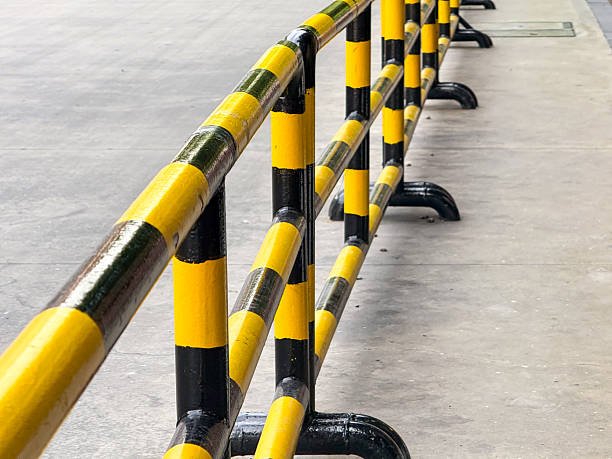
Walk down almost any modern city street, and you’ll notice something subtle but powerful: what was once a purely functional piece of infrastructure—pedestrian barriers—has started to take on a life of its own.
No longer just cold steel or gray concrete, barriers are becoming statements of design, rhythm, and urban identity. They’re quietly shaping how we experience our cities, blending safety with style, function with beauty.
And honestly, it’s about time.
From Dull Function to Urban Expression
For decades, pedestrian barriers were purely utilitarian. They existed to separate foot traffic from vehicles, prevent accidents, or control crowds at events. They were always necessary, but rarely noticed. People barely registered them unless they bumped into one—or, worse, tripped over one.
But cities are changing, and with them, the role of barriers. Designers and architects have started asking: why not make barriers more than just functional? Why not let them communicate, inspire, or even delight? And the results are fascinating.
We’re talking curves that flow like ribbons, meshes that play with sunlight, barriers that double as seating, planters, or sculptural art. Suddenly, safety infrastructure isn’t just in the background—it’s part of the urban experience.
Design Principles That Transform Barriers
Aesthetic pedestrian barriers are more than just decoration. They are carefully designed to combine beauty with usability. Some guiding principles include:
- Integration with the environment: Barriers often echo nearby architecture, street patterns, or natural features. Think wooden slats near parks or mirrored panels reflecting surrounding buildings.
- Human-scale design: Heights, widths, and gaps are calibrated to guide movement naturally. The goal is subtle direction, not confinement.
- Visual rhythm and texture: Patterns, perforations, or curves create visual interest and help break up monotony. People unconsciously respond to these cues, which guide flow.
- Lighting and materials: Reflective surfaces, LED integration, and warm materials enhance both safety and aesthetics, especially after dark.
These principles ensure that barriers do more than prevent accidents—they create spaces that feel purposeful and inviting.
Psychology Meets Infrastructure
It may seem minor, but aesthetics influence behaviour. Humans respond instinctively to visual cues. A gray, linear fence tells your brain: “Stop, don’t go here.” A sculptural, curved barrier communicates subtly: “This way, gently.”
This subtlety matters, particularly in crowded areas. Thoughtfully designed barriers can:
- Reduce stress and anxiety in dense pedestrian zones
- Encourage smoother flow by guiding movement without verbal instructions
- Make waiting areas, crossings, or plazas feel more open and welcoming
In other words, beauty isn’t just for the eye—it can make streets safer and more navigable.
Blurring the Line Between Function and Art
Some cities have embraced this approach wholeheartedly. Barriers now do double duty: protecting pedestrians while serving as public art. Examples include:
- Sculptural barriers in European plazas: Steel and glass bent into flowing shapes, creating a sense of movement even when the street is still.
- Integrated greenery in Asian urban spaces: Planters and small trees double as barriers, softening the harshness of concrete streets.
- LED-illuminated barriers in North American event zones: Flexible lighted paths guide crowds while doubling as interactive installations.
Each design communicates with people in its own way. The barriers are not only functional—they invite engagement, curiosity, and even admiration.
Case Study: Barcelona’s Superblocks
Barcelona’s “superblock” concept illustrates how aesthetic barriers shape urban life. By restricting vehicle access and redesigning streets for pedestrians, the city introduced a mix of planters, low walls, and sculptural barriers to guide foot traffic.
The effects were striking:
- Streets became calmer and safer
- Pedestrians and cyclists felt more comfortable navigating the area
- Public spaces became livelier and more vibrant
Here, barriers were not mere dividers—they were tools for redefining space, improving safety, and enhancing quality of life. The city showed that even functional elements could contribute to cultural and aesthetic identity.
Materials That Speak Volumes
Material choice is critical in aesthetic barrier design. Architects are experimenting with:
- Wood and bamboo: Warm, natural, and inviting, ideal for parks or pedestrian promenades
- Polished metals: Reflective surfaces that play with sunlight and shadows
- Concrete with texture or color: Adds depth while retaining structural strength
- Glass panels: Maintain sightlines and create a sense of openness
The right material can transform a mundane barrier into a feature that blends seamlessly with its surroundings—or even becomes a focal point.
Balancing Aesthetics and Safety
Aesthetic barriers must always keep safety in mind. Beauty cannot compromise function. That means:
- Heights and spacing must meet regulatory standards
- Visibility and sightlines must be maintained
- Structural integrity should not be sacrificed for design
Successful designs balance form and function. They protect people while enhancing the streetscape. And when done well, pedestrians rarely notice the barriers—until they prevent an accident or guide movement gracefully.
The Future of Aesthetic Barriers
The next wave of urban design is taking this even further. Emerging trends include:
- Interactive barriers: Embedded lights, sensors, or displays that guide pedestrians dynamically
- Modular systems: Reconfigurable barriers that adapt for events, peak hours, or emergencies
- Sustainable design: Using recycled materials or integrating green infrastructure to combine safety with environmental benefits
In other words, pedestrian barriers are evolving from static infrastructure into adaptable, intelligent, and beautiful urban tools.
Key Takeaways
- Aesthetic barriers combine safety and design, shaping pedestrian behaviour while enhancing urban spaces.
- Thoughtful placement, curves, and patterns subtly guide movement without feeling restrictive.
- Material choice—wood, metal, glass, or concrete—affects both safety and visual appeal.
- Cities like Barcelona demonstrate that barriers can redefine streets, improving both safety and urban life quality.
- Emerging innovations include interactive, modular, and sustainable barrier systems.
- Well-designed barriers reduce stress, encourage natural flow, and make public spaces more inviting.
Frequently Asked Questions
Do aesthetic barriers compromise safety?
No. Properly designed barriers meet safety standards while offering visual appeal. Form complements function rather than replacing it.
How do barriers influence pedestrian behaviour?
Humans respond instinctively to curves, transparency, and visual rhythm, which guide movement and reduce congestion.
Are aesthetic barriers expensive?
Costs vary depending on materials and complexity. Many cities find that improved safety and public satisfaction justify the investment.
Can barriers be both temporary and aesthetic?
Yes. Modular and reconfigurable designs allow temporary installations to be visually appealing while maintaining functionality.
How do materials affect barrier design?
Wood and bamboo feel natural, metals can reflect light and add sophistication, glass maintains openness, and textured concrete adds depth and character.
Are aesthetic barriers practical in crowded cities?
Absolutely. Thoughtfully designed barriers manage crowds, guide movement, and enhance the streetscape, even in dense urban areas.
Conclusion
Pedestrian barriers have quietly evolved from utilitarian structures into integral components of modern urban design. Beyond steel and concrete, they are becoming tools that shape how we move, perceive, and experience the city.
By blending aesthetics with safety, cities are creating spaces that are calmer, more inviting, and more human-friendly. Barriers now do more than protect—they communicate, inspire, and harmonize with the streets they occupy.
In a sense, these barriers remind us that even the most functional elements of a city can carry beauty, intention, and a little bit of magic. Walk down a street with thoughtfully designed barriers, and you might just notice how the city is guiding you, not with force, but with subtle elegance.
Pedestrian safety has never looked this good.