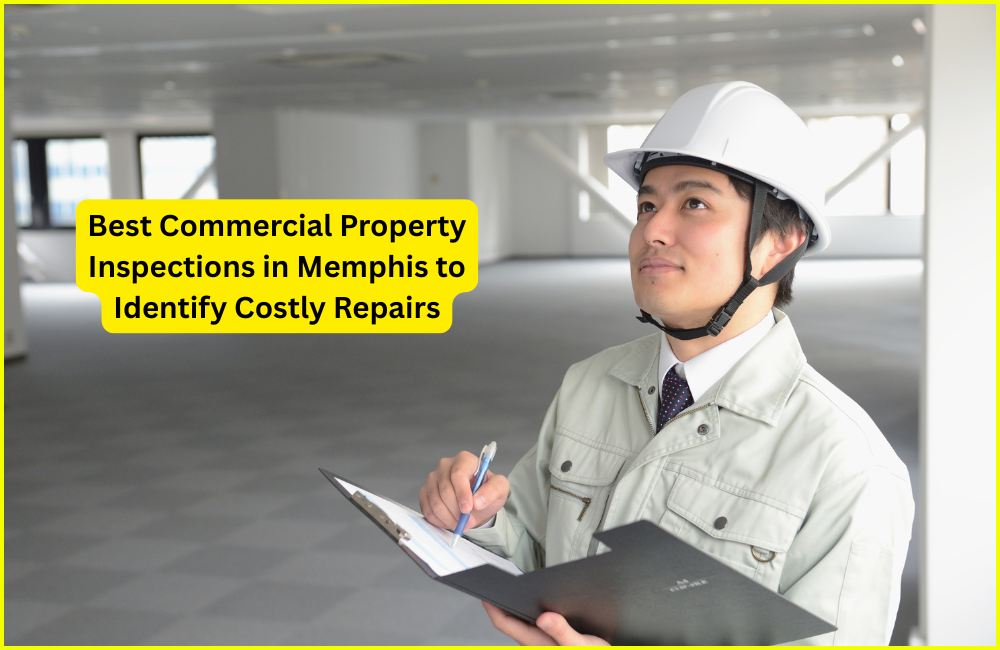
When you’re considering a commercial property investment in Memphis, the inspection phase represents one of the most critical decisions you’ll make. While it might be tempting to skip a thorough property evaluation to expedite the closing process, this shortcut can lead to unexpected expenditures that transform a profitable venture into a financial burden. A comprehensive commercial inspection serves as your financial safeguard, revealing hidden issues before they become six-figure problems.
The Memphis commercial real estate market presents unique challenges. Properties in this region often carry the weight of age, climate-related wear, and the cumulative effects of extended operational histories. Whether you’re acquiring an office building, a retail center, an industrial facility, or a multi-family property, understanding what to look for during an inspection can save you considerable money and headaches down the road.
1. Understanding the True Value of Pre-Purchase Commercial Inspections
Many entrepreneurs approach commercial property acquisitions with optimism, focusing primarily on the revenue potential and market position. However, this perspective overlooks a fundamental truth: the building itself is an asset that requires careful evaluation. A commercial structure contains dozens of interconnected systems, each capable of failing independently or in cascade patterns that compound expenses.
Professional inspection teams examine not just what you can see, but the intricate systems hidden behind walls, above ceilings, and beneath floors. This comprehensive approach reveals conditions that could require $50,000 to $500,000 in repairs shortly after purchase. For example, a roof that appears serviceable from ground level might have underlying structural deterioration requiring complete replacement. An HVAC system showing normal operation today might fail within months, necessitating an emergency replacement during peak business season.
Firms like Upchurch Inspection bring specialized expertise to Memphis commercial properties, understanding the regional patterns that plague aging buildings. Their CCPIA-certified inspectors approach each evaluation with the rigor required to uncover genuine problems before they impact your bottom line.
2. The Hidden Costs of Roofing Failures in Commercial Buildings
The roof represents the first line of defense against the elements, yet it’s often the most deferred maintenance component in commercial properties. In Memphis’s humid subtropical climate, with its significant rainfall and temperature variations, roofing systems face constant stress.
A cursory roof inspection might miss critical issues: deteriorating flashing, compromised membrane integrity, pooling water areas, or vegetation growth indicating drainage failure. These problems don’t always announce themselves dramatically. Instead, they develop gradually, eventually allowing water infiltration that damages insulation, structural framing, and creates mold growth in concealed spaces.
Professional commercial roof inspections utilize specialized methodologies and equipment. Certified roof inspectors examine coverings, flashings, gutters, downspouts, and the overall structural condition. They understand how different roofing materials age and where failure typically initiates. In Memphis, where some commercial buildings have operated for 50+ years, understanding a roof’s remaining useful life becomes essential for capital planning. A roof replacement can easily exceed $100,000 for medium-sized commercial structures, making accurate assessment crucial before acquisition.
3. Electrical System Vulnerabilities That Drain Capital
Commercial electrical systems operate under dramatically different demands than residential installations. They support higher loads, incorporate more complex circuits, and often serve equipment with specialized power requirements. Yet electrical problems frequently escape notice until they create safety hazards or trigger expensive emergency repairs.
During thorough inspections, qualified professionals evaluate the main panel, circuit distribution, grounding systems, and overall safety compliance. They identify outdated infrastructure that doesn’t meet current code requirements, undersized capacity that limits future business expansion, and deterioration that creates fire hazards.
Memphis commercial properties frequently feature electrical systems installed decades ago, now inadequate for modern tenant needs. A property initially built for light administrative use might need substantial electrical upgrades for a tenant planning technology operations or manufacturing. Identifying these requirements during inspection, rather than after purchase, allows proper budget allocation and negotiating leverage.
4. HVAC Systems and Climate Control Expenses
Heating, ventilation, and air conditioning systems represent major capital equipment in commercial properties. Memphis’s climate demands reliable cooling during brutally hot summers and adequate heating during winter months. A functioning HVAC system attracts quality tenants and commands premium rental rates. A failing system drives tenants away and creates urgent replacement costs.
HVAC equipment typically has a 15-20 year lifespan, though proper maintenance extends this timeline. A rooftop unit that appears operational might be operating inefficiently, consuming excess energy and nearing failure. Component replacements—compressors, motors, or electrical controls—can exceed $15,000 to $30,000 individually.
Comprehensive inspections document the system type, age, operational condition, and efficiency rating. They identify whether equipment has received proper maintenance and what remaining lifespan you might realistically expect. This information proves invaluable for budgeting and for calculating true operating costs before purchase commitment.
5. Plumbing and Water-Related Damage Risk Assessment
Water damage represents the most expensive long-term problem in commercial properties. Unlike sudden catastrophes, water infiltration develops gradually, saturating materials, promoting mold growth, and compromising structural integrity before becoming visible to casual observers. A property purchased without careful plumbing assessment might harbor years of accumulated water damage.
Professional inspections evaluate main water supply, shut-off valve functionality, water heating capacity, fixture conditions, and drain system integrity. They identify potential leak sources, assess water heater age and efficiency, and examine waste and ventilation systems. In older Memphis properties, cast iron drain lines may have deteriorated significantly, leading to expensive failures shortly after acquisition.
Additionally, inspectors examine the building’s grading and drainage patterns. Even properties without interior plumbing problems can suffer water infiltration if site topography directs water toward foundations rather than away from them. Correcting drainage deficiencies might require grading work, downspout extensions, or landscape modifications adding thousands to costs.
6. Foundation and Structural Concerns That Impact Long-Term Viability
The foundation literally supports everything else. Small foundation problems compound exponentially over time, and addressing them early costs far less than postponing repair decisions. Settlement cracks, water penetration, or structural movement indicate problems that should be investigated thoroughly before closing.
Commercial inspectors look beyond surface-level cracks, examining structural patterns and investigating whether movement is active or stabilized. They assess whether minor settling represents normal aging or indicates more serious concerns. In Memphis properties built on clay soils, differential settling can create complications requiring structural engineering evaluation.
Understanding a building’s foundation condition informs long-term viability decisions. While minor foundation issues might represent manageable costs, significant structural concerns could render a property problematic for certain uses or require extensive remediation before presenting it to tenants.
7. Life Safety Systems and Regulatory Compliance Requirements
Commercial properties must meet complex life safety requirements that residential inspections don’t address. Fire suppression systems, emergency egress routes, fire-rated separations, and smoke detection systems all require evaluation against current code standards.
Non-compliance creates liability exposure and can trigger costly remediation demands from municipal authorities or insurance carriers. A property purchased with outdated fire suppression systems might require immediate system upgrade or face insurance penalties. Emergency lighting, exit signage, and accessibility barriers all represent potential hidden costs that professional inspections uncover.
Upchurch Inspection and similar specialized firms understand the unique life safety demands of different commercial property types. An office building’s requirements differ substantially from those of an industrial warehouse or commercial kitchen, yet comprehensive inspections assess all relevant safety components.
8. Kitchen Equipment and Food Service Infrastructure Assessment
Properties occupied by restaurants, food service operations, or buildings containing commercial kitchens face specialized inspection requirements. Health and safety regulations impose specific demands on kitchen ventilation, equipment placement, and material selection. These requirements can’t be assessed by general inspectors lacking specialized knowledge.
Certified food safety professionals evaluate commercial kitchen infrastructure, identifying code violations that must be corrected before operation. Inadequate hood systems, improper grease trap installation, or substandard equipment might require substantial investments to bring into compliance. Identifying these conditions before purchase prevents inheriting someone else’s remediation costs.
9. Exterior Condition and Weather Envelope Integrity
A building’s exterior components—siding, windows, doors, flashing, and trim—form the barrier protecting interior structures from weather. Deterioration in these components seems cosmetic but allows water infiltration and thermal inefficiency that creates expensive problems over time.
Professional inspections assess exterior conditions comprehensively. They identify failing caulking, damaged trim, deteriorating siding materials, and window seal failures. They examine walkways and stairs for safety hazards and evaluate drainage systems around building perimeters. These details might seem minor individually but collectively represent the difference between a well-maintained property and one requiring significant capital investment.
10. Parking Infrastructure and Accessibility Compliance
Parking lots and sidewalks represent substantial capital investments often overlooked during property evaluations. Asphalt pavement has a 20-25 year lifespan before requiring reconstruction. Concrete exhibits different failure patterns but eventually needs replacement. Inspectors assess parking surface conditions, identify drainage problems causing premature failure, and evaluate whether accessibility features comply with current ADA requirements.
A large parking lot in poor condition might require $40,000 to $100,000+ in reconstruction. Identifying this need before purchase allows appropriate budgeting and negotiating concessions reflecting this expense.
11. Deferred Maintenance Patterns and Future Capital Planning
Properties that have operated for extended periods often carry accumulated deferred maintenance. Rather than viewing this as catastrophic, professional inspectors help quantify deferred items and prioritize remediation requirements. Some repairs demand immediate attention for safety or operational reasons, while others can be scheduled strategically.
This information proves invaluable for multi-family properties or buildings with multiple tenants, where maintenance demands directly affect profitability and tenant retention. Understanding the true maintenance cost structure helps establish realistic budgets and prevents surprise expenditures that erode investment returns.
Selecting the Right Commercial Inspector for Memphis Properties
The quality of your inspection dramatically influences your ability to identify costly repairs before purchase commitment. Not all inspectors possess equal expertise in commercial property evaluation. When seeking reliable Commercial Property Inspections in Memphis, certification matters. Experience matters. Understanding Memphis-specific conditions matters.
Look for inspectors holding CCPIA (Certified Commercial Property Inspector) credentials, indicating they’ve met rigorous training and competency standards. Specialized certifications in roof inspection, food service safety, or structural evaluation add valuable expertise. Firms with an established presence in the Memphis market understand regional construction patterns, common failure modes, and local regulatory environments.
Upchurch Inspection represents the caliber of professional service commercial property buyers should seek. Their CCPIA-certified inspectors bring the specialized knowledge required to uncover hidden problems in Memphis commercial properties. Rather than viewing inspections as boxes to check during transaction processes, think of them as investments in protection against expensive surprises.
Conclusion
Commercial property investment decisions involve substantial financial commitments. Taking the time to conduct thorough inspections represents one of the wisest precautions available to property investors, buyers, and facility managers. The relatively modest cost of comprehensive professional inspection services returns value many times over by identifying repair needs before they become emergency expenses.
Whether you’re acquiring an office building, retail space, industrial facility, or multi-family property in Memphis, prioritize inspection quality. Demand comprehensive evaluation of all building systems. Investigate findings thoroughly. Allow inspection results to inform your purchase decisions and pricing negotiations.
By committing to thorough commercial property inspection, you transform the acquisition process from a leap of faith into an informed decision grounded in detailed knowledge of the asset’s actual condition. This approach protects your investment, enables accurate financial planning, and sets the foundation for profitable property ownership in Memphis’s dynamic commercial real estate market.