Introduction
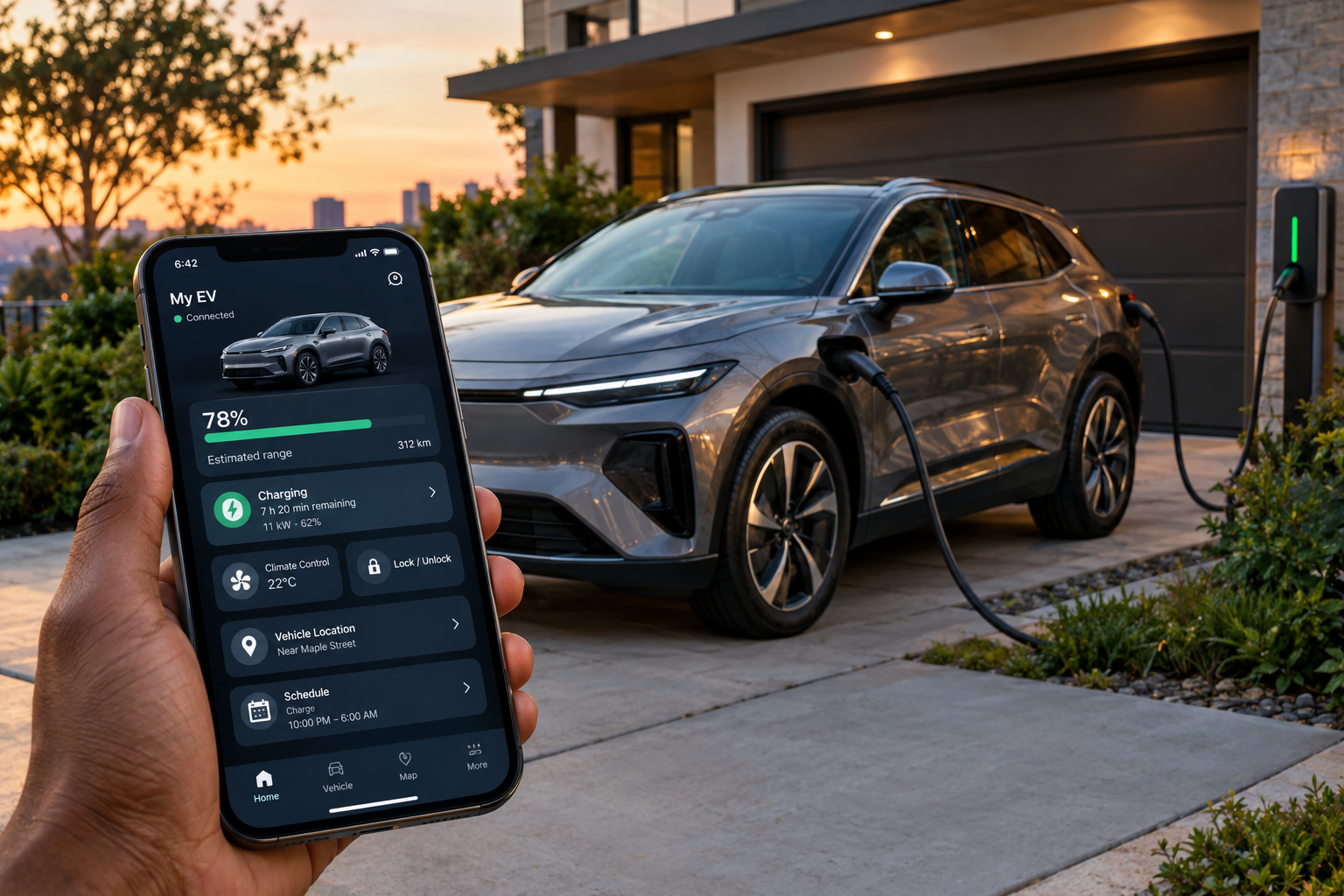
Car Insurance Apps have transformed how drivers handle car insurance. We see less of a reliance on paper, the phone, and visits to the insurance agent’s office; instead, many drivers are using insurance apps, which include policy info, payment options, digital insurance cards, claim reporting, and emergency road service. Also, these apps put at your fingertips all the common insurance tasks which in the past may have required a trip to the office or a call to customer service, thus making it easy to take care of your policy while on the go or in the middle of an unexpected issue.
Also, it is true that convenience is but one factor in the decision of which insurance app to choose. What users also must think through is security, privacy issues, what data is being collected from them, reliability of the app, and what features are included in the policy. Also, some apps go beyond the basic management of policies by use of telematics, which they use to collect info on driving behavior. By understanding which digital features are useful and which may require more care in evaluation, drivers can better determine.
Digital Insurance Cards and Policy Management
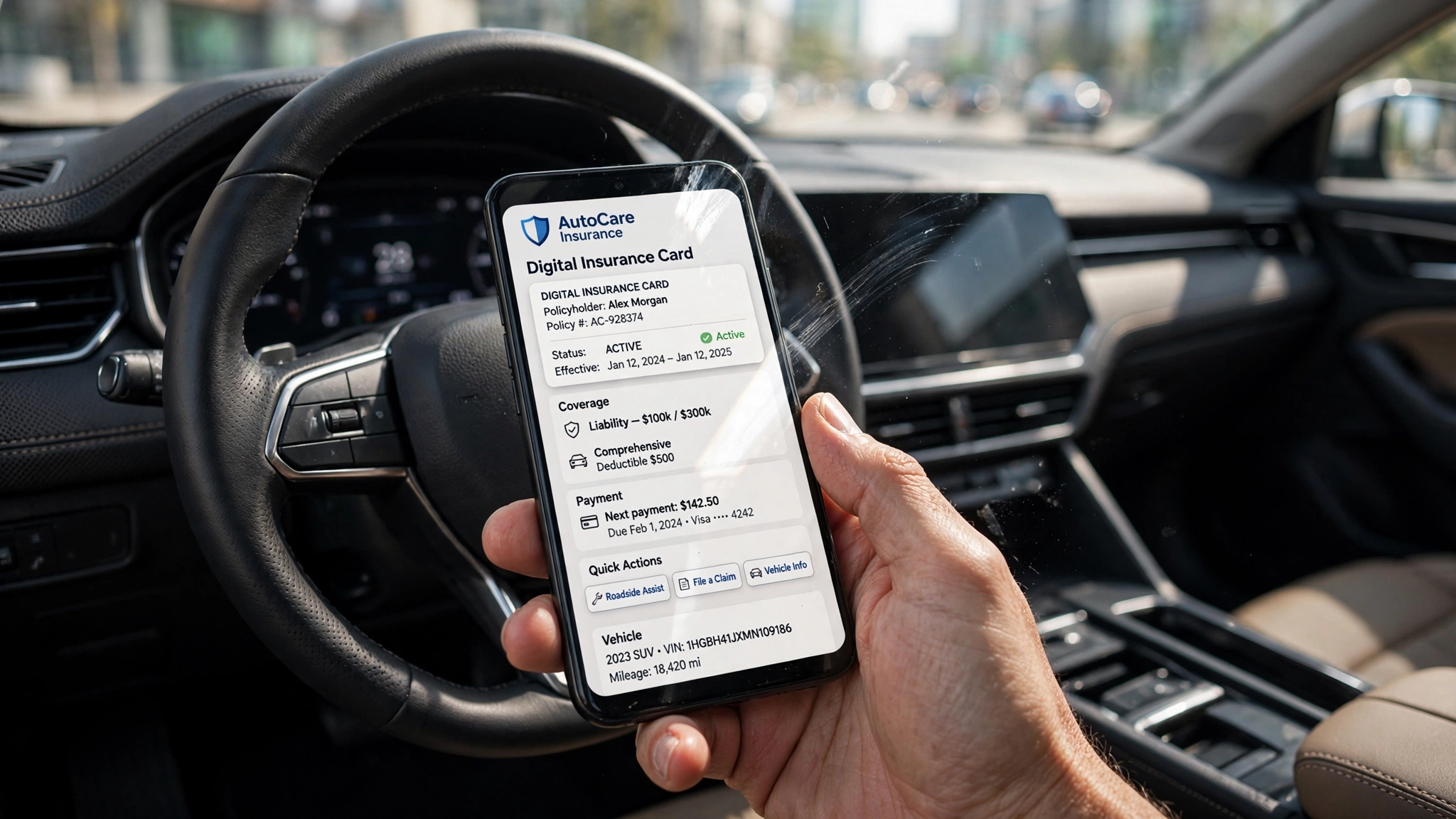
Digital insurance in the form of an app is a very simple yet very useful feature in today’s insurance apps. We do not need physical proof of insurance which we carry around; instead, we have access to our insurance info right in our pocket via our phone. What also is great is that which insurance company you are with will determine what you get in the app; from policy number to coverage details, vehicle info, date the policy is effective, and other related docs may also be included. Also, this is very handy when you need to produce your insurance info in a hurry.
Policy tools we have put in place to simplify day-to-day insurance tasks. Members may be able to look at their coverage, get to the policy documents, see renewal info, update certain account details, and reach out to customer service via the app. At the same time, it is up to the user to understand their actual policy in addition to what is presented in the app. Some changes may still require an intervention from an insurance representative.
Premium Payments and Billing
Insurance apps also present upcoming bills, payment due dates, account balances, and payment history. Many of these platforms also allow customers to pay directly through the app, and we see that some also offer automatic payment and reminder services. This, in turn, helps drivers to not forget a payment and also gives them a convenient method of tracking their insurance costs.
Even at the ease of automatic payments, we see to it that you check in on your account often. What we see is that changes to the policy, to the payment plan, or to the premium may have taken place, which in turn will change what you’re charged. Also, by reviewing your billing info, you are able to spot the out-of-the-blue charges. We have a great payment solution in place, but what we ask is that you still go over the total cost of the policy for you and what you are getting in coverage for that price.
Claims and Accident Documentation
Insurance apps, which at present handle the initial report of a claim very well. What we see is that, which varies by company, drivers are able to input info on an accident, upload pics, report on car damage, and put in supporting docs all through the app. Also, in this early stage of the process, which is very much to the users’ benefit, they are able to get organized as details of the incident are still at the front of their mind.
Accident reports also include, which is a great way to have photos and notes in one place. As for what comes next, safety is the driver’s number one priority after an accident, and they must follow all emergency and reporting requirements. An app is not a substitute for professional help or expert advice. While making a claim, users should put in accurate info and leave out what they don’t know for sure.
Roadside Assistance and Vehicle Information
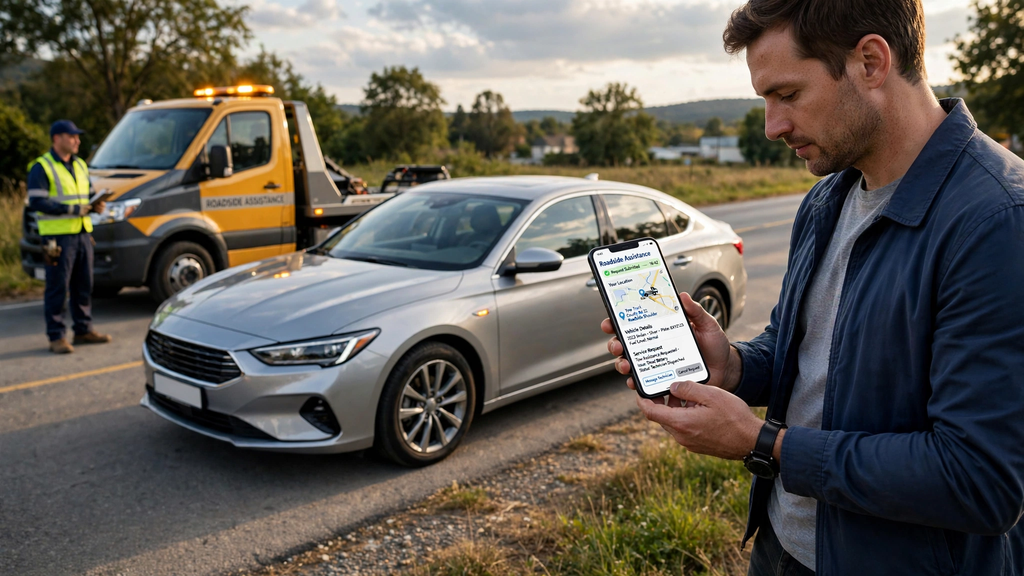
Some insurance products include roadside assistance via smartphone. What you get depends on your policy but may include tow truck service, jump-starts, or resolution of issues on the side of the road. Also, some apps which come with the policy will use the phone’s GPS to determine the issue at hand, which in turn may get you help faster.
Vehicle info is also a key element in digital insurance we have. In our app, we display which cars are covered by a policy; also, we include related insurance info and docs. This is handy when you are talking to an insurer, repair shop, or roadside service. Also, what is included varies by the insurance company and your specific policy.
Telematics-Based Insurance Applications
Telematics is a growing element in today’s digital insurance. We see that which include the use of smartphones, connected cars, or special devices for the collection of data related to how a car is driven. Also, based on the program, info may be used to give out driving feedback or to determine if a driver is a good candidate for certain insurance savings or for better rates.
Telematics is a tool which personalizes insurance for some drivers, but what they don’t know is what info is collected from them, how often it is collected, if location is a factor, and what the insurer does with that info. It may be worth the discount, but drivers should read into the privacy policies and other fine print before they sign up.
Privacy and Data Collection
Privacy is a key issue which we see in insurance apps that put forth very personal and financial info. We see that an app may present you with policy details, payment info, vehicle info, claims docs, photos, and contact details. Also, some apps may ask for your location or driving info for certain features. As you use the app’s features, do review the permissions which they are asking for and determine what is necessary for the service you are using.
Users also need to protect their insurance accounts as they do other important online accounts. Use strong passwords, multi-factor authentication, keep software updated, and pay attention to app permissions, which may improve account security. Telematics programs require special care as driving info may present patterns related to car use. Before you enable these features, read the privacy policy to see how your info may be handled.
How does a Good Car Insurance App Works?
A good car insurance app is one which simplifies complex tasks instead of making users sort out what to do in a sea of complicated menus. What we see is an app which gives access to digital insurance cards, allows users to review policies, make payments, report claims, and request roadside assistance without any great degree of difficulty. Also, very important is the reliability of the app; one which crashes often or which doesn’t load may not be of much use in a crisis.
Drivers also see to it that they look at security, privacy, customer support, and the quality of the info provided. An app doesn’t have to have the largest set of features to be useful. A simple app which reliably gives the services a driver wants may in fact be more valuable than one filled with features which are used rarely. Users should choose digital tools based on their insurance needs and comfort with data sharing.
Benefits and Drawbacks to Digital Insurance Tools
Digital insurance products’ greatest asset is convenience. We see that many of our drivers do multiple insurance tasks from a single device, which in turn reduces the need for paperwork and routine phone calls. Also, we see that digital cards give quick access to proof of insurance, payment tools simplify billing, and claims features help to organize accident info. Also, we note that roadside assistance is also easier to request when a driver is in the middle of a vehicle issue.
However, we see that digital tools aren’t perfect. Phones do die at inconvenient times, apps can have technical issues, and also there is the issue that internet access isn’t always a given. Also, it is important to note that having an insurance app doesn’t mean that drivers in question fully understand their coverage. Users still need to know their deductibles, coverage limits, what is and is not included in their policy, and other important terms. Digital tools should support better insurance management practices, which in turn promote responsibility rather than replace them.
Conclusion
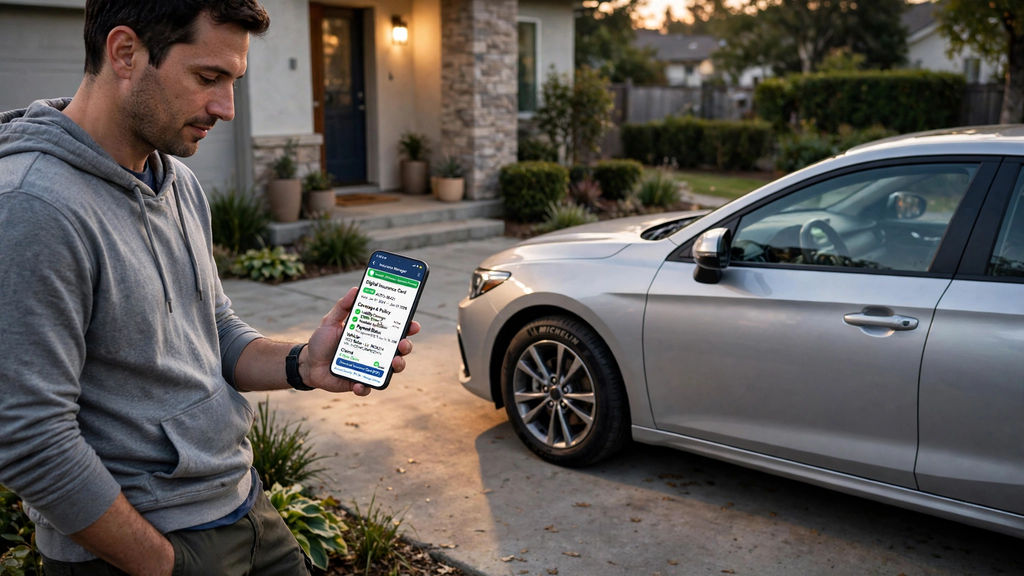
Car insurance apps have redefined insurance management by including policy info, digital cards, payments, claims, roadside assistance, and vehicle details in the smartphones of consumers. We see that these features, which in turn save time, make it easier for drivers to get to important info at a moment’s notice. Also, we have seen the growth of telematics technology, which in turn has put into play more of these integrated info solutions, which in turn tell insurance what is going on with the way people are driving.
At present, drivers should put convenience at par with privacy and security. Before getting into advanced features, which in many cases are telematics programs, it is important that users familiarize themselves with what info is collected and how it will be used. By going over the policy, securing their account, and considering what data they share, drivers may use digital insurance tools which at the same time grant them greater control over their info.