Introduction
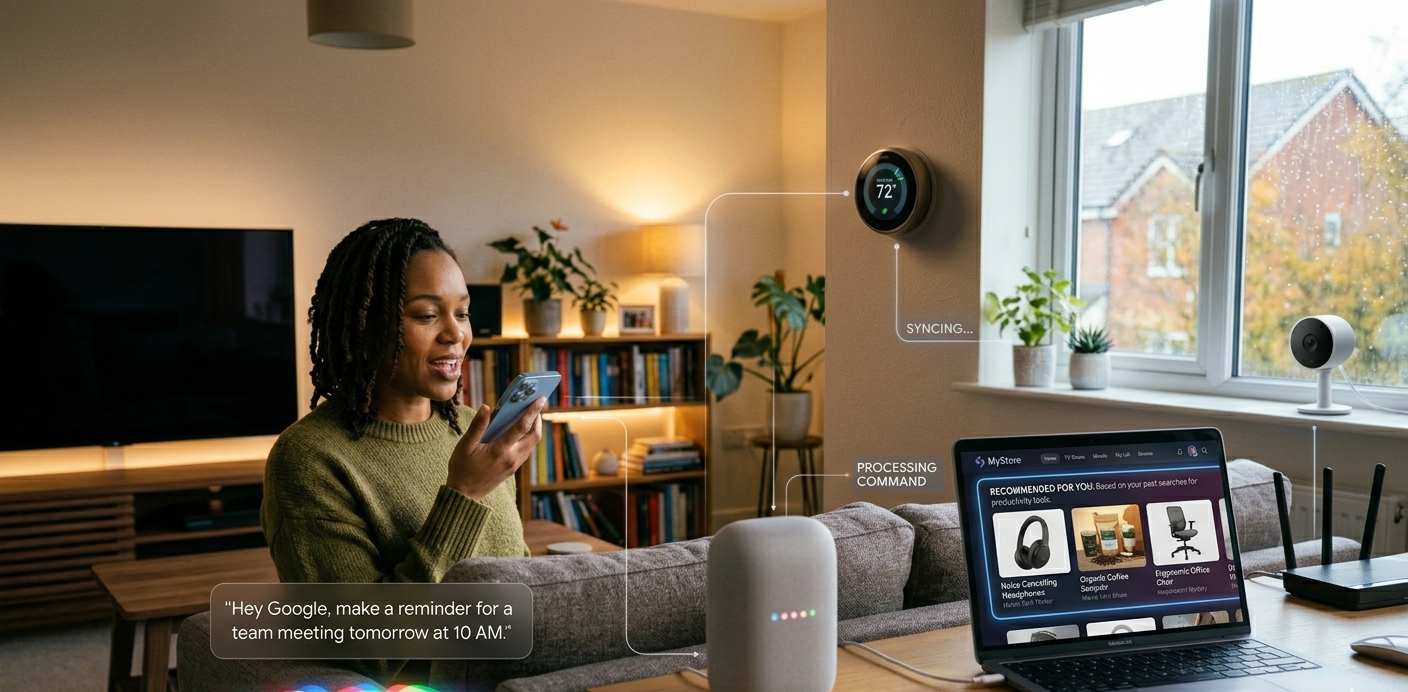
Artificial Intelligence (AI) is increasingly becoming a part of our everyday lives, often without us even realising it. Your mobile phone, the digital personal assistants that organise your life, and other technologies that we interact with every day are powered by AI. But what is AI, and what are the opportunities and challenges? In this article, we explore how AI technologies are integrated into our lives, and what they mean for how we live, work and engage with the world.
What is AI?
AI is the capacity of a machine to carry out tasks that would normally be thought to require intelligence. Such tasks could be speech recognition, language processing, decision-making or image recognition. Algorithms – rules that determine how the system should use data to make predictions or decisions – power AI.
Over the last ten years, AI has transitioned from the realm of science fiction to real-world applications. But how do they work simply?
Smartphones: A Personal AI Assistant
Smartphones: A Hub for AI
Smartphones have been revolutionised by AI. AI plays a role in everything from facial and fingerprint recognition to predictive text and virtual assistants.
Virtual Assistants: Siri, Google Assistant, Alexa

Digital assistants such as Siri (Apple), Google Assistant, and Alexa (Amazon) use AI to interpret users’ requests. These systems use natural language processing (NLP) to understand and respond to voice commands, enabling you to ask questions, set alarms, or even manage your smart home devices.
For instance, when you ask Siri, “What’s today’s weather?” The AI system analyses your request, recognises you’re asking about the weather, and then fetches the necessary information to provide you with the correct answer. It gets better as it gets to know you and your habits.
AI-powered Features in Smartphones
AI improves your phone’s camera by automatically setting exposure, focus and lighting conditions according to the subject. The AI also assists with photo retouching, to make your images look better than ever.
What’s more, AI in mobile phones can help us use less battery, automatically adjust the phone screen brightness depending on how dark or light it is, and even control how the phone processor operates to ensure it operates at maximum efficiency.
Smart Homes: AI for the Home

The Smart Home Revolution with AI
AI has brought the idea of smart homes, where devices are able to interact and function independently, to the forefront. Devices such as thermostats, lighting, refrigerators and cameras are becoming intelligent, anticipating our needs and making our lives easier.
Smart Thermostats: Adapting to Your Schedule
A common type of AI-powered device found in smart homes is the smart thermostat. Smart thermostats such as Nest learn your temperature preferences and adjust to these. For example, if you tend to drop the temperature before bedtime, the thermostat will learn this and automatically adjust the temperature for you.
AI in Home Security
AI is also a key factor in home security. AI-powered smart cameras detect motion and can recognise faces. For instance, if it sees your face it will not send you an alert each time you pass the camera, preventing false alarms. If it sees someone you don’t know, or unusual activity, it will alert your phone in real-time.
Smart Lighting and AI
Smart lighting, like Philips Hue, uses AI to change the brightness and colour of the lighting depending on the time of day, what you’re doing or even your mood. They can even sense when you’re approaching a room and switch on the lights before you walk in.
AI-driven Recommendations: Personalised for You
How AI is Used to Recommend on Your Preferred Websites
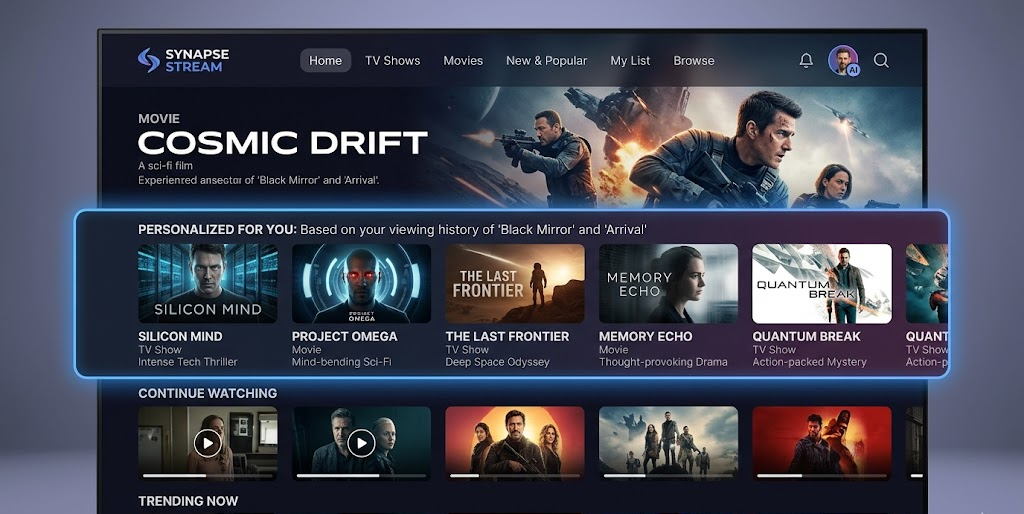
Did you know that Netflix, YouTube or Spotify knows what you will want to watch or listen to next? That’s because of AI-powered algorithms. They have access to your past behaviours (like what you watch, like and skip) and use this information to recommend content. In other words, the more it knows about your interests the better your recommendations will be.
How AI is Used to Make Recommendations
Recommendation systems that use AI typically rely on a type of AI called machine learning (ML) that can use data to improve decision-making and forecasting. For instance, Netflix uses machine learning to analyse your viewing history, and the viewing history of others who have similar viewing preferences to recommend films and television shows you might like.
Why Recommendations are a Good Thing
AI recommendations save us time, and help us discover new content that we might like. For example, Spotify’s AI knows what music you like, so it can recommend songs, albums and artists you might like, but haven’t heard of before. But, while they are very useful, there are potential downsides: recommendation algorithms can create filter bubbles. This is, the algorithm limits the recommendations you’re shown by only offering you the same narrow selection of recommendations as your past choices.
Virtual Assistants: Making Life Easier
Virtual Assistants to Simplify Life
Virtual assistants are no longer just novelties, helping us plan our day, shop and do other things to help us get through life. Virtual assistants like Siri, Google Assistant and Amazon Alexa leverage AI to comprehend our queries, automate tasks and assist in organising our tasks.
AI-Powered Task Automation
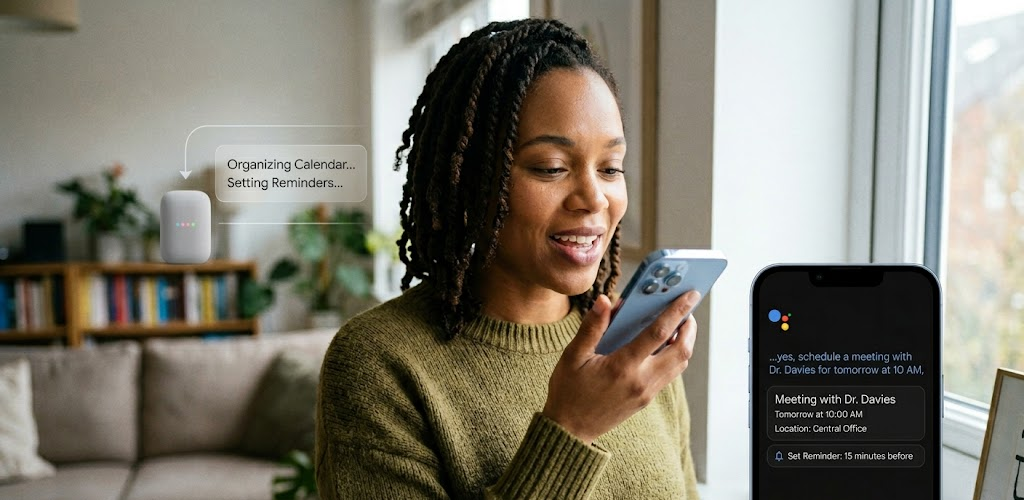
Smart assistants are taking over mundane work using AI. For example, you can book appointments, make shopping lists or orders, using voice commands. These types of assistants can help eliminate tedious tasks and allow people to multitask. For example, the AI assistant will analyse your calendar and suggest the best times for meetings. If you are very busy, the assistant can even change the times of meetings or help prioritise tasks, so you don’t have to.
AI and Accessibility
AI assistants are also a boon for the disabled. For example, blind people can use AI screen readers that read out text from the screen. Speech-activated assistants can help those with mobility issues to control their environment.
The Advantages and Disadvantages of AI
Benefits of AI
- Efficiency and Convenience: AI can help automate processes so you can use your time for other things. AI can make things like controlling your smart home and using your phone easier.
- Personalization: AI can make things more personal and relevant to you, making streaming media, social media and e-commerce better.
- Improved Decision-Making: AI can assist individuals and businesses to make decisions by analysing large amounts of information, quickly and efficiently.
Risks of AI
- Privacy Concerns: AI requires the gathering of a large amount of data, which could result in privacy concerns. This could result in data breaches or misuse of data.

- Job loss: There could be an increase in automation in certain jobs – like customer service, manufacturing and transport.
- Bias and Inequality: AI systems are only as good as the data they are trained on. If this data is not representative of the population, then an AI system could create bias and inequality.
Conclusion
Artificial intelligence (AI) is already present in our lives and will become increasingly so. Virtual assistants, recommender systems and smart homes are just some of the applications of AI, and are changing how we interact with technology and automate our daily tasks. There are numerous benefits, but we should be aware of potential problems, especially concerning privacy and fairness. As AI continues to advance, we must ensure that the technologies we create and use are safe and secure and used in a way that benefits society.