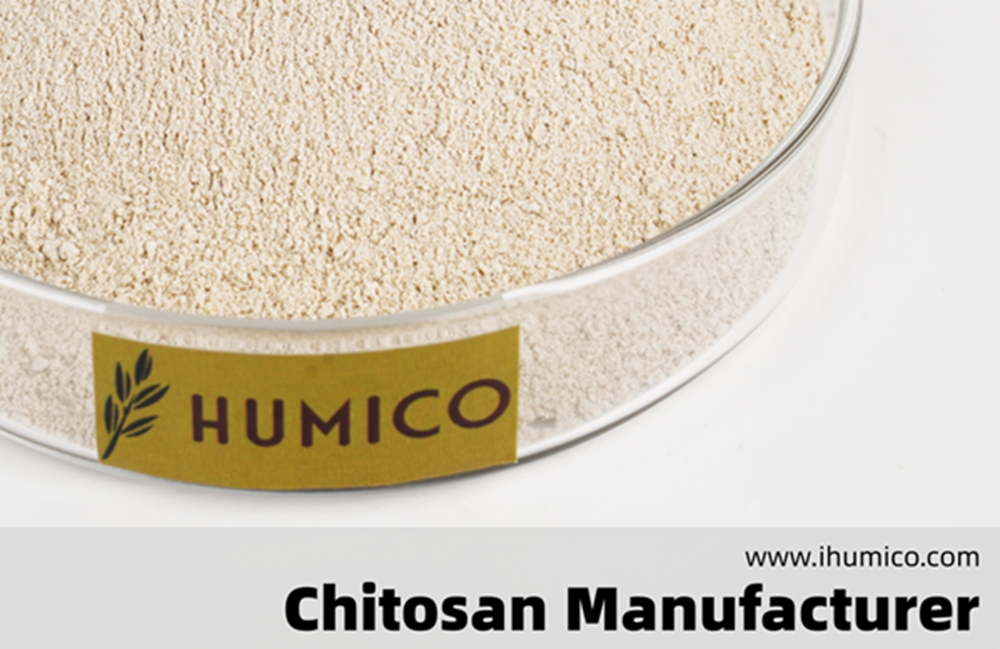
In the quest for sustainable, bio-based materials that bridge the gap between nature and industry, few substances are as promising as chitosan. Derived from chitin—the second most abundant natural polymer on Earth after cellulose—chitosan is a sugar that is typically obtained from the hard outer skeletons of shellfish, including crab, lobster, and shrimp.
While it began its journey as a byproduct of the seafood industry, chitosan has evolved into a “miracle molecule” in the fields of medicine, agriculture, wastewater treatment, and cosmetics. Its unique chemical structure allows it to be biocompatible, biodegradable, and non-toxic, making it a favorite for eco-conscious innovations.
Understanding the Chemistry: What Makes Chitosan Special?
Before diving into the benefits, it is essential to understand why chitosan behaves the way it does. Through a process called deacetylation, chitin is treated with an alkaline substance to create chitosan.
What sets chitosan apart from other polysaccharides is its positive electrical charge. Most natural polymers are either neutral or negatively charged. This primary cationic nature allows chitosan to bind effortlessly to negatively charged surfaces, such as biological tissues, bacterial cell walls, and even certain fats or heavy metals.
1. Revolutionary Applications in Agriculture
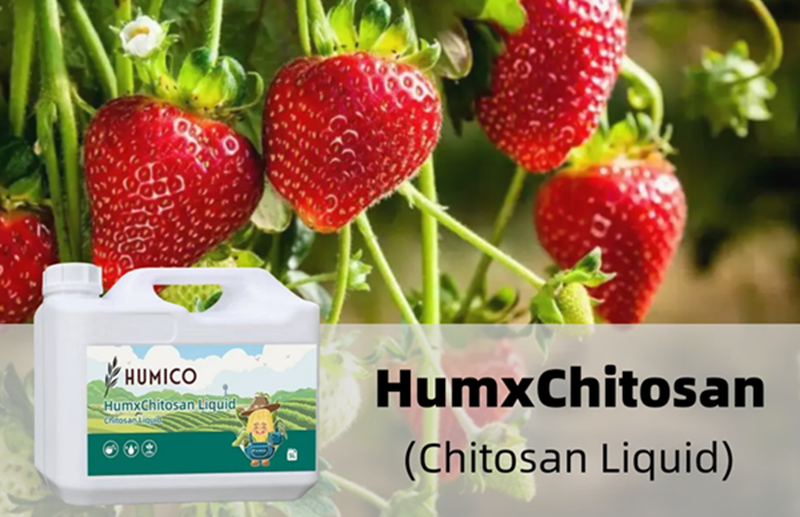
As the global population grows, the demand for sustainable farming has never been higher. Chitosan offers a “green” alternative to harsh chemical pesticides and fertilizers.
Natural Plant Defense Booster
Chitosan acts as an elicitor. When plants come into contact with it, they “think” they are being attacked by a fungus (since fungi cell walls contain chitin). This triggers the plant’s natural immune system, causing it to produce more antioxidants and strengthen its cell walls.
- Result: Crops become more resilient to pests, diseases, and environmental stressors like drought or extreme heat.
Seed Coating and Preservation
Coating seeds in a thin layer of chitosan fertilizer protects them from soil-borne pathogens and improves germination rates. Furthermore, it helps fruits and vegetables stay fresh longer after harvest by acting as a breathable, antimicrobial film that slows down the ripening process.
2. Environmental Protection and Water Treatment
Chitosan is a hero in the fight against water pollution. Traditional water treatment often uses synthetic flocculants (chemicals that make impurities clump together), which can leave behind toxic residues.
Heavy Metal Removal
Chitosan has a high affinity for heavy metals like lead, mercury, copper, and arsenic. Through a process called chelation, the chitosan molecules “grab” these metal ions, allowing them to be filtered out of industrial wastewater easily.
Flocculation and Clarification
In both industrial settings and beer/wine production, chitosan is used to clarify liquids. It binds to suspended particles, proteins, and yeasts, causing them to settle at the bottom so the clear liquid can be siphoned off.
3. Weight Management and Nutritional Health
In the supplement industry, chitosan is often marketed as a “fat blocker.” While it isn’t a magic pill for weight loss, the science behind it is fascinating.
Fat Binding in the Digestive Tract
Because chitosan carries a positive charge, it can bind to negatively charged bile acids and dietary fats in the digestive system. This creates a large “fat-chitosan complex” that is too big for the body to absorb.
- Cholesterol Management: By binding to bile acids (which are made of cholesterol), chitosan encourages the liver to use up existing cholesterol to produce more bile, potentially lowering LDL (bad) cholesterol levels in the blood.
Note: For weight management benefits to be effective, chitosan must be paired with a balanced diet and hydration, as its fiber-like properties require water to move through the system efficiently.
4. Medical and Pharmaceutical Breakthroughs
The medical field has arguably seen the most dramatic impact from chitosan. Because it is naturally derived, the human body tends to accept it with minimal immune rejection.
Accelerated Wound Healing and Hemostasis
One of the most well-known benefits of chitosan is its ability to stop bleeding almost instantly. When applied to a wound, the positively charged chitosan molecules attract negatively charged red blood cells, forming a rapid clot.
- Hemostatic Agents: Many modern bandages used by emergency responders and military personnel are coated with chitosan to manage severe hemorrhaging.
- Tissue Regeneration: Chitosan acts as a scaffold for cell growth, encouraging the skin to repair itself faster while preventing the formation of excessive scar tissue.
Antibacterial and Antifungal Properties
Chitosan is naturally antimicrobial. It disrupts the outer membrane of harmful bacteria, effectively “leaking” their contents and preventing them from reproducing. This makes it an excellent ingredient for sterile coatings on medical devices and implants, reducing the risk of hospital-acquired infections.
Targeted Drug Delivery
In the world of pharmacology, the “how” is just as important as the “what.” Chitosan nanoparticles are being used to encapsulate drugs, protecting them from stomach acid and ensuring they are released at the precise location needed in the body. This is particularly useful for cancer treatments, where localized delivery can reduce the harsh side effects of chemotherapy.
5. The “Clean Beauty” Movement: Cosmetics and Skincare
The cosmetic industry is pivoting toward biodegradable ingredients, and chitosan fits the bill perfectly.
- Moisture Retention: Chitosan is a powerful humectant. It forms a thin, elastic film over the skin that locks in moisture without clogging pores.
- Hair Care: In shampoos and conditioners, it helps repair split ends and reduces static by neutralizing the negative charge of damaged hair.
- Oral Care: Due to its antibacterial nature, it is increasingly found in toothpastes to combat plaque and gum disease naturally.
The Future of Chitosan: Sustainable Packaging
One of the most exciting emerging benefits of chitosan is its potential to replace single-use plastics. Researchers are developing chitosan-based bioplastics that are completely compostable. Unlike traditional plastic, which takes centuries to break down, a chitosan film can decompose in soil within a matter of weeks, providing nutrients to the earth as it disappears.
Conclusion
Chitosan is more than just a shellfish derivative; it is a versatile, eco-friendly solution to some of the world’s most pressing problems. From saving lives on the battlefield and cleaning our oceans to protecting our food supply and enhancing our skin, its benefits are as vast as the sea it comes from.
As industries continue to move away from synthetic chemicals in favor of biocompatible alternatives, chitosan stands at the forefront of the green revolution. Whether you are a consumer looking for cleaner supplements or a manufacturer seeking sustainable materials, the potential of chitosan is limited only by our imagination.
Author
Humico (www.ihumico.com) – Leading manufacturer and exporter of organic fertilizers and feed additives from China.