Moho en paredes Barcelona is a problem that affects many homes and apartments throughout the city. Mold on walls is not only unpleasant to look at, but it can also indicate underlying moisture issues that need attention. Many homeowners discover dark spots, black stains, or patches of discoloration on their walls and wonder why they keep appearing. Understanding the causes of mold and taking the right steps to address it can help protect the condition of a property and prevent future damage.
Barcelona is home to a wide variety of buildings, from historic apartments to modern residential complexes. While each property is different, many face similar challenges related to humidity, condensation, and ventilation. These conditions create an environment where mold can grow and spread if not properly controlled.
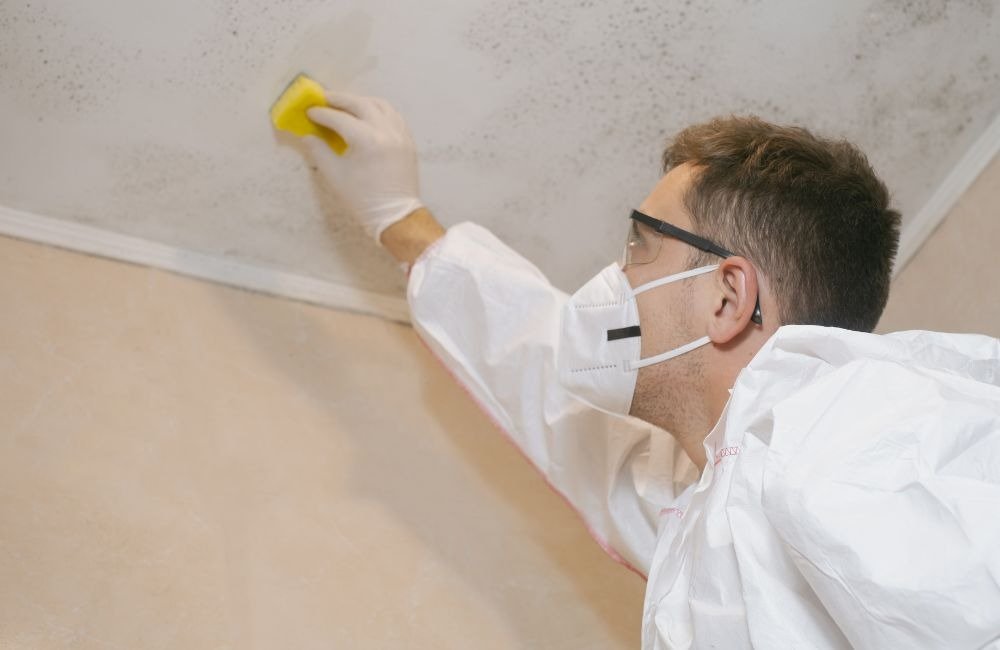
What Is Mold on Walls
Mold is a type of fungus that develops in damp environments. It thrives in areas where moisture remains present for long periods. When mold appears on walls, it often starts as small dark spots. Over time, these spots can expand and cover larger sections of the surface.
Many people first notice mold in corners of rooms or behind furniture. Others discover it around windows, ceilings, or exterior walls. Since mold feeds on organic materials and moisture, it can continue growing as long as the conditions remain favorable.
The appearance of mold is often a sign that there is excess moisture inside the property. This is why removing visible stains alone is usually not enough. The source of the moisture must also be identified and addressed.
Why Moho en Paredes Barcelona Is So Common
There are several reasons why moho en paredes Barcelona is a common issue. One of the most important factors is humidity. Moisture in the air can accumulate on cooler wall surfaces, especially during certain times of the year.
Condensation is one of the leading causes of mold growth. This occurs when warm indoor air comes into contact with cold walls. Water droplets form on the surface, creating damp conditions that encourage mold development.
Poor ventilation can make the problem worse. When rooms are not properly ventilated, moisture becomes trapped indoors. Activities such as cooking, showering, and drying clothes inside the home can increase humidity levels significantly.
Another factor is limited airflow. Furniture placed directly against walls can block air circulation, creating hidden damp areas where mold can grow unnoticed for months.
Common Places Where Mold Appears
Mold can develop in many different parts of a property. Some areas are more vulnerable than others because they are exposed to higher levels of moisture.
Bathrooms are among the most common locations due to the steam generated from showers and baths. Kitchens can also experience mold problems because of cooking activities and humidity.
Bedrooms are another area where mold often appears. This is especially true in rooms with poor ventilation or furniture positioned close to exterior walls.
Closets and storage spaces are also at risk. Since these areas are often closed and receive little airflow, moisture can build up over time.
Many homeowners discover mold behind wardrobes, bookshelves, beds, and cabinets. These locations may seem dry on the surface, but hidden moisture can create ideal conditions for mold growth.
Signs That Indicate a Mold Problem
The most obvious sign of moho en paredes Barcelona is the appearance of dark stains on walls. These marks may be black, brown, green, or gray depending on the conditions and surface material.
Another sign is peeling paint. Moisture trapped within the wall can cause paint to bubble, crack, or detach from the surface. In some cases, the wall may appear damp even when there is no visible water source nearby.
Recurring stains are also a warning sign. If mold returns after cleaning or repainting, there is likely an unresolved moisture issue that requires attention.
Homeowners should pay special attention to corners, areas around windows, and spaces behind furniture. Regular inspections can help identify problems before they spread.
The Importance of Identifying the Cause
One of the biggest mistakes people make is focusing only on the visible mold. While cleaning the affected area is important, it does not solve the underlying problem.
Successful treatment begins with identifying the source of moisture. In many cases, condensation is responsible. In others, water infiltration, plumbing leaks, or inadequate insulation may be contributing factors.
Each situation requires a different approach. Understanding the root cause helps ensure that the mold does not return after treatment.
This is why professional assessments can be valuable. Experts can evaluate the condition of the walls and determine which factors are contributing to mold growth.
Why Painting Over Mold Does Not Work
Many homeowners try to hide mold stains by applying a fresh coat of paint. While this may temporarily improve the appearance of the wall, it rarely provides a lasting solution.
If moisture remains present, mold can continue growing beneath the paint. Eventually, the stains often reappear and may become even more noticeable.
Painting without treating the mold can also trap moisture inside the wall. This may lead to additional deterioration of the surface and create more expensive repair needs in the future.
A proper solution requires cleaning the mold, treating the affected area, and addressing the moisture source before any repainting takes place.
How Professional Mold Treatment Helps
Professional services that specialize in moho en paredes Barcelona focus on both mold removal and moisture management. The process usually begins with an evaluation of the affected area.
Specialists assess the extent of the mold growth and examine possible causes such as condensation, humidity, or water infiltration. Based on their findings, they recommend an appropriate treatment plan.
The mold is removed from the affected surfaces, and damaged areas may be repaired if necessary. Additional measures can be taken to reduce moisture levels and improve ventilation.
This comprehensive approach provides better long term results than simple surface cleaning.
Preventing Mold from Returning
Prevention is one of the most important aspects of mold control. Maintaining good airflow throughout the home can help reduce moisture buildup.
Opening windows regularly allows fresh air to circulate and remove excess humidity. Using ventilation systems in kitchens and bathrooms can also improve indoor conditions.
Furniture should be positioned slightly away from walls whenever possible. This creates space for air movement and helps prevent hidden moisture accumulation.
Homeowners should repair leaks quickly and monitor areas where condensation frequently appears. Keeping walls dry is one of the most effective ways to prevent mold growth.
Regular maintenance and inspections can help detect problems early and reduce the risk of future damage.
Conclusion
Moho en paredes Barcelona is a common challenge for many property owners. Mold often develops because of condensation, humidity, poor ventilation, or moisture related issues that affect walls over time. While visible stains may seem like a minor concern, they often indicate a deeper problem that requires attention.
Understanding the causes of mold, identifying the source of moisture, and taking preventive measures are essential steps toward maintaining a clean and comfortable home. By addressing mold early and implementing effective solutions, homeowners can protect their walls, improve indoor conditions, and prevent recurring mold problems in the future.