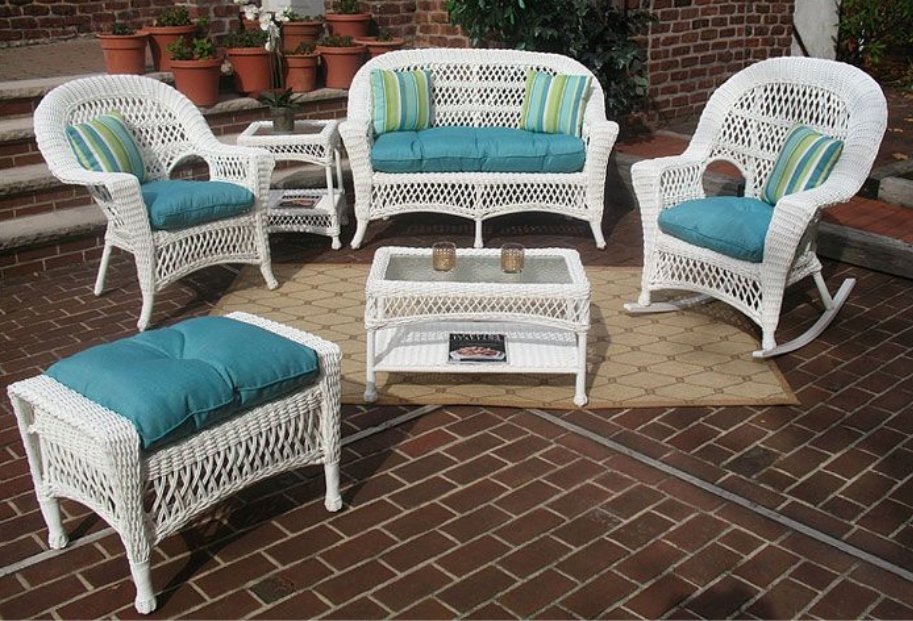
Creating a comfortable patio requires more than choosing attractive outdoor furniture. The right cushions can make a major difference in how enjoyable your seating area feels. Wicker Cushions are a popular choice for patio chairs, sofas, and outdoor loungers because they add softness, support, and visual appeal to woven furniture. With the right cushions, you can transform a simple patio into a relaxing space for reading, dining, entertaining, or enjoying time with family.
When selecting Wicker Cushions, comfort should be one of your main priorities. However, outdoor cushions also need to withstand sunlight, moisture, temperature changes, and regular use. Choosing cushions simply because they look attractive may result in discomfort or premature wear. Instead, consider the filling, fabric, size, thickness, construction, and maintenance requirements before making your final decision.
High-quality Wicker Cushions can also enhance the overall style of your outdoor space. They are available in different colors, patterns, shapes, and sizes, allowing you to coordinate your patio furniture with your home’s exterior design. Whether you prefer a modern, traditional, coastal, or colorful outdoor look, carefully selected cushions can provide both comfort and personality.
Choose the Correct Size
One of the most important considerations is cushion size. A cushion that is too small may move around or leave uncomfortable gaps, while one that is too large may not sit properly on the furniture.
Before purchasing cushions, measure the width, depth, and length of your patio seating. For chair cushions, measure the seat area carefully. If you are buying cushions for a sofa or sectional, measure each seating section separately.
Accurate measurements help ensure a better fit and create a cleaner, more professional appearance. It is also useful to check the manufacturer’s measurements because cushion dimensions can vary between brands and furniture styles.
Consider Cushion Thickness
Thickness plays an important role in comfort. Thin cushions may work well for occasional seating, but thicker cushions can provide additional support for people who spend several hours relaxing outdoors.
The ideal thickness depends on the furniture and how you plan to use it. Dining chairs may require moderately Wicker Cushions while lounge chairs and deep outdoor sofas can benefit from thicker padding.
Avoid assuming that thicker always means more comfortable. The quality and density of the filling are also important. A well-constructed cushion with supportive filling can feel more comfortable than a very thick cushion made from low-quality materials.
Select Comfortable Filling
The filling inside a cushion affects how it feels when you sit down. Outdoor cushions may use foam, polyester fiber, or other specialized fillings.
Foam can provide firm and consistent support, while fiber fillings can offer a softer, more relaxed feel. Some cushions combine different materials to balance softness and support.
Think about your personal comfort preferences. If you prefer a firmer seat, look for supportive foam. If you want a softer surface for casual lounging, a fiber-filled cushion may be more suitable.
Look for Outdoor-Friendly Fabric
Patio cushions need fabrics that are designed for outdoor environments. Ordinary indoor fabrics may fade, absorb moisture, or deteriorate when exposed to sunlight and changing weather conditions.
Look for outdoor fabrics that offer resistance to UV exposure, moisture, stains, and everyday wear. UV-resistant materials can help maintain color when cushions are regularly exposed to sunlight.
If your patio receives strong sunlight throughout the day, fabric performance becomes particularly important. Choosing an appropriate outdoor material can help your cushions maintain their appearance for longer.
Consider Water Resistance
Moisture is another important factor when selecting outdoor cushions. Rain, humidity, accidental spills, and morning dew can all affect cushion performance.
Water-resistant fabrics can help prevent moisture from quickly penetrating the cushion. However, water-resistant does not always mean completely waterproof. Cushions should still be protected from prolonged exposure to heavy rain whenever possible.
Proper ventilation is also important. Allow wet cushions to dry thoroughly before storing them. This can help reduce unpleasant odors and moisture-related problems.
Choose Colors That Complement Your Patio
Cushions are an easy way to add color and character to an outdoor space. Neutral furniture can be paired with vibrant cushions to create a lively appearance, while subtle colors can produce a calm and sophisticated atmosphere.
Consider the colors of your wicker furniture, walls, flooring, plants, and outdoor accessories. Beige, gray, navy, green, and brown are popular choices for outdoor décor, but there are countless other options.
Patterns can also add visual interest. Stripes, geometric designs, floral patterns, and simple solid colors can all work well depending on your preferred style.
Check Cushion Construction
The way a cushion is constructed can affect its durability and appearance. Look for strong stitching, well-finished seams, and quality zippers.
Piping around the edges can provide a polished appearance while helping reinforce the seams. Removable covers are especially useful because they make cleaning and maintenance easier.
Check whether the covers can be removed without difficulty and whether replacement covers are available. Being able to replace covers can extend the practical life of your outdoor cushions.
Prioritize Easy Maintenance
Outdoor cushions require regular care to remain attractive. Dust, pollen, food particles, and other debris can accumulate on the surface.
Choose cushions that are relatively easy to clean. Depending on the manufacturer’s instructions, many outdoor cushion covers can be cleaned with mild soap and water.
Deal with spills quickly rather than allowing stains to set. Regular light cleaning is often easier than waiting until cushions require extensive washing.
When cleaning, always follow the manufacturer’s care instructions to avoid damaging the fabric or filling.
Think About Storage
Even high-quality outdoor cushions can benefit from proper storage. During storms, extreme weather, or long periods when the patio is not being used, storing cushions in a dry and protected location can help extend their lifespan.
A weather-resistant storage box can be a practical option for patios with limited indoor storage. Make sure cushions are completely dry before placing them into storage.
If you live in an area with significant seasonal weather changes, storing cushions during the off-season may help preserve their fabric, shape, and overall appearance.
Match Cushions to Your Furniture
Cushions should fit both physically and visually with your wicker furniture. Consider the shape of the seat, backrest, and arms when choosing a cushion design.
Some patio furniture requires separate seat and back cushions, while other pieces use a single connected cushion. Make sure you understand your furniture’s configuration before shopping.
Matching cushions can create a coordinated appearance, but you do not necessarily need everything to look identical. Combining complementary colors and patterns can give your patio a more personalized appearance.
Consider Your Lifestyle
Your lifestyle should influence your cushion choice. If your patio is frequently used by children or guests, stain resistance and easy cleaning may be particularly valuable.
For people who enjoy relaxing outdoors for long periods, comfort and supportive filling should be prioritized. If your patio is primarily used for outdoor meals, consider cushions that are easy to clean after accidental food and drink spills.
Thinking about how you actually use your outdoor furniture will help you select cushions that provide practical benefits rather than simply improving appearance.
Compare Quality and Price
Price is an important factor, but it should not be the only consideration. Cheap cushions may seem appealing initially but may lose their shape, fade, or wear out more quickly.
Compare fabric quality, filling, stitching, dimensions, weather resistance, and warranty coverage when evaluating different products. A higher-quality cushion may provide better long-term value because it can remain comfortable and attractive for longer.
Reading product reviews can also provide useful insight into real-world comfort, durability, and maintenance.
Conclusion
Choosing the right patio cushions involves balancing comfort, durability, style, and practicality. Pay attention to cushion size, thickness, filling, fabric quality, water resistance, construction, maintenance, and storage requirements before making a purchase.
The right Wicker Cushions can significantly improve both the appearance and comfort of your patio furniture. By selecting cushions that fit properly, provide adequate support, withstand outdoor conditions, and match your personal style, you can create an inviting outdoor space that is enjoyable throughout the season.