Introduction
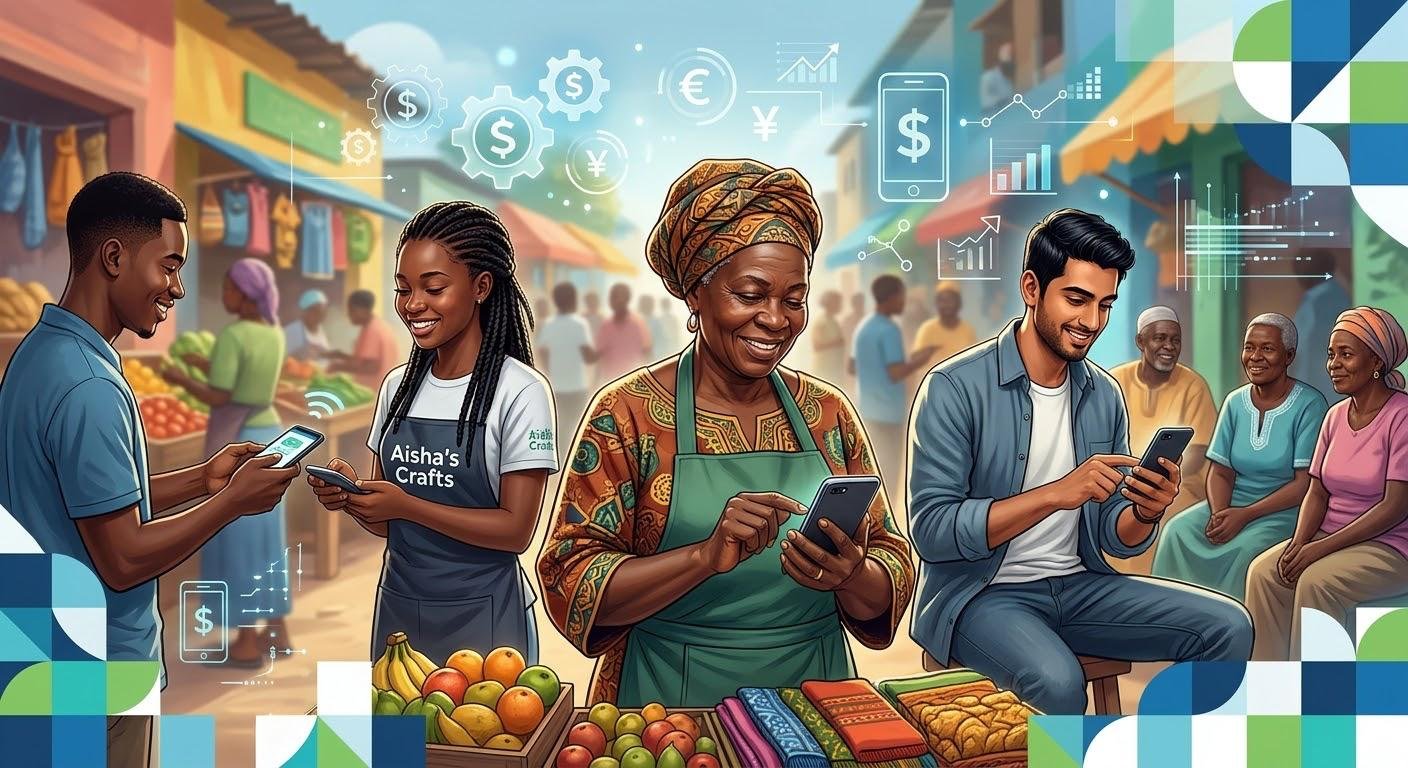
Having access to financial services is important in ensuring economic growth, financial stability and improving living standards. However there are millions of individuals and small businesses struggling to gain access to traditional banking services due to geographical issues, high costs, lack of documentation and strict criteria. Financial Technology (Fintech) is helping to overcome these issues by providing accessible, low cost and easy ways for people to gain access to financial services. Mobile applications, digital payments, alternative lending options and digital identity verification are being implemented by financial institutions to provide services to those who are unable to access traditional banking services. This means new opportunities are being provided for individuals and businesses to save, borrow, transfer money and be involved in the economy.
1. Mobile Banking
Mobile banking is one of the most significant developments made in financial technology to help include those who have traditionally struggled to access financial services. Individuals are able to access banking services through their smartphones and other mobile devices. This means customers can easily check their balance, transfer money, pay bills, receive money and track their transactions from almost anywhere, as long as they have internet or mobile network coverage. This is particularly helpful for individuals living in rural areas where banks may not have physical branches. Mobile banking means individuals will save money on travel costs and have easy access to basic banking services. Business owners can receive payments from customers, track their business and manage their transactions with ease.
2. Digital Wallets
Digital wallets are helping to provide greater financial inclusion by allowing individuals to store money digitally and pay without needing a traditional banking account. Individuals can send and receive money, buy items, pay bills and make transactions through a mobile application or device. Depending on the service provided, individuals can easily sign up for a digital wallet. This is particularly useful for those who work informally, trade in markets or regularly receive small amounts of money. It also means small businesses can receive payments digitally. Digital wallets mean individuals will be able to make quick and easy transactions. This encourages them to get involved in formal financial services and can provide opportunities for individuals to manage their money in a safer and efficient manner.
3. Agent Banking
Technology is providing individuals living far away from banking services with access to essential financial services. Customers will be able to make supported transactions with authorized agents located in local shops, pharmacies, supermarkets and more. These individuals can provide services such as cash deposits, withdrawals, transfers and registering for an account with digital banking services. This is particularly useful for those living in rural areas as setting up full banking services may be costly and not viable. It also provides an income opportunity for business owners. Countries such as Nigeria have seen improvements in providing basic transactions to those with limited banking services through agent banking services.
4. Microfinance Platforms
Microfinance platforms are providing individuals and small businesses with easy access to financial products that are tailored to their borrowing needs. Traditional lending services may require those with low incomes or informal jobs to provide large amounts of documentation, security and good credit history. However, digital microfinance services can provide easy application processes and streamline some aspects of the borrowing process. This allows market traders, farmers, artisans and small business owners to gain access to small loans to invest in their stock, equipment, farming materials and business growth. Some platforms offer flexible repayment options for individuals with varying income levels. If used responsibly and regulated correctly, digital microfinance services can encourage entrepreneurship, provide more resilience to households and help those who are struggling to gain access to formal financial services.
5. Digital Identity Verification
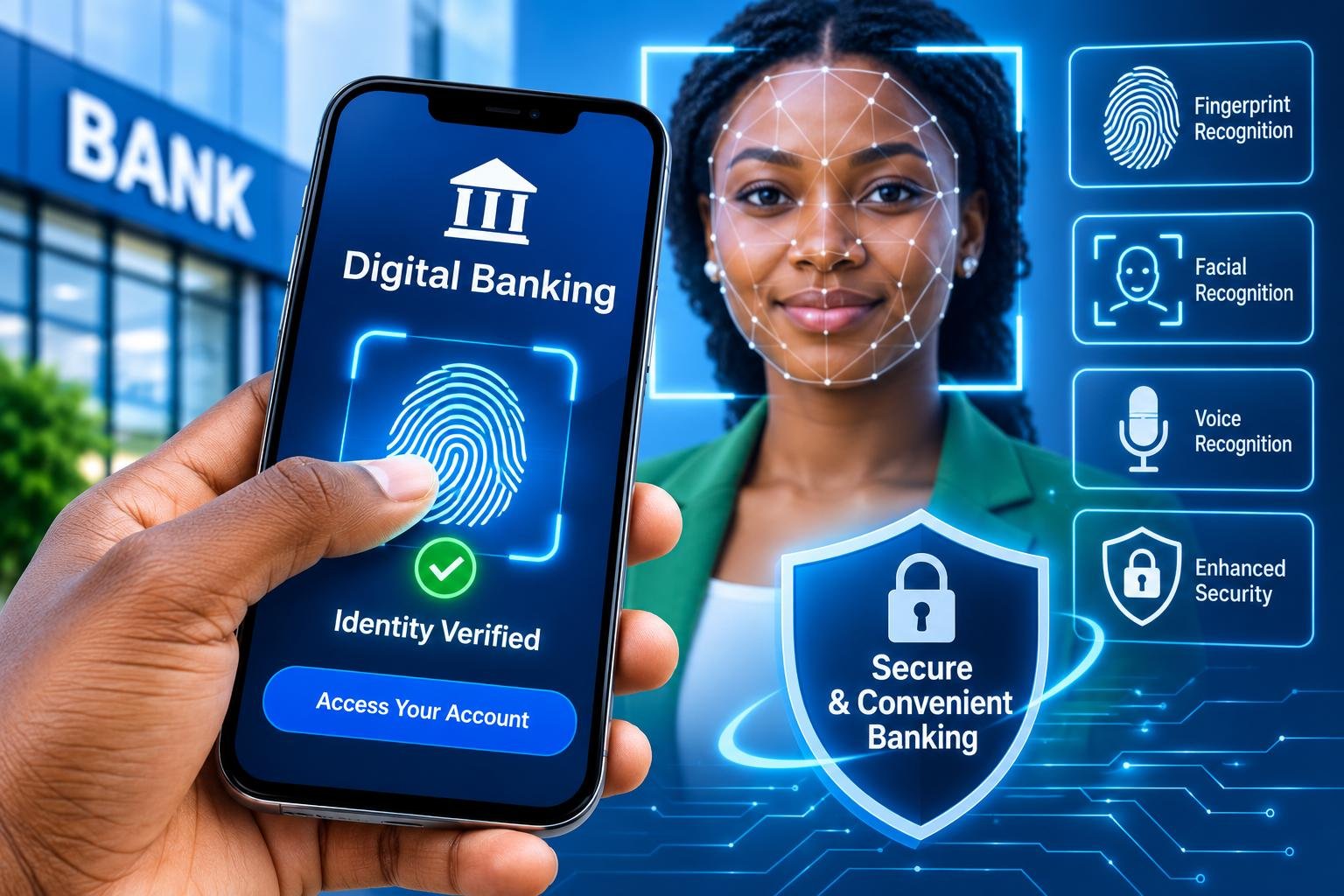
Those who do not have recognized identification may struggle to open a bank account, gain credit or access other formal financial services. Financial technology can help with this issue as digital identity verification can help financial institutions identify individuals. This can include verifying documents, facial recognition, biometrics and checking databases. This can help to reduce long and tedious processes, speed up onboarding and identify fraudulent applications. This is particularly useful for those living in underserved communities who may struggle to travel to financial institutions. Financial institutions can look into how these services work by visiting digital-identity-verification. However, personal information should be protected and alternative options should be provided for those who cannot use certain verification options.
6. Alternative Credit Checking
Traditional credit checking methods may rely heavily on individuals having a good credit history, employed in a formal job and having borrowed before. Unfortunately many of those living in underserved communities have not used formal credit services so may not have much information to help with credit scoring. Financial technology is helping to overcome this issue by providing alternative credit checking methods. Depending on the regulations and if the customer provides consent, lenders can look into transaction history, mobile money, regular income, saving habits and business payments. This can help financial institutions identify responsible borrowers. Small business owners and those working informally can gain better access to financing. However, alternative credit checking should be clear, accurate and should be carefully planned to ensure individuals aren’t unfairly discriminated against and personal information isn’t misused.
7. Low Cost Digital Payment Methods
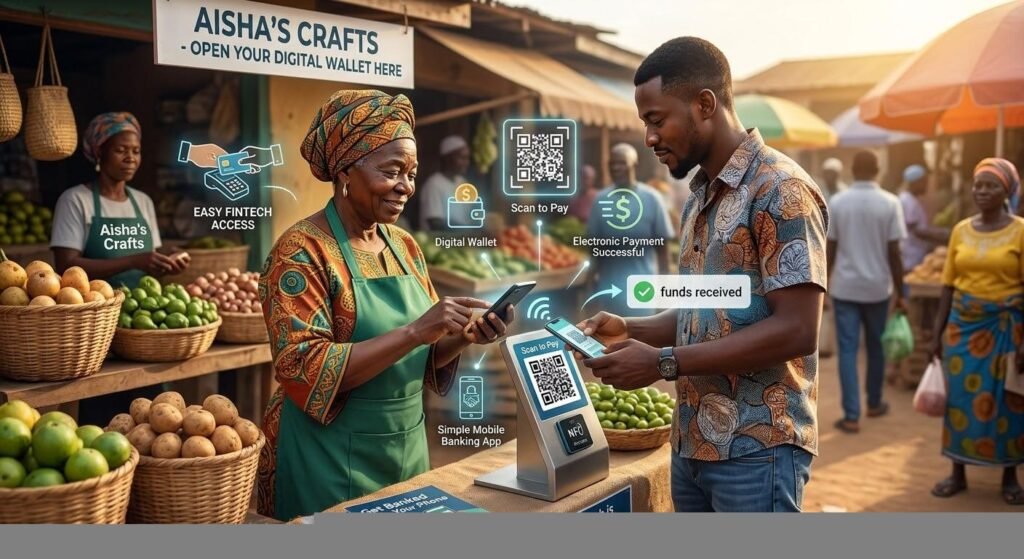
Individuals and small businesses may be deterred from using formal financial services due to high transaction costs. Financial technology is helping to reduce these costs by providing digital payment methods. This includes electronic payments, instant payments, QR codes and more. Customers can send and receive money without having to use expensive traditional payment methods. Small business owners can receive payments digitally, reducing the risk of carrying cash and keeping track of transactions. Farmers and those trading in rural areas can receive payments from customers and business partners without having to travel far. As digital payment methods become more readily available this can help reduce financial barriers, help with business and encourage more involvement in formal economies.
8. Technology Based Financial Education
Many individuals may struggle to understand how to use financial products even if they have access to them. Technology based financial education can help individuals living in underserved communities gain the knowledge and confidence to make informed decisions. Banks, fintech companies and educational institutions can provide financial education resources through mobile applications, websites, videos, interactive guides and messaging apps. This can help teach individuals about budgeting, saving, borrowing responsibly, digital payments, interest rates and preventing fraud. Some platforms will also include calculators, summary of spend and personal learning to help individuals understand their financial habits. Those who haven’t had much experience with banking before can find it easier to understand. This can help customers avoid getting into unnecessary debt, identify financial scams and use the services responsibly.
9. Digital Savings Services
Many individuals living in underserved communities struggle to save money due to inconsistent income, lack of banking facilities and not having easy savings options. Digital savings services are helping to overcome these issues by providing easy ways for individuals to set financial goals, save small amounts of money and track their savings. Some applications will allow individuals to set up automatic savings, different categories for their savings and regular savings depending on their income. This is particularly useful for those working informally, small traders and those earning money daily/weekly. Digital savings services can help individuals create emergency funds for unexpected costs, education, health and business. Financial technology can encourage individuals to save more regularly and improve their financial habits.
10. Digital Insurance Services
Insurance is an important aspect of financial security however many low income households and small businesses may struggle to get access to insurance due to high costs, complex processes and lack of awareness. Digital insurance services are helping to overcome these issues by allowing customers to view, purchase and manage their insurance through mobile applications. Some providers offer micro insurance services with reasonably low costs and insurance tailored to certain needs such as health costs, farming and small business. Technology can also help to make the claims process easier, documents can be processed and communication can be made with the insurance provider. Farmers may benefit from digital farming insurance. If insurance is clear and priced fairly this can help underserved households manage financial risks and recover from unexpected situations.
11. Digital Money Transfer Services
Money transfers are particularly important for those who rely on financial support from family members living in other cities/countries. However traditional money transfer services may have high costs, long processing times and inconvenient ways of receiving money. Financial technology is helping to improve this by providing digital money transfer services. This allows individuals to send money electronically through mobile applications and online. The recipient may receive the money into a supported banking account, digital wallet or authorized money transfer. This is particularly useful for those living in rural areas who rely on financial support for education, health, food and business. Small businesses can also benefit from easier international payments. Affordable and secure money transfer services can help increase financial connections and make money transfer easier between communities.
12. Digital Financial Services
Small businesses play an important role in developing local economies however many struggle to gain access to financial services. Financial technology can provide digital services to help entrepreneurs receive payments, track income/expenditure, gain access to finance, manage invoices and track transactions. This can help reduce administration costs and make it easier for business owners who may not have the budget to invest in specialist accounting or advanced banking services. Digital transaction tracking may help entrepreneurs prove they are carrying out business when applying for loans or other financial services. Online financial services can help small businesses reach customers, suppliers and payment providers outside of their local area. Fintech can help boost small enterprises, encourage entrepreneurship and create more opportunities for those in underserved communities.
Challenges to Overcome to Improve Financial Inclusion
Whilst there are many benefits to using financial technology, there are several key issues to overcome to increase financial inclusion. Affordable internet access is essential as those living in rural and low income communities may struggle with high data costs, poor network coverage and have limited access to suitable devices. Digital knowledge is also important as customers should know how to use financial applications, identify suspicious transactions and understand the terms. Cyber security should always be a priority as using digital financial services can put customers at risk of phishing, identity theft, account takeover and other fraudulent activities. Financial institutions should invest in secure authentication, encryption, fraud detection and clear customer support. Financial innovation should be responsible by ensuring clear costs, fair lending, protection of data, regulation and easy complaints. If these issues aren’t overcome, digital financial services may cause further risks to those they’re trying to help.
Conclusion
Financial technology is helping to improve financial services for underserved individuals and businesses by overcoming geographical issues, reducing costs and making traditional banking processes easier. Mobile banking, digital wallets, agent banking, microfinance platforms, identity verification, alternative credit checking and low cost payments are creating opportunities for those who have traditionally struggled to get involved in financial services. Digital education, savings services, insurance, money transfers and business management are also helping to increase financial inclusion by giving individuals the knowledge to make informed decisions and manage their financial responsibilities. To achieve real financial inclusion financial institutions, technology providers, government and regulators should work together to improve internet access, increase digital knowledge, protect customer data and promote responsible innovation. If the correct infrastructure is in place financial technology can help increase financial inclusion, help small businesses grow and create greater economic opportunities for underserved communities.
Get more well researched information about Financial technology for underserved communities here.