Introduction
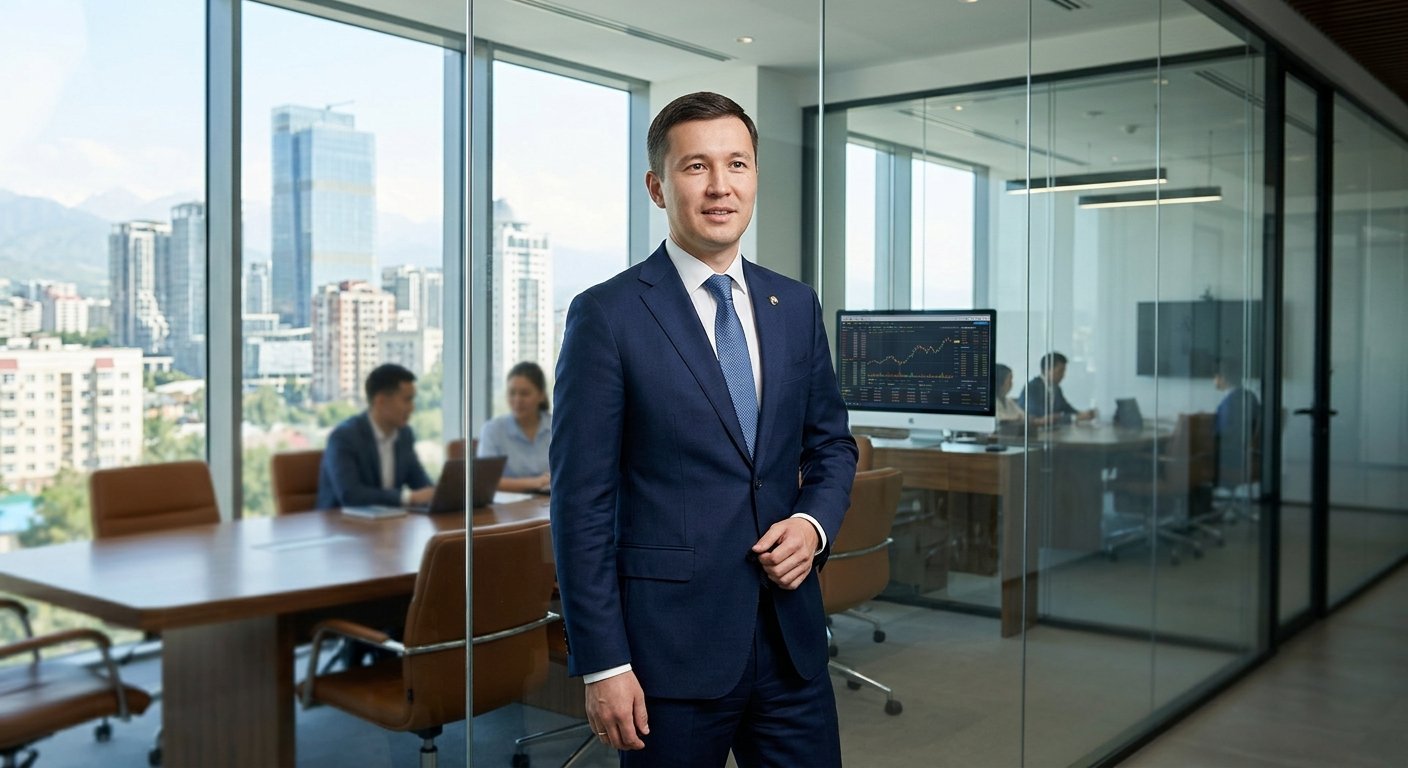
Timur Turlov is an entrepreneur and financial services executive, best known as the founder and chief executive officer of Freedom Holding Corp., an international financial group operating in the fields of securities brokerage and banking, insurance, payments and technology-related services. He started his career with a deep interest in financial markets that evolved into a business that matches individual investors with international investment opportunities.
With the expansion of Freedom Holding Corp, Turlov has taken a big step to making financial products available in the world of digital technology and everyday services. The success of his business experience shows the potential of a specialist financial firm to grow into a diversified business group by understanding the market and implementing entrepreneurship and long-term expansion. A brief overview of his background gives an idea of the evolution of financial technology in Kazakhstan and in the global financial services sector.
Who Is Timur Turlov?
Timur Turlov is a Kazakhstanian entrepreneur and investor, and the CEO of Freedom Holding Corp. (Nasdaq: FRHC), a financial services firm. He was born in 1987, gaining his professional experience in securities trading at a very young age and eventually building up a business that became an international financial group. He has been working on brokerage services, access to international capital markets, and the creation of digital financial products. He has not restricted the company to a narrow focus on stock trading but has encouraged the company’s growth into financial services such as banking, insurance and payment processing services, that are designed to satisfy the expanding needs of customers. This diversification has been a key component of his business strategy. In addition to Turlov, the public face of the company, Freedom Holding Corp.’s development also relies on its employees, management teams, subsidiaries, relationships with regulators, and customers in the markets in which it operates.
Turlov is especially connected with Kazakhstan, as it was a key market for the development of Freedom. The company’s growth is driven by the broader trends in the financial services sector in the region, such as the adoption of digital solutions, rising interest in international investments, and a growing demand for more convenient banking and payment options. When it came to products under his stewardship, Freedom has been trying to integrate a number of services into a coherent digital environment, rather than each as a customer interaction. Through this, the company wants to provide financial services to customers which would be easier for them to access, and also to provide an opportunity to the company to serve customers across multiple business lines. His career is therefore more than just an entrepreneurial journey, it is also a look at how financial firms can overcome new technologies, customer expectations and global competition. But, the success of the group is contingent on execution, good governance, financial performance and the ability to manage the risks of doing business in various markets.
Getting Started in Investment Banking
Early Interest in Financial Markets
Turlov’s fascination with the financial markets began in his days at school and predated his days as a corporate executive. His published company biography states that he started trading with World Capital Investments at the age of 16. This early exposure to securities trading and the systems for bringing investors and financial markets together gave him a head start in his career. Trading is the act of purchasing and selling financial assets like stocks, based on market prices and investment goals. It involves knowledge of market behaviour, financial information, risk and the factors that impact investment value. This could give a young person a first-hand look at the operations of financial institutions and how technology assists in financial transactions. Although he was able to develop a financial business that would sustain itself, it would take much more than a simple exchange of knowledge.
For a new entrepreneur, starting early in a tough job might lead to problems that can’t be solved by reading about. The various functions of financial markets are carried out in a network of investors, brokers, exchanges, regulators and service providers. Additionally, customers require trustworthy information, safe transaction platforms, transparent pricing, and the proper protections when accessing investment products. The trading environment Turlov first entered through his early experiences gave him a sense of this environment, and helped form his understanding of the brokerage business. His subsequent career implies that he not only developed an interest in financial products, but also in the platforms on which his customers can buy and sell them. This distinction is significant since a good financial services company is one that needs to construct systems, establish customer relationships, comply with regulatory requirements, and manage operational risk. While early experience is helpful, an ongoing journey of learning, working in teams and adapting to industry changes is key to success.
Education and Professional Development
In addition to his professional work, Turlov studied at the Russian State Technological University named after K. E. Tsiolkovsky in the fields of economics and management. Freedom Holding Corp.’s management biography states that he graduated in 2009 with a bachelor’s degree in Economics and Management. The subjects give an understanding of the ways in which markets allocate resources, the factors that influence business decision making and the way in which organisations manage people and finance.
This information can be applicable for an entrepreneur in financial services to consider when assessing business opportunities, analyzing customer needs, and making growth plans. However, education and work have different roles: to build concepts, and to show people the real-world needs of customers, institutions, and evolving market demands. These elements were brought together in Turlov’s career, which transitioned from trading to brokerage, and finally to owning the business.
Professional Experience in Brokerage
He also trained for the profession on how to get investors into international stock exchanges. Prior to founding Freedom Finance, Turlov served in the brokerage division of Uniastrum Bank, and helped build infrastructure for trading on the American stock exchanges, his published biography states. This experience was applicable as international investing is more than just about being able to place a trade. Brokerage firms require processors to execute orders, account managers to maintain customer accounts, financial record-keeping systems, and systems that adhere to rules of their business.
They also have to inform their clients about the possibilities and dangers of investing. Such work would have provided Turlov with hands-on experience of the services required by investors and the challenges in providing those services. His career in the financial industry to become an entrepreneur involved having a good working knowledge of the systems in place that informed the development of a new business.
Established Freedom Finance in 2008
Making Experience an Entrepreneurial Idea
At the age of 21 in 2008, Turlov established a new investment firm called Freedom Finance, with the goal of allowing its customers to gain access to financial markets overseas, especially to the American exchanges. The decision was a change from being in the established financial institutions, to developing a company of his own. During that period it may have been possible to invest in the securities markets of other countries through complex procedures, through intermediaries, and having to meet technical conditions, which were not known to many individual investors.
A brokerage firm may help fill the void by offering trading access and services to run investment accounts. Turlov’s professional experience had afforded him some exposure to these processes, and the new company allowed him to develop a business around customer needs. Its expansion in the future would rely on its ability to find clients, set up operations properly and be flexible with its service offerings to various markets.
Freedom Finance’s Initial Business Model
The start of Freedom Finance also embodied an entrepreneurial choice to tackle a particular problem, not to try to enter into all financial services at once. Brokerage was chosen as the starting point, as it had an easy connection to the existing Turlov experience and investor access. Creating a specialist business may be a way to develop expertise within the organisation, gain customer trust and discover what services are most beneficial prior to expanding.
However, there are critical duties involved with brokerage, such as the appropriate handling of information, disclosing investment risks, and ensuring that information is kept safe and secure while in financial compliance. Credibility and commercial drive are key factors in growth of this industry. Freedom Finance’s initial business plan was a building block for the growth of a larger financial group, but a larger financial group would need further skills, capital, qualified staff, and governance of a number of separate business functions.
The Market in Kazakhstan
It is worth noting that Freedom Finance entered the Kazakhstan market in the early 2010s and established an important milestone in the company’s development. Kazakhstan became a focal point for the group with the business growing as the entity strengthened its presence in the country through its brokerage activities. The market provided the possibility to cater for customers interested in securities trading and international investment services.
Businesses must navigate the legal landscape, customer expectations, financial systems, and competitive dynamics of a new country, however, when expanding into a new country. The company will also need to set up the necessary legal and regulatory structures, procedures and relationships. Freedom’s success in Kazakhstan highlighted the need to tailor an investment in an international offering to a local market. It also established an office for the company to expand its operations beyond brokerage.
Expansion of Services in Kazakhstan
As the company grew, it became more important to Kazakhstan’s Freedom development because of its growth in customer offering and investment in related financial business. The group started developing capabilities in banking, insurance and payments to offer more services to customers than simply brokerage. When used responsibly, this can provide real benefits, since having multiple financial services over the lifespan can be beneficial for both individuals and businesses. A customer may have a bank account, pay bills, get insurance, invest in a brokerage account, and so on.
Connecting such services together can help to minimize the disconnect between customer experiences. But bringing services together also increases management complexity: Every business has its own regulatory responsibilities, risks, and customer-protection needs. The expansion of freedom in Kazakhstan is thus an opportunity to grow, but at the same time, a wider organizational problem. That its performance depends on the company being able to keep up with its customers’ demands, risks, and service quality as it enters new activities.
Development of Freedom Holding Corp

From a Brokerage Business to a Holding Company
Freedom Holding Corp. was formed as a result of corporate restructuring which integrated Turlov’s financial businesses into a holding company structure. The group’s annual report outlines how the current corporate structure was created through a transaction with BMB Munai and Freedom Finance, with the holding company’s name being renamed to Freedom Holding Corp. in 2015. This is important when referring to the company’s history as it was established by Turlov in 2008, whereas the current holding company structure emerged later. A holding company is a company that owns or controls other companies, with the various companies in its group of companies functioning as subsidiaries of the holding company. This type of structure allows a business to expand as it will be able to handle several different business lines and have each area operate separately, handling its own responsibilities. The building was used to help integrate brokerage and other ancillary services into a larger firm looking to expand beyond its investment services roots in the case of Freedom.
The diversification into a holding company impacted the scale and complexity of the business. A brokerage firm deals mainly with trading in securities and opening investment accounts, while a financial group can have banks, insurance companies, payment platforms and other companies. These activities can be used together but are not necessarily the same risk and regulatory activity. For instance, bank services include liquidity, credit risk, payments, and deposits, and insurance includes pricing, underwriting, and claims management. In a holding company, strategy and capital allocation are to be coordinated while taking note of each subsidiary’s individual needs. Turlov’s responsibilities have included direction of the group and extending opportunities in the forward development of the group. This model is successful not only because it grows but also because it is measured by business results, customer outcomes, governance and risk management.
Listing on Nasdaq in 2019
In October 2019, a significant step was taken when the company’s shares were registered on the Nasdaq Stock Market under the trading symbol FRHC. A public listing is an issuance of shares to the public market that is open to certain investors who can purchase and sell shares based on exchange and other regulations. It may also make a company more visible, open up a wider investor base and create continuous reporting requirements with regard to material information and financial results. For Freedom, the Nasdaq designation was another milestone in the process of growing from a regional brokerage firm to a firm with international aspirations. It puts the group in an environment of high visibility of public markets and introduces new obligations to report, to manage the company and to communicate with shareholders. While the listing was an impressive corporate accomplishment, it does not imply that the company will continue to grow and that the investors will be safeguarded from fluctuations in share prices and business performance in the public markets.
Running a business as a public entity will also alter the way the business is assessed. Listed companies will be required to disclose financial information to its shareholders and regulators based on the applicable rules, while private companies will likely have reduced disclosure requirements. When evaluating a company’s performance, investors can review the company’s revenue, profitability, assets, liabilities, risk factors and management commentary. These disclosures enable market participants to make informed decisions, but do not remove uncertainty. Even economic decline, changing interest rates, currency fluctuations, regulatory modification and opposition can affect a listed monetary group. The Nasdaq listing boosted the significance of ensuring that the company is reporting honestly and has good governance as it sought to expand, in the case of Freedom Holding Corp. It also meant that Turlov’s performance would be evaluated both on the commercial side, but also on his capacity to lead a complex organisation in addition to communicating clearly with public-market investors about the performance of the company.
Freedom’s Business Ecosystem: Beyond Brokerage
Banking Services
Banking services are one of the key aspects of the growth of Freedom’s expansion. The group functions as the financial institution “Freedom Bank Kazakhstan” the services of which include accounts, payment cards, payments, deposits and loans, in accordance with the terms and conditions set in the service for each. Banking complements brokerage, as customers may need a safe place to store their money and make payments, and to deal with their daily financial needs in addition to investing. For a group with both banking and brokerage operations, a more seamless customer journey through digital channels could be possible. Banking, however, is a very separate and tightly regulated business that needs to be well-managed in terms of liquidity, credit risk, capital, cyber security, and customer information. Banking, however, is more than just an extension of a product lineup — it demands special skills and systems that can handle another set of financial tasks.
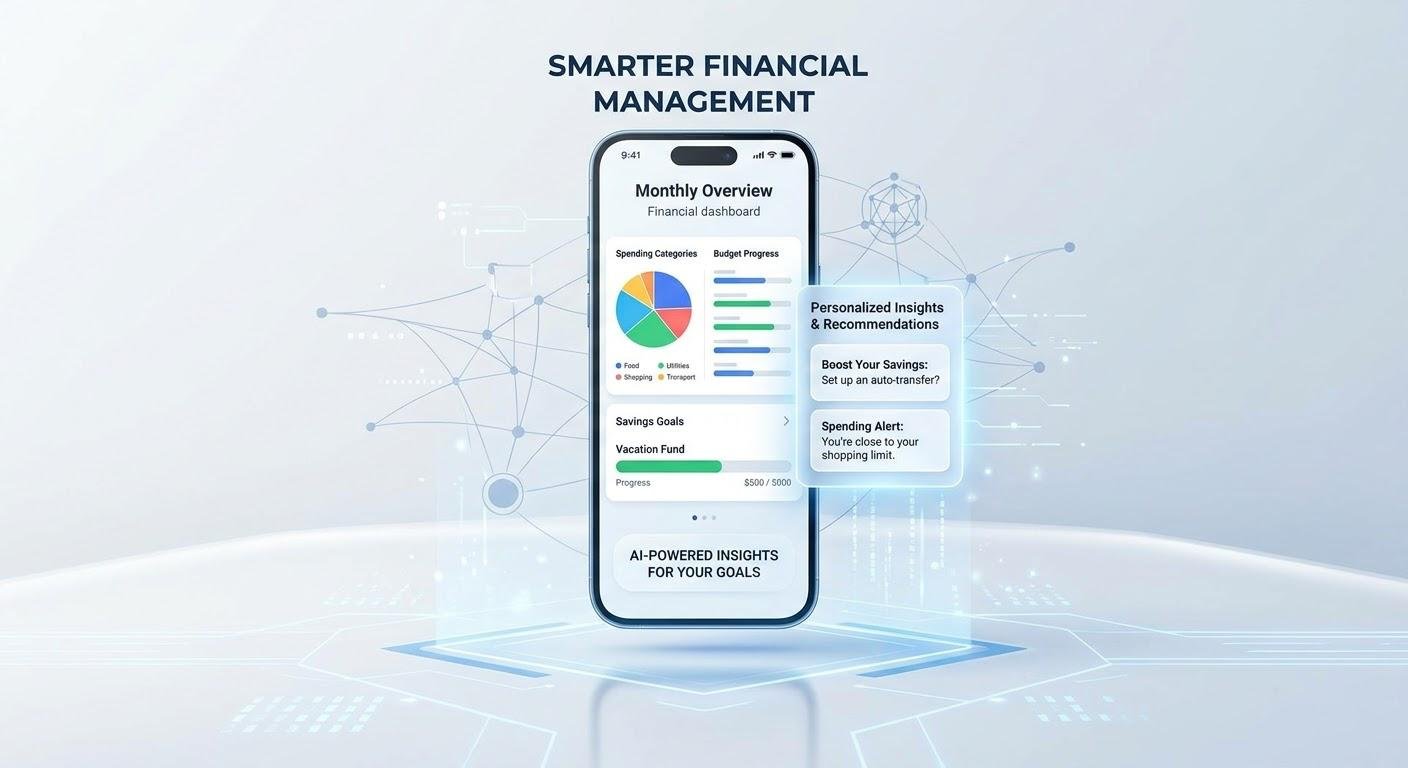
The company’s banking activity is also represented by Freedom.Freedom is also a reflection of the company’s broader strategy in providing digital financial services. Customers are increasingly looking to conduct repetitive tasks using the mobile app instead of visiting a physical branch to handle all their tasks. Digital banking can streamline services by enabling a user to access services via connected systems, including balance checking, transferring funds, and managing their cards, and eligible financial products. These services depend on secure software, reliable infrastructure, successful identity verification, and customer assistance for service providers. The technology should also have robust internal controls and safeguards against fraud and unauthorised use. Growth is critical to the success of Freedom reaching more customers; however, the growth must be reliable and trusted. Digital convenience is only beneficial if customers are able to make use of the services safely and if they receive help when issues arise.
Insurance Products
Another big component of Freedom Holding Corp.’s diversified business is insurance services. It is no longer just investing and banking, the group has become an insurance company that deals in life and general insurance products. Insurance is a mechanism that enables customers to alleviate some of their financial risks by transferring specific risks to an insurance company in return for premiums, depending on the terms and conditions of the policy, exclusions and applicable law. Life insurance and general insurance provide different types of cover, and so product design, underwriting criteria, pricing and claims processes must all be different. With insurance, Freedom has looked to cater to the financial requirements of those who go beyond investing and day-to-day banking. This growth could also provide a chance to provide services that complement the product, also via digital means. However, insurance companies are required to have sufficient financial means, evaluate the risk thoroughly and be equitable towards the insured. A diversified business model doesn’t negate these responsibilities, it magnifies their significance, requiring more specialised management and oversight of the group.
The insurance segment also illustrates why it is better to review the performance of a financial group business line by business line. For brokerage income, trading volume, customers’ assets, interest income, market conditions and insurance results are premiums, claims, investment returns and underwriting decisions. Banking performance is driven by its own factors such as credit quality, interest margins, deposits and lending activity. Such variations may lead to a lack of correlation between strengths and weaknesses in the various segments, making it impossible to expect growth in one without a corresponding decline in another. The challenge for a holding company is to have co-ordinated capital and strategy without the businesses operating irresponsibly in the market in which they are operating. While the existence of freedom in insurance is part of an insurance’s financial ecosystem, its worth lies in sustainable underwriting, appropriate merchandise, regulatory compliance, and shoppers’ trust in the company’s contractual obligations.
Payments, Telecommunications, and Lifestyle Technology
Additionally, Freedom has diversified into payment and technology-related enterprises that are complemented by its financial services. It also has a broader range of activities such as payment processing, e-commerce, travel-ticketing and telecommunications. These businesses extend the business relationship with customers by providing services in addition to investments, banking and insurance. For instance, digital payment services can enable individuals and businesses to move money or complete transactions, online commerce and travel can give access to products and services via the Internet. There are infrastructure and connectivity options available through telecommunications. This diversification is a sign of a vision of creating a wider financial services ecosystem where people can use their financial services and their daily digital activities together. But each area has to compete in a market and needs its own technology, operations, customer service and risk management. Industry expansion, thus, opens up opportunities as well as the requirement for disciplined investment decisions and effective management.
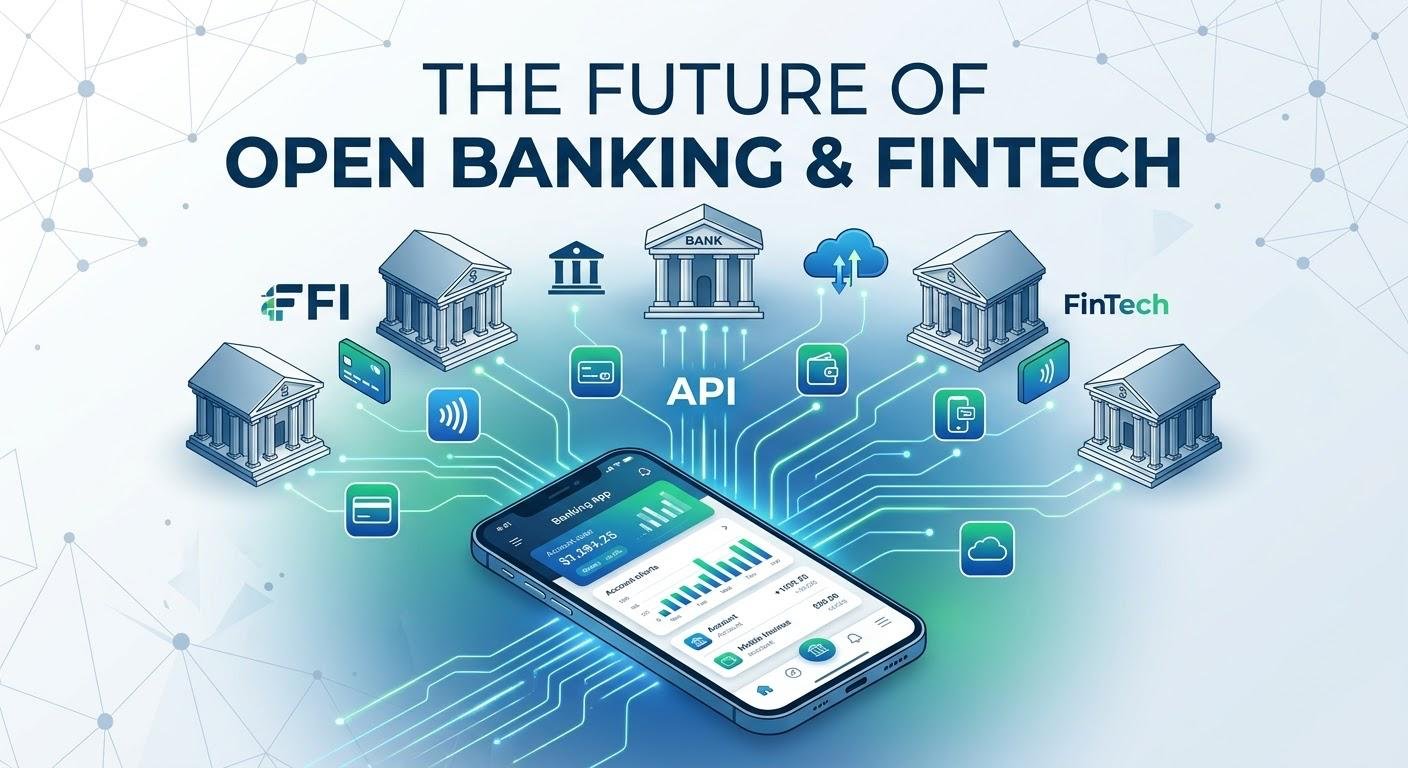
The concept behind a connected digital ecosystem is the following: customers can get several services through connected applications and platforms. Good design can help to minimize re-key, ease account management, and make common transactions easier if they can be integrated into a single system. A company might also better understand customer requirements, within the confines of privacy laws, consent stipulations, and accountable data use. But having several services in the same ecosystem can have technology dependency and concentration risks. Several services can be impacted by an outage, security incident or poorly managed change. It’s also important that customers can read the conditions of each product, and can’t be misled into thinking that the same protections apply to all services. Security, transparency, reliability, and service quality are, therefore, the keys to the success of Freedom’s technology strategy, which aims to increase the accessibility and coordination of services.
The Skills and Activities of a Leader
Innovation and Digital Transformation
Turlov’s business model often includes leveraging technology to increase the availability of financial services and enhance the customer experience. Traditional financial institutions have historically been dependent on different systems, branches and processes for individual products. Some of these functions can be linked via digital platforms, enabling customers to oversee greater activities online. A financial institution can use technology to help with account opening, payments, access to investments, communication with customers and coordination of services. Turlov’s backing for an integrated financial ecosystem is indicative of the fact that technology can be a big part of the customer experience, not just a back-office operation. However, digital transformation is not just about launching applications. It needs to be designed securely, be reliable, be easy to access, have qualified personnel, and continually invest in systems that can evolve with changing customer needs and regulations.
Responsibility is also an essential element of financial services innovation. Customers can turn to digital platforms to get their savings, pay bills, buy insurance or manage investments, demanding reliability and security. Financial tech firms need to take account of privacy, cybersecurity, fraud protection, service availability, and the possibility of a technical error. They must also be able to communicate with customers in a way that they can understand, especially when they have to make decisions about money that involve uncertainty or potential losses. Convenience does not necessarily equate to suitability and safety for a technology-based business. The sustainability of Turlov’s digital strategy will become apparent if Freedom can provide user-friendly services, alongside relevant measures for protection, clear information, and effective operational controls. In this regard, innovation and risk management must be viewed in complementary roles, not as rivals.
International Growth and Strategic Expansion
Timur Turlov‘s leadership has also been associated with international expansion through the development of Freedom’s operations and acquisitions. In 2020, the group acquired Prime Executions, a United States broker-dealer, supporting its entry into the American market and the later development of Freedom Capital Markets. Freedom has also developed its European operations and expanded its business activities in other jurisdictions. International growth can create opportunities to reach new customers, diversify revenue sources, and develop relationships with different financial markets. It can also provide access to expertise and capabilities that may be difficult to build internally. Acquisitions, however, involve significant challenges, including integration costs, regulatory approvals, cultural differences, and the need to align business systems and controls. A company’s ability to acquire businesses is not sufficient on its own; it must also demonstrate that those businesses can be integrated effectively and contribute to sustainable performance.
International expansion also requires careful attention to the differences between markets. Financial regulations, customer expectations, payment infrastructure, taxation, and competitive conditions vary by jurisdiction. A product that works well in one country may need to be adapted elsewhere, and a company must ensure that its services comply with local requirements. Operating across several markets can diversify business opportunities, but it can also increase exposure to currency movements, political and economic changes, and regulatory complexity. For Freedom Holding Corp., continued growth therefore depends on balancing ambition with careful planning and oversight. Turlov’s role as chief executive includes setting priorities and directing the group’s development, while specialist teams must manage the detailed work of running individual businesses. Effective leadership in this context requires not only a willingness to pursue new opportunities but also the discipline to evaluate risks and respond when conditions change.
Building a Long-Term Business
A long-term business strategy typically involves developing capabilities that can support an organisation through different market conditions. In financial services, this may include investing in technology, attracting skilled employees, improving customer service, strengthening internal controls, and maintaining appropriate financial resources. Freedom’s move from brokerage into banking, insurance, and digital services reflects an effort to create several connected sources of business activity. Diversification may help a company serve more customer needs, although it does not guarantee stable earnings or eliminate the risks associated with any individual business line. The benefits depend on whether the different businesses are managed effectively and whether their products remain competitive. Turlov’s leadership can be evaluated through the group’s ability to execute its strategy responsibly over time, rather than solely through the speed at which it enters new markets or adds new services.
Long-term growth also depends on the relationship between management and stakeholders. Employees need clear priorities and suitable resources, customers need reliable services and understandable terms, regulators expect compliance, and investors need accurate information about performance and risk. A company that expands quickly without adequate controls may face operational problems that undermine its progress. Conversely, a company that invests in governance, staff development, and secure systems may be better positioned to manage complexity as it grows. These principles apply to Freedom Holding Corp. as they do to other diversified financial institutions. Turlov’s entrepreneurial journey illustrates the possibilities of combining market experience with an ambitious business strategy, while the group’s future performance will depend on how consistently it translates that strategy into responsible and measurable results.
Timur Turlov’s Activities Beyond Business
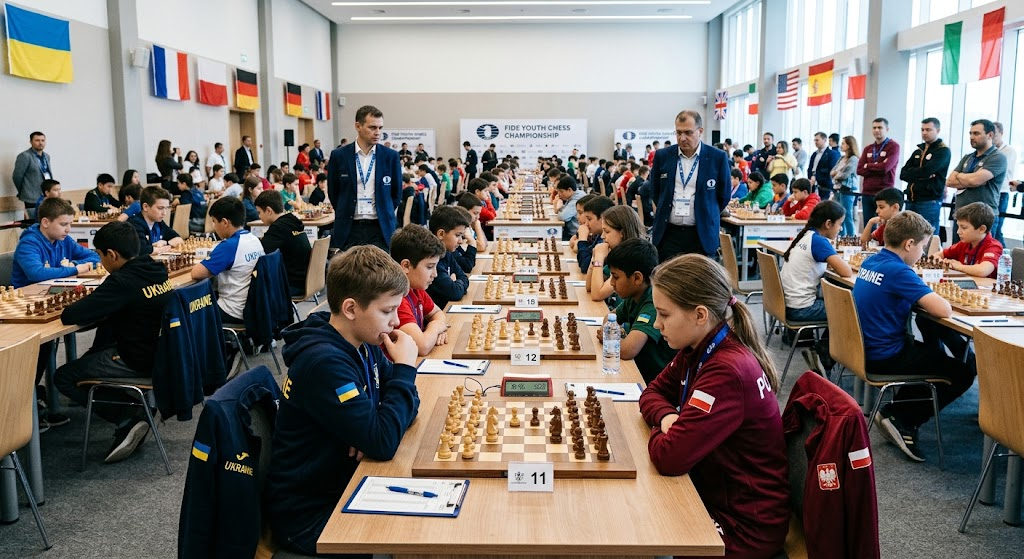
Timur Turlov‘s public activities extend beyond financial services into chess, education, and community initiatives. He became president of the Kazakhstan Chess Federation in 2023, and his involvement has been associated with efforts to promote chess and widen participation. Chess can support strategic thinking, concentration, and problem-solving, making it a useful educational activity for young people. Promoting the game through schools and organised competitions can also create opportunities for students to develop skills and connect with participants from other regions and countries. Turlov’s role in the federation provides an example of how business leaders sometimes contribute to organisations outside their main commercial activities. Such initiatives should be assessed through their programmes, accessibility, participation, and outcomes, rather than through the profile of the individual supporting them. His public involvement in chess has become a visible part of his activities in Kazakhstan.
His wider community involvement has included support for educational and cultural initiatives. Freedom’s published materials describe participation in projects focused on education, youth development, regional history, and environmental concerns. Such activities can complement commercial work by directing attention and resources towards issues that matter to local communities. However, community initiatives and business performance are distinct areas of responsibility. A company’s social projects do not replace the need for responsible financial practices, transparent reporting, fair treatment of customers, and sound governance. Equally, an entrepreneur’s public role may involve responsibilities that extend beyond the company’s immediate commercial objectives. Turlov’s participation in chess and educational activities adds another dimension to his public profile, while the practical impact of these programmes depends on their implementation and the benefits they deliver to participants and communities.
Challenges and Considerations for Freedom Holding Corp.
Managing Risk in a Diversified Financial Group
The expansion of Freedom Holding Corp. has created a more complex organisation than the original brokerage business. Each major financial activity carries different risks: brokerage operations face market, operational, and conduct risks; banks must manage credit and liquidity; and insurers must assess underwriting and claims exposure. Technology-related businesses add cybersecurity, service-continuity, and data-protection concerns. These risks can interact, particularly when several businesses depend on shared technology or serve customers through integrated platforms. Effective management requires strong internal controls, qualified personnel, clear accountability, and regular assessment of changing conditions. A diversified group must also ensure that the growth of one subsidiary does not weaken the stability of another. For investors and customers, understanding these distinctions is important when evaluating the company’s overall position. Diversification creates opportunities, but it also increases the need for coordinated oversight and disciplined decision-making.
Competition is another ongoing challenge. Financial institutions and technology companies compete on price, convenience, reliability, product range, and customer service. Digital platforms can lower some barriers to entry, but they also create expectations for frequent improvements and dependable performance. Freedom must therefore continue investing in its technology and operations while ensuring that products remain relevant to customer needs. International activity introduces additional challenges because competitors, regulations, and market conditions differ from one country to another. A successful approach in Kazakhstan may not produce the same results in Europe or the United States without adjustment. The group’s ability to maintain customer confidence, comply with regulations, and respond to competition will be important to its future development. These factors are particularly significant for a company whose strategy relies on integrating several types of services into one broader ecosystem.
Transparency, Governance, and Public-Market Accountability
As a Nasdaq-listed company, Freedom Holding Corp. operates within a public-market environment in which disclosure and governance are important. Investors need reliable information to evaluate financial results, business risks, related-party transactions, and management decisions. The company publishes regulatory filings and financial reports that provide details about its activities and performance. These documents are more appropriate sources for assessing financial claims than promotional descriptions alone because they include formal disclosures and explanations of material risks. Public reporting does not remove uncertainty or mean that every business decision will succeed, but it gives investors a framework for examining the company’s position. For a diversified financial group, transparency is particularly important because its different subsidiaries may perform differently and face distinct challenges. Strong governance helps clarify responsibility, support informed decisions, and maintain confidence among shareholders and other stakeholders.
Public-market accountability also makes it important to distinguish company objectives from independently demonstrated results. Management may set ambitious goals for expansion, customer growth, or digital transformation, but these objectives must be evaluated against reported outcomes. Revenue growth, for example, does not necessarily indicate higher profitability, and an increase in customer numbers does not by itself establish customer satisfaction or service quality. Investors should consider several indicators together, including earnings, cash flow, assets, liabilities, capital adequacy where relevant, and disclosures about material risks. Customers, meanwhile, should assess the terms and protections attached to individual products rather than assume that every service within a corporate group has the same features. These considerations are not unique to Freedom Holding Corp.; they are part of evaluating any complex financial institution. They also highlight why responsible leadership must combine commercial ambition with accurate communication and robust controls.
The Future of Timur Turlov and Freedom Holding Corp.
The future direction of Freedom Holding Corp. is likely to remain closely connected to digital financial services, international growth, and the development of its wider ecosystem. Customers increasingly expect to manage everyday finances, payments, investments, and other services through convenient digital channels. Financial companies that can deliver these services securely and reliably may be well positioned to meet changing expectations. Freedom’s existing combination of brokerage, banking, insurance, and technology-related businesses gives it several avenues for development, although each requires continued investment and careful management. Expansion may involve improving existing products, entering selected markets, strengthening digital infrastructure, or building partnerships. The most important question is whether the company can convert its broad offering into durable customer value and sustainable financial performance. Turlov’s leadership will continue to be relevant to that process, but results will depend on the work of the organisation as a whole and on conditions beyond management’s control.
Future growth will also be shaped by broader changes in the financial industry. Artificial intelligence, automation, cybersecurity, digital identity, and changing customer expectations are influencing how financial institutions operate. These developments create opportunities to improve service speed, detect certain types of fraud, and make financial information more accessible. They also introduce risks involving data quality, privacy, system reliability, and the responsible use of automated decisions. Companies must ensure that technological progress remains compatible with regulatory obligations and customer protection. For Freedom Holding Corp., maintaining trust will be as important as introducing new features. A financial ecosystem can be valuable when it provides reliable services and clear benefits, but its success cannot be measured by the number of products alone. Sustainable development requires appropriate safeguards, responsive customer support, and a willingness to adapt when technology or market conditions change.
Conclusion
Timur Turlov’s career illustrates how early exposure to financial markets, professional experience, and entrepreneurship can contribute to the development of a growing financial services business. After beginning his career in trading as a teenager and gaining experience in brokerage operations, he founded Freedom Finance in 2008. The company later became part of the wider Freedom Holding Corp. structure, which developed into a Nasdaq-listed group with businesses spanning brokerage, banking, insurance, payments, and technology-related services. Its growth reflects an ambition to make financial services more accessible and to connect different customer needs through digital platforms. Turlov has played a central leadership role in that development, while the group’s continued progress depends on employees, operational execution, regulatory compliance, and the confidence of its customers and investors.
Ultimately, the story of Turlov and Freedom Holding Corp. is about both entrepreneurial opportunity and the responsibilities that come with building a complex financial organisation. Expanding into new services and markets can create value, but it also increases exposure to competition, regulatory demands, technology risks, and changing economic conditions. The company’s long-term significance will depend on how effectively it manages those challenges while delivering dependable services and transparent information to its stakeholders. Turlov’s journey offers an example of how a focused brokerage business can evolve into a diversified financial group, particularly when market experience is combined with a willingness to invest in technology and pursue new opportunities. For readers interested in entrepreneurship and financial technology, his career provides a useful case study in business growth, strategic diversification, and the continuing importance of responsible leadership.