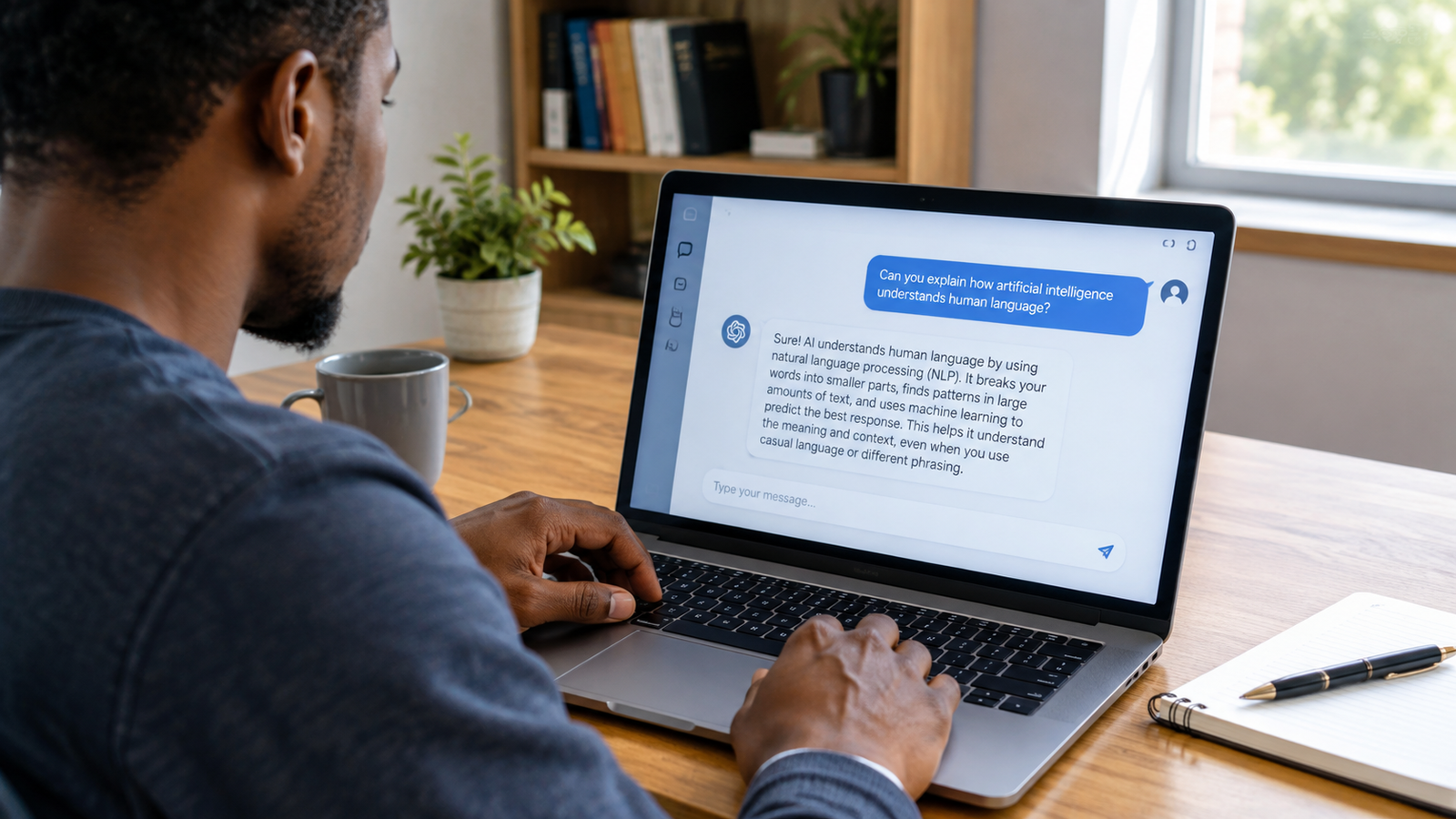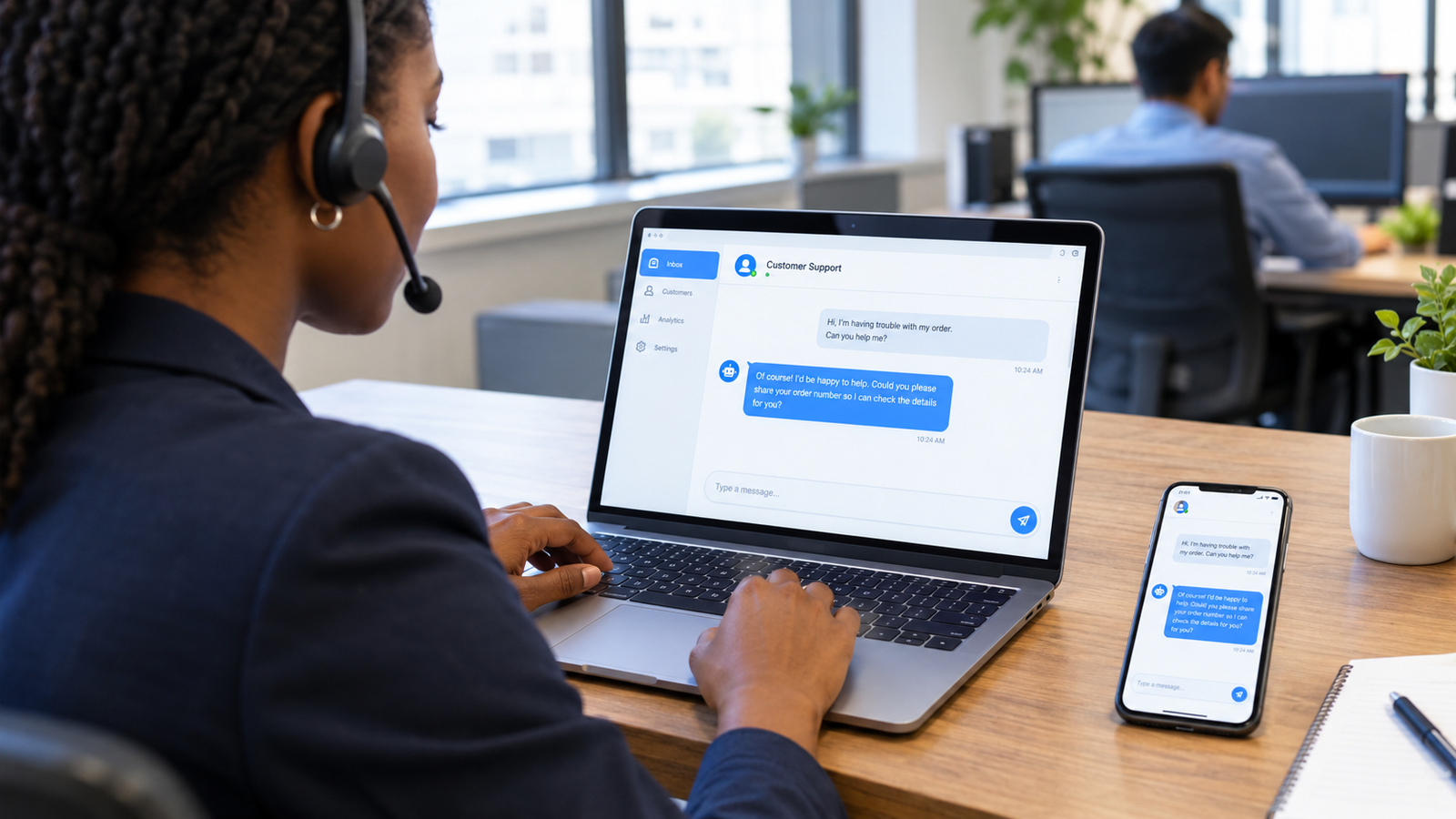
Chatbots have integrated into the fabric of business and personal communication which is a large part of what we do online today. From customer support to product recommendation we see the digital assistant’s value in making that which was once slow now almost instant. Also many companies are using chatbots for support which goes beyond business hours, for also to reduce the mundane work for support agents and to immediately get the customer the info they are looking for without having to wait for a representative.
Chatbots use a variety of technologies to process and return messages. Some work off a set list of rules, while also some which use artificial intelligence (AI) to interpret what is asked and to answer in a more natural way. Hybrid chatbots are a mix of both and present the best of controlled and flexible support. In this article we look at chatbot technology, the primary types and what they do, the benefits, and issues that businesses should bear in mind.
What Is a Chatbot?
A chatbot which is a type of software application that puts out text and/or voice based communication with people. It is able to answer questions, give out info, follow out instructions, and also to run certain tasks.
Chatbots are present in websites, mobile apps, and messaging platforms. For instance an online store may have a chatbot that goes into detail about shipping policies, puts forth product recommendations, or helps customers with order tracking. Thus businesses are able to field common questions which in the past required employee intervention.
Improving access to digital services.
How Does a Chatbot Work?
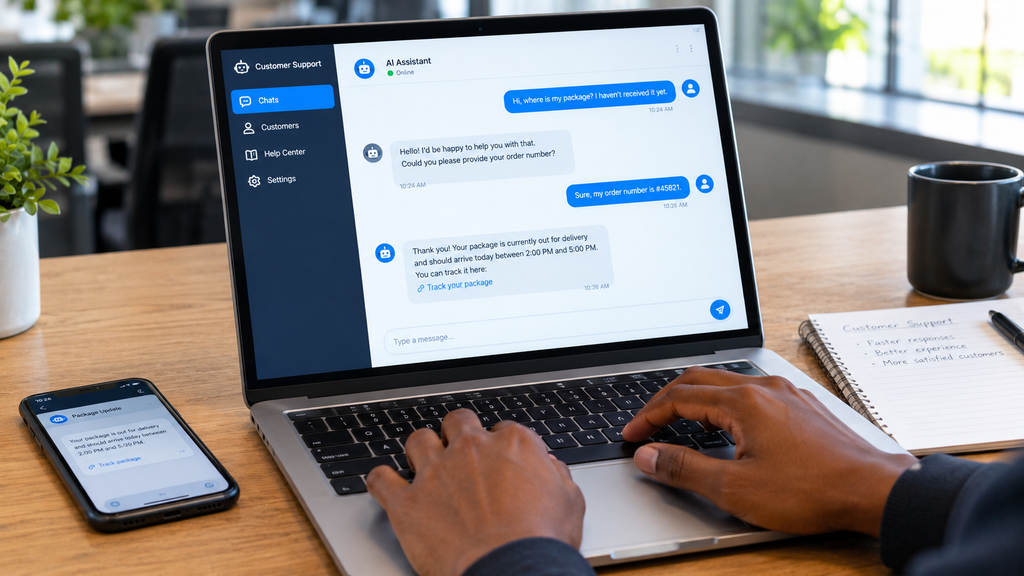
A chatbot’s function is to receive a user’s message, interpret the request, and put together an appropriate response. Chatbot technology makes this possible through predetermined rules, natural language processing, and artificial intelligence models. The system determines whether to answer directly, look up information, or ask for more details before responding. This process happens quickly, allowing users to get the information they need without waiting for a human representative.
In the past a customer would ask for instance “Where is my package? in which a simple chatbot would give out tracking info. A more complex chatbot would ask for the order number and get the delivery info out of the company’s system. Also some chatbots at this point can pass off the conversation to a human representative when the issue at hand becomes too complex or too sensitive. Their performance depends on accurate info, proper programming, and also reliable system integration.
Types of Chatbots
Chatbots generally fall into three categories: Rule based chatbots, AI powered chatbots, and hybrid chatbots. What they bring to the table is different in terms of flexibility.
Rule based systems do predictable questions in their sleep, AI powered systems interpret a large variety of what the user is asking, and hybrid systems they are a mix of both. What is best is based on what the organization is trying to achieve, what they are willing to put in terms of budget, and the complexity of what they have from their customer base.
1. Bespoke chatbots which follow rules.
Rule based chatbots use pre determined rules, decision trees, and keywords in response to users. Chatbot developers set out how the bot will react to certain messages or menu choices.
For example if a user chooses “Delivery Info” the bot may report shipping costs and delivery estimates. Also these systems are very easy to manage and do well with common questions, appointment setting and basic issue resolution.
However we see that which rules based chatbots put in place do not do well with unexpected questions or unfamiliar phrasing. A system which is programmed to recognize “What are your opening hours? may not get “When can I visit? unless that alternate phrase is included in the programming.
Also it is up to businesses to frequently update their rules and to present customers with clear options for when they need more help.
2. AI enabled chatbots.
AI which powers chatbots uses artificial intelligence to interpret and also to put together more flexible responses. What a chatbot’s design is like will determine which it uses natural language processing, machine learning, large language models in order to identify intent and break down the many ways a question may be asked.
Also, a chatbot may note that “My password isn’t working” and “I am unable to get into my account” are of the same issue. This flexibility which chatbots have at their core is what makes them useful for customer service, education, and any situation out there which has lots of varied questions.
However, in many cases what we see is that AI chatbots do in fact misinterpret requests and put out inaccurate info. Also some chatbots may present as very accurate at first glance but in actuality be wrong which is what we call hallucination.
What we note also is that organizations can decrease the scope of these issues by which I mean use of trusted info sources, checking responses, and at times, bringing in human input into the mix for major decisions. Also it is noted that AI chatbots work best when what they are asked to do is in fact what they are designed and programmed to do.
3. Mixed Chatbots.
Hybrid chatbots which are a mix of pre determined rules and AI features. They are able to use natural language at the same time as they follow in depth procedures for certain tasks which require it.
For example an online store may use AI to answer product questions but follow a set routine for issues like returns or account changes. This method provides more flexibility than a completely rule based system and it also gives control over what is important.
Hybrid systems’ development and maintenance is an intensive process which in turn their AI elements, databases, and rules must do so in concert. But we see them in use at companies which have a mix of basic and in depth customer questions.
When they are put in place right they offer a great middle ground between flexibility and reliability.
Essential Features of Chatbots
Chatbots which may also be called virtual agents include pre programmed responses, natural language processing, personalization, multilingual support, and they may also interface with business apps.
What features to include is based on what the company is trying to achieve. A very basic chatbot may only have set out responses to issues, while a more complex system may require access to customer info or to schedule appointments. We choose features which add value to the business and which also do not bring in unneeded complexity.
Natural Language Understanding
Natural language processing allows chatbots to determine the intent behind what users are saying which in turn is better than just using exact keywords.
For example a chatbot may recognize that “I want to return my order” and “How do I send this product back? are related to the issue of returns. This is making the conversations flow more naturally and we see less dependency on menus. At the same time some issues arise with unclear language and lack of context which still leads to misinterpretations.
Automated Responses and Integration
Automatically chatbots’ responses to common queries of delivery, pricing, open times, and account issues are put out by automated responses.
In terms of more complex issues we see chatbots which have the ability to personalise answers out of the info which they are allowed to use. Also we see chatbot integrations with databases, scheduling tools, and customer management systems that enable chatbots to get info and help out in things like order tracking and appointment check in.
Another key feature we have is human handover which at the point of a chatbot’s failure passes the conversation to a staff member.
Also we see that by including reliable integrations with human support teams we are able to better serve our customers.
Benefits of Chatbots
Chatbots which do for businesses what is to automate repetitive tasks, give instant responses, and which in turn make info more accessible.
Customers get convenient assistance out of it and employees are able to put their energy into complex issues which require judgment and personal touch. At the same time it is true that these benefits put forth by chatbots are dependent on the chatbot’s accuracy, design, and how well it is put to use for what it is intended.
24/7 Availability and Faster Responses
Chatbots which operate outside of regular business hours are available for customers to ask questions any time during the night, over the weekend, and during holidays.
Also they are able to handle multiple conversations at once which in turn is a great value to companies that get a large number of questions. Though they may not be able to resolve all issues they do answer the most common questions and direct users to other resources for more help.
Reduced Costs and Improved Productivity
By way of answering the same questions over and over chatbots reduce what employees spend on routine requests.
In the case of a customer service team they may put forward common questions regarding password recovery, delivery times, and return policies. Thus employees may put their effort into more complex issues. But what is also true is that companies must factor in the implementation, maintenance, testing and monitoring costs when they are determining the financial picture.
Consistent Communication and Scalability
A well maintained chatbot will provide the same answers to common issues which in turn helps manage the increase of customer inquiries.
For instance an online business that experiences seasonal demand may automate the response to delivery related issues and have their staff deal with complaints and out of the ordinary order issues. Also very important is that you constantly update what the automation says to make sure it is on point and related to current issues.
Common Applications of Chatbots
Chatbots see action in many industries which use them for info provision, better communication, and admin tasks automation.
They range from simple question responses to support which goes out into connected software systems. Also it is out there that companies must pay attention to industry specific needs especially when it comes to private info handling or sensitive decisions.
Customer Service and Online Shopping
In the world of online shopping, businesses use chatbot technology to address customer questions about products, delivery, and account services. Chatbots can help customers compare products, find what they are looking for, track orders, and understand return policies. This makes shopping more convenient while reducing repetitive inquiries. Businesses can also explore how AI in customer services helps support teams respond to routine questions and manage more complicated customer issues. However, transactional problems and complaints that require personal attention still need accurate information and access to a live agent.
Banking and Financial Services
Banks use chatbots for account services, we also see them give out branch info, and walk customers through routine issues.
Also, some systems put out info for authenticated users on their transaction history or how to get around mobile banking. At the same time in the financial field we have very secure systems and very careful handling of private info. Sensitive transactions and disputed payments will still go to trained personnel.
Education and Healthcare Administration
Educational organizations use chatbots for admissions, registration, schedules, and campus services.
Also we see that out of the AI powered systems are used for students’ benefit in terms of they break down academic concepts and also present practice learning activities. In health care we see that chatbots are used for appointment info, to go over clinic processes, and to send out reminders. Also it is very important that personal info is protected and also that these not be used as a substitute for trained professionals which is when medical advice is needed or in an emergency.
Limitations and Challenges of Chatbots
Chatbots may not always correctly interpret a user’s queries, also some may provide old info. At times they do very poorly in terms of emotional and complex issues.
Also it is seen that which is based out of rules has a hard time with unforeseen questions from users, also AI based ones may put out inaccurate info. What we see is that companies should be testing out their chatbot tech, have accurate info at all times, and also have in place a system for routing to human reps issues that aren’t resolved by the chatbot.
Privacy is an issue of the same importance as security. Chatbots which may deal with personal info or which connect to business databases present risks which are a result of weak access controls.
What we see is that organizations should put in place proper authentication, secure stored info, reduce permission access, and also report on what is done with conversation data. Also for this to play out right we see the need for regular security audits and open privacy policies.
How to Choose the Right Chatbot
Selecting a chatbot is a first to identify which processes in an organization you want to automate. For simple questions, which is the bulk of inquiry, may a rule based system do fine for some businesses, others which get a wide range of requests may do better with AI powered chatbots.
Also we see hybrid systems to be a good fit when you have some very flexible conversations to go along with more structured business processes. Also in the mix are issues of cost, accuracy, integration requirements and data protection.
Before we roll out a chatbot we recommend that companies test out a wide range of questions from the common to the unusual and at the same time measure the response accuracy, customer satisfaction, and successful resolution rates.
We also see value in regular updates which help to keep info current and relevant as customer needs change. The best chatbot is one that does what it is meant to do very well and also provides a great user experience.
The Future of Chatbot Technology
Artificial intelligence progress is seeing chatbots perform better at understanding natural language, summarization of info, support of many languages, and performing tasks which require multiple steps.
We see growth in the use of systems which pull info from approved tools and finish set workflows which go beyond just answering questions. Also which in turn may see improvement in efficiency in customer service, shopping, education and admin.
Also at present day which is the case for advanced chatbots they still require solid info, secure integration, testing, and human supervision.
Also what we see is that companies must put in place measures which will make their systems transparent regarding what they do and don’t do also which in turn will put an end to false claims. The future of chatbot tech will play out based on how well businesses use these tools to address real issues.
Conclusion

A chatbot is a software application that has the ability to communicate with users via text or voice to answer questions and perform automated tasks.
In what is known as rule based chatbots they follow pre determined instructions, AI powered chatbots interpret natural language more flexibly, and we also have hybrid chatbots which are a mix of both. They put in play in customer service, online shopping, banking, education and health care administration.
Although chatbots do better at communication, and in some cases have as their role to take care of the repeat requests but also at times see them go wrong which is when they cross privacy lines especially with poor design.
What organizations have to do is choose what best suits them, which may include maintaining clean data sets and protecting the info of users, also to put in place human help when it’s needed. As we see the success of which these are used when they are put out there in a responsible way we note how they bring out the access to daily services and also how they uphold the value of human input.