The excitement of the purchase of a new car in 2026 can also bring confusion. There are a variety of choices available to the shopper today, such as the good ole fashioned gas-powered car, the standard hybrid, plug-in hybrid (PHEV) and the fully electric vehicle (EV). Two cars may be priced identically, but can have vastly different costs of running, space, technology, maintenance and ownership. That’s why when it comes to picking one of the best cars to buy in 2026, one shouldn’t just go by a manufacturer’s advertised starting price. The information below compares current pricing, efficiency, safety, practicality, technology and reliability ratings for nine significant 2026 models—the Toyota Camry, Honda Civic, Toyota Corolla, Honda CR-V, Toyota RAV4, Hyundai Tucson, Kia Sportage, Tesla Model 3 and Hyundai Ioniq 5. The idea is not to single out one single winner, but to show which cars are the best fit for various budgets, driving habits, family requirements and car ownership preferences.
What makes a car ‘One of the best to buy in 2026’?
A good 2026 car should offer a reasonable trade-off between its purchase and ownership price. The purchase price is important, but so are fuel/ electricity costs, insurance, maintenance, warranty, safety items, comfort, resale value, reliability and the nuts and bolts of the day-to-day running of the vehicle. The purpose of this is to make sure that a car which is $2,000 less expensive up front isn’t necessarily the value. Likewise, an EV that is very expensive may be a wise purchase for a driver who drives a high number of miles per day and can charge his or her car for a small charge, but may not be smart for a driver who cannot charge his or her car at home because the electricity is too costly. Reliability should also be considered in a probabilistic manner: Consumer Reports’ 2026 predictions, for instance, are heavily based on past model-year information, which means that while they give a good idea of whether reliability is going to be a problem, they cannot guarantee that any specific vehicle will be reliable.
Cost and overall quality:
The manufacturer’s suggested retail price (MSRP) is just the first step in determining the cost. For example, Toyota lists the 2026 Corolla from $23,125, the Camry from $29,600, and the RAV4 from $31,900, while Honda lists the 2026 Civic sedan from $24,695 and CR-V from $30,920. The numbers are typically for the vehicle only, and do not include any combination of destination, taxes, registration, dealer charges, optional equipment, or other charges. The difference is starkly demonstrated by Honda’s published CR-V prices: the manufacturer quotes a $30,920 MSRP for its base LX model, but $32,370 with its estimated $1,450 destination charge. Kia offers the 2026 Sportage LX for $28,790 with a destination charge of $1,495. So when comparing 2026 car prices, one has to compare the equivalents, not the lowest price quoted for the car’s starting trim.
The fuel consumption and running costs are included.
Fuel economy refers to the distance that a gasoline or hybrid car can go on a single gallon of fuel; typically measured in miles per gallon (MPG). The higher the MPG rating, the less gallons will be used for a specified distance, and the more money will be saved over thousands of miles. Mixing gas and electric motors in the same vehicle, hybrids can generate electricity from the brakes, making them especially efficient in stop-and-go traffic. Plug-in hybrids feature a rechargeable battery that can offer limited electric-only driving before the gas-powered engine is more significant. Unlike gasoline-powered cars, EVs have no fuel cost, so the factors to consider are the range of the battery, electric costs, charging time, and the availability of charging stations. The difference is significant too: the 2026 Corolla Hybrid LE has a rating of up to 53 city/46 highway MPG, while the 2026 Camry LE gets up to 52 city/49 highway MPG — showing that efficient powertrains can make a big difference to running costs over the long haul.
Best Cars to Buy in 2026
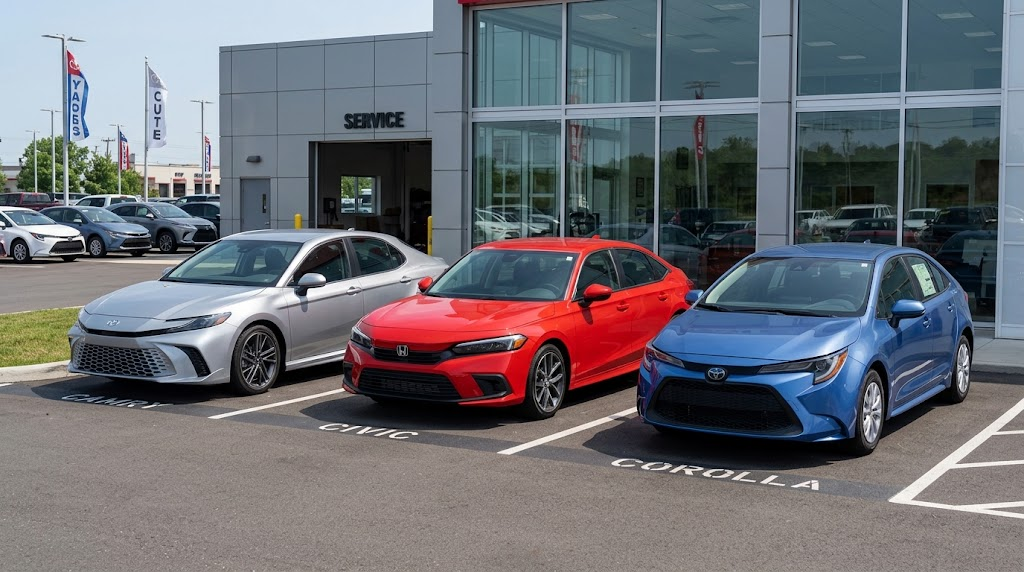
The models below do not focus on any one type of vehicle, but instead reflect a number of the key components of the 2026 market. Those looking for an entry-level sedan can consider the Corolla, while the Toyota Camry and Honda Civic offer effective options. The CR-V, RAV4, Tucson and Sportage cater for the growing and growing compact-SUV segment. The Tesla Model 3 is a representation of the electric sedan market, and the Hyundai Ioniq 5 delivers an electric crossover option. Importantly, these cars employ different strategies of powertrain. The Camry is hybrid only, the Civic/Corolla has gasoline and hybrid options, a number of SUVs have gas and electrified versions, while the Model 3 and Ioniq 5 are all-electric. The difference is relevant because a hybrid doesn’t usually need to be plugged into power, a PHEV uses electric driving and gasoline backup, and an EV can’t reach the gasoline station without power. As a result, which car is the best for 2026 is highly dependent on use and environment.
Toyota Camry
2026 Toyota Camry is one of the best options for those looking for a midsize sedan that offers solid fuel economy, but not the plug-in electric option. The Camry LE starts at $29,600 before extra charges, and has an EPA-rated 52/49/51 MPG in city, highway and combined driving mode, respectively; higher trims and AWD versions offer different ratings. The Camry is powered by a 2.5-liter four-cylinder hybrid system and is available with front or all-wheel drive, offering an odd mix of sedan comfort, efficiency and traction options for buyers. Toyota also offers its Toyota Safety Sense system; and the 2026 Camry received an IIHS Top Safety Pick+ rating, including Good ratings in all major crashworthiness tests and standard blind-spot detection. The 2026 Camry will be even more reliable than the average new car for the limited data that is available from the previous year, Consumer Reports predicts. If you’re in the market for a traditional sedan, the Camry is one of the most even options.
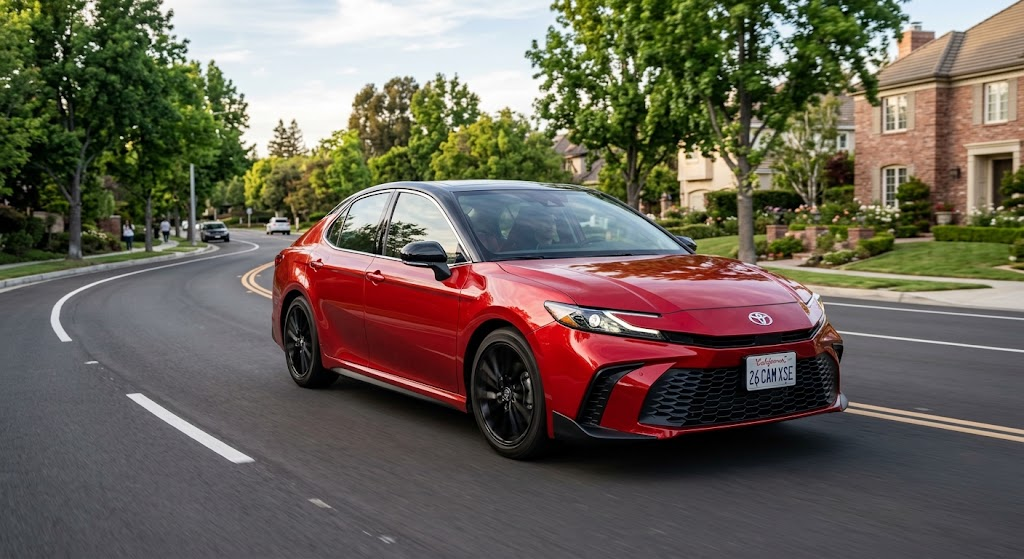
Since this is Toyota’s official model information, it can be especially helpful for buyers interested in the 2026 Toyota Camry to see the difference in price and mileage between trims and drivetrains. The highest MPG rating is not the only benefit of the Camry; it is how efficiency is paired with a spacious interior for five occupants, a traditional sedan ride and respectable driving controls, along with a wealth of driver-assistance systems and comfort options on higher trim levels. Body style is the obvious drawback; anyone who carries heavy suitcases, bicycles, lots of shopping and heavy family gear may prefer a compact SUV. However, if commuting, highway driving, stable fuel costs, interior comfort and bottom-line reliability are a customer’s top priorities, then the Camry is certainly one of the most reliable cars 2026 customers can evaluate. It also has a relatively low starting price, and for those who don’t require SUV cargo flexibility it’s becoming a smart sedan choice over many of the well-equipped compact SUVs available.
Honda Civic
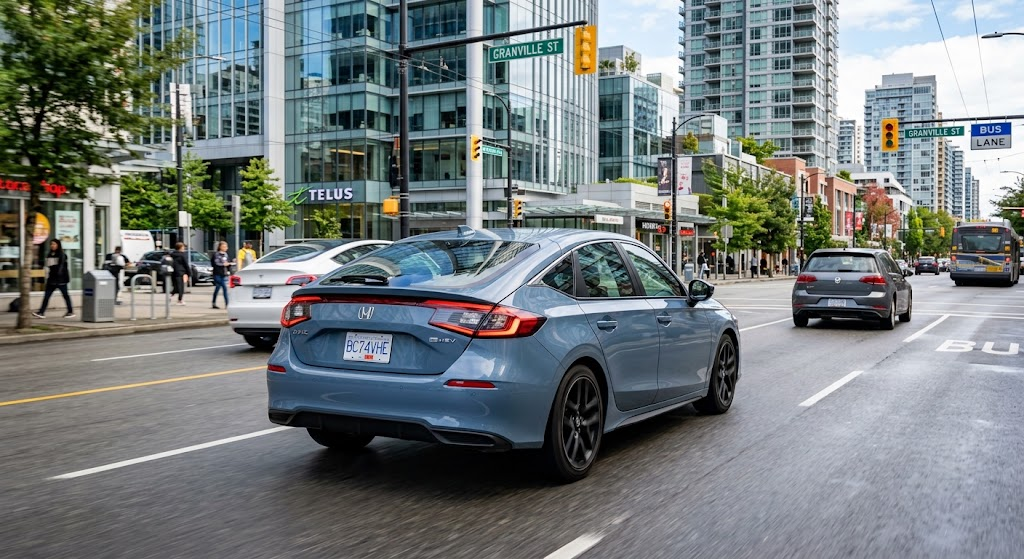
Honda’s 2026 Civic is an excellent compact car option with its entry-level pricing, hybrid and gas options. The hybrid Civic sedan starts at Honda’s $29,395 and a 32 city/41 highway MPG rating, while the standard Civic sedan begins at Honda’s $24,695 and a 32 city/41 highway MPG rating, according to the figures Honda’s model information lists. Buyers who prefer to have a bigger space back may wish to choose a hatchback version as well. The Civic is also well underpinned in terms of safety: The Insurance Institute for Highway Safety has awarded the 2026 Civic the Top Safety Pick rating, and it earns Good ratings in a handful of crashworthiness categories and lane-departure warning and prevention as standard equipment. Consumer Reports also estimates the 2026 Civic will be even more reliable than the average new car by Civic’s previous model years. The Civic is the perfect car for commuters, first-time car buyers, and small families, showing that a small sedan or hatchback may sometimes be a better value for some than a similarly-priced SUV.
Toyota Corolla
The Toyota Corolla is still one of the best examples of an inexpensive car that will provide low running costs without the need for EV or large vehicles. The 2026 Toyota Corolla is priced at $23,125 and comes in gasoline and hybrid versions. The basic Corolla gets 32 city/41 highway miles per gallon, while the Corolla Hybrid LE gets 53 city/46 highway miles per gallon, making the hybrid one of the most fuel-efficient cars in the 2026 market in this vehicle price range. The price of the hybrid is $24,975, which is only a bit more expensive than the base gasoline model, before destination, other costs and customs are added. Standard features include Toyota Safety Sense 3.0, as well as a range of available larger digital displays and Apple CarPlay and Android Auto compatibility on suitable trims. While the 2026 Corolla earns Good ratings in some areas of crashworthiness, its new moderate-overlap front rating isn’t as high as some of its rivals. But Consumer Reports still believes the 2026 Corolla will be more reliable than the typical new vehicle, which are also the ones that will be most appealing to the budget-minded commuter.
Honda CR-V
The Honda CR-V 2026 will be marketed towards those seeking greater spaciousness and versatility than a sedan offers. Honda’s published price list runs from $30,920 for the LX 2WD, up to $35,630 for the hybrid Sport Hybrid 2WD. The CR-V LX gets 28 city/33 highway/30 mpg; the Sport, 43 city/36 highway/40 mpg. This is especially favorable for anyone who would like the benefits of an SUV, but not the fuel usage that often comes with them. A series of driver-assistance features, smartphone connectivity and optional comfort upgrades are also offered as customers upgrade through the trim levels. Consumer Reports estimates the 2026 CR-V will be more reliable than the average new car, and even though the new moderate-overlap front test result is a Poor rating, IIHS testing indicates the car rates Good in several crashworthiness tests. However, the CR-V’s all-new moderate-overlap front test had a Poor rating, so buyers shouldn’t assume that popular models are automatically perfect safety testers.
Toyota RAV4
The 2026 Toyota RAV4 is interesting, in particular, because Toyota has turned its new RAV4 generation in the U.S. toward electrified powertrains, where a hybrid version is offered as a standard model, and a plug-in version is offered separately. The 2026 RAV4 LE is Toyota’s base model, with an estimated 47 city/40 highway MPG and a $31,900 price tag.The base 2026 RAV4 LE is priced at $31,900, and it features an estimated 47 city/40 highway MPG. Toyota is also offering the 2026 RAV4 Plug-in Hybrid, which is priced at $41,500, and the SE variant with an EPA estimated range of 54 miles, and a combined net horsepower of 324. That’s why the RAV4 is intriguing to two distinct customers: the traditional hybrid driver who isn’t about to start charging the car and the plug-in driver who wants to drive for a much longer period on electricity but who also needs a reliable gas-powered engine when plugging isn’t an option. Toyota Safety Sense 4.0 will also be added to the RAV4, including Lane Tracing Assist, while Consumer Reports predicts the redesigned 2026 version to be more reliable than the average new car, based on the previous generation and Toyota’s brand score.
Hyundai Tucson
For the tech-centric, the warranty-focused, and the ones who prefer a choice of both powertrain and model, the 2026 Hyundai Tucson is an interesting compact SUV to consider. The gas Tucsons, with front-wheel drive, will cost $29,700, while AWD versions will be $24 city/30 highway/26 combined. According to Hyundai’s current model information, the Tucson Hybrid starts at $31,300, and can deliver 38 combined MPG when equipped with the FWD SE model. Meanwhile, the plug-in hybrid offers 32 miles of all-electric range and 35 combined MPG in Hyundai’s published estimates. A 12.3-inch touchscreen, wireless Apple CarPlay and Android Auto, and a wide array of driver-assistance systems are standard on all trims, along with a variety of extra features like a digital instrument cluster, leather seating, panoramic roof and advanced parking systems on higher options. Consumer Reports Project 2026 reliability is “above average” but there are several 2026 recalls; thus, buyers should verify the VIN and check the current status in the recall before buying a 2026.
Kia Sportage
Another compact SUV with a focus on space and features will be the 2026 Kia Sportage.The 2026 Kia Sportage will be a compact, space-focused SUV with a focus on equipment. The gasoline Sportage LX offers Kia a starting price of $28,790, on top of the $1,495 destination charge, while the Sportage Hybrid LX begins at $30,490 before destination. An interesting hybrid is the LX FWD as the current EPA based figures put its combined MPG rating at approximately 42 mpg, whereas other hybrid trims range from the mid-30s depending on configuration. The Sportage also has a spacious interior, adequate displays on matching models, a smartphone integration, a choice of available all-wheel drive and a comprehensive driver’s assistance package. The 2026 Sportage receives a Top Safety Pick+ rating from IIHS, and scores Good in the key crashworthiness tests and Good in the standard front crash prevention system. Consumer Reports expects that the 2026 Sportage will be more trustworthy than the typical new vehicle. The Sportage is one of the best values for buyers seeking SUV space, plenty of standard or optional technology, and a reasonable hybrid option.
Tesla Model 3
The 2026 Tesla Model 3 is a completely different proposition for the buyer as it will be all electric, and that means no gasoline purchase or many of the routine maintenance items associated with the engine. According to Tesla’s current Model 3 information, the base version costs $38,630 in Massachusetts (excluding taxes and other fees), and offers an estimated range of 321 miles. The Premium version will cost $44,130 and offer EPA range estimates of 346 miles; the Performance version starts at $56,630 and offers EPA range estimates of 309 miles. Tesla promises eight years or 100,000 miles for its battery and drive-unit warranty, and states that it offers up to 225-kW Supercharging. As a result of these numbers, the Model 3 can be appealing to those who appreciate electric performance, range, software advanced technology, and quick charging. The key factor is infrastructure: an EV will function best when the owner has reliable home, workplace, or public charging. It is also important for buyers to keep in mind that the vehicle’s price advertised by Tesla is subject to change and may differ from market to market.
Hyundai Ioniq 5
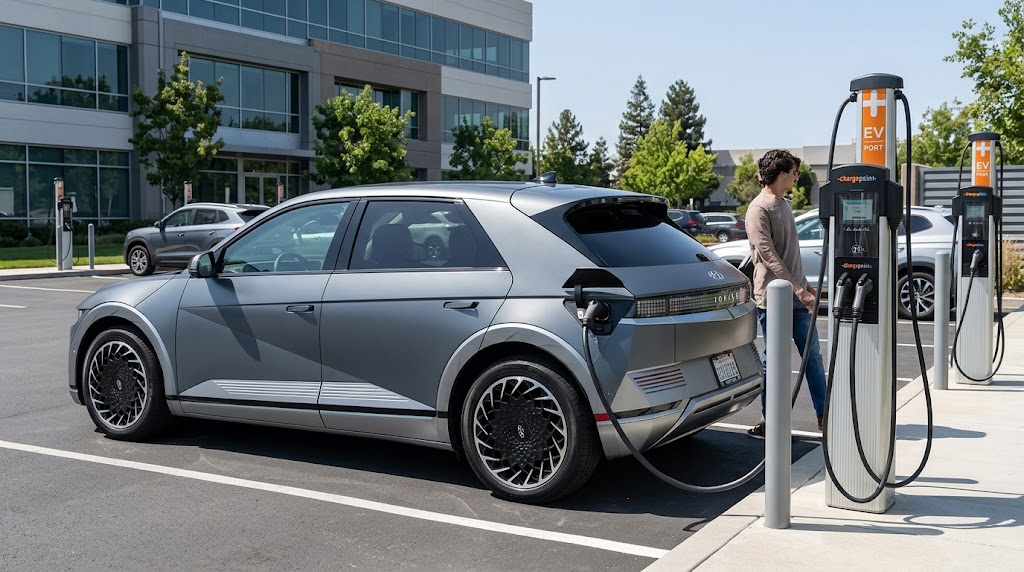
The 2026 Hyundai Ioniq 5 is an electric crossover with a relatively large cabin, excellent charging infrastructure and a unique exterior. The 2026 Ioniq 5, which Hyundai says is its most affordable electric vehicle yet, is priced from $35,000 before freight and other costs, with EPA ranges ranging up to 318 miles for qualifying SE, SEL and Limited rear-wheel-drive variants. Other models have lower ranges, such as the 290-mile AWD option for some models and the 245-mile standard-range SE RWD. One of the Ioniq 5’s biggest benefits is its 800 volt electrical architecture that allows for fast DC charging if it is plugged into a strong charger. IIHS rates the 2026 Ioniq 5 as a Top Safety Pick+ for 2026, and the car earns Good ratings for crashworthiness and has standard blind-spot detection, lane-departure warning/prevention, and rear automatic braking. Consumer Reports gives it a thumbs up rating for acceleration, handling, interior space and rapid charging, but predicts it will have average reliability for 2026 and also mentions 2 NHTSA recalls, emphasizing the importance of considering its track record and recall data when assessing its impressive technology.
Buyers looking for the best cars face the problem of finding the right model for them.
Before deciding on the best car for drivers, there is no meaningful way to determine which car is best without first establishing the buyer’s priorities.
The Toyota Corolla Hybrid and Toyota Camry Hybrid offer very good fuel economy estimates, but they are still very convenient to fuel with gas. For those looking for a tight budget, the Corolla Hybrid will be a more appealing choice, and the Camry will be a larger, more comfortable midsize sedan for those with more money for their purchase. Consumer Reports has a favorable to above-average outlook for the Toyota Corolla, Toyota Camry, Honda Civic, Honda CR-V, Toyota RAV4, Hyundai Tucson and Kia Sportage, but warns that predictions are based on past data and do not guarantee performance. The Honda CR-V, Toyota RAV4, Hyundai Tucson and Kia Sportage are more useful than compact sedans for family use thanks to their elevated seating position, flexible cargo spaces and more SUV-like storage.
The Tesla Model 3 and Hyundai Ioniq 5 are targeted at slightly different customers in the market for electric cars. The Model 3 is a lower, sedan-shaped machine that pairs decent range with decent performance, convenient charging and software-based technology while the Ioniq 5 offers crossover versatility, a higher seat and super quick charging. The best electric car on the market isn’t always the one with the longest published range, however, charging convenience, home electricity, public charging stations, climate, miles driven, and road trip habits all factor into the equation. The Toyota Corolla is hard to ignore when considering the best affordable car, with the base model starting at $23,125, and the hybrid version, which delivers up to 53 city/46 highway MPG, starts at $24,975. If you’re on a more moderate budget but want an SUV, the Kia Sportage and Hyundai Tucson should also get your consideration as both options offer fairly approachable starting costs and hybrid options.
You can compare 2026 Cars based on their price, fuel economy, reliability and features.
| Car | Approx. 2026 Starting Price | Fuel Economy/Range | Powertrain | Key Features | Best For |
| Toyota Camry | $29,600 | Up to 52/49 MPG city/highway | Hybrid | Ensuring safety, efficiency, comfort, connectivity. | Daily driving |
| Honda Civic | $24,695 | Saves as much as 50/47 MPG in city/highway driving conditions | Gas/Hybrid | Safety and utility, and smartphone connectivity. | Commuters |
| Toyota Corolla | $23,125 | Although the hybrid city/highway rating drops to 53/46, the numbers are still impressive. | Gas/Hybrid | Affordability, efficiency, safety tech | Budget buyers |
| Honda CR-V | $30,920 | This is a hybrid vehicle that produces up to 43/36 MPG in city and highway driving, respectively. | Gas/Hybrid | The space, safety and cargo flexibility. | Families |
| Toyota RAV4 | $31,900 | Up to 47/40 MPG hybrid city/highway | Hybrid/PHEV | AWD availability, efficiency and technology | SUV buyers |
| Hyundai Tucson | $29,700 | Up to 40/35 MPG hybrid city/highway | Gas/Hybrid/PHEV | The list of features includes technology, warranty, flexible powertrains. | Value seekers |
| Kia Sportage | $28,790 | Lowest combined MPG hybrid rating of up to 42 | Gas/Hybrid | Space, features, safety | Families |
| Tesla Model 3 | About $38,630 | Up to 321+ miles EPA Range | Electric | Range, software, charging | EV buyers |
| Hyundai Ioniq 5 | $35,000 | Including up to 318 miles EPA range. | Electric | The speed of charging, room, comfort. | EV/crossover buyers |
These are only approximate numbers and not intended for any final purchases. Manufacturer prices may not include destination charges and dealer prices, taxes, registration, incentives, financing and options can all significantly alter the price that a buyer pays. Other estimates include fuel economy and EV range. Real world results could vary due to driving speed, traffic, weather, temperature, load, driving style and climate control. For instance, the 2026 RAV4’s MPG ratings are different for each trim, and the range of the Ioniq 5 can be drastically different based on drivetrain and battery size. The table should therefore help buyers to whittle down their list of possibilities and then check the latest specs for the actual trim before ordering or committing to a purchase agreement.
How to Pick the Proper Car in 2026
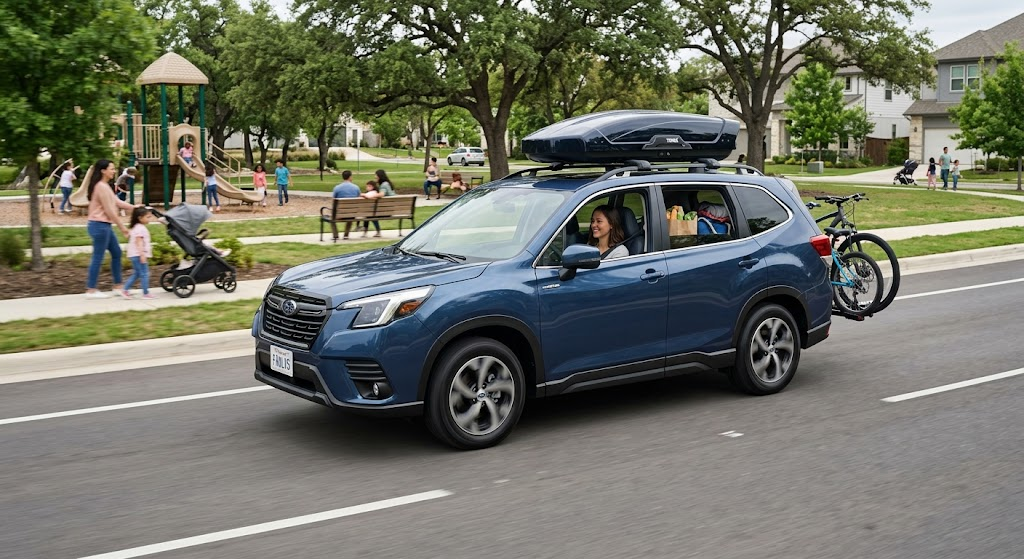
The first step to selecting the best cars for 2026 is to begin by considering how you will use the car. If someone drives 50 miles a day, they can save a lot of money with a hybrid due to the savings in fuel consumption over time. If you have a brief commute, reliable access to charging at home, and if you regularly drive in places with fewer charging stations, an EV might be even more appealing, or you might choose a hybrid or gas car. Families should focus on the interior space of the vehicle as measurements of cargo space should not be based on outside dimensions alone, and buyers should determine if child seats or passengers are comfortable and if luggage or work equipment fit comfortably. Other factors to take into account when budgeting include the cost of insurance, maintenance, tires, financing fees, fuel/electricity, registration and depreciation. Finally, buyers need to find out exactly what equipment comes with the trim they can afford, as a low price may not seem so great if items are later added as options.
The verdict is in: Who has the best car value in 2026?
Based on this comparison, the best conclusion is that there isn’t a single car that can be said to be the best car for everyone. The Toyota Corolla is an excellent and affordable alternative that offers outstanding fuel economy, especially as a hybrid, with the Honda Civic offering a great mix of compact size, fuel efficiency, safety and handling. The Toyota Camry is especially well suited for anyone looking for midsize comfort that is hybrid efficient, while the Honda CR-V and Toyota RAV4 are solid options for families who prefer a compact-SUV for its practicality. Equipped with more features, tech and warranties, the Hyundai Tucson and Kia Sportage are particularly appealing for buyers concerned about those things. The EV shoppers will appreciate the Tesla Model 3 for its range and technology, whereas the Hyundai Ioniq 5 will be better for crossover usability and quick charging. To purchase, be sure to do a price comparison of the options in your area, review the specific features and safety equipment for the exact trim, see if anything has been recalled, get insurance quotes, test drive the finalists, and estimate total ownership costs. The price, efficiency, reliability, usefulness and features of a vehicle are what really count when it’s a good value, not just being at the top of the list in a generic article.