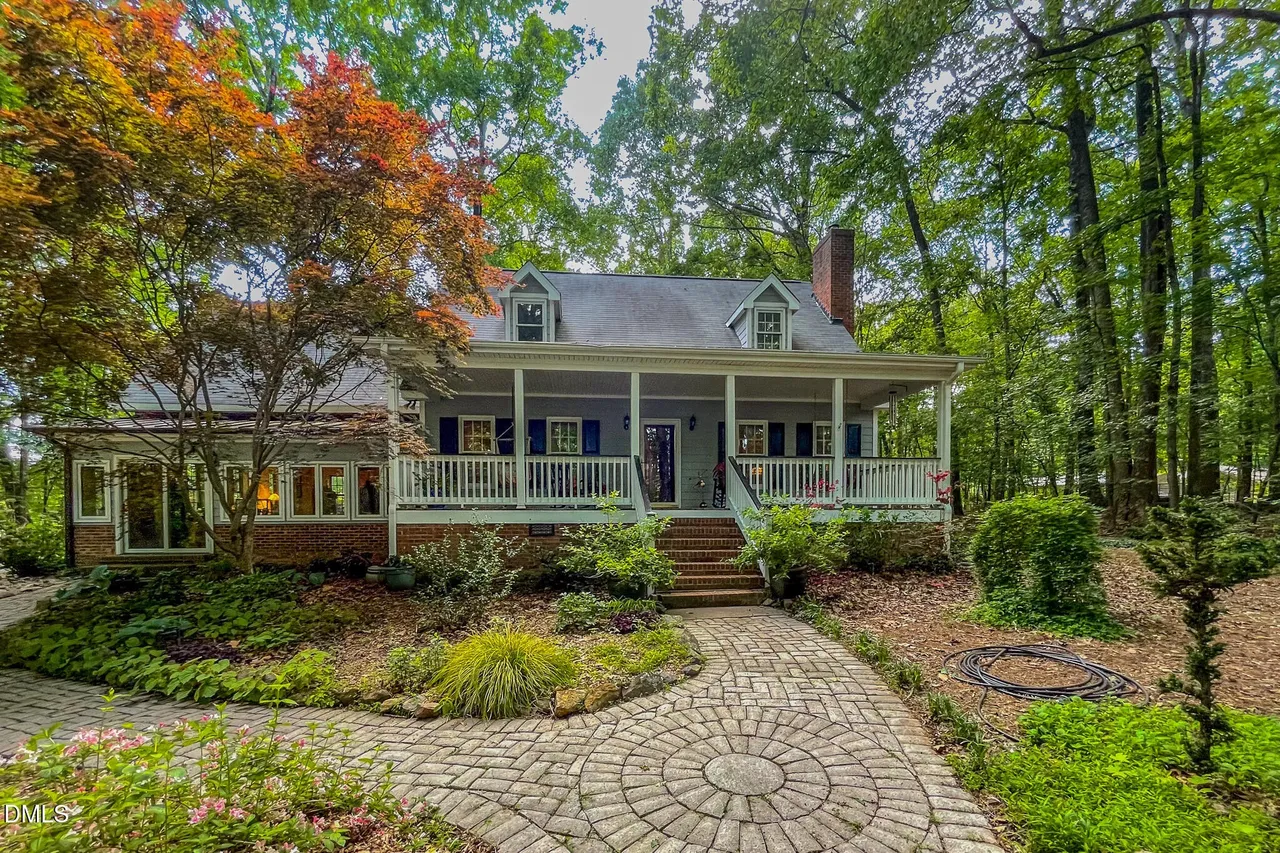
Two Roxboro listings a short walk apart can call for very different budgets. One might have a well-documented renovation; the other could hide costly work beneath an attractive finish. In this small, established Calgary neighbourhood beside the Elbow River, those differences tell you more than the average asking price. A knowledgeable local agent should help you weigh the home’s location and condition against its price-and work out what you’re comfortable paying.
How Roxboro’s Location Shapes Your Home Search
Roxboro is a single neighbourhood, not a collection of separate districts. Much of its appeal lies in its inner-city location, river setting and access to nearby communities such as Mission and Rideau Park. Even within that compact area, streets and lots can feel quite different. The listing map is a starting point, but it won’t tell you everything about how a home relates to the river, pathways and access routes.
Think about how the location would fit your everyday life. Walk the route you’d take to nearby shops, try the commute at your usual departure time and watch how people move past the property. If schools are part of your decision, check current designations and enrolment arrangements directly with the relevant school board. Living close to a school doesn’t necessarily make your children eligible to attend.
The description top roxboro real estate agent is less useful than someone’s ability to explain the trade-offs between particular homes. Ask about privacy, lot orientation, access, nearby activity and river considerations specific to each property. You want informed judgement from someone who’s willing to point out the drawbacks, too, rather than give you a glowing account of the neighbourhood.
What Local Sales and Listings Can-and Can’t-Tell You
A handful of sales in a small neighbourhood can make a price trend look more dramatic than it is. Several extensively renovated homes might sell in one period, followed by older homes in the next. That shift can change the average price without signalling a comparable change in underlying values. The mix of homes sold matters.
Your agent should prepare a comparative market analysis, reviewing relevant sold homes, active competition and other listing evidence. Each tells you something different. Completed sales show what buyers have paid, while active listings show the alternatives available to you. Asking prices, though, are sellers’ expectations-not proof of market value. Expired or withdrawn listings can provide more context, but they don’t explain on their own why a home didn’t sell.
Ask the agent why they chose those comparable properties. With relatively few options in Roxboro, they may have to go farther back in time or look in nearby neighbourhoods to find useful matches. They should explain those choices carefully: differences in location, lot characteristics, renovation quality and market conditions all affect how much a comparison can tell you.
Days on market and price reductions need the same careful reading. A home that takes longer to sell may be priced ambitiously, appeal to fewer buyers or have a property issue. None of that automatically means the seller will accept a substantial discount. Where it’s available, ask to see the full listing history rather than judging the home by its latest listing date alone.
How to Compare Roxboro Homes Beyond the Asking Price
Houses with similar floor areas can differ considerably in maintenance needs, layout and usable space. A finished basement may add value, for instance, but it isn’t interchangeable with above-grade living space. Those differences matter both to how you’ll use the home and to what it will cost to own.
Look past the finishes and ask what work is documented. New cabinets and flooring reveal little about the roof, drainage, electrical system or sewer connection. Ask for available permits, invoices and warranties, along with details of what the renovations involved. An inspection can flag concerns, though it won’t uncover every concealed defect or replace a specialist’s assessment when one is needed.
The lot deserves a closer look, too. If you’re planning an addition or eventual rebuild, a large lot doesn’t necessarily mean you can build what you have in mind. Current land-use rules, setbacks, easements and flood-related requirements may limit your options. Have the relevant municipal information and title documents reviewed before counting a future project as part of the property’s value.
For a more useful comparison, sort costs into three groups: work needed soon, maintenance likely within your planning horizon and improvements you’d like but don’t need. That gives you a clearer basis for weighing a move-in-ready home against a renovation property, rather than treating the purchase price as the only difference.
What to Check Before Making an Offer in Roxboro
Given Roxboro’s river setting, property-specific flood due diligence deserves particular attention. Calgary’s 2013 flood is part of the area’s history, but it doesn’t tell you what happened at any one address. Ask about known water entry, damage, remediation and protective work completed since. Check current official flood mapping and available municipal guidance as well, while recognising that no map can guarantee a property will stay dry.
Contact an insurer early and give them the exact address. Find out what water-related coverage is available, which exclusions and deductibles apply, and what information they need from you. Sewer backup and overland water coverage offer different protections; don’t assume one includes the other. Both the availability and cost of insurance should factor into your purchase decision.
Before deciding on your offer terms, confirm with your lender what they need to assess your application and the property itself. Mortgage pre-approval isn’t final approval. Allow for a qualified home inspection and any recommended specialist assessment, such as a sewer scope. Gaps in the renovation records also need attention, particularly permits and approvals for significant additions, structural changes or secondary suites, where relevant.
Your lawyer should review title matters and advise on the Real Property Report and compliance documentation required under the contract. The offer also needs to set out included items, possession timing and conditions that address your actual risks. Be specific about these terms rather than leaving important details to an informal understanding.
An agent can keep the process moving, but technical and legal questions call for the appropriate expertise. Competition from other buyers doesn’t resolve an outstanding concern. It can, however, make you feel pressured to move ahead before you have the answers you need.
Setting a Budget That Includes Closing Costs
A mortgage pre-approval gives you a sense of what you can borrow. Whether those payments will feel manageable alongside childcare, savings, travel or a change in income is another matter. Base your budget on total ownership costs: property taxes, insurance, utilities and maintenance all need room alongside the mortgage payment.
Alberta has no provincial land transfer tax, but you’ll still need to budget for closing expenses. These include legal fees and disbursements, land title and mortgage registration charges where applicable, inspections, and adjustments for items such as prepaid property taxes. Moving and any immediate repairs will need cash too. Rather than using a generic national percentage, ask your lawyer and mortgage professional for estimates that reflect your transaction.
Plan separately for your deposit, down payment and cash reserve. The deposit generally counts towards the purchase funds credited at closing, so it isn’t an extra charge on top of the purchase price. Timing matters, though: you need access to that money when the contract requires it. Aim to finish the purchase with enough in reserve for unexpected work, rather than putting every last dollar into the house.
Questions to Ask a Local Agent Before You Commit
When looking for a top calgary realtor, ask them to show you how they reach decisions rather than simply describe their service. A recent, relevant sale can provide a useful test: what evidence supported their assessment, and what was difficult to judge? A thoughtful agent will be clear about what they can’t confidently conclude from limited evidence.
Find out how they investigate flood-related concerns and gaps in renovation records, and what they do when an inspection uncovers a significant issue. Clarify who will handle showings and negotiations and how quickly you can expect a response. Before signing the representation agreement, make sure you understand its terms for services, fees, duration and ending the relationship.
Useful local knowledge should help you recognise both a property worth pursuing and one you can reasonably pass on. Before making an offer, you should understand the reasoning behind the price, which questions remain unanswered and what the purchase would mean for your finances. Those are better grounds for a decision than feeling you have to act just because a Roxboro home is available.