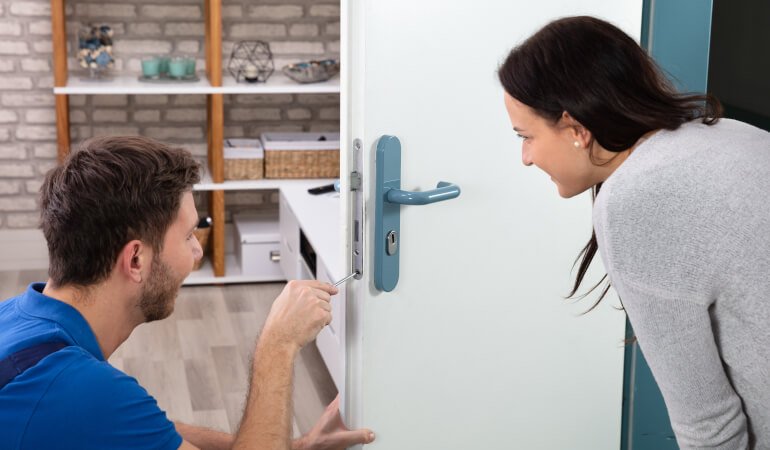
Home security involves much more than installing a strong front door lock. A property can still have security weaknesses through windows, garage doors, outdated locks, poor door alignment, or uncontrolled access. A professional Locksmith East Bay Area can evaluate these potential vulnerabilities and recommend practical solutions based on the home’s layout, existing hardware, and the way residents use the property. A proper locksmith security assessment focuses on identifying weak points before they become opportunities for unauthorized entry, helping homeowners create a safer and more reliable security system.
What Is a Home Security Assessment?
A home security assessment is a detailed inspection of the property’s entry points and locking systems. A locksmith examines the physical security features of the home and determines whether they are functioning correctly and providing an appropriate level of protection.
The assessment typically includes exterior doors, locks, deadbolts, windows, garage entrances, gates, and other possible access points. The locksmith may also review how keys are managed and whether older security systems should be upgraded.
The purpose is not simply to find damaged locks. It is to understand how someone could potentially gain unauthorized access and determine what improvements can reduce those risks.
Why Professional Home Security Evaluations Matter
Many homeowners assume that having a lock on every door means their property is secure. However, the quality, condition, installation, and placement of those locks all matter.
A professional locksmith can identify weaknesses that may not be obvious to an untrained homeowner. They can also distinguish between problems that require immediate attention and improvements that can be completed over time.
Regular evaluations are particularly useful for older homes, recently purchased properties, rental homes, and houses that have experienced lost keys or previous security incidents.
How a Locksmith Begins a Home Security Evaluation
A professional locksmith usually starts by discussing the homeowner’s concerns and understanding how the property is used.
The locksmith may ask whether there have been previous break-in attempts, lost keys, lockouts, recent renovations, or changes in household members. They may also determine which doors receive the most traffic and which areas require restricted access.
This information helps the locksmith create a security assessment that is specific to the property rather than relying on a generic solution.
Inspecting Exterior Doors
Exterior doors are among the most important areas of a home security assessment.
Checking the Front Door
The front entrance is often the primary access point and should receive careful attention. A locksmith checks the condition of the lockset, deadbolt, strike plate, hinges, and surrounding door frame.
They also examine whether the lock operates smoothly and whether the door closes and latches correctly.
Evaluating Back and Side Doors
Back and side entrances can sometimes receive less attention from homeowners even though they can be important access points.
A locksmith checks whether these doors have appropriate locking hardware and whether the frames and surrounding structures provide adequate support.
Examining Deadbolts and Locksets
Not all locks provide the same level of protection.
A locksmith evaluates whether existing deadbolts and locksets are appropriate for the doors where they are installed. They look for signs of excessive wear, poor installation, damaged components, or outdated designs.
If a lock is no longer reliable, the locksmith may recommend repair or replacement.
Checking Lock Installation
Even a high-quality lock may provide limited protection if it has been installed incorrectly.
A professional checks whether the lock is properly aligned with the strike plate and whether the hardware is securely attached to the door and frame.
Correct installation is essential for reliable operation and effective security.
Evaluating Door Frames and Strike Plates
Homeowners often focus on the lock itself and overlook the surrounding door structure.
A locksmith examines the strike plate and frame because these components play an important role in keeping a locked door secure.
If the surrounding hardware is loose, damaged, or poorly installed, the overall strength of the locking system may be reduced. A locksmith can recommend appropriate reinforcement when necessary.
Inspecting Windows for Security Weaknesses
Windows are another important part of a complete home security assessment.
Checking Window Locks
Older or damaged window locks may not provide sufficient protection. A locksmith checks whether the locking mechanisms work correctly and whether they are appropriate for the type of window.
If necessary, stronger locking hardware can be installed.
Reviewing Less Visible Windows
Windows located behind the home, near side entrances, or in less visible areas may deserve additional attention.
Homeowners sometimes overlook these locations because they are not used as primary entrances. However, every accessible opening should be considered when evaluating overall home security.
Evaluating Garage Security
Garages can provide another route into a property, particularly when the garage is directly connected to the home.
A locksmith checks garage door locks, interior access doors, and other locking mechanisms.
The connection between the garage and living area is especially important because unauthorized access to the garage may provide an opportunity to reach the main house.
Checking Gates and Outdoor Access Points
Some homes have side gates, backyard gates, storage areas, or detached structures.
These locations can be included in a comprehensive security assessment. A locksmith can evaluate gate locks and recommend more reliable hardware where necessary.
Controlling access around the perimeter can add another layer of protection.
Reviewing Key Management
Physical keys can become a security risk when homeowners lose track of who has copies.
A locksmith may ask whether previous residents, contractors, former employees, tenants, or other individuals could still have working keys.
When Rekeying May Be Appropriate
Rekeying changes the internal configuration of an existing lock so that previous keys no longer work.
This can be useful after moving into a new home, losing keys, changing tenants, or experiencing concerns about unauthorized key copies.
Rekeying can provide better control without necessarily replacing every lock.
Identifying Outdated Lock Technology
Security technology continues to develop. Older locks may lack features available in modern systems.
During an assessment, a locksmith can determine whether existing hardware is outdated and explain available alternatives.
Traditional High-Security Locks
Modern high-security locks can provide improved durability and additional protection compared with basic older hardware.
A locksmith can recommend suitable options based on the home’s doors and security requirements.
Smart Locks
Smart locks provide keyless entry options using methods such as access codes, smartphone applications, fingerprints, or other electronic credentials.
They can also make access management easier for homeowners who frequently provide entry to family members, guests, or service providers.
Evaluating Access Control Needs
Home security is also about controlling who can enter the property.
A locksmith may identify situations where different family members or authorized individuals need different levels of access.
For larger homes or properties with separate rooms, offices, garages, or rental areas, access control can make it easier to restrict entry to specific spaces.
Looking for Signs of Previous Tampering
A locksmith can inspect locks and doors for signs of attempted manipulation or forced entry.
Unusual scratches, damaged cylinders, loose hardware, or other physical evidence may indicate that someone has previously attempted to gain access.
Identifying these signs helps homeowners understand potential security concerns and determine whether additional protection is necessary.
Assessing Lock and Door Maintenance
A lock does not remain reliable forever without maintenance.
During an evaluation, the locksmith checks for problems such as sticking cylinders, loose screws, worn components, corrosion, and poor door alignment.
Small maintenance issues can often be corrected before they develop into larger failures.
Considering Homeowner Habits
Security also depends on how residents use their locks.
Leaving keys in predictable locations, sharing keys without tracking copies, failing to lock secondary entrances, or ignoring damaged hardware can increase security risks.
A professional locksmith can explain practical habits that complement physical security improvements.
Recommending Security Improvements
After completing the assessment, the locksmith can explain which improvements should receive priority.
The recommendations may involve repairing existing locks, replacing outdated hardware, reinforcing door components, rekeying locks, upgrading access control, or installing smart locking technology.
A good locksmith should focus on solutions that address genuine weaknesses rather than recommending unnecessary upgrades.
Benefits of Regular Home Security Assessments
Home security changes over time. Locks become older, keys are duplicated, household members change, and new technology becomes available.
Regular assessments help homeowners stay aware of these changes. They can identify developing weaknesses before they become serious problems and ensure that important entry points continue to function properly.
Professional evaluations can also provide greater peace of mind because homeowners know that their security systems have been reviewed by someone with specialized knowledge.
When Should You Schedule a Locksmith Security Assessment?
Several situations are particularly appropriate for a professional inspection.
A new homeowner should consider an assessment soon after purchasing a property because they may not know how many previous occupants have copies of the keys.
An inspection is also useful after a lost key, break-in attempt, major renovation, tenant change, or repeated lock problem. Older homes may benefit from periodic evaluations to determine whether their original locking systems still provide appropriate protection.
Choosing a Professional Locksmith
The locksmith you choose should have experience with residential security systems and understand both traditional and modern locking technologies.
Look for a professional who provides clear recommendations, explains the condition of existing hardware, uses quality products, and focuses on solving actual security concerns.
An experienced locksmith should also respect your property and avoid suggesting unnecessary work simply to increase the cost of the service.
Conclusion
A professional home security assessment can reveal weaknesses that homeowners may not notice on their own. By inspecting exterior doors, locks, deadbolts, door frames, windows, garages, gates, keys, and access systems, a locksmith can develop a clearer picture of a property’s overall security. Regular evaluations also make it easier to identify worn hardware, outdated technology, poor installation, and uncontrolled access before these issues become serious concerns. If you want to evaluate your home’s security and strengthen vulnerable entry points, contacting experienced Locksmiths near me can help you choose practical solutions that improve protection, reliability, and peace of mind.