Introduction
Car Software Updates are an important part of how today’s automobiles operate, as they have come to depend greatly on software which runs and controls many of the elements that drivers use daily. Engine performance, transmission shift quality, infotainment, GPS navigation, safety features, camera and sensor functions, battery health, and connectivity services are all managed by software. As cars become more complex in design and feature sets, manufacturers put out software and firmware updates in which they address issues, enhance present features, secure against threats, and at times present new functions.
These days, software updates are a staple of what comes with owning a vehicle. Some are put through the over-the-air type of update, while others may require a visit to the dealership or to a professional shop. By being informed of what these updates do, which is to improve performance, enhance safety, security, and reliability, drivers can see the value in keeping their car’s software current.
For more information about vehicle software updates, drivers can learn more about how software affects modern vehicles and why keeping these systems current matters.
Why Modern Vehicles Depend on Software
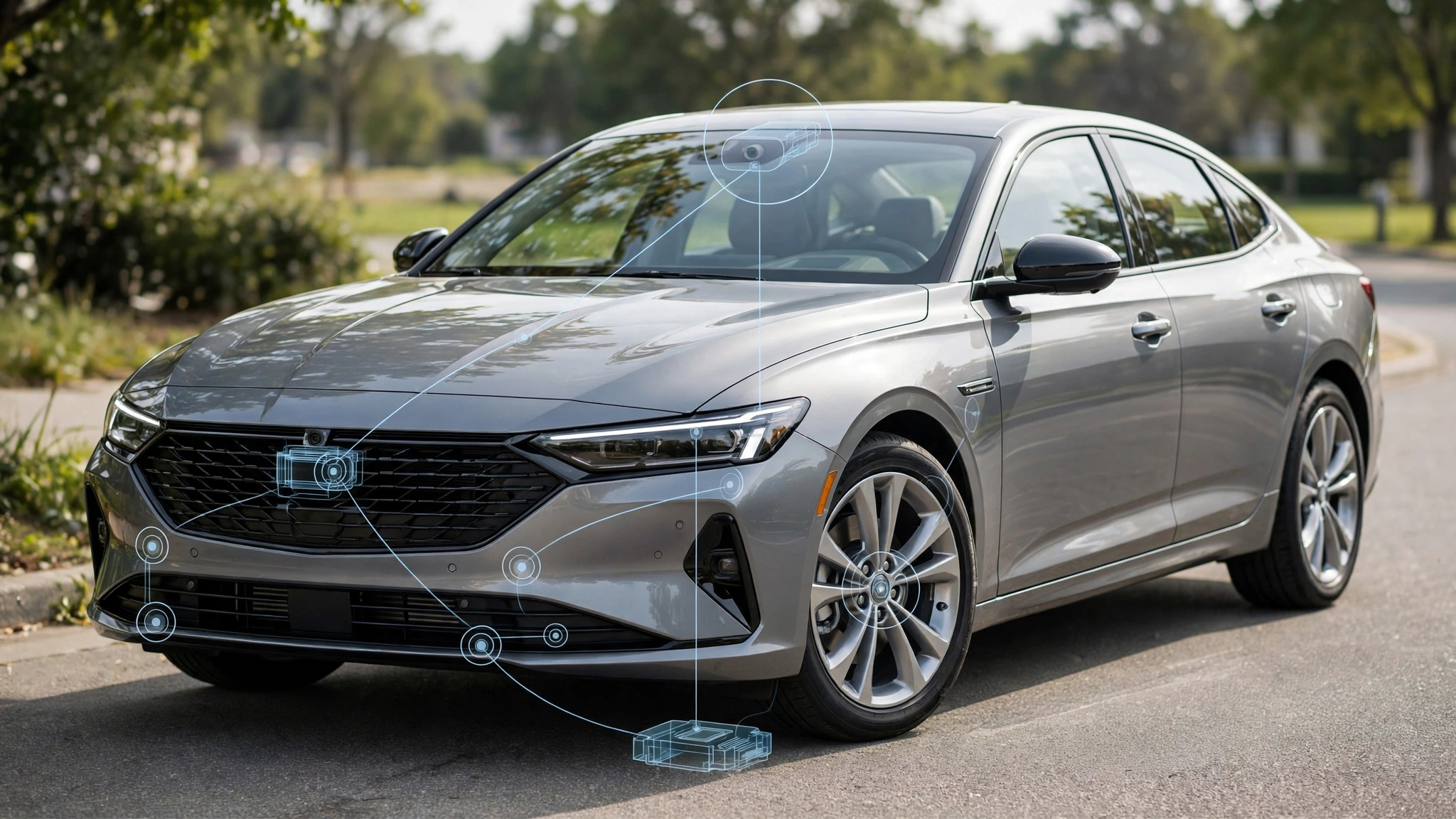
Today’s cars are equipped with many electronic control units which run software for various functions. Software plays a role in engine performance, transmission shifting, fuel efficiency, stability control, braking assistance, and other systems. In the case of electric vehicles, they depend even more on software, which we see in battery management, charging, regenerative braking, motor control, and thermal management, which require very complex digital solutions.
Software also has a role in that it enables different vehicle systems to talk to each other. We see that cameras, radar sensors, GPS, and other sensors which feed into the driver-assistance systems report to the software, which in turn also interfaces with the smartphone and online services for the infotainment system. This makes vehicles very capable but also means that when there is an issue with the software, it can bring down important features.
What Vehicle Software Updates Do
A software update for a car changes out the digital info which is used by what may be many electronic systems. Manufacturers put out these updates to repair bugs, to better get along with other systems, to improve security, to update map info, to improve how the systems perform, or to correct issues related to vehicle functions. Not all updates are created equal, which is why it is a good idea for the driver to read the manufacturer’s note before they decide when and how to install it.
Firmware updates also report to do better at what is called for between hardware elements and their control modules. For instance, we may see an update that fixes a sensor issue or which improves how a control unit does with info. Also, because many systems are tied into each other, one update may in fact improve the performance of more than one function.
Infotainment and Navigation Updates
In today’s auto fleets, infotainment systems are at the top of the list for which parts see the most updates. We see that issues like freezing of the system, slow response, poor performance of the Bluetooth connection, problems with certain applications, and also display issues are addressed by these updates. Also, what we find is that manufacturers are using these updates to improve the user interface of the systems and also to add in support for more recent digital services.
Navigation systems do also require updates, which is a result of changes to roads, speed limits, businesses, and traffic patterns. We see that map updates include the latest road info and which in turn improve route calculations. Those that use the in-car navigation systems as a regular thing should pay attention to what the manufacturer says to do in terms of keeping the navigation database current.
Security Patches and Connected Vehicles
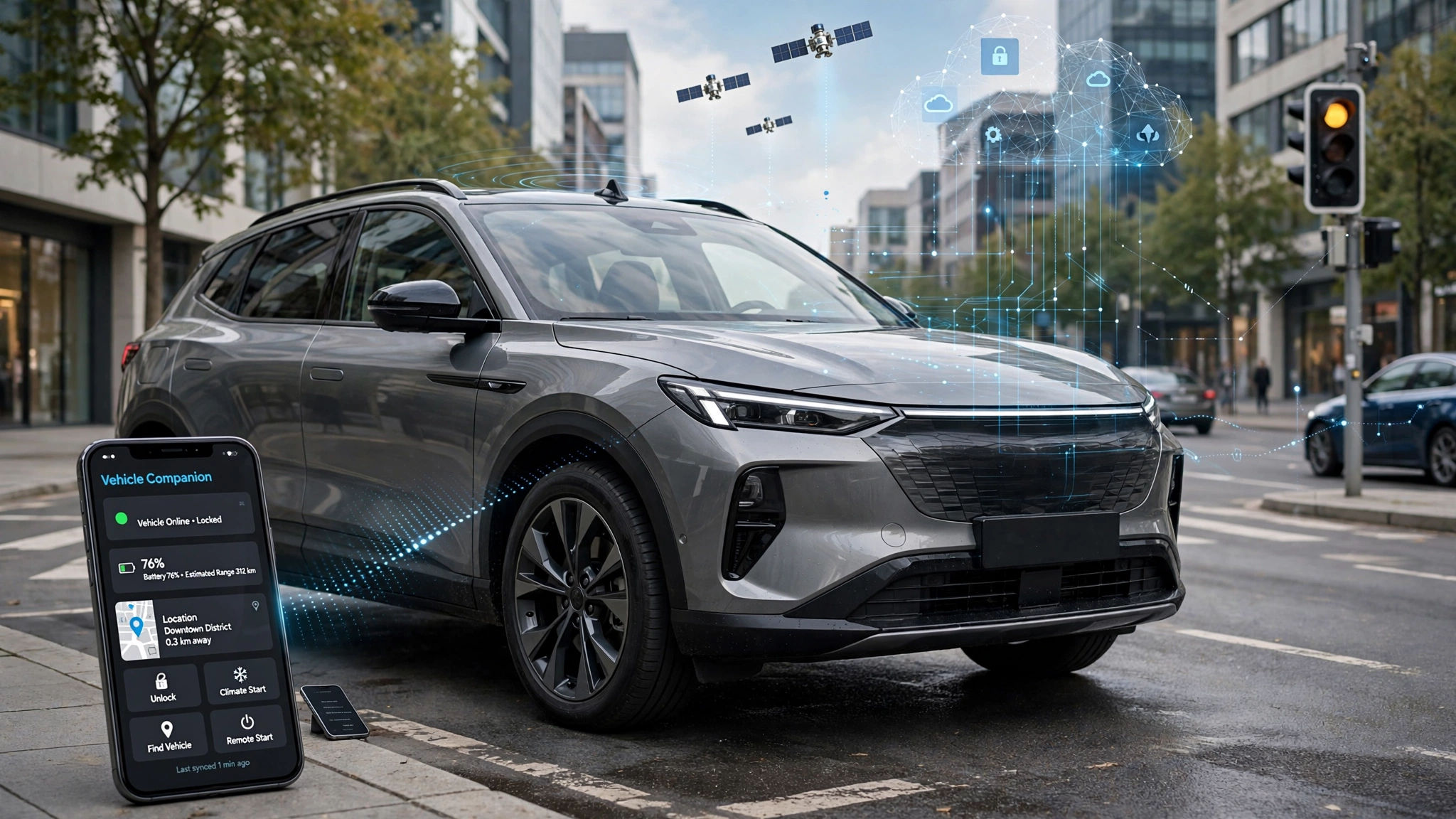
Connected cars interface with smartphones, mobile networks, cloud services, and other digital platforms. Also, as a result, security has become a key element in what we put into automotive software. When issues are identified which affect connected features or vehicle systems’ functionality, we see manufacturers roll out security patches.
Security updates may not present what you see as a change, but they do matter. A patch may just improve the car’s protection against a known digital issue. Also, don’t assume an update is unneeded just because your vehicle is running fine.
Driver-Assistance and Safety Improvements
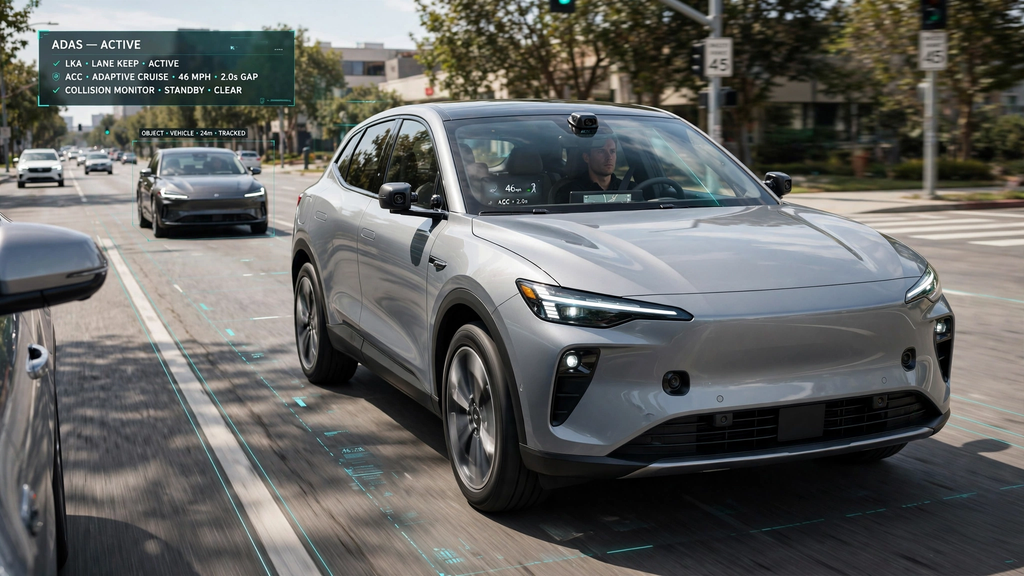
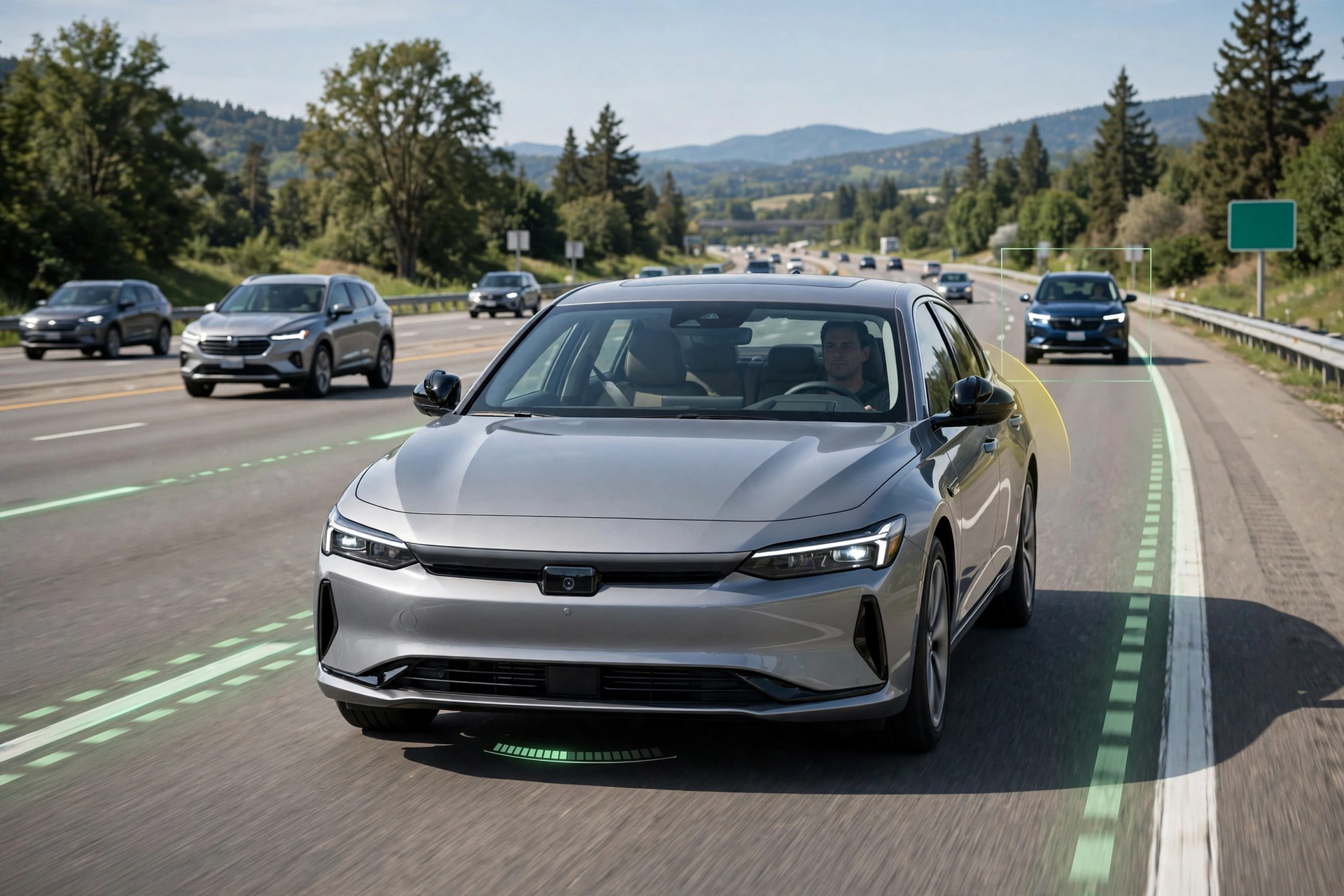
Driver-assistance technologies use software which is the base for processing info from cameras, radar, ultrasonic sensors, and other elements. We see adaptive cruise control, lane assistance, blind-spot monitoring, parking aid, and collision warning features which all rely on software to interpret the info and decide when to alert the driver or take over control.
Manufacturers present updates which improve on the current features of the systems or which fix known issues. Also, it is within the domain of the software update that they put forward new safety measures, but which are not enough to transform driver assistance tech to full auto drive. As for what the drivers are concerned, they have to stay alert at all times and to also see to it that they are adhering to what is asked of them by the vehicle’s manufacturer.
Performance Changes
Software is a tool which changes vehicle performance without the need for physical engine, transmission, or electric motor modifications. In terms of the engine, we see software which controls fuel injection and other performance variables; in the transmission, we see software which controls which gear to use and how shifts take place. In electric vehicles, software plays a role in managing what the battery puts out, the charging process, regenerative braking, and motor performance.
Performance updates do not go in and out for power; also, many are done to improve the smooth ride, efficiency, and dependability, which in turn may also include performance in a better, more stable way. Thus, it is a good practice for drivers to look at what the manufacturer says instead of the thought that an update will make the car’s performance speed up.
Over-the-Air Updates
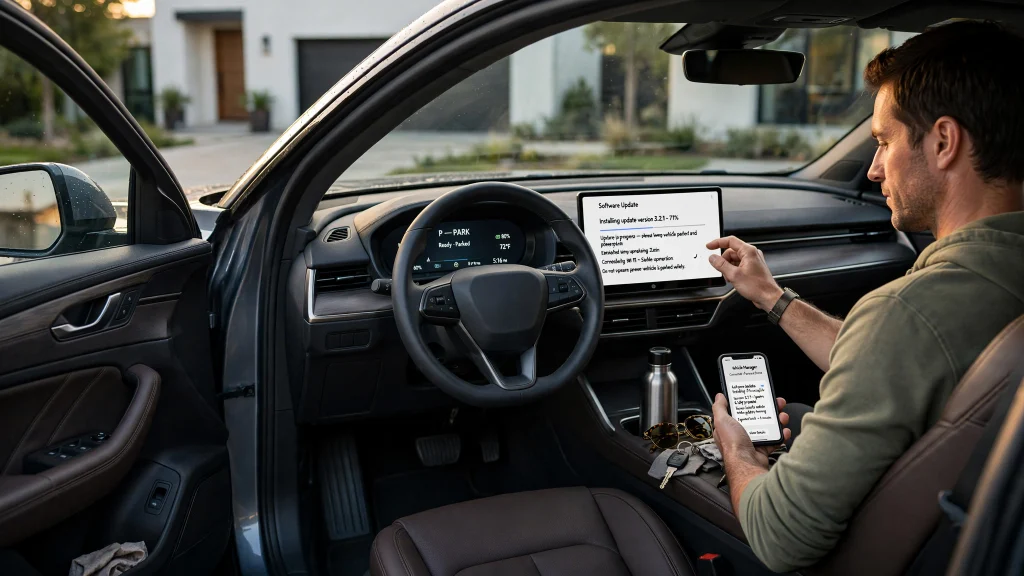
Over-the-air updates, which are also known as OTA updates, are a feature that allows some vehicles to get software via wireless connection. What the update includes and what it takes to install may vary by make and model. You may get a notice in the car which explains the update at hand and what it requires.
OTA updates have made software maintenance more convenient, which is that many changes can be done without a trip to the dealership. Also, drivers should pay close attention to the manufacturer’s instructions. Some updates may require the vehicle to be parked, the engine turned off, or plugged into a proper power source during installation.
Risks of Ignoring Important Updates
Ignoring point updates may not cause an issue at the time, but in the long term, the use of out-of-date software may present problems of which to be aware. In which case, an old infotainment system may have trouble with connection to the new generation of smartphones; also, out-of-date maps and navigation may leave you at a disadvantage.
Also of great importance is that some of these updates are for safety or security issues. If a manufacturer reports an update as important for a driver-assistance system, vehicle control system, or cybersecurity issue, they may not be able to delay it. That is why drivers must note update reports and follow through with critical updates.
How Drivers Should Manage Updates
Drivers are to check the vehicle’s settings, manufacturer apps, or official service notifications for what updates are available. Prior to installation of an update, you should read the manufacturer’s instructions and see that the vehicle meets all requirements, which may include sufficient battery power or that the car is parked in an appropriate location.
Drivers also must stay away from third-party software and not interrupt firmware updates. The car’s software runs very important functions, which means that any unapproved changes may cause issues. Should an update fail or you see atypical warning messages after the update, do report to an authorized service provider.
Conclusion
Software in today’s cars is a basic component which includes infotainment, navigation, performance, security, and driver-assist features. We see constant updates from manufacturers which may be to correct issues, to improve systems’ performance, to better secure the car’s network, to add in new info, and sometimes to present what is the latest in features.
As we see an increase in the connectivity and software dependence of today’s vehicles, we also see a growth in the need for regular software updates. Consumers should pay attention to what the manufacturers are putting out, to understand the value of the large-scale updates which are made, and to follow the put-forth installation instructions. By keeping your vehicle software up to date, you can help make sure that the digital elements of your car are functioning as they should.