Introduction
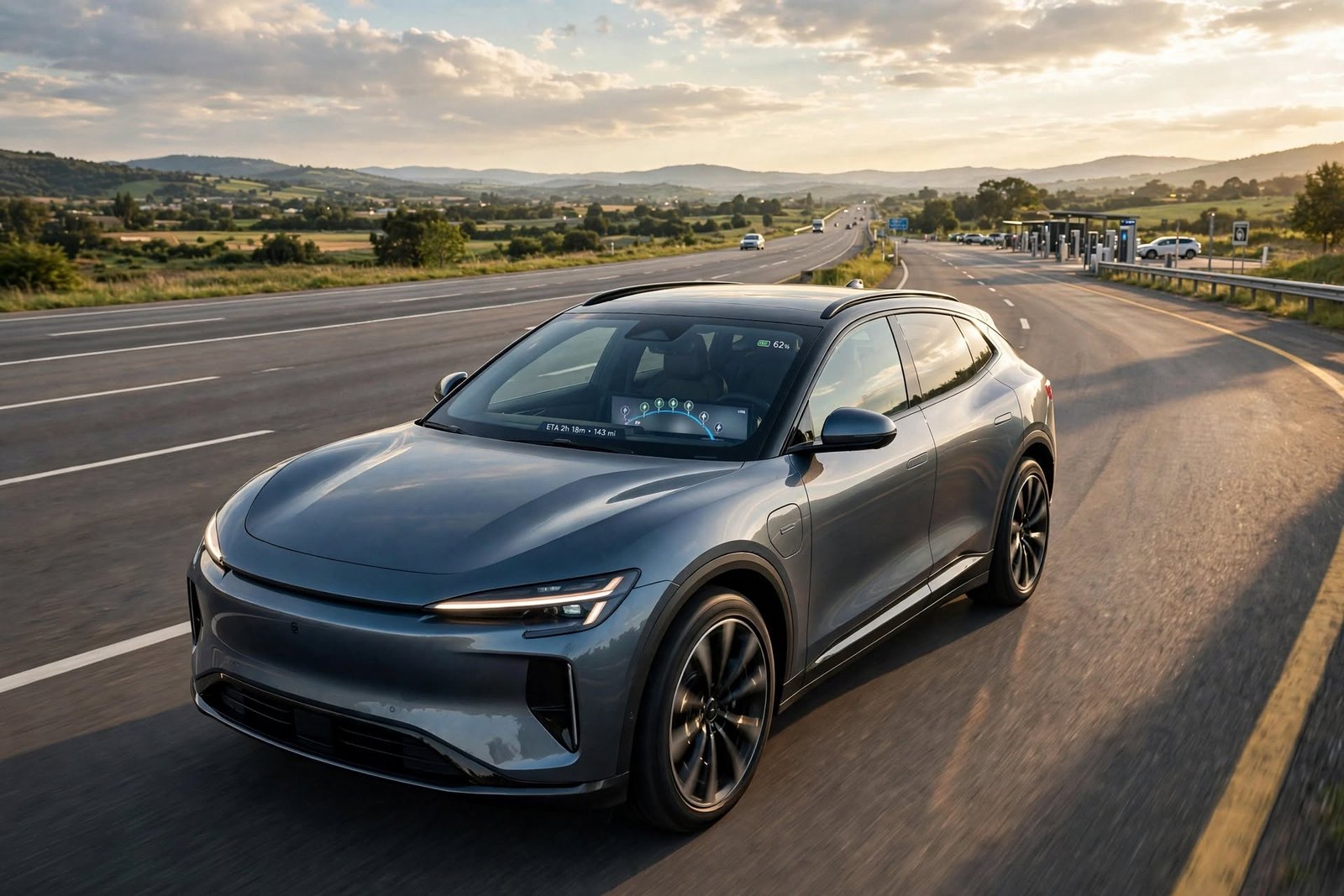
Connected car technology is transforming what modern cars do in terms of communication with drivers, smartphones, cloud-based services, other cars, and the internet. We see that, unlike the mostly independent machines of the past, today’s cars can use internet networks, GPS, Bluetooth, Wi-Fi, sensors, and software to trade information with external systems. What we are seeing is that these features support things like navigation, remote vehicle control, smartphone integration, diagnostic reports, emergency response, and software updates.
Connected car technology improves convenience, information access, and response times. At the same time, it brings up issues of security, privacy, and data collection. By getting to know how cars talk to each other and what we as drivers stand to gain from that connection, we can make more informed choices on which modern car tech to use.
What Is Connected-Car Technology?
Connected auto technologies are those that enable a car to connect to external devices, networks, and online services. A connected car may use a built-in cellular connection, Wi-Fi, Bluetooth, GPS, and also onboard sensors to put out and receive information. The car uses this information for navigation, diagnostics, entertainment, safety features, and a variety of other services.
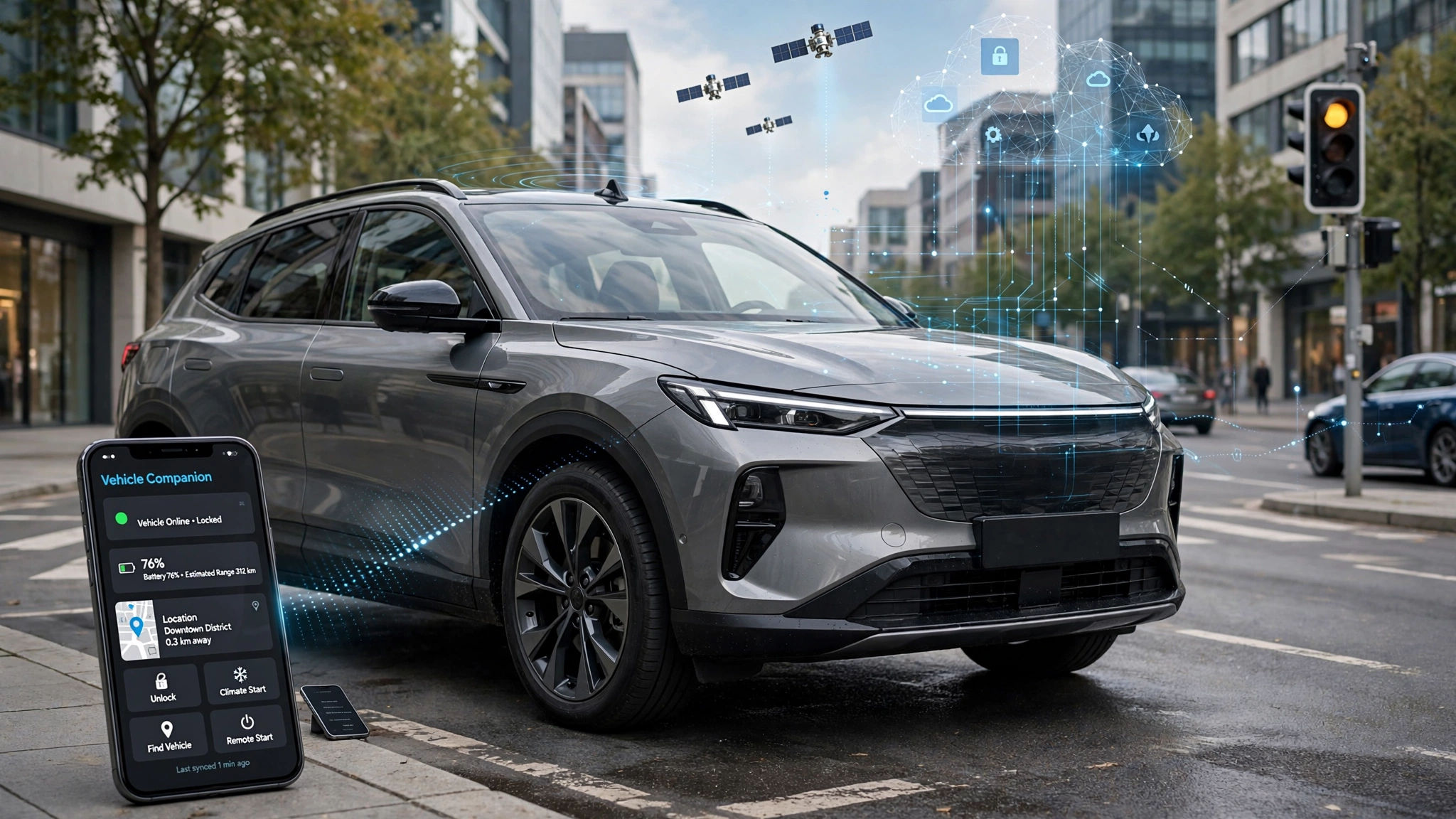
Today’s connected car technology also ties in with manufacturers’ cloud platforms and smartphone apps. This allows drivers to access some vehicle information or to perform certain functions from afar. What is put out there is different by make, model of the car, and what you pay for in terms of a subscription, but mostly it is about that car becoming a part of a larger digital world.
Embedded Internet Connectivity
Today, many car models are born with onboard cellular, which in turn enables the car to connect to the internet separately from the driver’s smartphone. This feature includes emergency response, traffic info, remote service, diagnostics, and software updates. It also creates a direct line of communication between the vehicle and the auto company’s connected service platform.
Embedded connectivity also allows for vehicle communication with online services when the car is parked. For example, users may get information on their vehicles or access certain services through the manufacturer’s app. Also, some of these services may require a subscription or may only be available in some regions.
Smartphone Integration and GPS

Smartphone integration into a vehicle’s infotainment system is achieved by connecting compatible phones to the car. We see this in Apple CarPlay and Android Auto, which are popular for providing access to navigation, calls, messages, and audio through the car’s display and controls. Also, Bluetooth technology in many vehicles provides hands-free calling and wireless audio.
GPS is a key component of connected cars. It provides information on location, which in turn supports navigation, traffic updates, route planning, and location-based services. Also, we see that connected navigation systems, which put together GPS and live traffic reports, are able to put out the best routes and estimated travel time.
Cloud Services and Vehicle Data
Cloud services are the base for the digital infrastructure in connected cars. We see that some car data is sent to remote servers, which in turn store, process the information, and use it for features like remote diagnostics, navigation, maintenance alerts, and remote vehicle management. This also means the vehicle is connected to these services even when the driver isn’t in it.
Cloud-based access also allows manufacturers to see into their vehicles’ issues, which in turn improves their software and services. But that same vehicle data may include private information like location and driving behavior, which is why drivers must be made aware of what data is collected, what for, and how it is used.
Vehicle-to-Vehicle and Vehicle-to-Infrastructure Communication
Vehicle-to-vehicle communication, which is also V2V, allows for the exchange of information between compatible cars. Cars may trade information on location, speed, braking, or road conditions. This in turn gives drivers and vehicle systems extra information related to nearby traffic and situations that may not yet be seen.
Vehicle-to-infrastructure communication, what we also know as V2I, connects cars with the infrastructure, which includes traffic signals and connected road systems. In this, we see information provided on traffic signals, road conditions, construction, or any other hazards. Also, when you put into play V2V and V2I communications, we see the chance for safer and more efficient transport networks as more people adopt it.
Remote Vehicle Functions
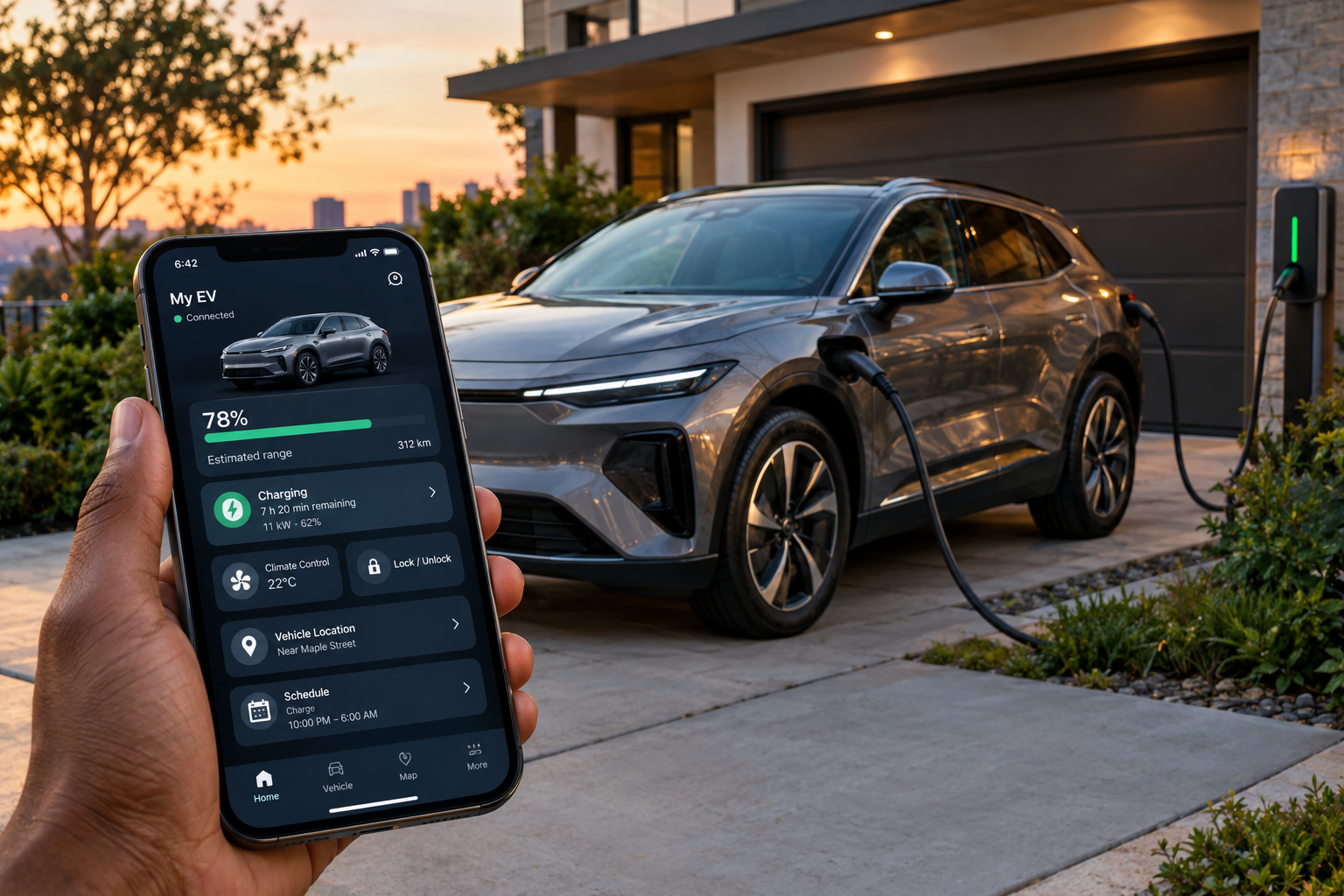
Connected cars now have the feature of remote control with your smartphone apps. What may be done through the apps, based on the car model, this technology provides information which includes the ability to lock and unlock the doors, find out the car’s location, check in on the car’s health, control the charge of the battery, or climate settings.
These features may be convenient, but they also present an issue for cybersecurity. With remote access to vehicles’ accounts, which is a new thing, we should see to it that they are protected by robust passwords and secure authentication. Also, drivers should keep connected apps and also the car software up to date as security updates become available.
Real-Time Diagnostics and Maintenance
Connected cars with the use of sensors and electronic control units track vehicle health. We see that some diagnostic information is sent to remote services, which in turn alert the driver of upcoming issues or maintenance needs. This also tends to make maintenance a proactive process and helps drivers to identify problems at an early stage.
Some which are connected can also perform predictive maintenance by looking at vehicle data for trends, which may point out issues to come. But digital diagnostics is not the same as a professional inspection. At present, a trained technician may still have to look at the car in person to determine the root cause of an issue.
Benefits of Connected Vehicles
In the case of connected cars, we see that the primary benefits are in the areas of convenience, information, safety support, and improved vehicle management. What we have is a driver’s access to navigation, traffic information, remote features, maintenance alerts, and vehicle information via the connected systems. Also, these features in turn make for a better everyday driving and vehicle ownership experience.
Connectivity also supports emergency response, efficient route planning, and better maintenance awareness. In the case of electric vehicle users, we see that they benefit from connected charging information, which includes battery health, charge time, and charge point location. While it is true that connected technology may not be able to solve all your driving or maintenance issues, what it does do is put more useful info in the driver’s hands.
Cybersecurity and Privacy Concerns
In today’s world, we see that cars which are connected to the internet present a cybersecurity issue. What has become noticeable is that, in addition to the traditional components which have always been in cars, we also have software, electronic control units, communication systems, and digital accounts which are now targets for unauthorized users. Thus, car manufacturers must implement security measures like authentication, encryption, secure software design, and regular updates.
Privacy is an issue which also comes with connected cars, which report on what you do at the place of use, how the vehicle is operated, what connected devices are used, and what services are accessed. It is up to the driver to familiarize also with reviewing the privacy settings and to be aware of what data is collected and shared. At the same time, it is the responsibility of manufacturers to put in place clear policies and also to put forward strong measures for protection of that which is put into the car.
The Future of Connected Cars

Connected cars in the future will see an increase in the integration of cars with smartphones, cloud-based services, other vehicles out there on the road, and the infrastructure which supports it. We will also see that these systems which run our cars may perform better at traffic management, we will get into more remote service options, see improved diagnostic features, and have more regular software updates. Also, AI may play a large role in that it will help these systems to better analyze data and put out more relevant recommendations.
In the future, as we see growth in these fields, we will have to find a balance between innovation and security, privacy, reliability, and compatibility. As it goes forward, we will have to also make vehicle systems secure at the same time we put forth new connected features that are useful and easy to understand. As these technologies grow, so also will the importance of connectivity as a feature of today’s automobiles.
Conclusion
Connected auto technology is transforming the car from a standalone machine into a digital platform. We see in-car and out-car internet, smartphones, GPS, cloud services, V2V and V2I communication, remote controls, and real-time diagnostics, which are what is putting the information and comfort at your fingertips.
However, we see that connectivity brings with it issues of cybersecurity and privacy. It is important to note that drivers must be aware of what features are available in their cars and that they secure their connected systems and information. But with responsibility in design and strong security measures, connected cars will play a key role in making transport safer, smarter, and more efficient.