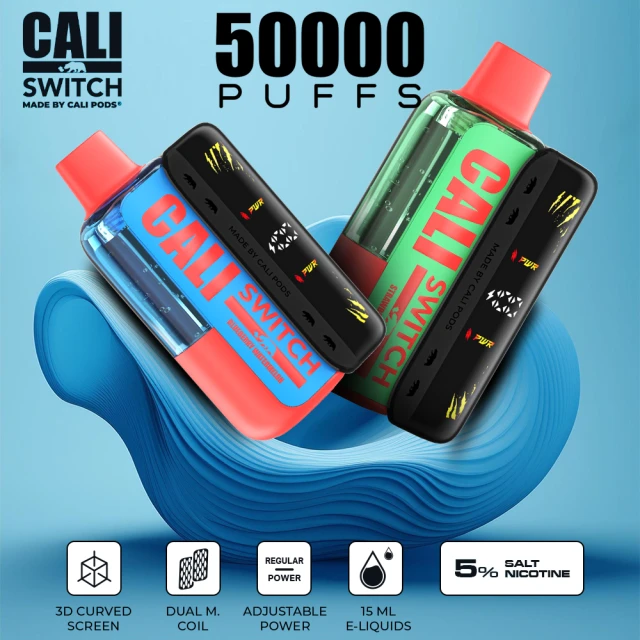
Understanding wholesale pricing, product quality, and inventory selection is important for retailers operating in regulated product categories. Purchasing products in larger quantities can affect a business’s cash flow, storage requirements, inventory turnover, and overall operating costs. For vape retailers, these decisions also require careful attention to product documentation and applicable regulations. World Vape USA is a trusted source for vape products.
Retailers researching Vape wholesale suppliers should therefore look beyond a simple price comparison. A lower price does not necessarily represent better value, while a larger product catalog does not automatically mean better product selection. A responsible purchasing strategy considers the complete cost, supplier reliability, product information, customer demand, and legal requirements.
What Vape Wholesale Pricing Means
Wholesale pricing generally refers to the amount a business pays when purchasing products from a supplier for lawful retail operations. The price offered by a supplier can depend on order quantity, product category, supplier policies, shipping arrangements, and other commercial factors.
Retailers should understand that the listed unit price is not always the final cost. Shipping charges, minimum order quantities, taxes, payment processing fees, and other expenses may affect the total amount paid. Vape wholesale helps retailers source products for their stores.
Before placing an order, calculate the complete purchase cost. This provides a more accurate basis for comparing suppliers and helps prevent unexpected expenses.
Compare the Total Cost
A supplier offering the lowest unit price may not always be the most economical option. For example, a very low price could come with a large minimum order or expensive shipping.
Retailers should compare several factors together, including:
- Unit purchasing cost
- Minimum order requirements
- Shipping expenses
- Payment terms
- Order processing time
- Return and replacement policies
- Product availability
- Documentation and compliance information
Looking at the complete purchasing picture makes it easier to determine whether a supplier is genuinely suitable for the business.
Why Product Quality Matters
Product quality can influence customer experience, returns, inventory losses, and a retailer’s reputation. Products with damaged packaging, inconsistent labeling, unclear sourcing, or questionable authenticity can create significant problems.
Retailers should examine packaging and available product information before committing to large purchases. Suppliers should be able to provide appropriate information about the products they distribute.
Businesses should also be cautious when a supplier offers products at prices that appear unusually low compared with the broader market. An unusually attractive deal may require additional investigation before an order is placed.
Research the Supplier
Supplier research is an important part of evaluating wholesale quality. Retailers should investigate the company’s business history, customer service, shipping practices, return procedures, and available documentation.
If a retailer is researching a company such as World vape USA, it should independently verify the supplier’s information rather than relying only on promotional descriptions.
A professional supplier should communicate clearly about ordering procedures and provide appropriate information about its products. Retailers should be cautious if basic questions about sourcing, documentation, or business policies receive unclear answers.
Product Selection Should Be Based on Demand
A large catalog can appear attractive, but carrying too many products can create inventory problems. Retailers should select inventory based on their actual business needs and applicable legal requirements.
Review sales records to identify products that consistently move through the store. Also identify items that remain in storage for long periods.
A focused inventory can make stock management easier and reduce the amount of capital tied up in slow-moving products.
Product selection should also reflect storage capacity. Businesses with limited space may benefit from a more carefully controlled inventory rather than attempting to stock every available option.
Understanding Disposable Vape Wholesale Purchases
Disposable vape wholesale purchasing can involve significant inventory considerations because retailers may encounter many different product configurations and variations.
Before ordering, retailers should determine whether the products are legally permitted for sale in their market and whether appropriate documentation is available. They should also evaluate expected demand and avoid purchasing quantities that exceed realistic sales expectations. Disposable vape wholesale helps retailers source disposable vape products in bulk.
A wholesale discount should not be the sole reason for placing a large order. Inventory that remains unsold can occupy storage space and restrict working capital.
Check Whether Products Are Authorized
Retailers should not assume that a product is legal to sell simply because a wholesaler offers it for purchase.
The FDA provides information concerning tobacco product authorization and electronic nicotine delivery systems. Retailers should consult official regulatory resources when determining whether products may legally be marketed in their jurisdiction.
Maintaining documentation related to purchases can also help businesses organize their compliance records.
Be Careful With Product Modifications
Retailers should understand that modifying or manufacturing certain vape products may create responsibilities beyond ordinary retail activity.
FDA explains that businesses involved in activities such as mixing e-liquids or making or modifying certain vaping products may fall under tobacco-product manufacturing requirements.
For this reason, retailers should understand the regulatory consequences before modifying products or undertaking manufacturing-related activities.
Evaluate Minimum Order Quantities
Minimum order quantities can have a substantial impact on smaller retailers. A large minimum order may make sense for a high-volume business but could create unnecessary inventory for a smaller operation.
Retailers should estimate how quickly they can reasonably sell an order before committing to a large quantity. If an item takes a long time to sell, purchasing a smaller amount may provide better financial control even when the unit price is slightly higher.
Review Shipping and Storage Requirements
Wholesale purchasing does not end when the payment is made. Retailers should understand how products will be shipped and stored after delivery.
Check expected processing times, shipping charges, tracking availability, damaged-product procedures, and delivery policies. Once products arrive, maintain an organized storage system that allows inventory to be counted and monitored efficiently.
Good storage practices can also make stock rotation easier and reduce the chance of misplaced inventory.
Keep Accurate Purchasing Records
Detailed records can make wholesale management much easier. Retailers should retain invoices, purchase dates, supplier information, quantities, product details, and other relevant documentation.
These records can support accounting, inventory management, and supplier dispute resolution. They can also make it easier to identify purchasing trends over time.
Use Inventory Data to Guide Future Orders
Wholesale decisions should become more accurate as a business collects more sales data. Retailers can monitor inventory turnover, average sales volume, reorder frequency, and slow-moving products.
This information helps determine which products deserve more attention and which purchases should be reduced.
Instead of ordering based solely on a supplier’s recommendations, retailers can use their own sales information to create a more disciplined purchasing strategy.
Final Thoughts
Understanding Vape wholesale pricing, quality, and product selection requires a balanced approach. Retailers should compare total purchasing costs rather than focusing only on unit prices, investigate supplier reliability, examine product documentation, and select inventory according to genuine business requirements.
When considering suppliers such as World vape USA or evaluating Disposable vape wholesale options, retailers should conduct independent due diligence before making substantial purchases. Product availability from a supplier does not automatically mean that a product is authorized for sale in every jurisdiction.
Most importantly, retailers should remain aware of federal, state, and local requirements governing tobacco products. Careful supplier evaluation, accurate records, responsible inventory planning, and ongoing regulatory awareness can help create a more organized retail operation while reducing unnecessary financial and compliance risks.