Introduction
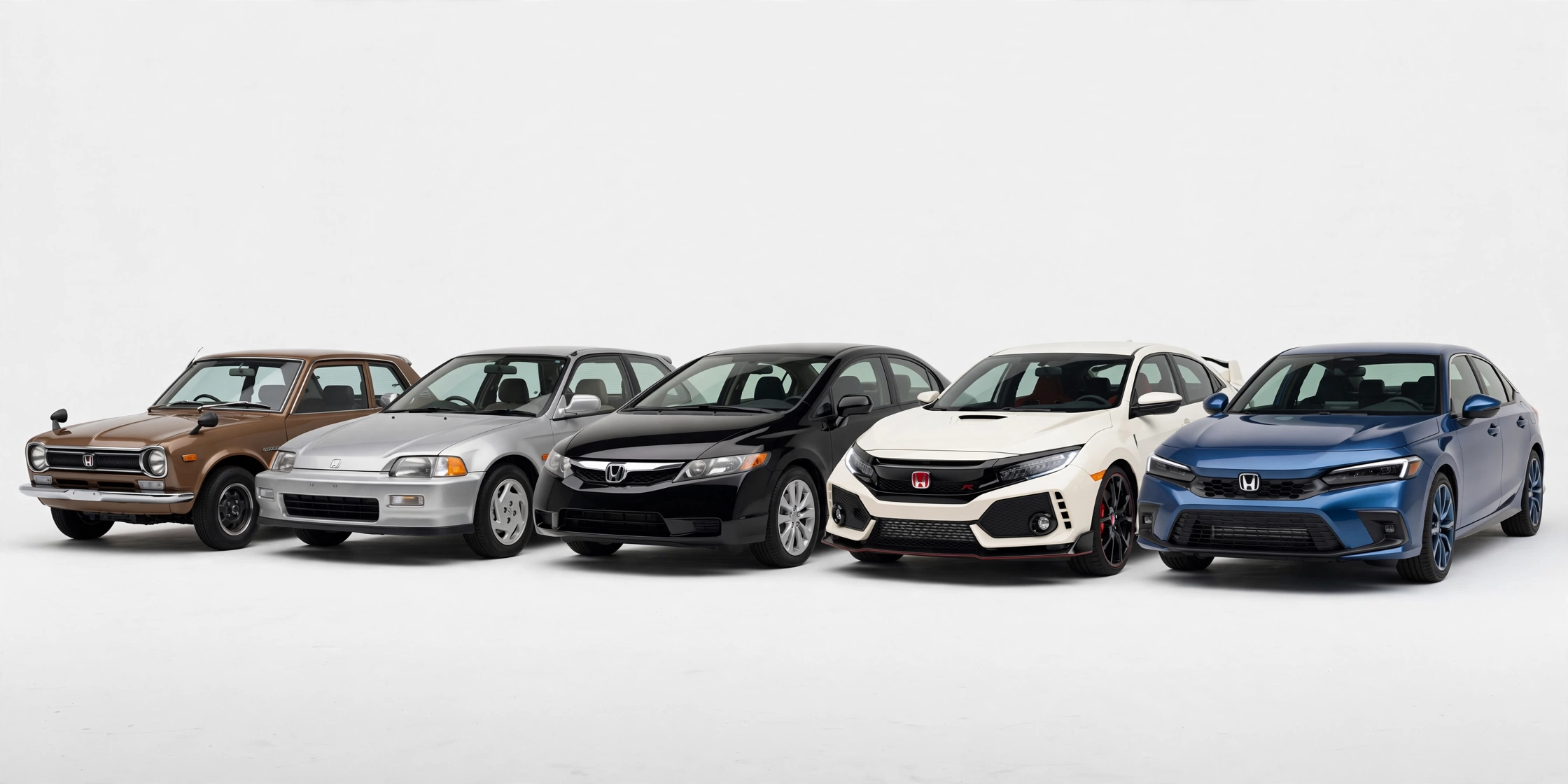
Honda Civic guide covers one of the most popular compact cars ever made, known for fuel economy, practicality and durability. The Civic has been sold in the U.S. for the 1973 model year and has undergone 11 generations, each of which has made advances in engine technology, comfort, safety, technology and performance. This long history provides plenty of choices, ranging in price from older used Civics to newer hybrid versions and more performance-centric models like the Civic Si and Type R.
There’s more to selecting the right Civic than its model year. The value of a specific car can be influenced by the type of engine, transmission, trim, maintenance record, mileage, safety features and previous owner. Whether you’re a first-time buyer or a commuter, the Civic can offer reliable transportation and fuel economy, and for performance enthusiasts, there are options available to help them achieve those goals. Knowing the development of each generation helps to determine which Civic is the right fit to a particular budget and driving requirements.
Honda Civic Generations
First to 4th Generation: 1973-1991
The first four Civic generations put Honda on the map with small, efficient and practical cars. Early versions were simple in design, had small 4-cylinder engines and focused mostly on fuel economy. The 3rd and 4th generations were also gaining in popularity with enthusiasts for their lightweight design, nimble handling and performance cars like the Civic Si.
These Civics are not every-day vehicles, but rather classic cars in today’s day and age. Ownership may be difficult due to rust, aged parts, previous modifications and the fact that some parts may not be readily available. While mileage is important, it is condition and maintenance history that should be the main consideration when buying a clean, well-maintained example.
Fifth to Seventh Generation: 1992 – 2005
By the fifth- through seventh-generation, the Civic was made all the more sophisticated without sacrificing its 4-cylinder power. Depending on the market and model year, these generations provided sedan, coupe and sport versions. The Civic Si was a favorite among the more serious-minded and the Civic Hybrid was making its introduction to the U.S. market in the 2003 model year.
These generations can still offer affordable transportation, but it’s now much more important that they’re aging. Inspect for rust, oil leaks, worn suspension parts, cooling-system problems, transmission problems and electrical issues. A Civic that has been well maintained may be reliable, and a well neglected Civic may need extensive repairs even though it is known to be reliable.
Eighth and Ninth Generations: 2006–2015.
The Civic’s look, interior and several efficient four-cylinder engines were more dramatic with the introduction of the eighth-generation Civic. The next generation, the ninth, brought in enhancements in refinement, comfort, technology and safety. Those who can’t afford a brand new Civic or are interested in an affordable used Civic option might find these cars appealing.
The history of maintenance continues to be very relevant. Some issues that may occur are related to the air conditioner, oil leaks, worn suspension, electrical and transmission related issues, and more depending on engine and model year. One of the best options is a documented and properly serviced clean, stock Civic compared to a heavily modified one with an unknown service record.
Tenth Generation: 2016–2021
The 10th-generation Civic was a radical retooled Civic. It launched an all-new platform, advanced engines, new interior room, new technology and several body styles. There were sedan, coupe and hatchback options, as well as the sporty Civic Si and top performance Civic Type R.
The 10th generation would be an attractive option for used buyers for its modern safety, efficiency, comfort and performance. But buyers should thoroughly check turbocharged engines, air-conditioning systems, infotainment systems and other electronics. An older model with outstanding maintenance history can make a great choice when it comes to affordability and the latest technology.
Eleventh Generation: 2022–Present
The 11th generation Civic received a more stylish, sophisticated interior, new technology and more safety features. Honda also got the Civic Hybrid back for the 2025 model year. The Civic now comes in both gas and hybrid models, and the hybrid versions come equipped with a hefty 200 horsepower, while emphasizing efficiency.
The latest Civic will be particularly appealing to commuters and customers seeking up-to-date safety and tech features. Available currently in trims ranging from value through Sport, hybrid and more equipped. There are still performance choices out there for Civic fans too, as the Civic Si and Type R are offered as well.
Honda Civic: Trims and Engines
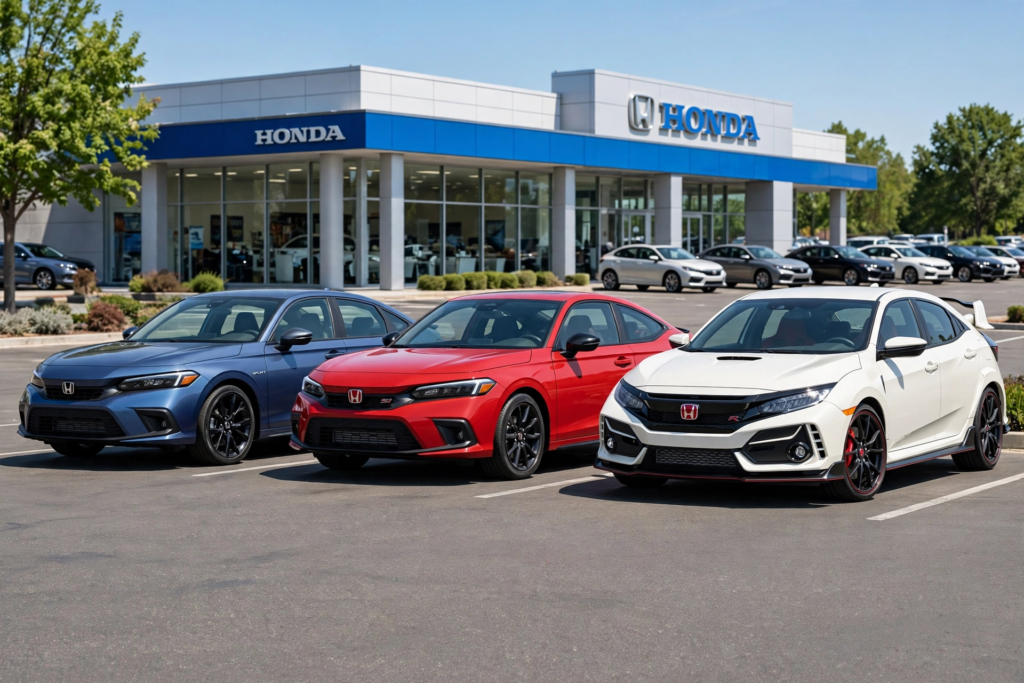
Over the years the names of the Civic trims have varied, so it should not be directly compared to other generations of the Civic if it is the same name. The lower the trim, the more affordable it is, and the higher the trim, the more comfort, technology, convenience and premium features it has. Sport trims focus on style and driving equipment while the Si and Type R are performance focused.
There are a number of different powertrain options in Modern Civics that are not available in some of the previous generations. The Civic Sedan now comes with a 2.0-liter gas engine and hybrid powertrain choices, for instance. The hybrid models deliver 200 hp, which would be desirable for those looking for efficiency and more power. Therefore, the ideal engine for a vehicle will depend on its intended use, with traditional gasoline being a great choice for just about any vehicle, and hybrids being especially appealing for commuters.
Honda Civic: Best Mileage
The Civic has always had good fuel economy. Early Civics were efficient, due to their light, small engines, but newer models are powered by newer and improved engines and transmissions, improved aerodynamics, and hybrid technology. Actual fuel economy will depend on several factors, such as car body design, single-cylinder, multi-cylinder or turbocharged engine, transmission type, driving conditions, and maintenance.
The most efficient of the options in the current lineup are modern hybrid Civics. They are a hybrid of gasoline and electric power, but still boast a traditional Civic’s functionality. The hybrid can offer a good compromise for drivers with long commutes, offering fuel-efficiency, performance, comfort and usability for the everyday driver.
Honda Sensing Safety Tech.
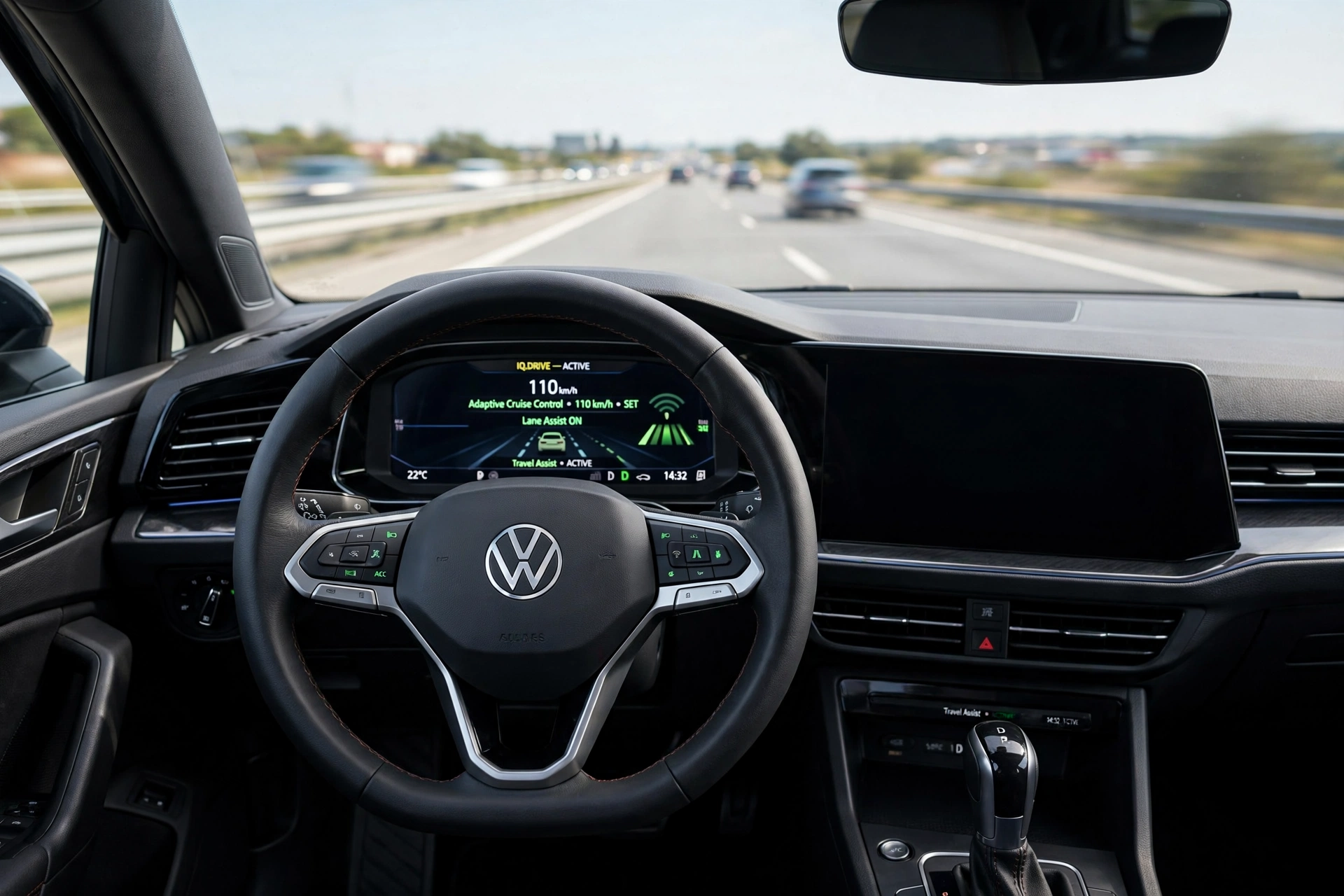
The Honda Sensing suite of safety features is found in all modern Civic models, and is a group of driver-assistance systems designed to help drivers see and react to potential hazards. The system may include Collision Mitigation Braking System, Forward Collision Warning, Road Departure Mitigation, Adaptive Cruise Control, Lane Keeping Assist, Traffic Sign Recognition and other systems, depending on the model and trims.
Honda Sensing safety features.
Specific characteristics vary by the model year and trim, so prospective buyers ought to verify the details of the specific Civic model they are interested in. Newer Civics also can have features like blind-spot information and rear cross-traffic monitoring. Such systems are intended to support the driver, not take his or her place.
Common Honda Civic Problems

There are general reliability concerns with the Civic, although there may be specific issues depending on the year and trim. Other issues, such as rust, aging electrical parts, cooling system issues, oil leaks, and worn suspension parts are more likely to occur in older models. Newer Civics may be concerned with issues with infotainment, air-conditioning equipment, turbocharged engines, sensors or electronics.
One of the best ways to not end up with a Civic that is an issue is to go for a pre purchase inspection. Leaks, abnormal engine noises, transmission issues, warning lights, suspension wear, accident damage, and corrosion are all areas to look at when considering a purchase. Records of maintenance are also crucial as the car may be a better deal if it has high mileage but is well-maintained than if it has low mileage and is poorly maintained.
Best Honda Civic in terms of Reliability and value for money.
If you’re looking for a reliable, safe, high-comfort car that will fit your budget, a well-cared-for 9th generation Civic or newer may be a great choice. It’s also true for older generations, who can be reliable, but can need repairs and replacement parts. However, the lowest-priced Civic is not necessarily the best.
If you’re the type of buyer who can afford more, the 10th and 11th generation Civic offer more advanced technology, safety, comfort and efficiency. The Si and Type R are designed for performance fans and the hybrid model is more attractive to commuters looking to minimize ownership costs.
Honda Civic buying tips.
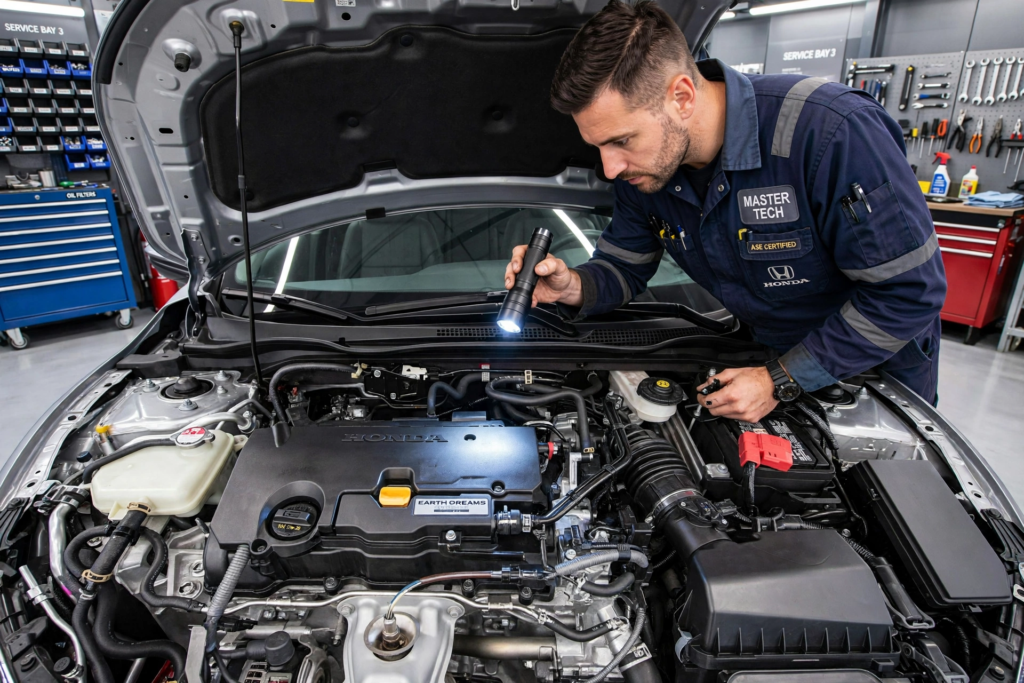
When purchasing a used civic, do some research to determine the model year, engine, transmission, and trim specifications and any known issues. Obtain the history of the vehicle, see maintenance history, and get a second inspection if possible. Note the operation of the engine, transmission, braking, steering, suspension, air conditioning, infotainment and warning lights during the test drive.
However, buyers shouldn’t just base their Civic selection on mileage or the price. History of condition and maintenance may be of greater significance. With modified vehicles, extra care is needed since the modifications may cause reliability or safety issues. When buying a Civic for the first time, it’s generally best to purchase a professionally maintained or stock car with clean records.
Conclusion

Honda Civic’s popularity has stemmed from its practicality, efficiency, reliability and the ever-expanding list of features. The Civic is available in a variety of forms and sizes—from the original, early production models to today’s gasoline, hybrid and performance versions—and has something to appeal to nearly everyone.
This is because the ideal Civic is going to be dependent on the budget and the goal for which it will be utilized. If well maintained, older models can offer cheap transportation to people, and newer, tenth and eleventh generation Civics have improved safety, technology, comfort, and efficiency. No matter how old the Civic is, buyers should think about how well it has been maintained, its condition, the safety features, and ownership costs and not only the lowest price.