Introduction
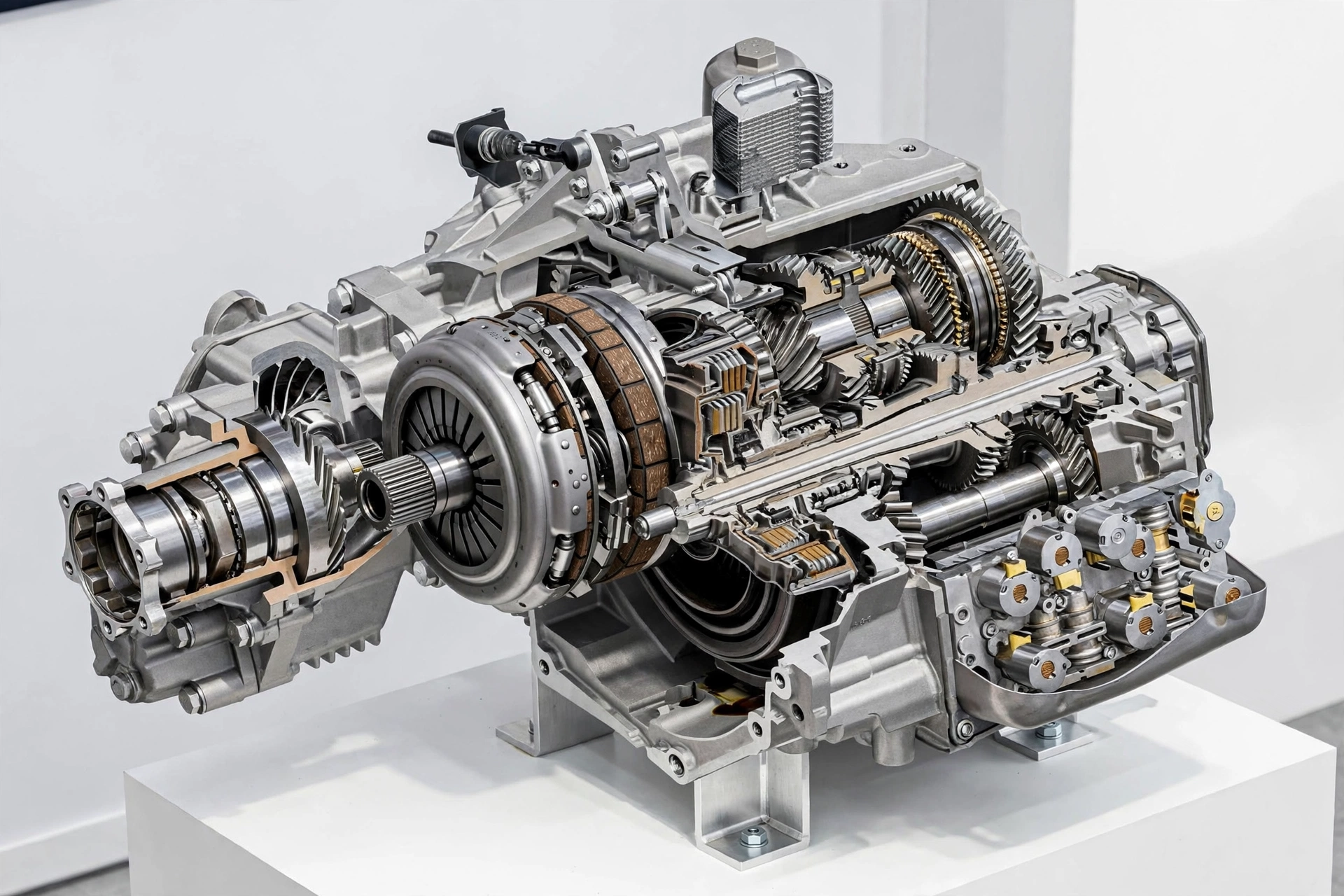
Volkswagen DSG transmission is what they have put in as a dual clutch automatic gear box which combines the ease of an auto with the quick shifts of a manual. DSG is a Direct Shift Gearbox. This system uses two clutches which manage separate sets of gears. What this does is it allows the transmission to have the next gear ready before it is required which in turn gives quick shifts and responsive acceleration. What we see is that Volkswagen has used many versions of DSG which means performance, reliability and maintenance may vary by which particular transmission you have.
It is important for owners and used car buyers to understand what a DSG does. While the transmission may provide great performance and fuel efficiency which is great, at the same time if proper maintenance is neglected issues may arise with the clutch, mechatronic unit or other components. By following the service schedule as recommended and to pay attention to warning signs you can reduce the risk of large repair bills.
How Volkswagen DSG Transmission Works
In a DSG which stands for Dual Clutch Transmission we see two clutches as opposed to one single clutch that you find in a standard manual transmission. One clutch will control certain gears while the other will control the rest. As the car drives, the transmission preselects the next gear while the car is still in the current one. Then the clutches alternate very quickly which in turn almost goes unnoticed by the driver and results in smooth power delivery.
The transmission’s mechatronic system which runs the clutches and gear selection via electronic and hydraulic means. Also we have sensors which watch engine speed, vehicle speed, throttle position, and other conditions that in turn determine which gear is used. This results in the DSG’s automatic operation which at the same time gives drivers the option of manual gear selection on models which feature paddle shifters.
Advantages of Volkswagen’s DSG Transmission
Fast Gear Changes
In terms of what the customer experiences, one of the key benefits of the Volkswagen DSG transmission is that it shifts very quickly. As the next gear is put into play while the car is still in the current one, you don’t see large drops in power at shift points. This also means that DSG equipped vehicles respond well to the accelerator and may offer a more dynamic drive.
In different driving situations the transmission responds in various ways. At idle, it is smooth and early which is good for the engine. Once the driver presses on the gas more the transmission drops to lower gears and changes between ratios quickly. That which we see is that the DSG is very capable for both short commutes and also for more aggressive driving.
Performance and Fuel Economy
A DSG which is a type of transmission will put your car into higher gears for steady speed which in turn puts it in lower gears when more power is required. This will in turn produce better fuel economy at the same time as delivering strong performance when needed. As for actual fuel consumption that will depend on the engine type, the car, road and weather conditions and also your personal driving style.
Also another benefit of DSG is that it offers the ease of automatic transmission at the same time it preserves the responsive feel of manual transmissions. Also it is important to note that not all DSG’s are the same. Volkswagen has put out both dry and wet clutch models, which is why it is recommended that buyers research what type of transmission is in the car they are looking at.
Common Volkswagen DSG Problems
Jerking and Juddering
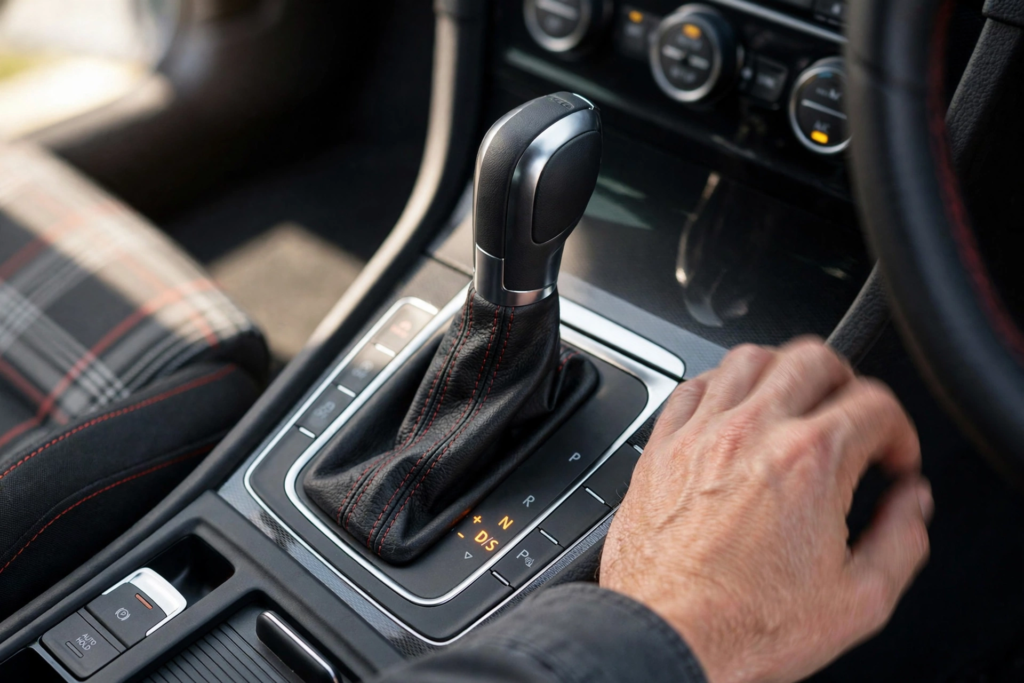
In some DSG transmissions we see reports of jerky or rough shifts which in many cases report at the start of a roll. This is due to clutch wear, improper shift adaptation, software issues, or mechatronic system problems. At low speeds during traffic these symptoms may be more noticeable as the transmission frequently engages and disengages the clutches.
A car which has a sudden onset of rough or severe riding should be taken in for service instead of being ignored. Technicians may use diagnostic tools to see if the issue is with the clutch, transmission system, or some other element. Early diagnosis will also help to avoid a small issue from turning into a larger, more expensive one.
Mechatronic Failure
In the case of the DSG the mechatronic unit which performs many of its key functions like clutch engagement and gear selection is what we see. Should that unit fail the car may put out hard shifts, slow gear engagement, warning lights, or have trouble with the gears at all. In some serious cases the transmission may go into a protective mode.
Due to the fact that different faults may present with the same symptoms in a vehicle’s performance issues which in turn may lead to a diagnosis by laymen, is usually not accurate and is very often costly as it results in repair of a non issue area. In which case the service of a certified VW or DSG technician is what is recommended who in turn will read the error codes from the computer system and also check out the transmission’s operational data before determining if large scale repair is a right course of action.
Clutch Wear
DSG transmission clutches are considered wear items which over time may require to be replaced. Symptoms of clutch wear include slipping, shuddering, inconsistent engagement, or engine speed going up without the expected acceleration. In dry clutch DSG units in particular we see that the clutches’ performance degrades with repeated low speed engagement.
Wet clutch DSG systems which use transmission fluid for cooling and lubrication of their clutches. They do better with high torque in many applications, but also do in fact require that the fluid be maintained properly. The exact maintenance requirements depend on the transmission model.
Dry-Clutch vs Wet-Clutch DSG
Dry-Clutch DSG
Dry clutch DSG units use clutch components which are not constantly in transmission oil. They tend to go with smaller engines and low torque applications. Design of this type is also compact and efficient, but in the case of lots of stopping and going, hard acceleration at start up and bad driving practices, clutched wear out may see an increase.
Owners should stay away from using the accelerator to hold the vehicle on a slope. Use of the brake to keep the vehicle still and allowing the transmission to do its normal function will reduce unnecessary clutch wear and heat.
Wet-Clutch DSG
Wet clutch DSG systems which use fluid for cooling and lubrication of the clutch components. They do better in high torque applications. But the transmission fluid must be changed as per the Volkswagen service recommendations.
Owners may not assume that all DSGs use the same fluid or service interval. Each transmission has a specific code which should be determined before service using the wrong fluid or a wrong procedure may cause issues with the transmission.
Volkswagen DSG Maintenance Tips
Follow the Correct Service Schedule
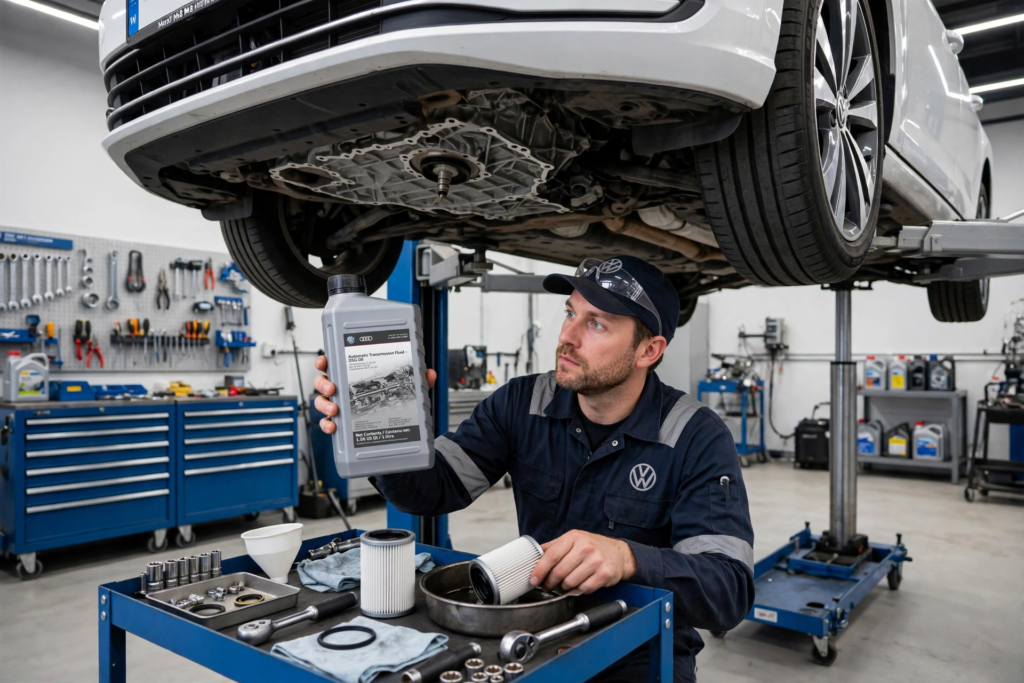
In the case of DSG transmissions which require fluid and filter service do to the manufacturers recommendation that is what you should follow. Clean properly specified fluid is what the transmission’s hydraulic and clutch components run best on. Also filters play a role in removing contaminants from the system.
Maintenance procedures do differ between DSG transmissions’ generations, thus it is up to the owner to check the vehicle’s service info instead of using a generic DSG interval. Also of great importance is that the correct fluid is used and that the fill and check procedures are followed correctly which in turn will do the job right.
Use Sensible Driving Habits
Driving patterns also play a role in clutch wear, especially with dry clutch DSG systems. In urban settings which see lots of stop and go in traffic, and when the car is held up on hills with the use of the accelerator you generate more unnecessary clutch heat.
Drivers also should get out of the habit of aggressive take off and pay attention to transmission warning messages. For better transmission health go with normal acceleration and careful low speed driving which in the long run will put less stress on the DSG.
Warning Signs to Watch For
Owners look into repeat instances of jerking, delayed engagement, slipping, rough shifts, atypical noises, transmission warning messages, or difficulty in gear selection. A single atypical shift may not be a serious issue but as these issues become more frequent they should be checked.
Professional diagnosis is critical as many DSG issues present in the same way. Clutch issues, mechatronic faults, software problems, or sensor issues may require very different repairs. By identifying the root cause before changing out parts we are able to control repair costs.
Is a Volkswagen DSG Reliable?
A proper function of a Volkswagen DSG may be achieved with care and maintenance which in turn may not always be the case. Also, it is the specific DSG type, vehicle model, engine type, maintenance history, and use conditions that play a role in the issue of reliability. Some DSG types do in fact perform better than others so it is to the buyer’s benefit to research which exact transmission they are getting instead of to assume all DSG are the same.
For car buyers of the used market a full service history is very useful. In your test drive look for how vehicle action begins, its transition out of low gears, its pick up at speed, and the Reverse gear performance. Also report any that repeat issues, delays or caution lights — sort them out before you buy the car.
Conclusion
Volkswagen’s DSG transmission has quick shifts, great response, and the ease of an auto box. The dual clutch feature which is at the core of this transmission allows it to pre-select gears which in turn makes shifts quick and improves engine performance.
Also with regard to DSG ownership which requires proper care. We put the right maintenance schedule into practice, use the proper fluid when it is required, we drive sensibly and we pay attention to warning signs which in turn will extend the life of the transmission. Also for the used Volkswagen buyer we suggest you check the DSG’s service history and have the transmission checked out which in turn will help avoid unexpected repair costs.