Nissan CVT Problems are a major concern for owners of the Altima, Sentra, Rogue and Versa. While a conventional automatic transmission alternates between pre-determined ratios, CVT takes it one step further by continually adjusting the ratio using adjustable pulleys and a steel belt. This design is aimed to achieve smooth acceleration, improved fuel economy and optimum engine performance. But some Nissan models and model-year models have problems with the CVT, so it’s important to be aware of the warning signs and estimated repair costs.
Nissan’s CVT transmission know-how can enable drivers to detect issues before they become more costly. While not all Nissan CVTs will fail, there have been some Nissan CVTs covered under service campaigns and warranty extensions. And, if there are any symptoms, affected models, their maintenance requirements and the options for repairs, this can help owners to make their decisions on whether to repair, replace or continue driving the affected model.
The Nissan CVT Transmission Technology
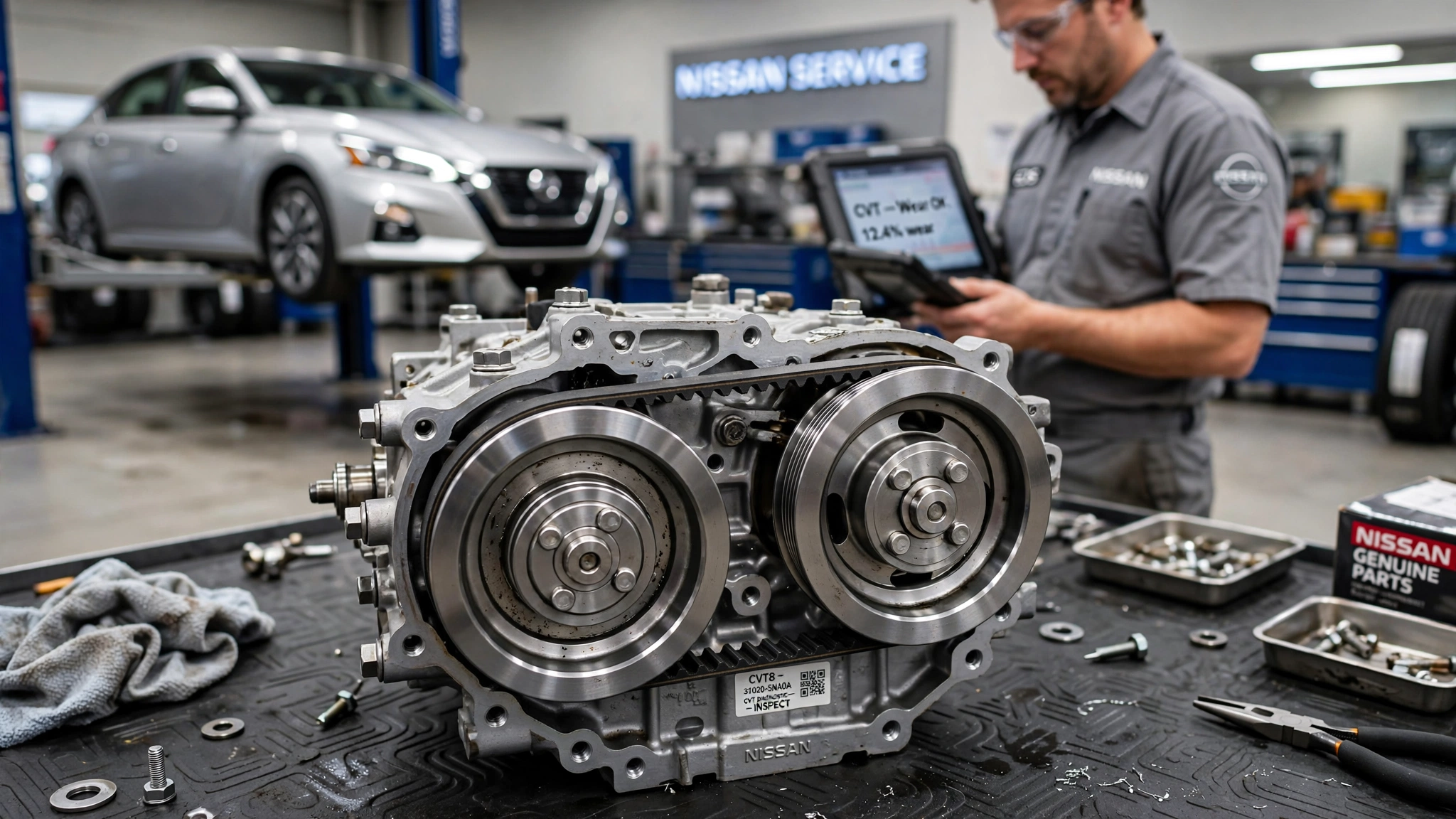
CVT (continuously variable transmission) is a Nissan automatic transmission system that works continuously to change gear ratios, whereas a regular automatic transmission has a number of fixed gears. The system comprises two variable diameter pulleys linked by a high strength steel belt. The transmission ratio varies with the change in the position of the pulleys. This enables the engine to run at optimum RPM without gear changing.
Besides the transmission fluid, hydraulic pressure, sensors, electronic controls and a valve body are required for the CVT to function properly. A transmission problem does not necessarily indicate failure of the CVT as several components are involved. Sometimes symptoms of a problem can be mistaken for major transmission failure: due to a faulty sensor, control valve, software, or fluid problem or one of the internal components.
Reported Nissan’s CVT issues
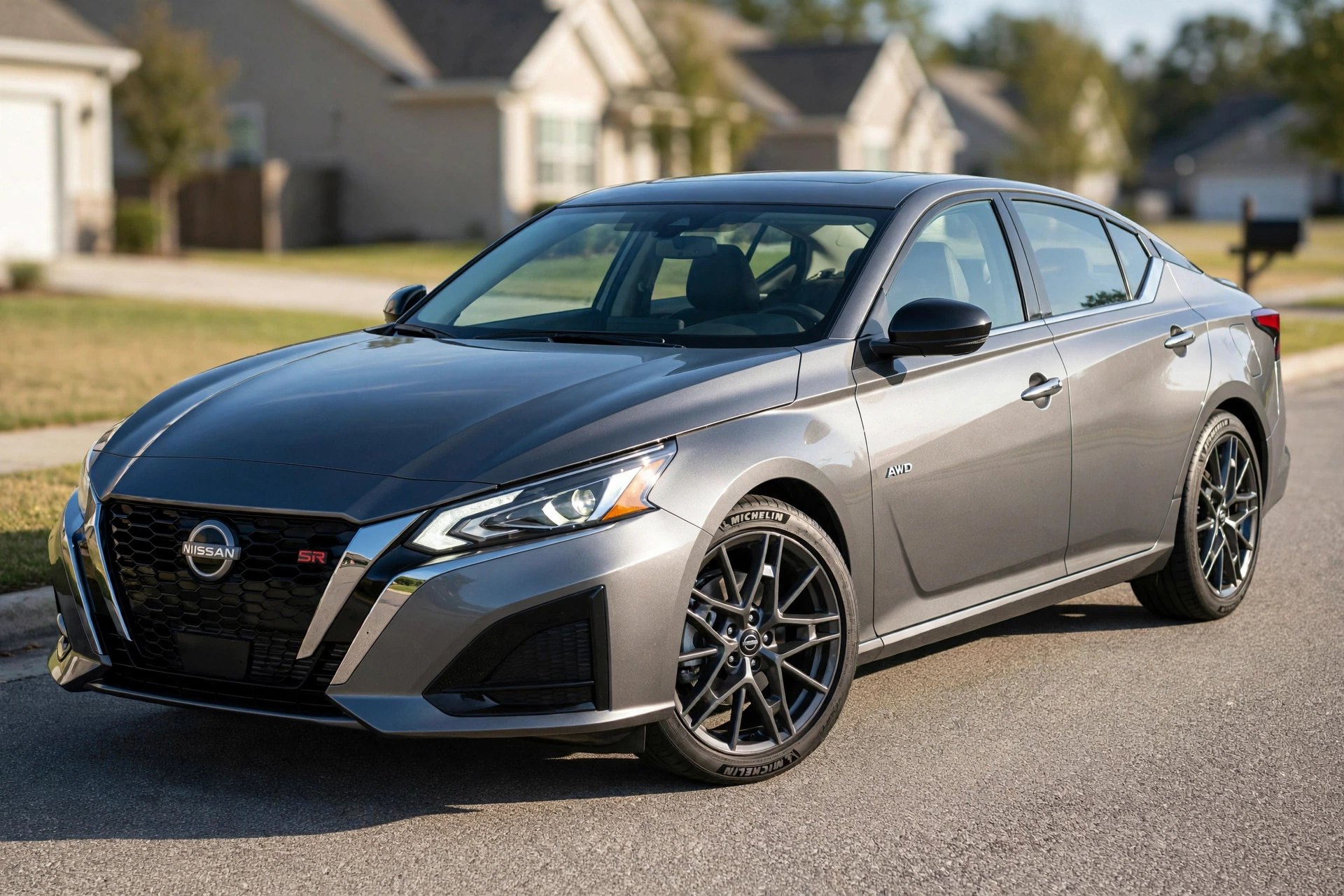
The Nissan Altima is a popular car when it comes to CVT problems with Nissan. Some 2013-2016 Altima models were given an extended warranty that covered CVT for 84 months/84,000 miles. Some of the 2017-2018 Altima models were enrolled in an extended warranty as well. Coverage is dependent on vehicle and VIN.
Nissan Sentra is also featured in CVT warranties. Some 2013-2017 Sentra models were included under a previous program and select 2018-2019 Sentra models with specific features were covered under another program. Warranty-extension programs also applied to the Nissan Rogue, for certain 2014-2018 models. There are different models, years, mileages and VINs that will be eligible for coverage, so you should check with the company and not assume that you’re covered.
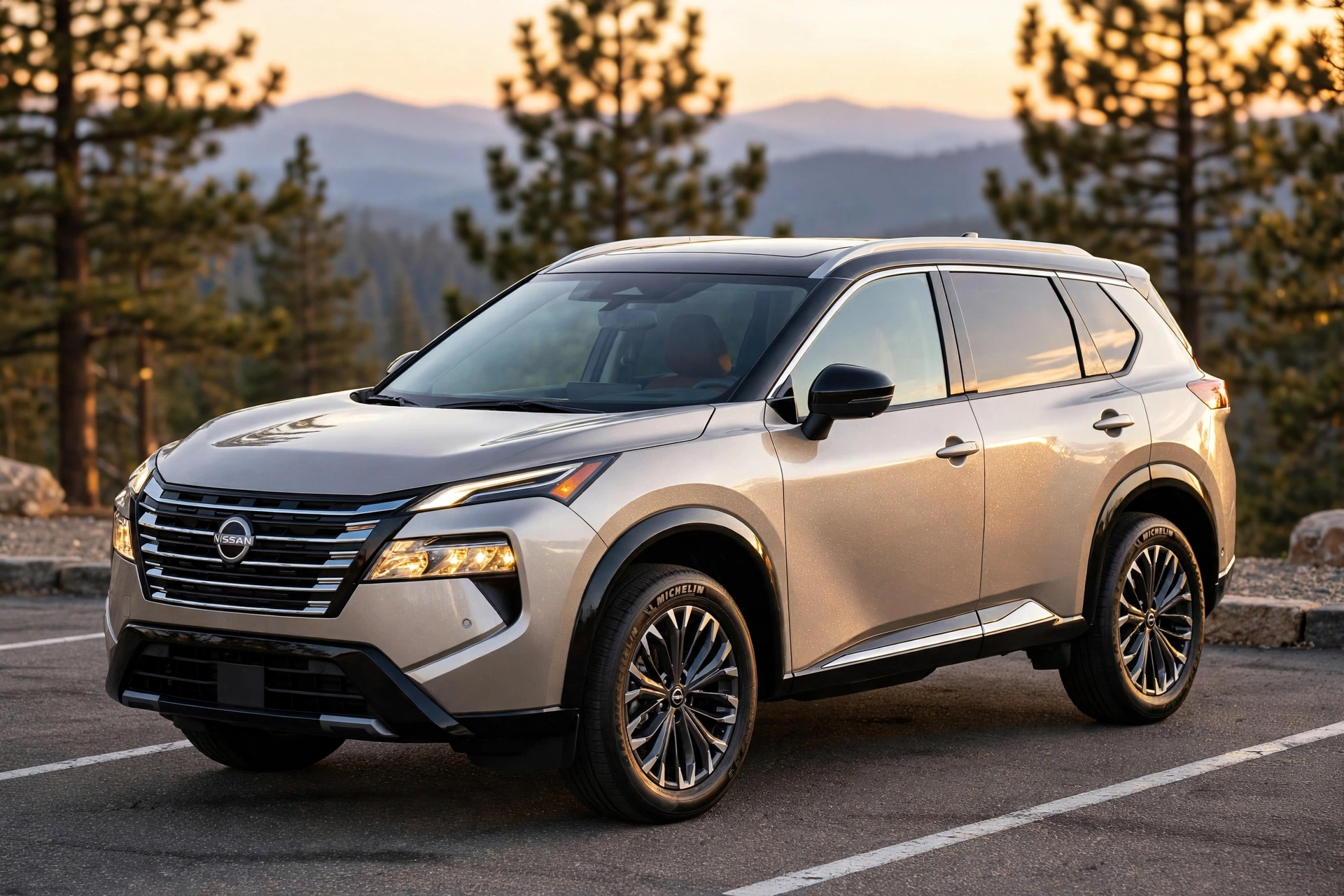
Nissan Rogue CVT Problems
Rogue vehicles have been known to have issues with the CVT, specifically for some vehicle years made between 2014 and 2018. Nissan extended its warranty to cover certain Rogue models that provide extra warranty coverage on CVT transmissions from what the manufacturer claims to be the original warranty.
But, there is no guarantee that all Rogue of those years will have a transmission issue. It just indicates that certain vehicles were covered in a particular coverage program. Therefore, prior to purchasing a used car it is advisable for the buyer to review the VIN and the service history.
Typical symptoms of a CVT failure
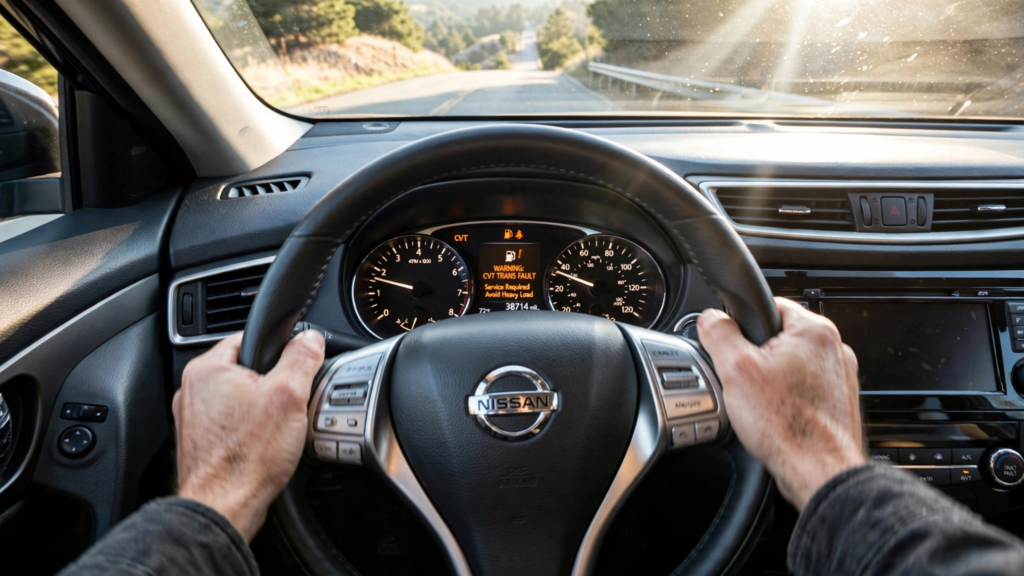
Nissan CVT issues can occur over a period of time, so it’s crucial to recognize the early signs. These symptoms include hesitation, shivering, abnormal whining and/or humming noises, delay in acceleration, increased engine RPM with no acceleration, loss of power, and transmission warning lights. Others might also experience some changes to the manner in which the car accelerates from a standstill or when going up a hill.
Just because something is odd while driving doesn’t necessarily indicate the CVT is broken. Symptoms can be caused by a variety of engine, electrical, sensor and other drivetrain issues. Therefore, owners should have the car inspected by the vehicle’s technician rather than simply going into the idea that the transmission should be replaced.
Shuddering may also be a vibration, or uneven acceleration, especially at low speeds. This could be related to the state of the transmission fluid, torque converter, control components or to internal CVT wear. When the problem becomes more common and/or more intense it should not be overlooked, but inspected.
Another crucial indicator is loss of acceleration. If there is a sudden loss of power from the CVT, it could be a problem with hydraulic pressure, electronic controls, valve body or internal components. When a big trouble transmission issue presents itself, it can prove to be more expensive to repair the transmission if the driver keeps driving it.
Causes Nissan CVT problems
There are several issues that can cause CVT issues. CVT operation can be impacted by internal wear, over-temperature, worn transmission fluid, hydraulic pressure problems, vehicle valve-body problems, electronic problems, or broken belt or pulley parts. The belt, pulleys and hydraulic system must function in sync to ensure the correct ratio change at all times.
It’s also crucial to consider maintenance. Owners need to stick to their car and use the proper transmission fluid and servicing guidelines. But while maintenance can help keep a CVT from failure, it cannot prevent it from happening. When a vehicle starts to exhibit strange behavior, it’s typically better to diagnose the issue quickly than to wait until it gets to a more serious stage.
Belt, Pulley, and Valve Body Problems
The CVT’s belt and pulley system is responsible for continuously changing the transmission ratio. These components can suffer from internal wear, leading to erratic performance, noises or slow acceleration. These components are subjected to considerable stress, and may eventually lead to a serious repair or replacement due to internal damage.
The valve body is another critical part that assists in regulating hydraulic pressure in the transmission. According to Nissan warranty documents, the CVT control valve body is one of the parts that can be included in specific warranty-extension programs. Repair will vary based on the diagnosis.
Nissan CVT Recall and Warranty History
Be aware that a recall is not a warranty extension. A safety recall is for a defect that could affect safety and may necessitate specific repair actions, while a warranty extension is for additional coverage to cover specific repairs. There have been multiple Nissan CVT programs that have been classified as warranty extensions in lieu of a safety recall.
Nissan, for instance, extended the warranty on some of its Altima and Sentra to cover 84 months or 84,000 miles. Other programs included some Rogue vehicles. Nissan has also organized service campaigns for certain models that are related to CVT parts. These programs have certain requirements and the owner must verify the information with the VIN.
CVT repair vs. replacement cost comparison
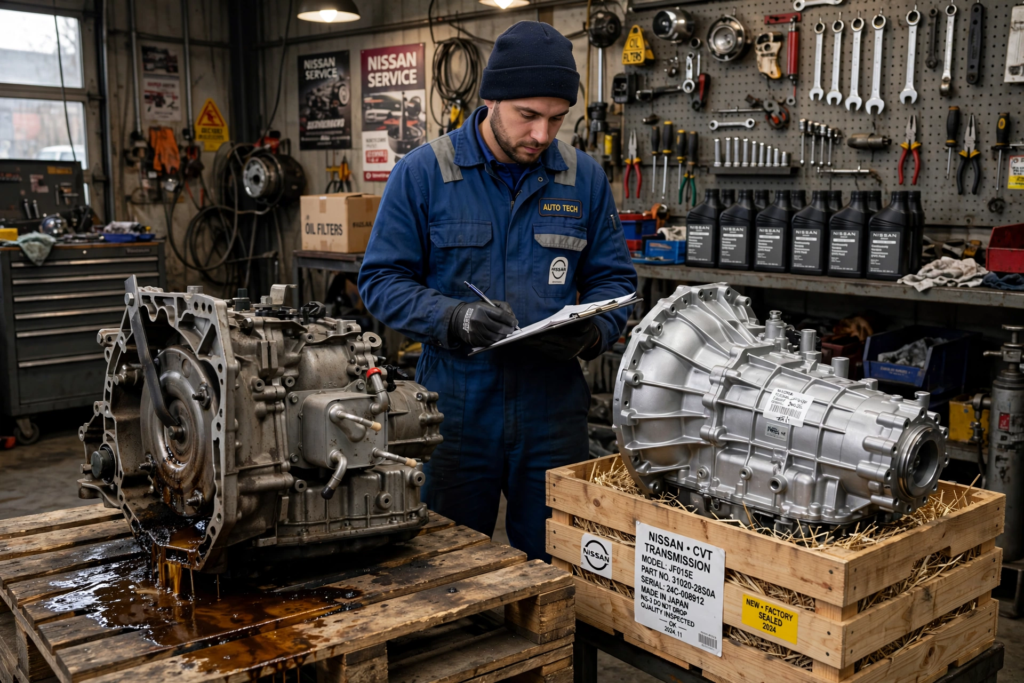
The price for CVT repairs depends on the breakdown. The difference between a diagnostic or software problem and a transmission with a lot of internal damage is that it can cost a lot less to fix. It is possible that a control valve or individual component problem will be solved without a complete change-out of the CVT.
The CVT that is to be replaced will be much more costly when it is complete, as it will include the transmission assembly, labour, fluid and possibly programming or related work. Owners should ensure they receive an accurate diagnosis and compare quotes from a Nissan dealer and a trusted, independent transmission specialist before approving a replacement.
When to Repair or Replace the CVT
Sometimes it may be better to repair when the issue is related to one component of the transmission and the rest is fine. However, replacement is more feasible if there is significant internal damage to the transmission or if it costs nearly as much to rebuild the unit as a replacement.
Vehicles age and mileage, condition and value should also be taken into account. If the vehicle has a number of costly issues, it may not be worth spending a lot of money on the transmission. A professional diagnosis can be used to decide whether the car should be fixed up, replaced or sold.
If you’re interested in purchasing a used Nissan CVT, have the VIN, maintenance records, warranty, and transmission service records verified. This is particularly the case for older Altima, Sentra and Rogue models, which might have been covered by previous warranties.
Check acceleration and hesitation, vibration, unusual noises, engine RPM and warning lights during the test drive. If something sounds or feels weird have the vehicle checked by a trusted mechanic prior to the sale. A pre-purchase inspection may be able to reveal potential transmission issues that can’t be seen in a brief test drive.
Conclusion
Nissan CVTs are known to operate smoothly, and can deliver fuel economy benefits, however there have been some serious concerns with certain Nissan models and model years. Owners of Altima, Sentra or Rogue should be aware of the red flags, familiar with their cars’ warranty status and confirm the warranty coverage on a per-VIN basis when necessary.
Here is probably the best advice: treat symptoms early, stick to the manufacturer’s maintenance needs and get a professional diagnosis before trying to fix something that is too costly. If you don’t know what to look for, a clean service history, a healthy test drive, and an independent inspection will be far more significant to used-car shoppers than just assuming that all Nissan CVTs are reliable or not.