Introduction
BMW xDrive Explained: BMW is a brand that is renowned for its luxury vehicles that are a blend of performance, comfort, and innovative engineering. It is one of the company’s most well-known innovations, namely the xDrive, which is an intelligent all-wheel drive (AWD) system. In contrast to the more conventional AWD systems, which simply distribute torque among all four wheels, xDrive maintains constant control of the wheel torque ratio to deliver enhanced traction and stability in all road conditions. It can be used in rainy, snowy or even dry winding roads, and it will keep the vehicle balanced and responsive in the background.
When thinking about buying a BMW, it’s important to be familiar with BMW’s xDrive all-wheel drive system and know whether or not it’s a system that’s worth the added expense. We’ll break down xDrive and how it works, compare the system with BMW’s sDrive and rear-wheel drive (RWD) technology, discuss its reliability, and help you decide which one is best suited for your driving style and climate.
What Is BMW xDrive?
BMW xDrive is the company’s intelligent all-wheel drive system, which enhances traction, stability, and driving confidence. Permanent AWD systems rely on a fixed distribution of torque, while xDrive continually adapts to the exact driving circumstances to alter the engine power split between the front and rear wheels. The system typically prioritizes the wheels of the rear axle and keeps BMW’s sporty handling qualities intact during regular driving, but quickly switches gears when extra grip is required.
The system complements systems like Dynamic Stability Control (DSC), traction control, steering angle sensors and wheel-speed sensors. The components regularly track the vehicle’s motion and road conditions and respond within milliseconds to xDrive. The driver is never required to do anything manually as it’s entirely automatic, providing stability and predictability in nearly any driving situation.
How xDrive distributes power
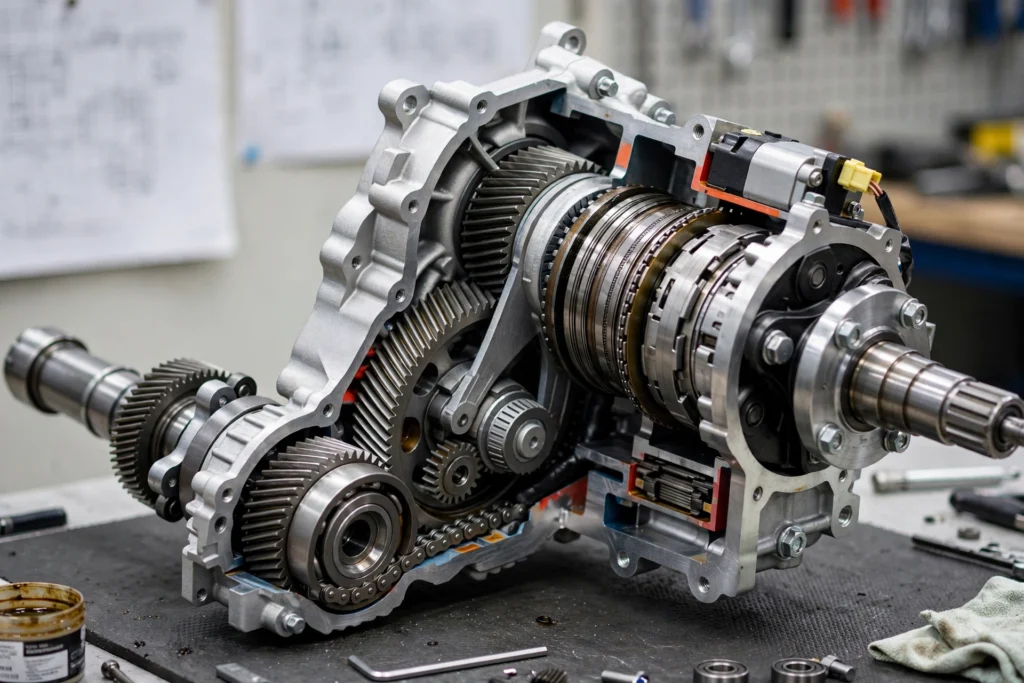
The system includes an electronically-controlled multi-plate clutch in the middle of the system in the transfer case. This clutch alternates the amount of torque sent to the front and rear axles based on the available traction. This system rapidly redistributes extra torque to the front wheels in the event they lose traction during takeoff. Similarly, when the front wheels need less assistance, there’s more torque returned to the rear axle.
This ongoing modification enhances stability while accelerating, cornering and driving on skiddy surfaces. Rather than only waiting until the tire loss of traction becomes considerable, xDrive anticipates the loss of traction based on information gathered by several sensors. This ensures a smoother ride, improved traction and balance and thus better driver confidence.
Benefits of BMW xDrive
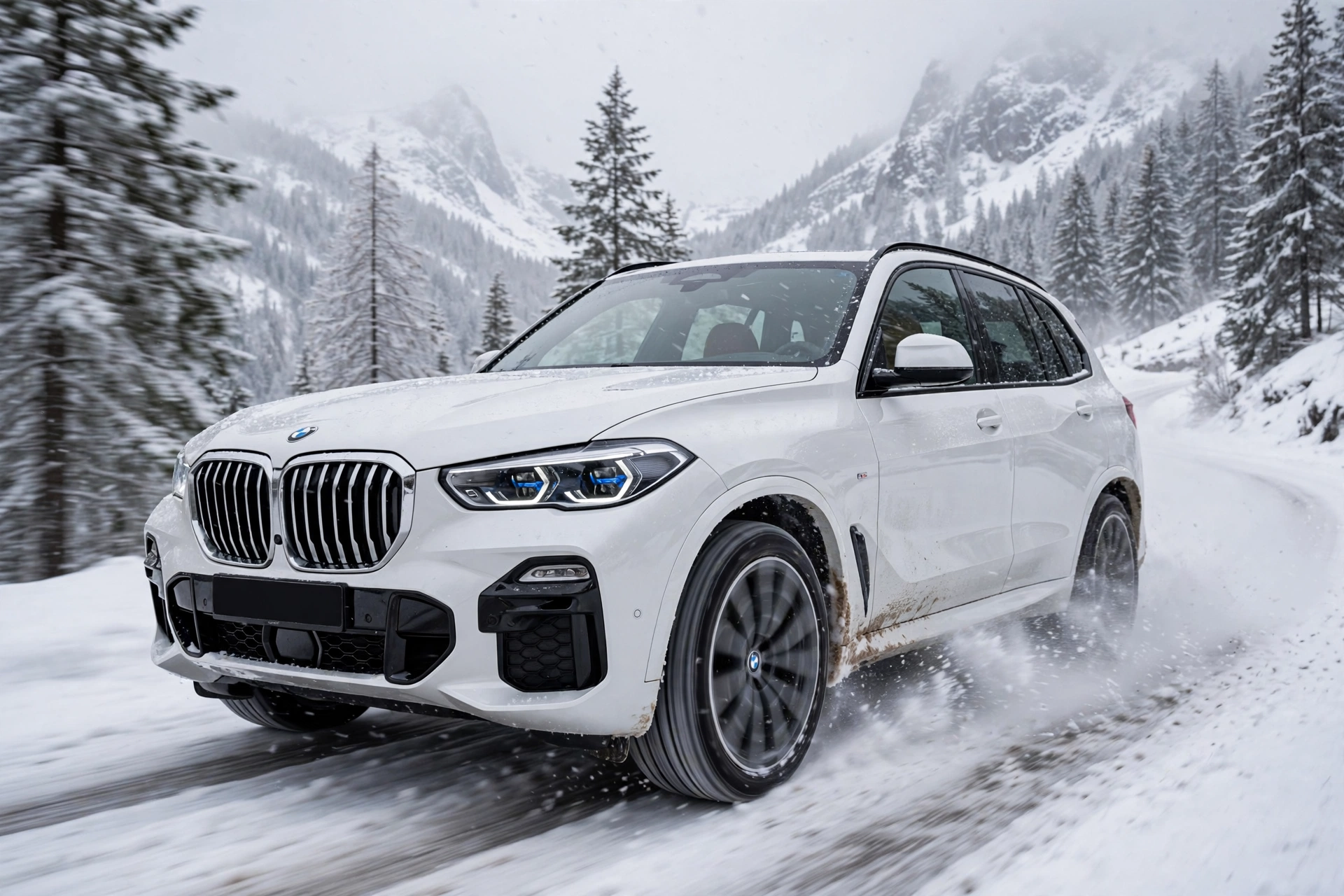
The greatest benefit of xDrive is its ability to drive better in poor weather. In rainy, snowy, icy or loose gravel conditions, tyres can lose grip during acceleration and cornering, resulting in reduced control. By sending power to the wheels with the most grip, xDrive helps to minimize wheel spin and enhance overall stability. Even with the high-quality tyres, the system offers extra security and peace of mind when driving on uncertain road surfaces.
In addition to the weather, xDrive helps to enhance performance. Better traction during hard acceleration in high powered BMW models due to more even distribution of power to both axles. Drivers also appreciate enhanced stability when cornering, thanks to the system’s ability to keep balance without compromising on the BMW signature sporty driving experience. This not only helps in winter driving, but also for everyday driving and handling.
BMW xDrive vs sDrive
The difference between xDrive and sDrive is the number of wheels driven. xDrive is a four-wheel drive system as opposed to sDrive, which is a one-wheel drive system. In the majority of BMW sedans, sDrive is an abbreviation for rear-wheel drive, although depending on the platform, the front-wheel drive is used on some SUVs. Due to its reduced number of drivetrain parts sDrive is often lighter, slightly more fuel efficient and cheaper to buy.
SDrive is sufficient for those who drive primarily on dry roads. But for the frequent rain, snow and slippery road users, xDrive could give them a much-needed boost. AWD models are typically more expensive up-front, but may provide improved traction and can command a higher resale price in cooler climates where all-wheel drive is a valuable feature.
Traditional Rear-Wheel Drive (RWD) vs. BMW xDrive
The balanced handling and fun to drive attribute of the RWD system has been a BMW hallmark for many years. RWD only sends power to the rear wheels and that is what a lot of driving enthusiasts like, responsive steering and predictable cornering. Also, it is typically lighter than AWD systems and offers slightly better fuel economy and maintenance fees.
xDrive, however, takes these good attributes to the next level by providing further stability in tougher road conditions. It doesn’t work as a front-biased AWD system per se, but rather sends power to the front wheels only when the rear wheels are losing traction. This enables the driver to appreciate much of the handling that BMW is known for but have the added confidence when driving in poor weather conditions.
Weaknesses of BMW xDrive
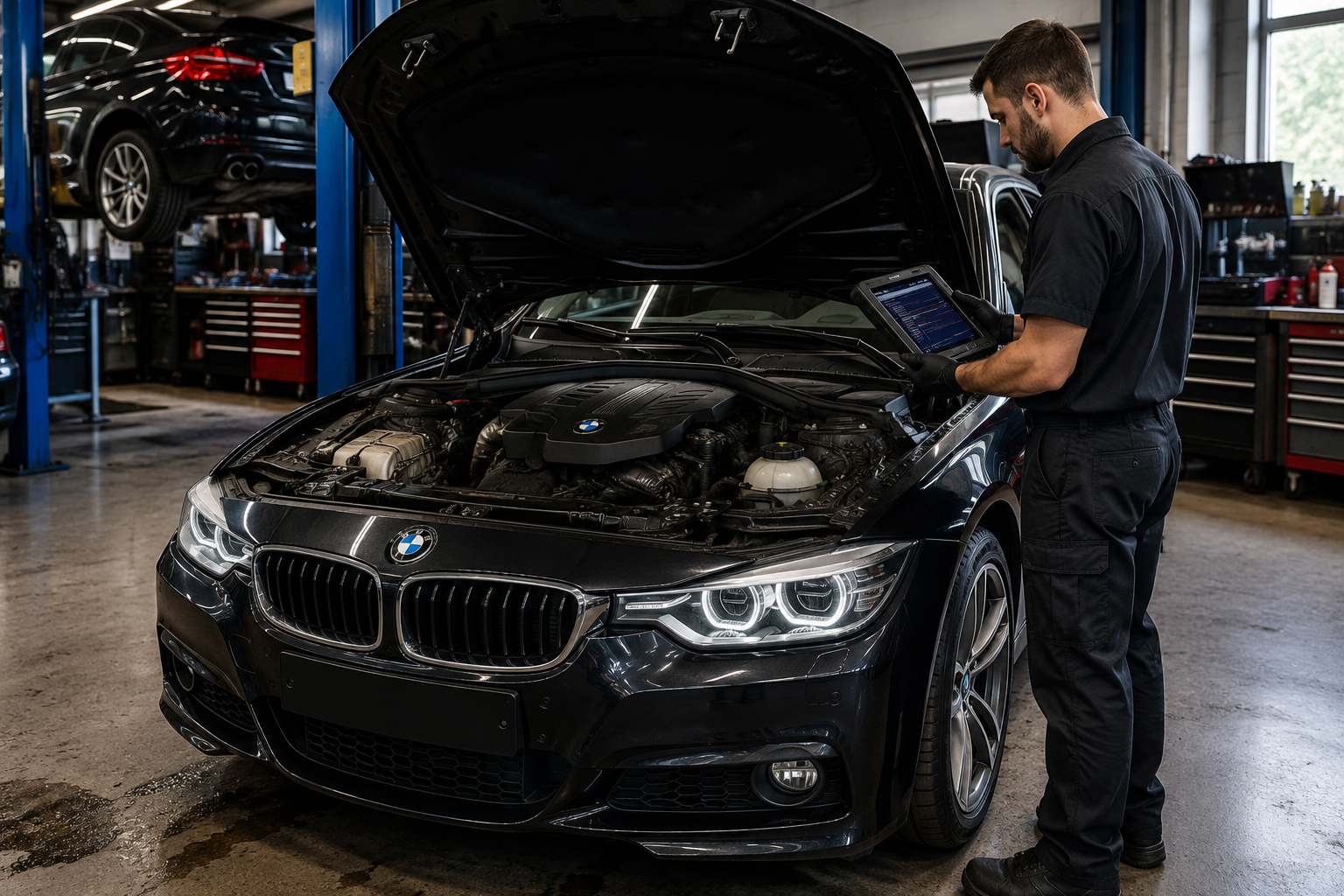
Overall, BMW xDrive can be considered a reliable system if it is well cared for. It is common for many owners to fail to have any significant issues with the drivetrain before they hit 100,000 miles. Today’s transfer cases, electronic clutches, and differentials are engineered to last long, but they are still mechanical devices and need to be maintained. By sticking to BMW’s recommended service intervals, you’ll have greater reliability over time and avoid costly repairs.
Common problems are wheel-speed sensor failure, worn electronic actuators and worn transfer case. These don’t occur in all cars, but they can be more common if they aren’t properly maintained. Regular fluid changes, periodic inspections and early replacement of worn parts can help prolong the life of the system and minimize costs of repairs over time.
Maintenance Tips
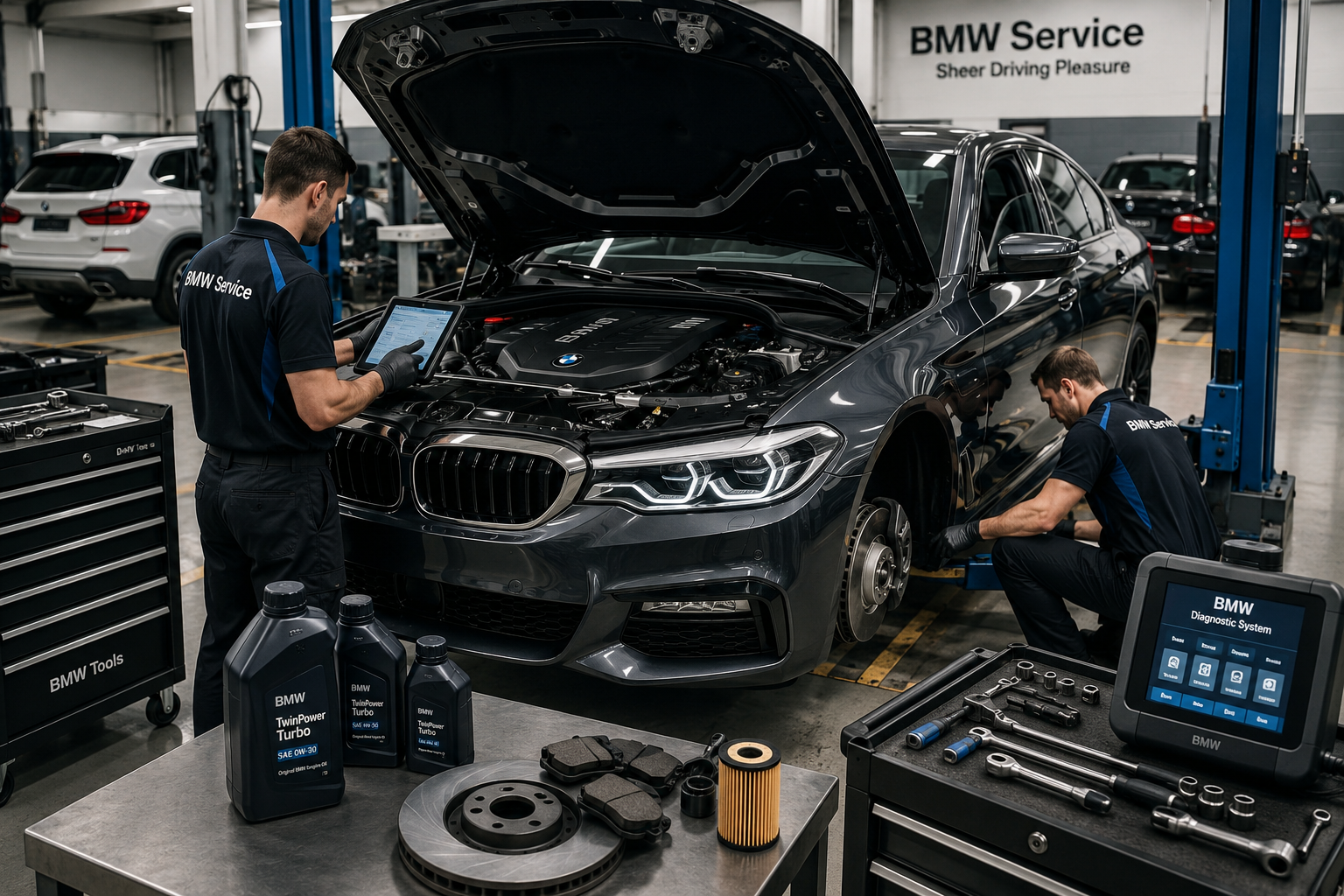
It’s pretty simple to keep xDrive running. When it’s time to change tires, all four are changed at once to avoid putting undue strain on the drivetrain. Even tire wear occurs with regular tire rotation, keeping the system in play. Worn out tires can also cause an excessive load on transfer cases and differentials.
Owners also should be alert to drive train warning lights, abnormal vibrations or strange sounds while accelerating. Early action to solve the problems can avoid later, costlier fixes. These maintenance practices, in addition to regular transfer case and differential fluid flushes, can help ensure smooth xDrive operation for many years.
Should BMW xDrive be a new investment?
It’s up to the individual to decide if xDrive is worth the additional cost based on driving needs and location. For frequent snowfall, heavy rain, icy roads, and/or steep terrain, the extra traction and stability may prove to be a noticeable advantage in safety and driving confidence. Drivers that travel long distances in all conditions will find the investment worthwhile, as the system will enhance vehicle control in all weather conditions.
For those who drive in warm climates with dry roads most of the time, however, all-wheel drive may not be of the greatest advantage. In these cases, sDrive or conventional rear-wheel drive can offer the exciting driving experience that BMW is renowned for, at a lower acquisition cost and a marginally better fuel economy. Finally, the type of drivetrain you select will depend on your budget, driving style, and climate.
Conclusion
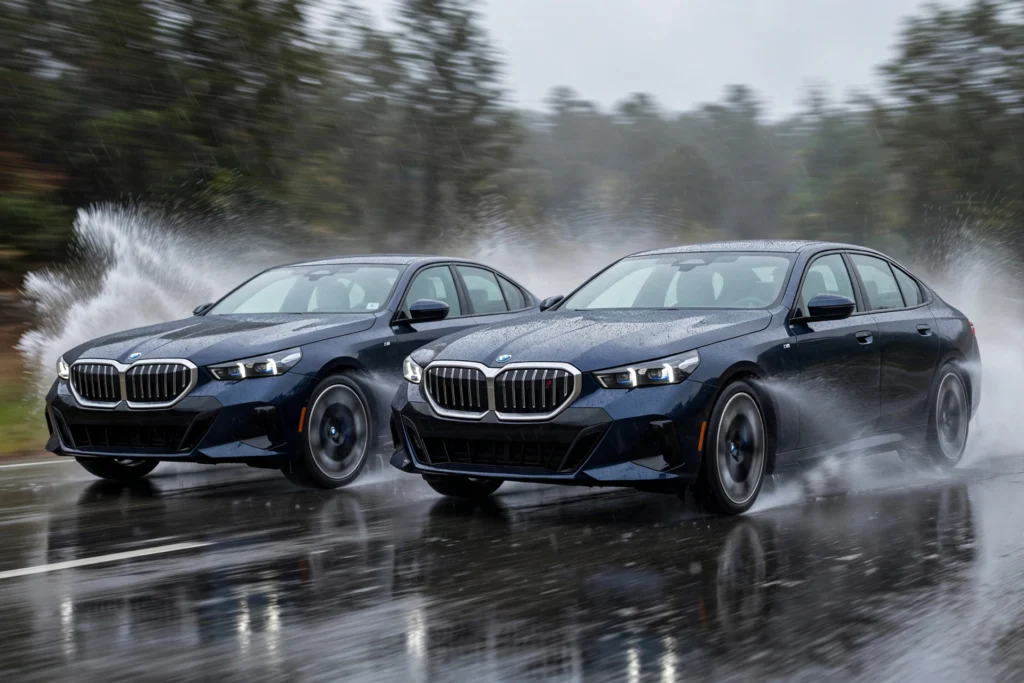
BMW xDrive is one of the most advanced all-wheel drive systems in the luxury market. It automatically adjusts its traction, stability and performance by constantly monitoring road conditions and intelligently distributing engine power, while maintaining the hallmark BMW rear-wheel-drive driving experience. It adapts automatically, which makes it useful in both normal and adverse weather conditions.
If you’re a driver who experiences rain, snow or road changes on a frequent basis, xDrive is definitely worth the extra cost. Whereas, for those who mainly drive in dry regions and are more concerned with lower ownership expenses, sDrive or conventional rear-wheel drive might be preferable. Once you have an understanding of each drivetrain, you’ll be able to select the BMW that best suits your lifestyle, environment, and long-term goals.