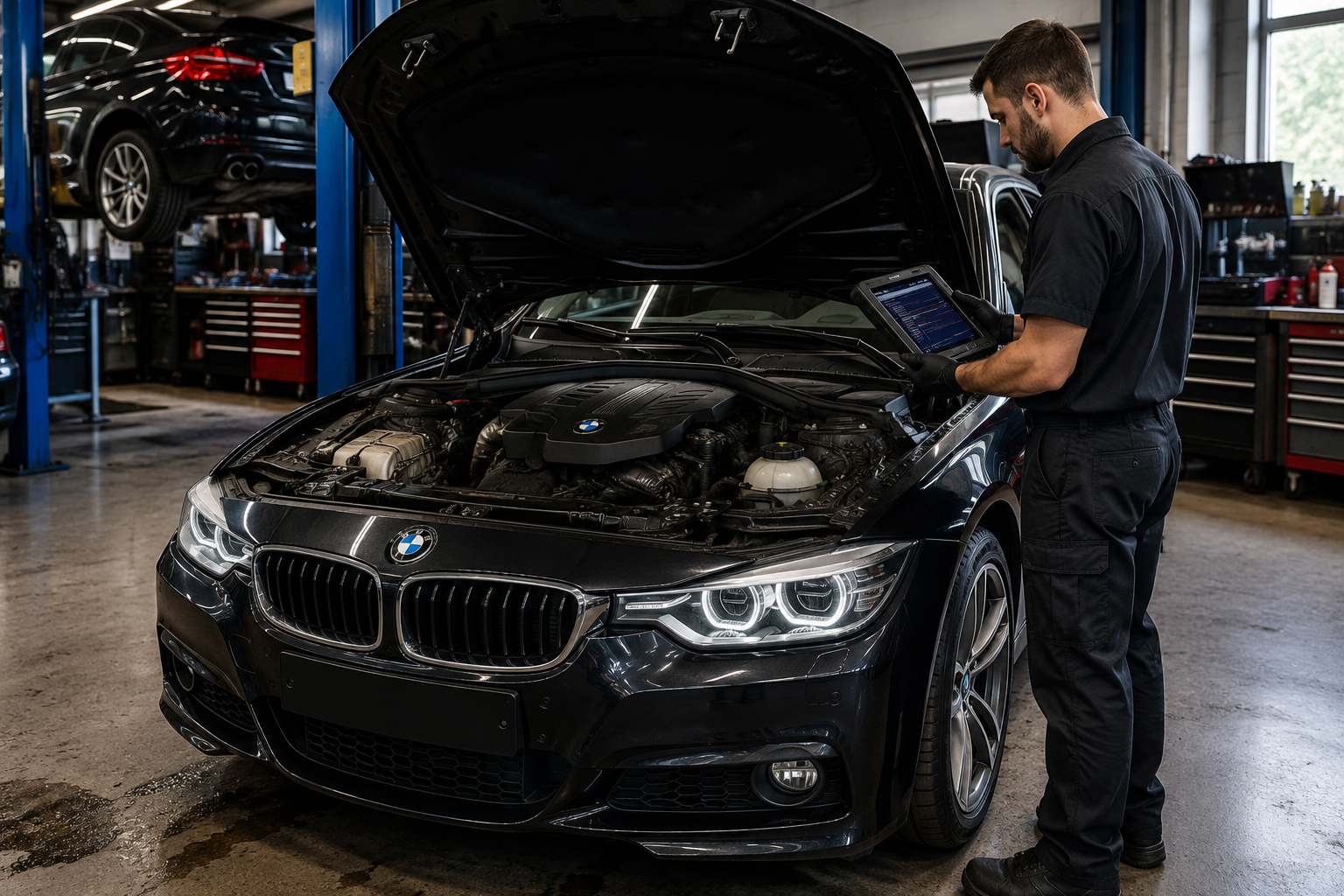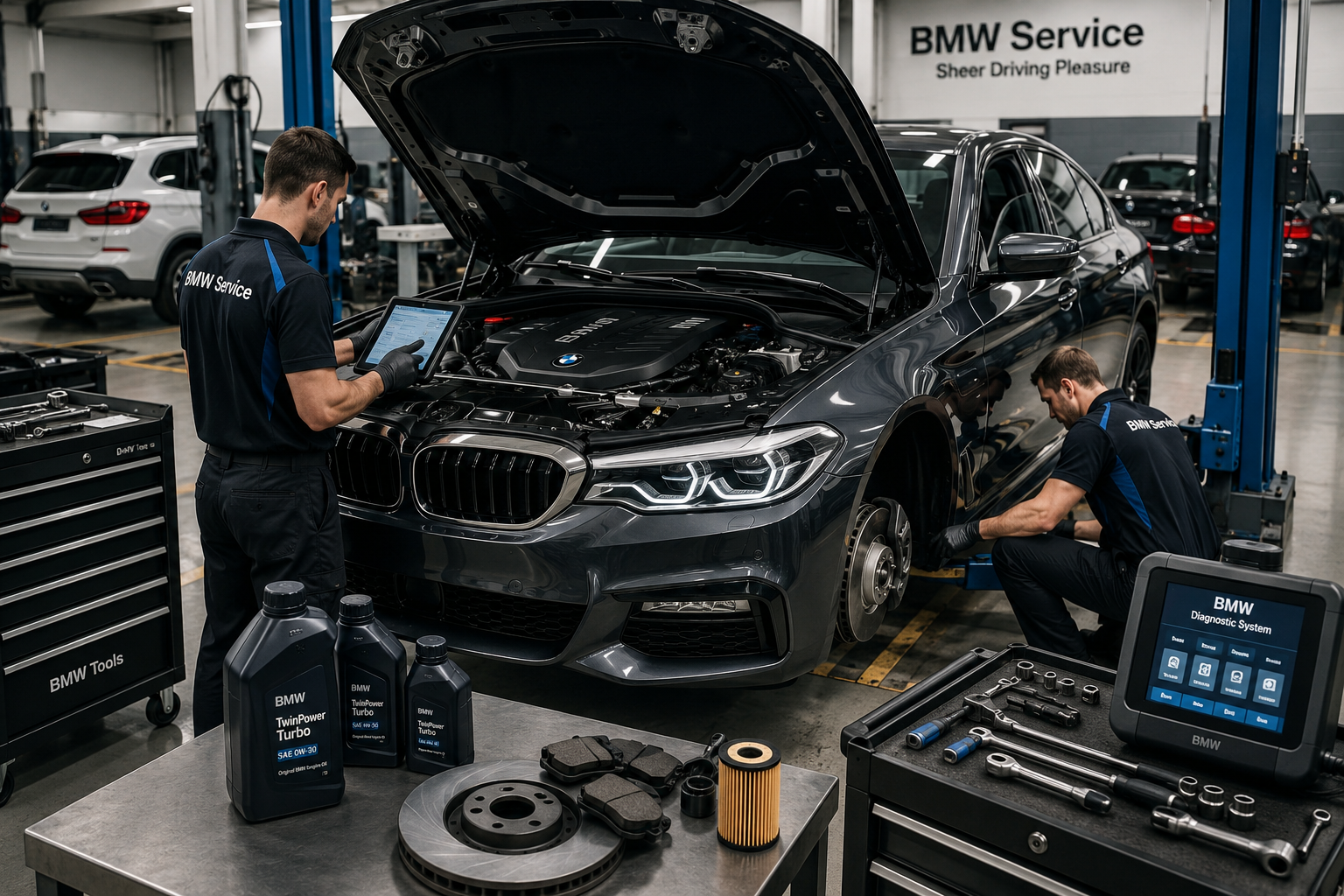
BMW Maintenance Costs are an important consideration when purchasing a BMW. Purchasing a BMW is not only a great way to get a high quality vehicle that has features and technology that are far ahead of its time in the handling and driving department, but it is also a great way to get a great deal. It’s important that every BMW owner fully understands the financial commitment that they make when they acquire a luxury vehicle. The buying price is frequently the only part of the cost of ownership that’s considered, but the regular servicing, parts, labour and unforeseen repairs are all factors in the total cost. These are all things to consider when budgeting for these costs, preventing drivers from being surprised by potentially expensive maintenance bills when driving a BMW.
The #1 myth of owning a BMW is its cost of maintenance. BMW is not known for its low maintenance cost compared to economy cars, but there are many costs that can be forecasted if owners stick to the recommended service schedule. In the long term, it can be a cost effective decision to select quality replacement parts, stick to preventative maintenance schedules and recognize when qualified independent mechanic costs are less than dealership service costs.
The True Cost of BMW Ownership
Buying a BMW is just the first step to owning one. Scheduled maintenance, replacement parts, tires, fluids and periodic repairs all contribute to maintenance costs. The cost of these varies when you consider the model, engine type, mileage and driving habits. The BMW M series of high-performance cars typically demand more high-dollar repairs when they break down, while hybrid and electric vehicles have specific needs when it comes to service.
One of the few costs that drivers can influence while owning a vehicle is maintenance. Tightly scheduled maintenance and regular inspections can help avoid costly repairs. Proactive owners tend to deal with maintenance and service costs over the vehicle’s lifespan at lower expenses than owners who neglect their recommended maintenance.
Why BMW Maintenance Costs More Than Many Other Brands
BMW cars are built using the highest tech systems, components and electronics. A wide variety of repairs are dependent on special diagnostic tools, high quality replacement components and repair technicians who are familiar with the engineering of a BMW. Higher maintenance costs can result from turbocharged engines, advanced cooling systems, electronic suspension parts and synthetic lubricants.
Labour costs also are a significant factor. Complex engineering and the low volume of the engines found in BMW require more time for even simple repairs. These design features are beneficial for their performance and driving characteristics, but can of course lead to higher service expenses over the vehicle’s lifetime.
Typical Annual BMW Maintenance Costs
The annual maintenance expenses are more or less dependent on the age and mileage of the vehicle. BMWs that are newer than this are likely going to need regular maintenance like oil changes, inspections, brake fluid replacement, and tire maintenance. The older the vehicle is, the more you’re likely to have to spend on suspension parts, cooling systems, batteries, brakes and engine gaskets.
If you are the owner of a BMW, forming an annual maintenance plan is one of the most savvy monetary choices you can make. Saving up all year ensures that any planned maintenance or repairs, or even unexpected ones, are easier to deal with without impacting on your day-to-day finances.
BMW Service Schedule Explained
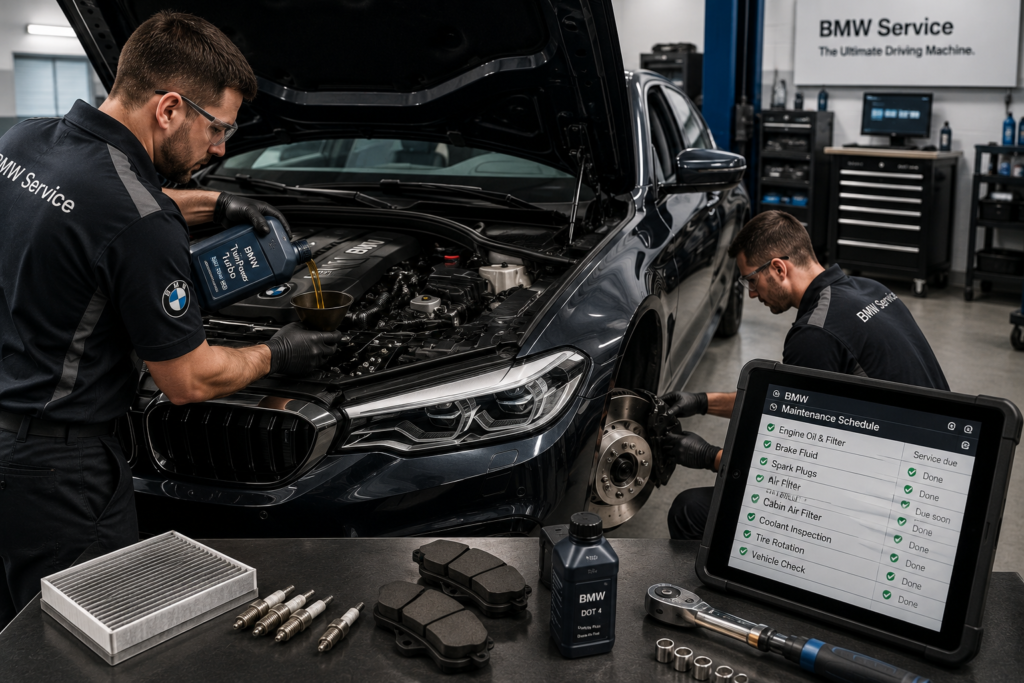
BMW’s condition-based service system is utilized on a number of its newer vehicles; a variety of sensors on the vehicle monitor oil life, brake wear, and other areas that require maintenance. Despite this, it is still essential to know the manufacturer’s recommended service intervals to ensure maintenance costs and keep vehicles reliable.
By sticking to the maintenance schedule, all the components of the engine have a longer life, the resale value is enhanced and the chance of costly mechanical failures is diminished. It’s much cheaper to perform preventive maintenance than to repair failed components.
Oil Changes
The highly turbocharged and high operating temperature of BMW engines means that fully synthetic oil is a must. Fresh oil lubricates the various parts of the engine, decreases friction and slows down premature wear. The longer oil changes are postponed the more engine wear will be caused and can give a reduced useful life for the critical parts like the turbocharger in the engine.
Most BMW owners change their engine oil every 7,500 to 10,000 miles or so, depending on the driving conditions. By adhering to the BMW-approved oil specifications, every time, your engine will be properly lubricated and operating at its best.
Brake Service
BMW braking systems offer outstanding braking performance but they also wear out more quickly than conventional passenger vehicle braking systems. Regularly check brake pads and rotors, and change the brake fluid as per schedule to ensure smooth brake operation.
Regular brake maintenance not only ensures safety, but also minimizes the risk of damage to costly brake parts. Worn pads can cause rotors to wear and cause significant repair expenses if worn pads are replaced before they begin to damage the rotors.
Major Maintenance Intervals
Major maintenance usually involves, replacement of the spark plugs, changing the transmission fluid (if applicable), changing the differential fluid, changing the air filter, general inspection and cleaning. These services are not routine maintenance but are essential in maintaining long term reliability and are more expensive.
Failure to adhere to the major maintenance schedule can result in lower fuel economy, engine rough running, and increased cost of future maintenance. It is important to keep up with these services to ensure that the vehicle performs at its best and to prolong its life.
Dealer Service Versus Independent Mechanics
Many BMW owners think that only dealerships can provide them with quality services. Dealerships will have factory trained technicians, and parts are typically BMW quality and sold at a higher price. Dealership servicing could also be an added comfort for those who still have a warranty on their vehicles.
Independent BMW specialists are often able to offer top quality service at less than OEM prices with quality OEM or equivalent parts being used. The value of experienced independent garages specializing in German cars is that they can provide expert servicing, and also help maintain costs for the long haul for the owners.
Extended Warranties and Maintenance Plans
Factory warranties cover the owner in the initial years of ownership, but expire after some time. For those who are looking to keep their BMW for many years to come, extended warranties can be a valuable tool in minimizing the costs of major repairs. Before you sign up for any extended warranties, it is important to do a detailed comparison of coverage, deductibles and exclusions.
Maintenance plans vary as they include services that are planned, rather than repairs that are more unexpected. A prepaid maintenance plan can offer you a sense of predictability in your servicing expenses and ease budgeting, particularly if you’ve a driving style and any ownership objectives.
Common BMW Repairs That Affect Long-Term Costs
There are a variety of components in a BMW that, as they age, begin to wear out. Many owners will have to have their cooling system parts replaced, water pumps repaired, thermostat assemblies replaced, valve cover gaskets replaced, oil filter housing gaskets replaced, suspension bushings replaced, or electronic sensors replaced at some time. While not all BMWs are plagued by these problems, it is helpful for owners to know what to expect in terms of repairs so that they can budget accordingly.
Small issues are addressed at an early stage to avoid major mechanical issues. A small repair cost for a coolant leak can save hundreds or thousands of dollars in the long run, as can a replacement of worn suspension parts before they impact tire wear.
Practical Ways to Reduce BMW Maintenance Costs
Do not reduce maintenance costs, but instead cover all necessary maintenance. Rather, the result is maximizing the reliability of the vehicle, while making informed maintenance decisions that result in savings. The best way to avoid costly repairs and reliable operation is to follow the principle of preventive care.
Owners can save money by negotiating repair quotes, getting the same replacement parts from OEMs, adhering to maintenance schedules and taking on minor maintenance tasks on their own where appropriate. Replacing cabin filters and windshield wipers are just two of the many simple maintenance activities that can save labour costs.
Preventive Maintenance
Routine inspections will help discover worn belts, leaking hoses, weak batteries and worn suspension before they turn into costly repairs. Preventing a problem from happening will not only enhance reliability, but also maintain resale value.
Having detailed maintenance records is also good for resale in the future. Vehicles with service records are more likely to be sold and may have increased value as a result of their service records.
Replace with High-Quality Replacement Parts
Aftermarket components or OEM parts with a quality stamp are a great value for quality and reliability. Replacement parts are cheaper, but they tend to become worn out more quickly, resulting in further labour and costs for replacement.
With trusted suppliers and experienced technicians, replacement parts are guaranteed to meet BMW’s performance standards. When it comes to investing in quality components, the rule is that it will save you money in the long run by minimizing the number of failures.
Is It Worthwhile to Pay for BMW Repairs?

BMW’s maintenance expenses are higher than many mainstream car brands, but this is due to the brand’s high tech engineering, superior materials and high performance design. When owners learn to recognize the needs of the horse and allocate resources to meet them, they enjoy the process of horse ownership and derive satisfaction from it.
Maintenance is not a cost, it is an investment in reliability, safety and value. With the recommended service program, budgeting for regular service and making informed repair decisions, BMW owners can expect years of reliable service and manage the costs of having the vehicle serviced and/or repaired.