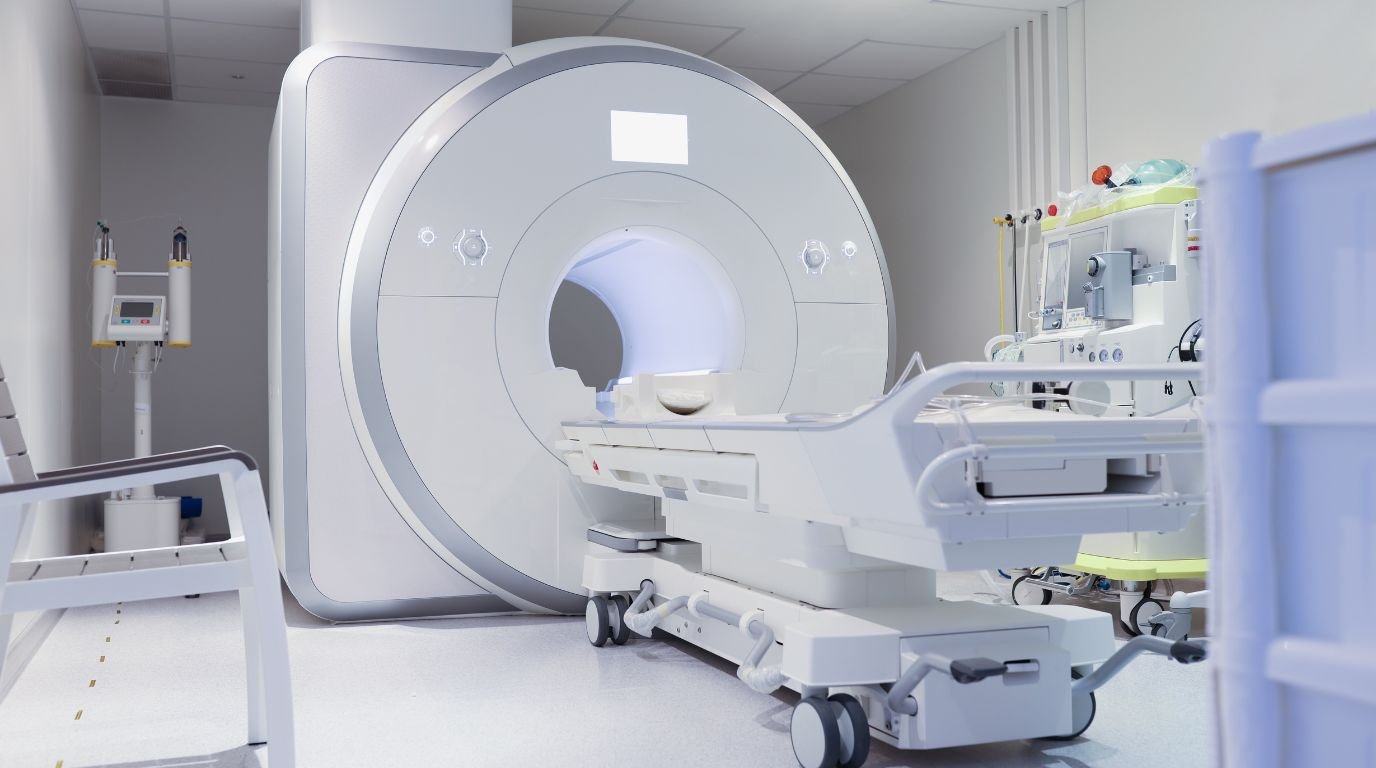
When doctors recommend an MRI scan, most people think about the large scanner that captures detailed images of the body. However, one of the most important parts of the entire imaging process is something many patients never notice – magnetic resonance imaging coils. These specialized devices play a crucial role in producing the clear, detailed images that help healthcare professionals diagnose injuries and medical conditions accurately.
Imaging coils are becoming more specialized with new improvements to MRI technology – yielding improved images, quicker scans, and a more pleasant MRI experience.
What Are Magnetic Resonance Imaging Coils?
Magnetic resonance imaging coil refers to electronic coils which are placed within the patient while the MRI scanner sends and receives radio frequency signals as it does an MRI. The imaging coil assist the MRI machine acquire images with excellent detail from an exact spot of the entire organ of the body for creating high clarity pictures of it.
Different coils are designed for different body regions, ensuring that each examination delivers the best possible image quality for diagnosis.
Why Are MRI Coils Important?
How the image quality correlates with doctors view The physician relies on the quality of image on scan, to diagnose patient from the condition. Higher Quality Coils: the higher quality coils gives high SNR ( Signal-to-Noise ratio ) for the imaging, less image noise is produced in the scan, making the scans sharper and high-resolution imaging results in clearer vision.
Enhanced images give healthcare providers a better chance of finding abnormalities with an increasing level of accuracy. Medical experts know that if there’s less suspicion of a problem, then fewer and fewer repeat tests will be ordered – which means healthier outcomes and reduced strain on a facility.
Common Types of MRI Coils
Various coil designs are available depending on the area being examined.
Head Coils
These coils are designed for brain, skull, and neurological imaging, providing detailed images of the central nervous system.
Spine Coils
Spine coils capture high-quality images of the vertebrae, spinal cord, and surrounding tissues.
Body Coils
Body coils are commonly used for imaging the chest, abdomen, pelvis, and internal organs.
Knee and Joint Coils
Specialized coils improve image quality when examining knees, shoulders, elbows, wrists, and other joints.
Breast Coils
These coils are designed to support detailed breast imaging and improve diagnostic accuracy during breast MRI examinations.
Benefits of Magnetic Resonance Imaging Coils
Improved Image Quality
Specialized coils capture stronger signals that produce clearer and more detailed MRI images.
Faster Scanning
Efficient signal collection can reduce scan times while maintaining image accuracy.
Greater Diagnostic Accuracy
Clearer images help doctors identify diseases, injuries, and abnormalities more effectively.
Better Patient Comfort
Modern coil designs are lighter, more ergonomic, and better suited to different body types.
Support for Advanced MRI Techniques
Many advanced imaging procedures rely on specialized coils to produce highly detailed diagnostic images.
Where Are MRI Coils Used?
Magnetic resonance imaging coils are widely used in hospitals, diagnostic imaging centers, research institutions, and specialized healthcare facilities.
Radiologists: for use in the diagnosis of stroke, concussion, musculoskeletal injury, cardiovascular disease and myriad other medical challenges; research organizations: as a means to advance clinical studies and innovation in medical research.
Healthcare technology continues advancing across multiple areas. For example, Mobile Sterile Units provide flexible clinical environments during emergencies and hospital upgrades, while advanced magnetic resonance imaging coils help healthcare professionals produce clearer diagnostic images that support faster and more accurate medical decisions.
Choosing the Right MRI Coil
Healthcare providers select MRI coils based on the body part being examined, required image quality, patient comfort, and scanner compatibility.
It’s also important the facility should take account for material durability , as well as serviceability. The device should also offer the appropriate amount of ease-of-use when the coils are used for scanning because placement is a crucial aspect of acquiring high-clarity images.
Regular maintenance and performance testing help ensure consistent imaging quality over time.
Future Developments
The fields of MR imaging are not static; they are still advancing due to improvements in artificial intelligence, smart materials and digital signal processing of signals. We predict the creation of more pliable light weight MR coils which are able to accommodate the contour of a diverse patient and offer enhanced imaging power.
Future advancements in technology could accelerate these diagnoses with wireless coil technology and the promise of faster image acquisition along with AI-enabled image reconstruction that assist doctors in developing more precise imaging to shave off more time.
Final Thoughts
Every MR scanner contains various magnetic resonance imaging coils. These coils aid in acquiring enhanced image quality. The magnetic resonance imaging coils lead to accurate diagnoses and provide a positive experience for both patients and healthcare workers. MRI technology continues to grow and MRI coils will remain a vital element of modern imaging systems in order to obtain accurate, consistent, and efficient diagnostics.
Author Bio
Lalit Sen is a freelance content writer, blogger, and digital marketing professional who creates informative content on healthcare technology, medical devices, business, and emerging innovations. He enjoys explaining complex technical subjects in simple language that helps readers understand modern medical advancements with confidence.