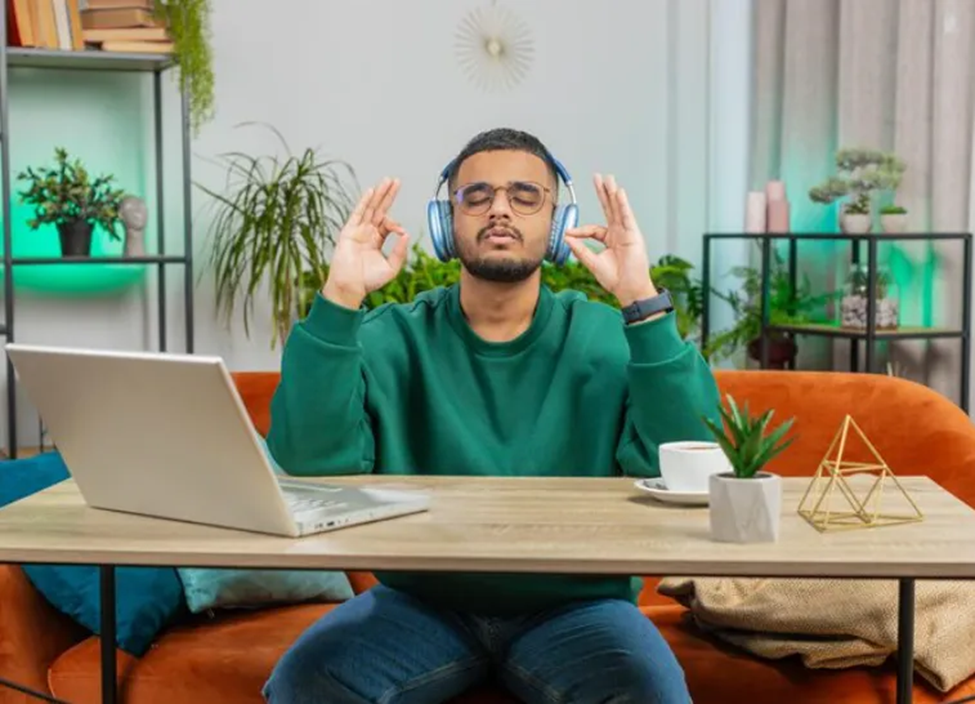
Stress does not always arrive as one major event. It can build through small demands: messages, noise, unfinished work, constant decisions and the feeling that every task is urgent. A short-guided audio break can interrupt this pattern. It gives the mind a clear focus and creates a boundary between tasks. It does not remove the workload, but it may help you return with more choice.
Use the Break Before You Reach Exhaustion
Many people wait until they feel overwhelmed before attempting to relax. At that point, sitting still may feel difficult. Schedule a brief pause earlier, such as after a long meeting or before lunch. A repeated time can make the practice easier to remember. A break of three to ten minutes is enough to begin. The aim is not to complete a perfect meditation session. It is to stop adding pressure for a short period.
Choose a Recording That Fits the Setting
A guided meditation may focus on breathing, body sensations, sounds, or a simple visual image. For a workday break, choose audio that helps you remain present rather than becoming deeply sleepy. Check the length before starting. Use headphones only when they are safe and acceptable in the setting. Keep the volume low enough that you can notice an alarm, colleague or emergency signal. Meditation and mindfulness may help some people manage stress and anxiety, but results vary. They should be treated as supportive practices, not as replacements for medical or psychological care.
Begin by Changing the Physical Setting
If possible, move away from the screen. Sit elsewhere, stand near a window or step outside. Let the eyes focus farther away and release the hands from the keyboard or phone. If you cannot leave the desk, place both feet on the floor and turn off notifications for a few minutes.
Use a Simple Three-Step Practice
A short audio break can follow three stages:
- Notice contact with the chair or floor.
- Follow a natural breath without forcing it.
- Choose one sound and return to it when the mind wanders.
The mind will continue producing thoughts. That is normal. The practice is the return, not the absence of thinking.
End by naming the next task rather than reopening every unfinished item at once.
Link Meditation to Practical Stress Management
A recording for meditation for stress and anxiety may help you pause, but some stress comes from conditions that need action. An impossible workload, unsafe workplace, lack of sleep, financial pressure or ongoing conflict cannot be solved by breathing alone.
After the break, ask what can be changed. You may need to clarify a deadline, request support, reduce a task, eat a meal or speak with a manager. Relaxation should increase your ability to respond, not train you to tolerate every harmful condition without question.
Avoid Turning the Break Into Another Target
Do not judge the session by whether you became completely calm. Some days the body may remain tense. The break can still be useful if it stops you from reacting for a few minutes. Avoid tracking every breath, chasing a special state, or comparing the session with someone else’s experience. A practical break should reduce demands, not create a new performance test.
Match the Audio to the Time of Day
Morning audio may focus on intention and steady attention. A midday practice may release physical tension. An evening track may help close work and prepare for rest. Avoid deeply sedating recordings when you must drive, operate equipment, make urgent decisions or supervise other people. If a track makes you drowsy, save it for home.
Notice What Happens Afterward
The useful question is not only “Did I feel calm?” Ask whether you became more able to choose the next action. You may notice that you answered a message less sharply, returned to one task or recognized that you needed food or rest. Keep a brief note for one week. Record the time and what changed. This can show which break fits your day.
Know When Stress Needs More Support
Stress can contribute to sleep problems, headaches, low mood, irritability, and difficulty concentrating. Relaxation practices are generally considered safe, but some people report increased anxiety or intrusive thoughts. Speak with a health professional when stress is persistent, severe or affecting daily functioning. Urgent support is needed if you feel unable to stay safe.
Conclusion
A short-guided audio break can create a useful pause inside a demanding day. Choose a clear recording, change the physical setting, and return to one practical next step. The goal is not to escape every source of stress. It is to interrupt automatic tension long enough to respond with greater care, attention and control.