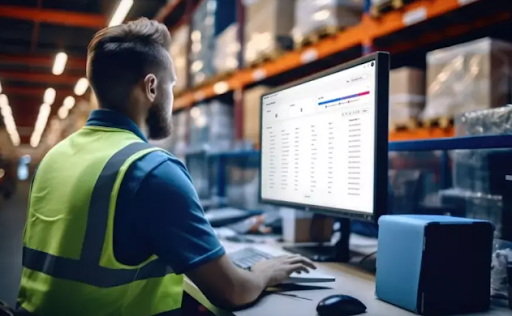
Warehouse management software in the UK is the system businesses use to keep track of stock, storage space, and the constant movement of goods in and out of a facility. Instead of relying on spreadsheets or handwritten logs, it gives you a live digital record of what’s where, how much you have, and what’s happening to it at any given point. And for good reason — as UK companies deal with more orders, tighter delivery windows, and rising customer expectations, keeping tabs on inventory by hand just doesn’t cut it anymore.
Why Manual Tracking Falls Short
Here’s the thing about paper-based or spreadsheet tracking: it depends entirely on people getting things right, every single time. One missed entry or a stock count that’s slightly off can throw off an entire order. Suddenly you’re short on something you thought you had, or a shipment goes out late because nobody flagged the issue in time.
Digital systems solve this by logging every movement automatically — a scan here, a transfer there — so there’s no gap between what’s physically in the warehouse and what the records say. A business shipping ten or fifteen orders a day might get away with manual methods for a while. But once that number creeps into the hundreds, cracks start to show fast.
Stock Accuracy and Why It Matters More Than People Think
Get stock levels wrong and the consequences show up everywhere. Sell something you don’t actually have in stock, and now you’re issuing refunds and apologies. Hold too much of something else, and you’ve got cash sitting on shelves instead of working for the business. Neither is a good place to be.
Real-time, accurate data changes that. It tells you exactly when to reorder, where to store things more sensibly, and how to plan staffing around busy periods. It also cuts down the hours spent doing physical stock counts, since the system already reflects reality. Over time, that kind of reliability is what keeps customers coming back — they know their order will actually show up when it’s supposed to.
Where Automation Fits In
Automation takes a lot of the guesswork out of daily warehouse tasks. Rather than having staff wander around looking for items, automated tools can map out the quickest picking routes, batch orders sensibly, and catch errors before they turn into real problems.
It’s not just the big stuff either. Small, repetitive tasks — printing labels, updating order statuses, syncing information across platforms — eat up more time than people realise when done manually. Automate them, and staff get to spend their energy on things that actually need a human eye, like quality checks or sorting out exceptions.
Connecting the Warehouse to the Rest of the Business
A warehouse doesn’t operate on its own island. It’s tied to sales channels, accounting software, courier services — all of which need accurate, up-to-date information to function properly. When systems talk to each other properly, a sale on one platform instantly updates stock everywhere else. Skip that connection, and you end up with double-selling, cancelled orders, and frustrated customers.
This joined-up approach also makes forecasting a lot easier. When sales figures, stock levels, and supplier timelines all live in one place, businesses can plan purchases with actual confidence instead of scrambling to react once something’s already gone wrong.
Growing Without Outgrowing Your System
Business needs shift as companies grow. What worked fine for a single small unit can start to buckle once you add more storage locations or expand your product range. A system built to scale lets businesses bring on new warehouses, tweak workflows, and handle more orders without starting from scratch every time.
That flexibility counts for a lot in the UK, especially with seasonal spikes — think Black Friday or the Christmas rush — putting sudden strain on storage and fulfilment. Businesses with scalable systems ride out these surges without everything grinding to a halt.
What the Data Actually Tells You
Beyond the day-to-day, these systems quietly build up a picture over time. Reporting tools show which products fly off the shelves, which ones gather dust, and how demand shifts by season. That insight shapes smarter decisions about warehouse layout, staffing, and where to invest in stock.
At the end of the day, this shift toward digital, automated warehouse management says something bigger about how UK businesses are adapting. With competition tightening and customers expecting faster, more accurate service, having real visibility into stock and operations isn’t really optional anymore — it’s just how things work now.