Walk into most Mackay industrial sites. You’ll see it immediately. Business owners spend thousands on new equipment but completely neglect their signage. It doesn’t add up. Then when something goes wrong, they act surprised. The real problem isn’t money. It’s knowing what actually works. Safety signs in Mackay aren’t just about ticking boxes. They’re about keeping people safe when it matters most. Here’s the thing nobody wants to admit. A faded danger sign is actually worse than having no sign at all. It’s training your workers to ignore warnings. You’ve seen them. Those peeling yellow notices stuck on warehouse doors that everyone passes without even looking. That’s not safety. That’s just pretending you care.
What Workers Actually Look At
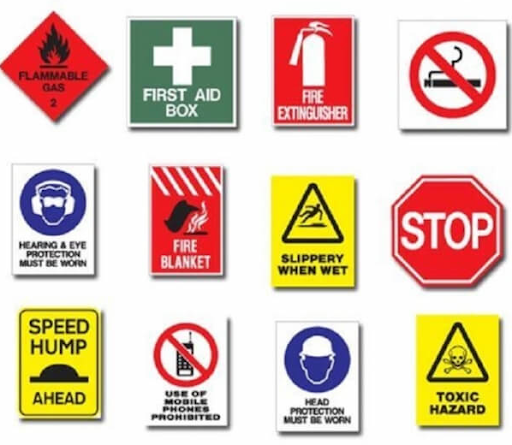
Mackay runs on resource extraction and manufacturing. That’s what drives the economy. The work is dangerous. Machinery. Chemicals. Heat. Confined spaces. Workers deal with all of it. A generic warning sign doesn’t work when someone’s rushing to finish their shift. Workers scan constantly but they’re looking for relevant information specific to their task. A sign that disappears into the background? Forgotten within days. The really smart sites in Mackay approach this differently. They don’t just slap up a warning and call it done. They create a visual story that repeats and reinforces. Colours stay consistent. Symbols make immediate sense. The signs appear exactly where workers’ eyes naturally travel. This isn’t an accident. It’s a deliberate strategy based on actually understanding how people behave in industrial environments.
The Regional Challenge Nobody Mentions
Mackay’s climate is brutal on signage. Salt air. Intense sunshine. Tropical weather. These things destroy materials faster than expected. A sign that lasts years in Brisbane deteriorates in months here. Most businesses treat signage as a one-time installation job. Put it up and forget. That’s where problems start. That’s where safety collapses. The operators who get it right schedule regular inspections. Not because regulations require it. They do it because they’ve learned through experience. They’ve discovered which materials hold up. They know which suppliers oversell durability. They understand maintenance timing affects worker awareness. A schedule based on regional conditions beats every generic industry standard. Neglected signs send a clear message about priorities. Workers see it and know where the company really stands on safety matters.
Why Placement Matters More Than Design
You could have the most beautiful safety sign ever created. Perfectly designed. Visually stunning. But if it’s in the wrong spot it fails completely. Most businesses decide placement based on convenience. Put it where there’s wall space. That’s backwards thinking. Mackay facilities with strong safety records do this differently. They watch work patterns. They observe how people move. They identify decision points. A sign at eye level on an entry door gets noticed. That same sign tucked on a side wall? Nobody sees it.
The Language Problem
Mackay workplaces are diverse. People speak different languages. Different educational backgrounds. Generic signs loaded with text create confusion. But here’s the thing. That’s actually an opportunity. Sites that use pictures and symbols outperform those relying on words every time. Visual communication breaks through language barriers. It creates understanding that written instruction simply cannot match. This matters in Mackay’s construction and manufacturing sectors. Migrant workers are essential to these industries. Companies that treat visual communication as a real strategic advantage rather than checking a legal box see different results. Fewer incidents. Better safety culture. Safer workers going home to their families.
The Compliance Trap
You can follow every regulation perfectly and still have inadequate safety signage. Compliance is just the minimum. It doesn’t cover your specific risks. It doesn’t address your actual workplace needs. Mackay businesses discover this gap when incidents reveal hazards that technically fell outside regulatory requirements. Effective safety communication goes beyond compliance. It fills the gaps between what regulations demand and what your workplace actually needs. That’s the difference.
Conclusion
Safety signs in Mackay work best when treated as living systems. Not static installations. They need regular maintenance. They need smart placement. They need to be part of workplace culture. Businesses that protect their workforce stop seeing signage as an expense. They see it as essential infrastructure. Prevention. Reliability. That’s what matters.