A qualified fire retardant fabric manufacturer should provide test certificates for the specific flame standard your industry requires, whether that is NFPA 701 for curtains and drapery, EN 13501 for construction textiles, or ASTM E84 for interior finishes. Buyers sourcing in 2026 for hospitality, healthcare, or industrial safety applications cannot rely on a generic fire safe label; the certification has to match the exact standard your project or local code demands.
Inherent versus topically treated flame resistance is the first distinction to understand. Inherently fire retardant fabrics have the flame resistant property woven into the fiber itself and it never washes out, while topically treated fabrics rely on a coating that can degrade after repeated laundering or dry cleaning.
Buyers who compare multiple fire retardant fabric manufacturers often find a significant price gap between inherent and topically treated options, and that gap is usually justified by the permanence of the flame resistance.
Certification Standards to Verify
Request the exact test report number and issuing lab for any certification claim, since some suppliers reference outdated or unrelated standards. Cross check the certificate date to confirm it applies to the current fabric batch, not an older formulation.
- NFPA 701 certification for drapery and curtains
- EN 13501 classification for construction textiles
- ASTM E84 flame spread rating for interior use
- Wash durability testing for topically treated fabrics
Fabric Weight and Application Fit
Lightweight fire retardant fabrics under 200 grams per square meter suit drapery and soft furnishings, while heavier weaves above 300 grams per square meter are better suited to upholstery and industrial curtain applications that need more structural durability.
Color Consistency and Custom Orders
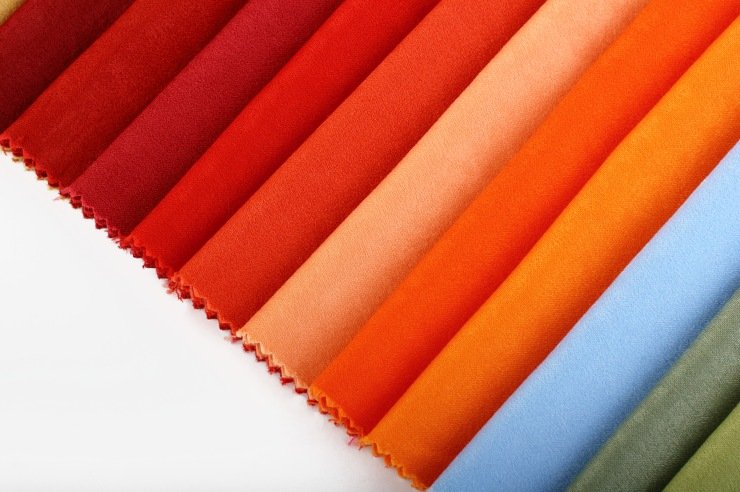
For hospitality and commercial interiors, color matching across production batches matters as much as the fire rating itself. Ask the manufacturer how they control dye lot consistency and whether they can provide swatches from the actual production batch before a full order ships.
Balancing Cost Against Compliance Risk
Fire retardant fabric priced significantly below market average often signals either an expired certification or a topical treatment that will not hold up over the product’s expected lifespan. Weigh the higher upfront cost of properly certified fabric against the liability risk of installing non compliant material in a commercial space.
Bulk order discounts are common for hospitality and healthcare buyers purchasing fabric across multiple properties, so ask the manufacturer whether volume pricing applies across separate purchase orders placed within the same fiscal year, which can meaningfully reduce per meter cost in 2026 sourcing budgets.
Also factor in the cost of periodic re certification testing required by some local fire codes, since this recurring expense should be budgeted for alongside the initial fabric purchase rather than treated as an afterthought.
Frequently Asked Questions
Does fire retardant fabric lose its rating after washing?
Topically treated fabrics can lose effectiveness after repeated washing, while inherently fire retardant fabrics keep their rating for the life of the material.
Is one fire certification accepted globally?
No. Certifications vary by region and application, so always confirm the fabric meets the specific standard required in your project location.