Common Electrical Problems can affect the safety, comfort, and efficiency of every home if they are ignored. Electricity is the fuel for modern life, and is used for heating, lighting, household appliances and entertainment. However, even if vital, many people only think about their electrical systems when they experience issues. Flickering lights, broken circuit breakers, dead outlets and faulty switches are common problems that can make a home’s life more difficult and can be even hazardous if not addressed. You can save your home from these hazards and help keep your electrical system operating without issues by knowing how to recognize these issues and which ones are safe to fix at home.
It’s important to note that not all electrical problems are created equal. Some can be solved with simple measures such as tightening a bulb or resetting a breaker and some need a professional to solve. Undertaking repairs that are too complex without proper training can result in electrocution, fire or damage to your home wiring. A significant number of electrical problems can be resolved by the homeowner, and this article will help you to understand them all. It will also let you know how to handle a problem safely and when to call a licensed electrician. With the knowledge and the prudence, you can try electrical troubleshooting in a safe way and confidently attempt basic electrical troubleshooting.
Causes and Solutions to Flickering Lights
One of the most apparent electrical issues in houses is the flickering lights. They may stem from as simple a loose bulb as they may be as complicated as wiring problems. If one of the lights is flickering, the first thing to do is determine if the bulb is securely in place. In some cases, it is possible to simply replace the bulb and stop the problem. If several lights go out in different rooms, however, then the problem could be either in the wiring or the electrical panel. Intermittent power flow can occur through loose connections in the circuit and not only has an impact on lighting, but if a fire hazard is present it can also have a potentially dangerous effect.
Flickering lights are another occurrence that’s frequently caused by circuit overload. For instance, when big appliances like air conditioners or refrigerators are running on, they consume a lot of energy, which can briefly dim or flicker lights. If the dimming is happening from time to time, it might not be cause for concern, but if it’s happening all the time, don’t overlook it. Bulbs and fixtures can be safely checked by the homeowner, however, if the problem remains, it’s best to call a licensed electrician. It can be hazardous to try and repair wiring issues without proper training, due to contact with live electrical parts.
Trip Circuit Breakers – What Are Overloads?
Circuit breakers are meant to keep your home from getting an overload of electricity. The breaker switches off when there are too many devices connected to the same circuit, to protect from overheating and fire. This is not a failure – it is a safety feature. When there is a lot of tripping, the circuit is overloaded. A feasible approach is to spread devices over various outlets and circuits. For example, do not connect several appliances with high wattage, such as a microwave oven and a toaster, to one outlet in the kitchen.
Multiple trips could also be a sign of underlying issues, however. Faulty wiring, short circuits or ground faults may all cause a breaker to trip. Homeowners should only reset a breaker when it has tripped, but shouldn’t keep doing so over and over without finding out what is causing the problem. If the breaker keeps tripping after you have redistributed appliances, it’s time to seek professional help. The licensed electrician can check the wiring for malfunctions, determine if there are faulty connections, and also suggest if the circuit needs upgrading to satisfy contemporary electric needs. This will keep your home’s electrical system safe and efficient.
Identify and Repair Bad Switches
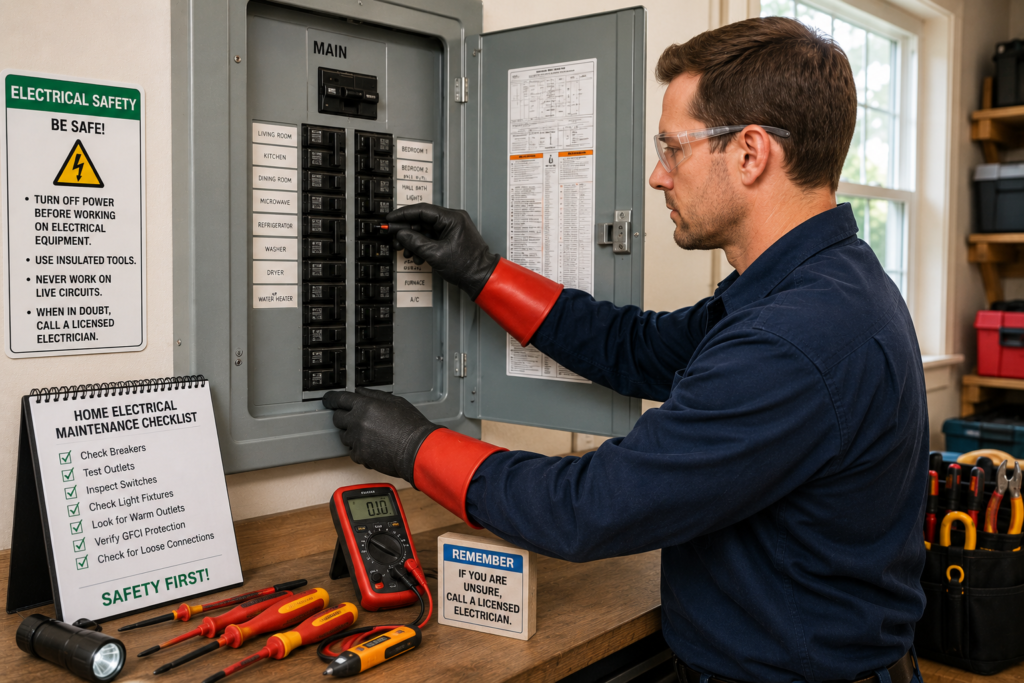
Learn how to tell if a switch is bad and how to fix it. One of the most common electrical appliances in every household is a switch. They can wear out or get faulty with the passage of time. One of the usual indicators of a bad switch is that it becomes loose, makes unusual noises or doesn’t operate consistently to light or darken the lights. Sometimes, the problem may be caused by a worn out switch mechanism, which can be easily replaced. If you know a bit about electrical systems, safely replacing a switch is as simple as shutting off the power at the electric panel, removing the old switch and putting in a new one.
But not every switch issue is simple. Switches that pop or give off a smoking odor, or flicker when on may be a sign of wiring problems. The situations are dangerous for self-repair. Switches that spark can cause fires or electrocution if attempted repairs are not made properly. In such cases, it’s crucial to call a licensed electrician. They can know if it is the problem in the switch itself or the problem is in the wiring behind it, which can have a safe and effective repair.
What Causes Dead Outlets?
Why do dead outlets go dead? Another common household electrical problem is called a “dead outlet.” There are several reasons that an outlet may stop working, such as a tripped breaker, blown fuse or damage to the outlet itself. Always check if the breaker has tripped or not as the initial step towards troubleshooting. Breaker resets will usually restore power to the outlet. If the breaker is OK, then the next step is to use a voltage tester to see if electricity is flowing through the outlet. Sometimes, outlets wear out from use as time goes by, and they need to be replaced.
Other times, dead outlets can indicate more severe issues, such as loose wiring or overheating. Never use outlets that are warm to the touch, or that smell like burning. These are the signs that there may be a risk of fire. A frayed-outlet can be a safe project for a homeowner to undertake if performed carefully, but if the outlet is overly hot or has burned, it needs immediate professional service. A licensed electrician can check the wires, fix any damaged outlets and make sure that the electrical system is safe for use.
Safe Troubleshooting Practices
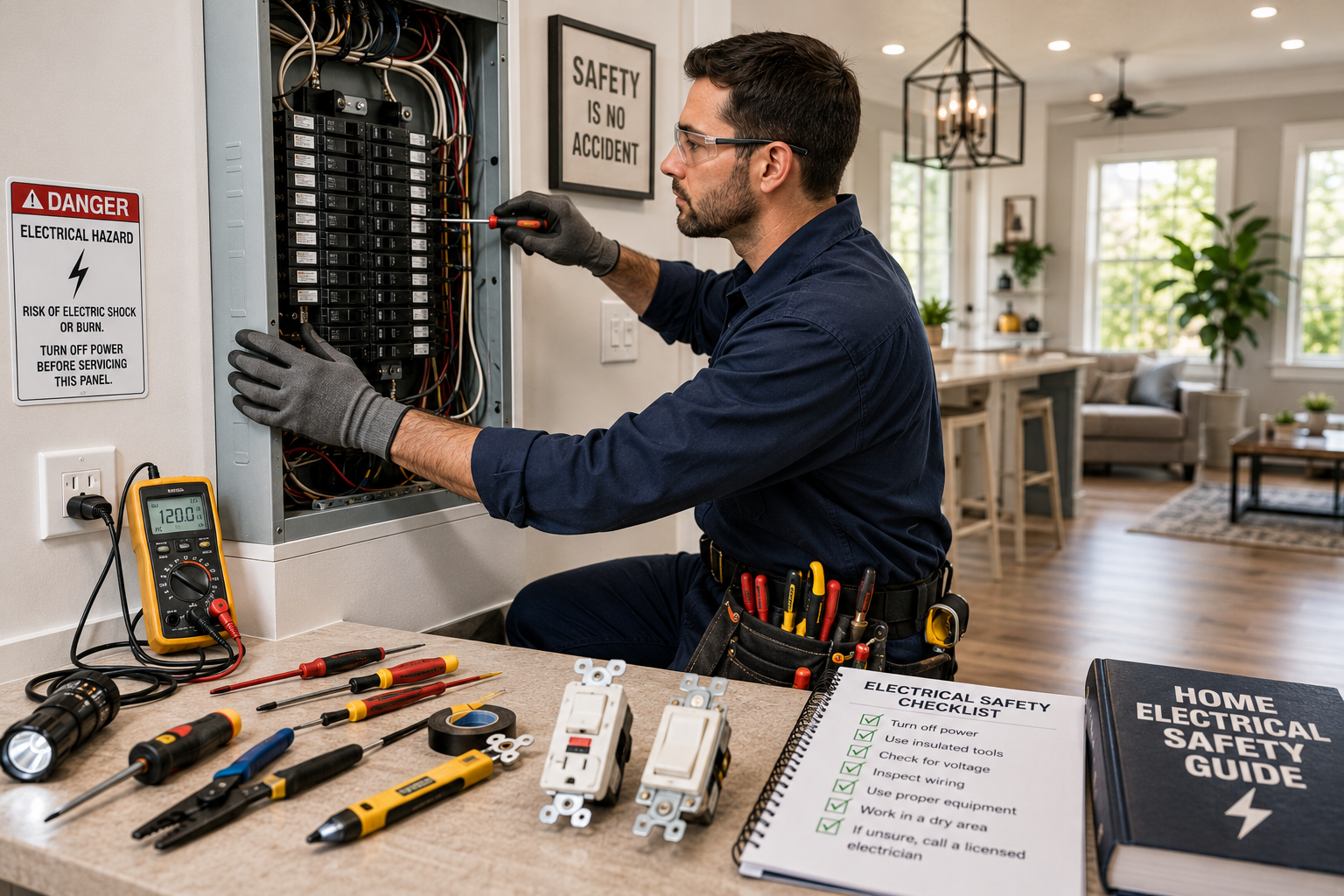
A few electrical problems can be safely addressed by the homeowner with a few precautions. Some of the items, such as replacing a light bulb, resetting a tripped breaker, or replacing a worn switch are not jobs for the professionals. But always safety first. Always unplug at the main breaker box before working on a piece of electrical equipment. Wear protective equipment and use insulated tools as needed. Also, get to know some electrical troubleshooting tips to prevent some common mistakes.
However, it’s in your best interests to understand the boundaries of DIY troubleshooting. A wrong handling of an electrical system can cause severe injury or damage to property and is a complex system. Any job that requires electrical wiring, sparking outlets or a constant tripping of the circuit breaker should always be performed by a licensed electrician. It’s as important to know when to back off and hire a professional as it is to know how to do some repairs. This equilibrium makes sure that homeowners can maintain their electrical systems securely without endangering themselves.
When to Call a Licensed Electrician
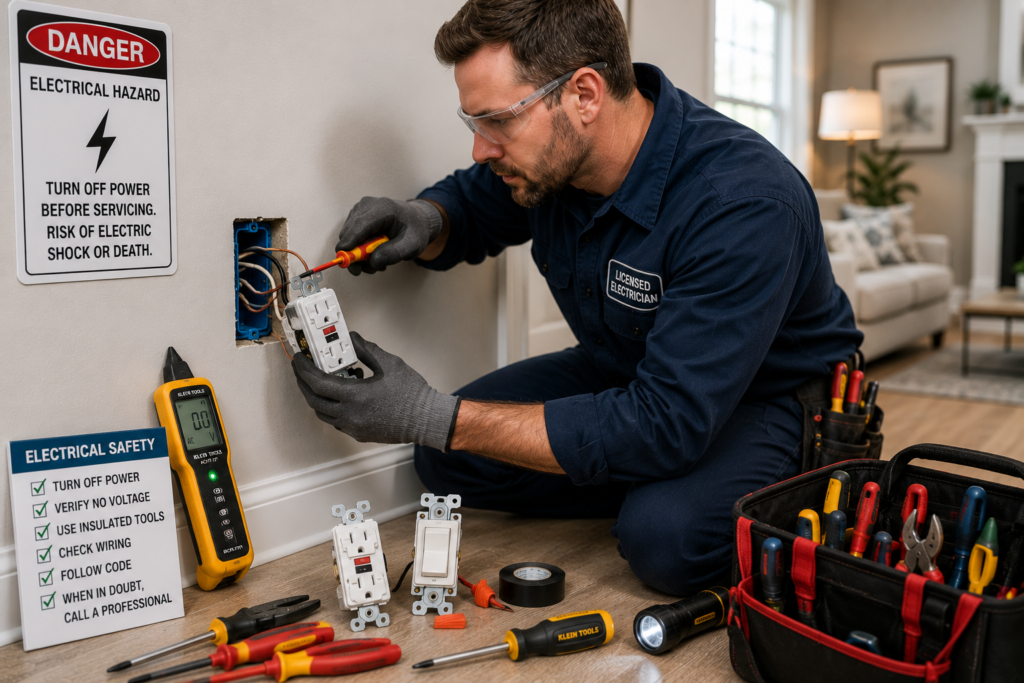
Although some problems may be solved by doing it yourself, some cases may require professional expertise. These are all obvious signs of serious electrical problems, for instance, if you see frequent breaker trips, sparks coming from switches or burning odors from outlets. An electrician in the state of Georgia who holds a license can have the training and tools needed to troubleshoot and repair it safely. They can also modernize old wiring systems to cope with the demand of the modern electrical requirements of your home, so that it remains safe and efficient.
Another indication for calling an electrician is if there are any renovations that are planned, or if new appliances are planned to be purchased. The installation of new circuits, panel upgrades or rewiring of rooms are areas that require professional knowledge. Not having the necessary training before doing these projects can result in code violations, safety issues, and expensive errors. A licensed electrician will ensure that the work is done safely in accordance with standards and local regulations. This will not only preserve your home, but will also increase its value by maintaining your electrical system current.
Conclusions: Electrical Troubleshooting—Safety First
There will always be electrical issues in any home, however, they don’t necessarily have to be overwhelming. Learning about some of the common causes for flickering lights, circuit breaker tripping, switch failures, and dead outlets, allows people to take safe measures to troubleshoot minor problems at home. Meanwhile, it is important to understand when to call a licensed electrician to avoid potential hazards or accidents. The lesson here is that while it might be okay to use a screwdriver to do some minor repairs, always have an expert handle more serious repairs. This will ensure that your home’s electrical system is safe, efficient and reliable.
The ultimate aim of electrical troubleshooting is ultimately to save lives and property. A single flicker, trip or dead outlet is an indication that something is amiss. Use sensible steps and knowledge to avoid creating a small problem into a large hazard. When installing a bulb or arranging for a checkup, always keep safety in mind. By taking a proactive stance on electrical maintenance, you can rest easy, enjoying comforts and convenience of modern living without needless concerns.