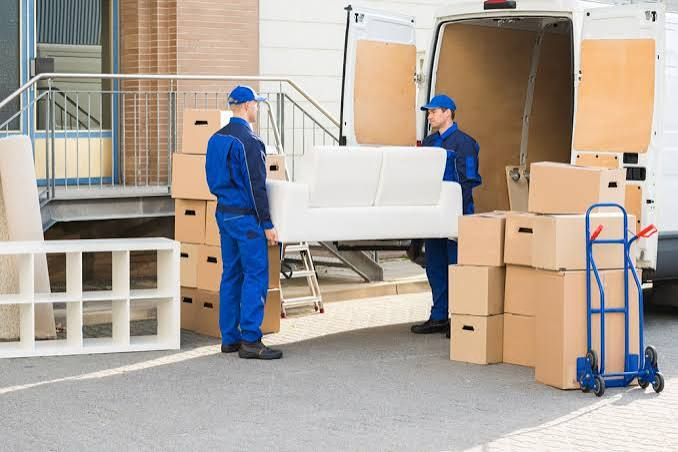
Moving large furniture is the number one cause of damage claims during a house move. Sofas wedged in doorways, scratched floorboards, broken table legs — sound familiar? When you are dealing with tight stairwells in a Paddington terrace or navigating a narrow apartment lift in Bondi, moving heavy items becomes an absolute logistical puzzle.
If you want to protect your property and your back, you need a clear plan. While handling small boxes is straightforward, shifting oversized wardrobes and heavy bedding requires specific techniques. The safest option for large items is always to call in experienced furniture removalists in Sydney who have the right equipment and insurance.
The Core Challenges of Moving Heavy Items in Sydney
Sydney homes present unique architectural hurdles. Terraced houses often feature narrow hallways and steep, winding stairways. Modern high-rise apartments look spacious inside, but their tight lift doors and sharp corridor angles leave very little room for error.
Beyond structural limits, physical strain is a major risk. Lifting a heavy dining table incorrectly can cause serious muscle strains or permanent back injuries. Without the right preparation, you also risk tearing rental property carpets or chipping hallway drywall, which can cost you your bond money.
Step-by-Step Preparation Protocol
Before lifting a single item, prepare both the piece of furniture and the path it will travel.
1. Clear and Protect the Moving Path
Measure every doorway, hallway, and stairwell before moving anything. Remove front doors from their hinges if you need an extra two inches of clearance. Cover your hardwood floors or tiles with thick cardboard sheets or drop cloths to prevent deep scratches. Wrap foam protectors or folded towels around sharp wall corners.
2. Strip the Furniture Down
Remove every part that can detach. Take out drawers, remove glass shelves, unbolt table legs, and take off couch cushions. This simple step reduces the total weight and makes the item much easier to grip.
3. Wrap to Secure
Lock wardrobe doors and remaining drawers in place using stretch wrap. Never apply packing tape directly to finished timber or leather, as it leaves a sticky residue or peels away the surface material. Use heavy-duty moving blankets to shield polished wood and fabric surfaces from scrapes.
Proper Lifting Techniques and Equipment
Brute force alone will not get a heavy couch down a flight of stairs safely. You need the right mechanics and basic tools to distribute the weight evenly.
- Squat, Don’t Bend: Always lift with your legs, not your lower back. Keep your chest up and your feet shoulder-width apart to maintain solid balance.
- Keep Items Close: Hold the weight close to your body rather than extending your arms. This reduces the strain on your shoulders and spine.
- Use Furniture Sliders: Place plastic sliders under the legs of heavy items on carpet, or felt sliders on hard floors. They allow you to push large objects with minimal effort.
- Secure Moving Dollies: A four-wheeled furniture dolly is ideal for long apartment hallways. Lift the item onto the dolly carefully and secure it with straps before rolling.
Current Moving Trends and Practical Solutions
The moving industry has shifted towards smart planning and specialised equipment rather than relying purely on manual labour.
- Modular Furniture Popularity: More homes now utilise modular sofas and flat-pack bedroom sets. These pieces are designed to break down into smaller, manageable sections, making transport safer.
- Custom Protection Materials: Plastic mattress bags and heavy-duty padded covers have replaced basic old blankets. These specialised materials offer better shock absorption during transit.
While DIY methods work well for basic items, some pieces demand professional handling. Heavy marble dining tables, delicate pianos, and antique wardrobes carry high financial and emotional value. Professional teams bring specific ramps, hoisting straps, and tail-lift trucks that make difficult moves simple.
Final Thoughts
Moving bulky furniture safely depends entirely on proper preparation, the right tools, and correct lifting habits. Take the time to measure your spaces, dismantle what you can, and protect your floors and walls. If a particular piece feels too heavy or an entryway looks too narrow, do not risk your health or your property. Professional help saves you time, prevents stress, and ensures your prized possessions arrive at your new home in perfect condition.