Introduction
Maize is an essential staple food, livestock feed production and a livelihood staple for food security in West Africa. But despite its significance, farmers still face serious production problems as diseases and pest attacks make declines in the yield potential ranging from 30 to 40 per cent, particularly during rainy seasons. It’s crucial to recognize these obstacles to enhance productivity and profitability. This article will cover the most significant corn crop diseases and their symptoms, as well as the prevention measures to take to reduce losses. Farmers understand these techniques for controlling these types of disease in the field, and can control their losses, maximize plant health and increase the likelihood of a more consistent yield even when weather conditions are harsh.
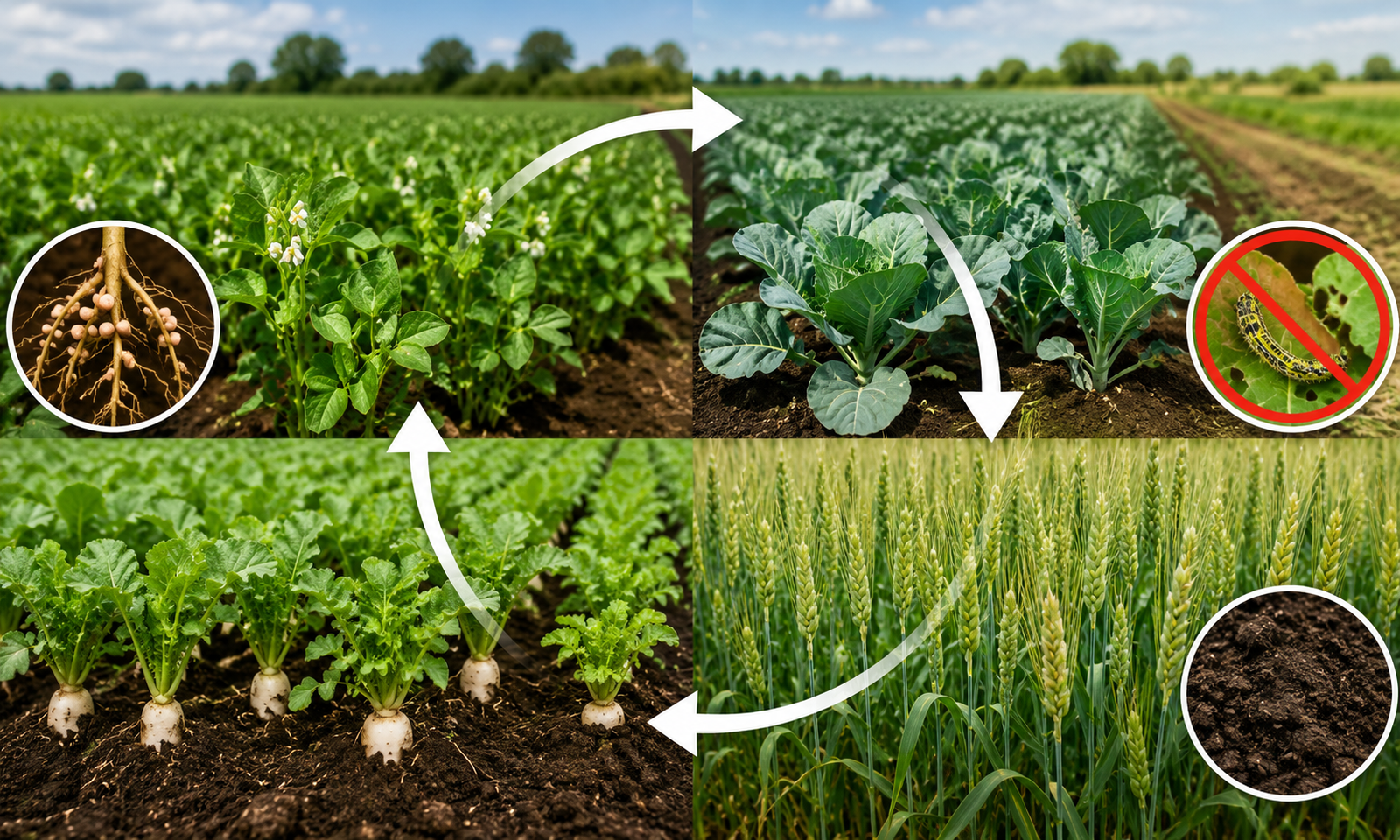
Maize production is largely dependent on farmer’s ability to identify and address field issues in a timely fashion to prevent the escalation of the issue. Viral disease, fungal disease, and destructive insect pests which attack maize at various stages are among the significant threats to maize. These are aggravated due to various farm conditions, including poor farm hygiene, continuous cropping practices, and inadequate scouting work in the farm. A better understanding of the underlying causes assists in developing more effective prevention measures like crop rotation, seed-selection of improved varieties and timely checking performed in the fields. These practices together are the basis of sustainable maize production, and they are sources of reducing unnecessary losses of inputs and horizon stable yield.
1. Bacterial Blight
Maize streak virus (MSV) is emerging as one of the most devastating viral diseases of maize in West Africa. Fine yellow lines are seen on the plant leaves and transmitted primarily by the leafhopper insects; over time leaves will become pale and the plants stunted. Infected plants frequently do not make good cobs resulting in severe yield loss. It is most prevalent in warm and rainy seasons with a high population of vectors. Use of resistant maize cultivars is the most effective long-term means of prevention. Weeds should also be managed in fallow areas around fields as leafhoppers may over-summer there. Crops planted early help to establish before the peak insect populations, which decreases the risk of infection. As well as protecting other stock in the farm, removing and destroying infected plants as early as possible helps to prevent the disease spreading further.
2. Fall Armyworm Damage
Fall armyworm is a scourge and one of the worst pests affecting maize production in recent years. The larvae bore holes in whorls, leaves and developing ears of maize plants resulting in irregular holes and shredded leaves. Maize Affected Early Leaves (MAEL) may be totally destroyed at the early infestation level if not managed at an early stage. Once established, populations of the pest grow quickly, providing a challenge to management. Early scouting should occur at least once per week for the first 6-weeks of growth often by the farmer. Natural or biological control measures, such as by introducing natural predators, may be used to help keep populations in check. Chemical control should be considered carefully and only when infestations are at economic levels. Reducing exposure time to the most damaging stages of the pest can be done with early maturing varieties.
3. Maize Rust Disease
Maize rust is caused by a fungus which shows up on leaves as minute reddish-brown spore-bearing spots that will yellow and dry out. It decreases the capsistizations’ ability to act as a photosynthesis, resulting in weak growth and poor grain filling. Humid conditions are conducive to rapid dissemination of the disease, especially when rain persists. After infestation, it can rapidly infect an entire field if it doesn’t get effectively managed. Maize rust control is achieved by planting resistant varieties and adequate spacing to promote good air circulation in the field. Depriving plants of excess nitrogen fertiliser also helps to lessen susceptibility. In some instances, fungicide may need to be used, however, avoiding those with a built in delay can be more economical. Crop rotation, and good field sanitation, also diminish the numbers of fungal spores that survive in the soil.
4. Northern Leaf Blight
The other major fungal disease of maize in tropical areas is the northern leaf blight. It causes a grayish stripe which lengthens through the leaf and ultimately leads to death of leaves. Leaf estimated area mortality directly influences maize grain development, making it the largest problem to maize in areas with high rainfall. It is transmitted by the wind and infected crop debris remaining in the field after harvesting. Continuous planting with maize should be avoided on the same land and should be rotated with the use of legume or root crops. Cleaning up of residues or breakdown by ploughing, etc. is useful in reducing the amount of inoculum. When choosing plant varieties, resistants will provide good protection, and good spacing will lead to less severity. Timely monitoring and surveillance in the field is also crucial.
5. Stem Borers
Maize stem borer is an insect pest that burrows in the stem and thus affects the transport of nutrients within the plant. The injuries are frequently not apparent until signs of wilt, breakage in the stem or lack of cob formation occur. Insect feeds cause plants to be weak, and in heavy rains or strong winds, plants can be knocked over. The stem borers pose a severe problem in the places where the maize is grown continuously as their population increases with time. Control measures: Deep plough to expose larvae, crop rotation, and timely planting. Biological control methods such as parasitic wasps also can help suppress populations. Using resistant varieties is another defense. Stems should be checked regularly for signs of infestation such as sawdust-like frass and holes made by the beetle.
6. Maize Smut Disease
Maize smut is a fungus disease which produces big, swollen ears, stems and leaves. The galls will break and give off spores of the disease, which are black. Although some farmers might not bother too much about smut as a significant destructive disease, heavy attack can drastically affect yield. The disease is introduced into plants through wounds and mechanical damage and insect feeding are risk factors. The first step in controlling is to obtain certified, disease free seeds and to treat seed prior to planting. Rotation may be used to disrupt the disease cycle and the elimination of affected plants and their burning can reduce the accumulation of disease in the soil. Adjusting nitrogen rates also lessens the susceptibility of the plant. Resistant varieties are becoming more and more available and provide good protection in smut-prone areas.
7. Leaf Diseases (Damping Off and Others)
Leaf spot diseases such as grey leaf spot are fungal diseases which cause rectangular or irregular spots on the leaf of maize. With the progress of the disease these lesions enlarge and as a result, the green leaf area of the plant decreases as well as the photosynthetic activity. Maize continuously grown without rotation is most conducive to the disease under warm and humid conditions. It is one of the largest threats to maize as it spreads rapidly under favorable conditions and at an early stage of infection can cause significant yield losses if not managed. The farmer should try crop rotation, not overcrowding and pull out infested crop residues at harvesting time. Resistant hybrids provide excellent protection and good field drainage lowers humidity around the crop. Scouting early on can help to prevent a spread of infection, allowing the problem to be addressed in time.
8. Downy Mildew
Downy mildew is also a destructive disease of maize seedlings and young plants. Leaves may turn pale green or yellow and may develop a fungal growth on the underside of the leaf. In severe infection the plant growth is stunted, and cob-production reduced or eliminated. The disease is seed-transmissible and soil-borne, so it is very important to prevent it. Seed fungicide treatment is a very useful control programme. Maize should also not be grown on the same land over several years. The use of resistant varieties greatly decreases the risk of infection. Destroys the spread within the field if infected plants are removed early. Also good drainage and adequate spacing are important to decrease the humidity environment that is conducive for the development of disease.
9. Ear rot and aflatoxins in the ears.
Ear rot is a condition in maize caused by the fungi which rots and gives rise to mold in the cobs. In extreme conditions, aflatoxins form that are harmful to human beings and animals. It can severely impact the quality of the yield and so is one of the most serious threats to maize, in terms of yield quality and food safety concerns. The disease is prevalent when good pest control is not practised in fields, where insect injuries allow for entrance of fungi. Ear rot can be prevented by careful control of insect pests, selective harvesting and good drying after harvest practices, respectively. Other control measures, such as using resistant varieties and good field cleanliness, minimize infection risks. It is extremely important to prevent moisture in maize storage to avoid the growth of fungi and the production of toxins.
Conclusion
If a combination of strategies is to be used, preventive measures will need to be adapted to the context of maize disease management. Seed treatment before planting should be used by farmers to get rid of problems that seedlings have from the soil. Selecting resistant varieties will give long-term protection from several pathogens and pests. Rotation of crops helps disrupt disease and insect life cycles, particularly in sites that have suffered from significant insect and disease issues in the past. Scouting early is also essential; otherwise, farmers will be able to identify problems in time so they do not become widespread. Early installed monitoring keeps the farmers aware of proper procedure, which helps to cut down the economic loss. Their integration combines to provide an effective disease pressure management system, and greatly enhances maize performance in farming systems throughout West Africa.