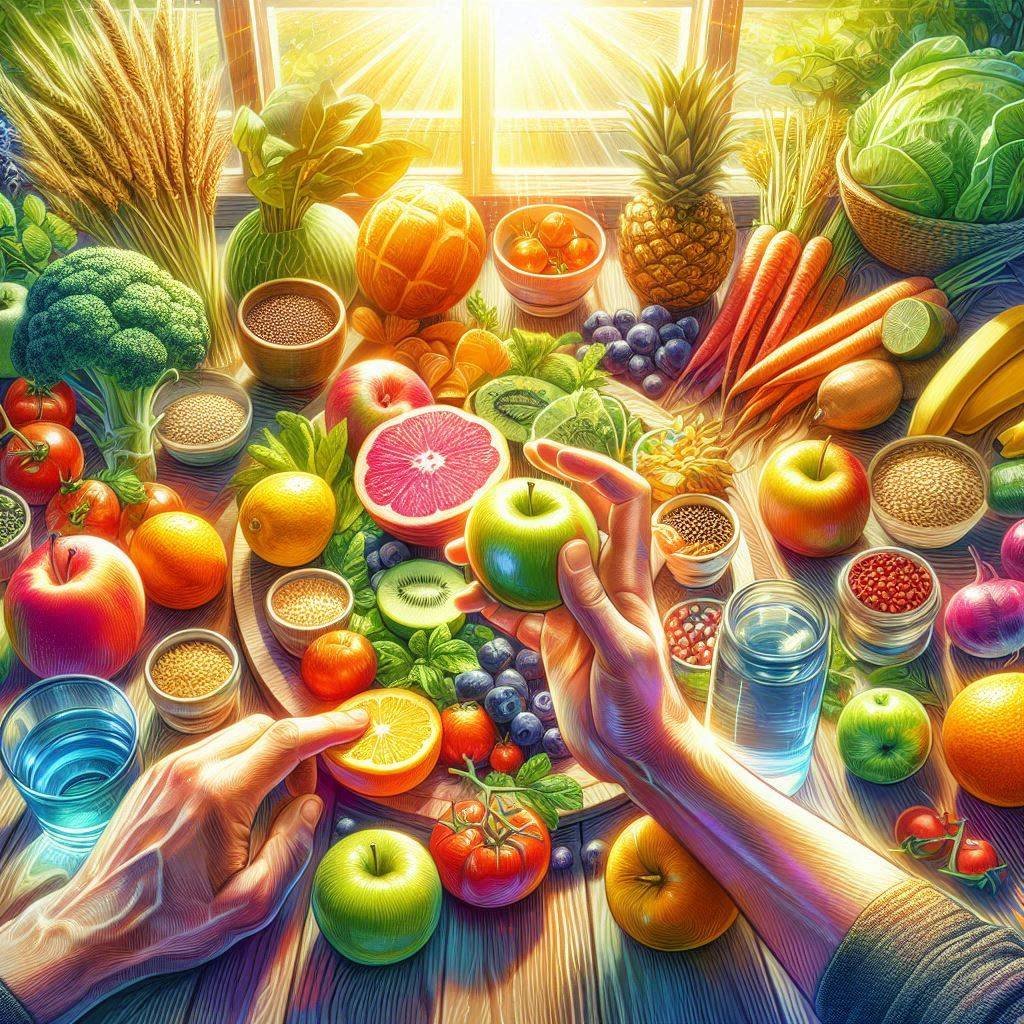
It’s not always about fancy imported foods or complicated diet plans to maintain a healthy diet. In many communities, foods that are the healthiest are already available in the local food systems, markets and farms nearby. Knowing how to pair these foods together can show someone how to create a well-rounded meal on a budget and one that is culturally familiar. Local food consumption is an approach that emphasizes the food items that are grown, produced, or sold within a specific area, thereby providing freshness, greater access to, and often more sustainable food items. For more details on this concept, see the Local food page on locally available food With the knowledge of using local ingredients, not only does one enhance their diet, but they are supporting local food systems and farmers.
A balanced diet does not mean restricting yourself to certain foods, but it does mean being mindful of how many servings you consume, as well as how you are pairing different food groups. The local ingredients already have the nutrients that are necessary for the body, such as carbohydrates, proteins, vitamins and minerals. The secret lies in how they can be combined to help with energy, growth and wellbeing. The article outlines 10 simple rules that enable people to select and use local, healthy foods in their everyday meals without getting bogged down in complicated and costly options.
Guide 1: Study local food and what it can provide.
To create a well-balanced meal with locally grown foods, it’s important to know what grows locally. Each region grows its main crops, summer vegetables, fruit, and protein sources, which are essential to the local diets. Some areas are dependent on grain crops such as rice, maize or millet, others may use root crops such as cassava, yams or potatoes. Identifying these staples will assist individuals to plan meals around what is available locally, not what they can import. Local food systems are also seasonal; that is, the types and quantities of food available change from one season to the next. Familiarizing themselves with what is in season can help them make more informed choices that will enhance the freshness, nutritional content and cost of their daily diet.
Guide 2: Make seasonal fruits and vegetables a priority
Fruits and vegetables that are in season tend to be healthier, tastier, and cheaper than those that are out of season. Local fruits and vegetables grown this time of year do not need so many preservatives and generally are more nutritious. This may include leafy vegetables, tomatoes, carrots, bananas, mangoes and citrus fruits depending on the region. These foods are a great addition to everyday meals because they provide vitamins, minerals and fibre to help the digestive system to function properly and keep you healthy. One way to do this is to have at least one vegetable at each single course meal and a piece of fruit as a snack or for breakfast. This is helpful for developing diet diversity and enhancing colour and satisfaction of meals without adding additional price or complexity.
Guide 3: Use Staples and Protein Sources together
Energy-rich foods like rice, maize, millet, cassava or yams need to be paired with foods containing protein to make a balanced meal. Regional foods available could be beans, lentils, eggs, fish, poultry, or milk products. Staples eaten singly can be lacking in essential nutrients for body maintenance and development. With protein, they can make a full and filling meal, though. For instance, combining rice and beans or yam and fish makes for a more balanced meal. This mixed feeding method not only helps ensure adequate intake of food but also promotes overall health and stamina.
Guide 4: Include Plant-Based Protein Options Frequently
Local markets frequently offer plant protein, and plant proteins are available at low cost to boost nutrition. Beans, lentils, chickpeas, groundnuts and soya foods are good sources of protein and fibre. The ingredients may be added to soups, stews, salads or side dishes. They also contribute to lower the need for more costly animal-based proteins and maintain muscle growth and function. Eating plant proteins a few times a week can help diversify nutrient intake and promote more sustainable eating patterns. In many indigenous cuisines, these foods are already a part of the diet and are readily available for use in cooking.
Guide 5 – Make Healthy Fats Part of Your Meals.
Healthy fats are a key component of a healthy diet, and many people tend to overlook them. Avocados, nuts, seeds, fish and some plant oils are sources of healthy fats that may be available locally. These fats are important for brain health, energy and the absorption of nutrition. Moderation and balance, not elimination, is the key. Small quantities of healthy fats to meals boost taste and fullness, making meals more satisfying. For instance, groundnuts can be added to vegetables to enhance nutrient uptake, or using a small amount of oil in cooking can make a big difference to nutrient uptake. When it comes to healthy fats, it’s important to learn how to incorporate them into meals in the correct way to ensure the nutritional balance and benefits of what you are eating.
Guide 6: Replace refined grains with whole grains.
Whole grain foods are less processed and have more fiber, vitamins and minerals than refined grain foods. Whole grains may be brown rice, millet, sorghum, oats or whole wheat products as they can be found locally. These grains are used to aid with energy release, making people feel full for extended periods. It is better to eat whole grains instead of refined grains, which helps digestion and promotes health. One easy way to do this is to slowly replace white rice with either brown rice or meals that contain millet a few times a week. This seemingly insignificant shift can make a big difference to the nutritional quality of regular diets without having to make huge changes to lifestyle.
Guide 7 Practice Portion Awareness with Local Food
All foods, even healthy ones, should be eaten in the proper proportions to be balanced. Portion awareness is important for preventing overeating, while maintaining the nutritional balance and satisfaction of meals. Foods available in the local area may be of different calorie and nutrient density, and knowledge of serving sizes is important. A balanced plate usually contains a serving of carbohydrates, protein, vegetable, and a small amount of fat. People can eat a lot of different foods without too much by watching how much they eat. This practice likewise enables a better nutrition and energy distribution during the day, which helps to maintain regular eating practices.
Guide 8: Minimize Too Much Processed Food.
There is an increase in processed foods available in many communities, but this should not supersede the availability of locally available whole foods. Often processed foods are high in sugar, salt, unhealthy fats, and low in nutritional value. Using fresh and local ingredients, if available, will enhance the quality of the diet. Eating prepared foods made from locally available produce enables a person to have greater oversight of ingredients and enhance their diet. Processed foods may be a part of a diet, but not the bulk of the diet. Using fresh and locally-sourced ingredients ensures a more balanced and healthy nutrition approach.
Guide 9: Learn simple cooking techniques that help retain the nutritional value of food.
Preparation of food can greatly impact its nutritional content. Use simple cooking methods like under-frying, grilling or steaming to retain the nutrients in locally available foods. For instance, vegetables can become less nutritious after they are overcooked and too much frying can cause an excess of fat. Healthy preparation practices can be a factor in traditions and ways of cooking already in place. Simple and minimal processing helps people to preserve more nutrients in their food and make food preparation easy and available. This method also saves energy and cooking time and is applicable in daily life.
Guide 10: Build meals around food variety
One of the most essential rules of a balanced diet is variety. If only local foods are available, it is important to mix the foods and not to eat the same meal over and over. Foods contain various nutrients and pairing foods together creates a more balanced diet. For instance, switching between various grains, vegetables and protein sources will help avoid nutrient deficiencies. Variety also adds to enjoyment of food and promotes long-term healthy eating. A nutritious diet doesn’t have to be costly; it’s based on intelligent picking of what is available locally.
Conclusion
Eating healthy meals doesn’t necessarily mean fancy systems or high price tags. Eating local foods can help people develop diets that are balanced, affordable and culturally appropriate, and can help to achieve long-term health. The ten practical tips listed here show how eating a healthful diet can be done in simple ways: Get to know the food supply system in your area, eat seasonal fruits and vegetables, follow the rules of the food pyramid, and practice portion control.
By making use of the resources that are already in their communities, they can enhance their own nutrition as well as local agriculture and sustainable food systems. Eating healthful meals based on locally grown food provides a realistic way to improve health and demonstrates that healthy eating is possible for all regardless of income or location.