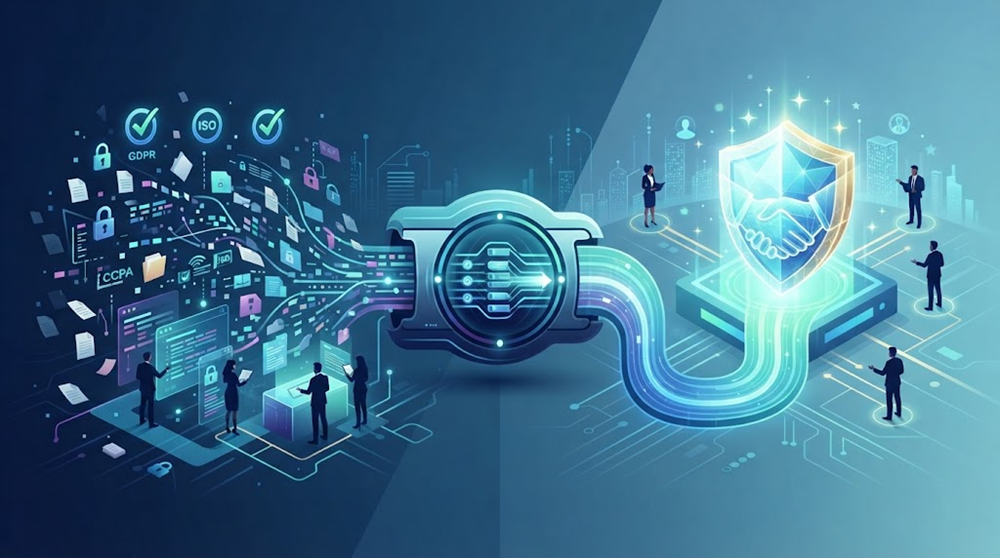
A learning management system can do many things. It can deliver courses, track completions, store learner progress, and provide basic reporting. For general corporate training, that may be enough. A generic LMS can work well for onboarding modules, professional development, sales enablement, customer education, leadership training, or internal policy refreshers.
But safety training is different.
Safety training is not simply about learning. It is about compliance, risk reduction, workforce readiness, certification management, audit preparation, and making sure employees are qualified for the work they are assigned to do. In high-risk industries, training records are not just administrative data. They are evidence that workers have completed required training and that the organization can prove it when needed.
That is why a purpose-built safety LMS consistently outperforms generic learning platforms.
A generic LMS may be able to host a safety course, but a purpose-built safety LMS is designed to manage the full safety training lifecycle. It helps organizations assign the right training, track completions, manage expirations, store certificates, map requirements by role or location, support audits, and connect training with broader EHS workflows.
For safety managers, operations leaders, and compliance teams, the difference is significant. One system delivers learning content. The other helps manage safety training as part of a real compliance program.
What Is a Purpose-Built Safety LMS?
A purpose-built safety LMS is a learning management system designed specifically for safety, compliance, and workforce training needs. It goes beyond basic course delivery by helping organizations manage the requirements, records, certifications, renewals, and reporting that safety programs depend on.
A safety LMS may support:
- Online safety training
- Classroom and instructor-led training
- Blended learning
- Course assignments
- Training matrix requirements
- Employee training records
- Certification tracking
- Expiry alerts
- Digital certificate storage
- Compliance reporting
- Audit readiness
- Competency assessments
- Supervisor visibility
- Mobile access
- Integration with EHS software tools
The goal is not just to show that an employee opened a course. The goal is to help prove that employees have completed the training required for their roles, that their certifications are current, and that the organization can identify and close training gaps before they create risk.
What Is a Generic Learning Platform?
A generic learning platform is typically designed to deliver and track training across a broad range of topics. It may be used for HR training, professional development, product knowledge, company policies, leadership development, or general employee education.
Generic learning platforms often include:
- Course hosting
- Learner accounts
- Completion tracking
- Quizzes or assessments
- Basic reporting
- Content libraries
- Learning paths
- User dashboards
These functions are useful, but they are not always enough for safety training programs. Safety teams often need deeper compliance-focused tools that connect training to job roles, worksites, certifications, expiry dates, audits, and operational readiness.
A generic LMS may answer, “Did this employee complete the course?”
A purpose-built safety LMS should help answer:
- Was the course required for their role?
- Is the certification still valid?
- Is the certificate attached to the employee record?
- Is refresher training coming due?
- Does the employee meet the training requirements for their location?
- Can a supervisor verify the worker’s status before assigning work?
- Can the organization produce audit-ready training reports?
- Are there gaps across departments, regions, or job roles?
That is the difference between basic learning administration and safety training management.
Why Safety Training Has Different Requirements
Safety training operates under a different level of accountability than most general workplace learning.
In many high-risk industries, training can affect whether an employee is allowed to:
- Enter a worksite
- Operate equipment
- Perform hazardous tasks
- Work alone
- Supervise others
- Handle hazardous materials
- Complete inspections
- Respond to emergencies
- Drive company or commercial vehicles
- Meet client or contractor requirements
Because of this, safety training records must be accurate, accessible, and current.
Common safety training requirements may include:
- WHMIS or hazard communication
- Transportation of dangerous goods
- Fall protection
- Confined space
- Lockout and tagout
- Equipment operation
- Forklift training
- Defensive driving
- First aid
- Site orientations
- Company safety policies
- Incident reporting
- Field-level hazard assessments
- Pre-trip inspections
- Toolbox talks
- Competency evaluations
These requirements are not static. They can vary by role, department, location, client, project, region, equipment type, or task. They can also have different expiry cycles.
That complexity is why generic learning platforms often fall short.
1. A Purpose-Built Safety LMS Connects Training to Compliance
Generic learning platforms are usually designed around course delivery. A course is assigned, completed, and reported. That structure works for many types of training, but safety training requires a stronger connection to compliance.
A purpose-built safety LMS should connect training activity to compliance outcomes.
That means the system should help show:
- Which training is required
- Who has completed it
- Who has not completed it
- Which certifications are expired
- Which certifications are expiring soon
- Which employees are compliant for their role
- Which employees have gaps
- Which supervisors need to follow up
- Which locations need attention
This shifts the LMS from a content platform to a compliance management tool.
For safety teams, that matters because the work does not end when a course is completed. Records need to be stored. Certificates need to be tracked. Expirations need to be monitored. Reports need to be available. Requirements need to be mapped to real workforce conditions.
2. A Safety LMS Supports Role-Based Training Requirements
One of the biggest weaknesses of generic learning platforms is that they may not be built for complex role-based safety requirements.
In safety training, different workers need different training.
For example:
- A field technician may need hazard assessment, fall protection, and equipment-specific training.
- A driver may need defensive driving, hours of service, and transportation safety courses.
- A supervisor may need incident investigation, leadership training, and compliance responsibilities.
- A contractor may need site orientation and job-specific onboarding.
- An office employee may need emergency response, workplace violence prevention, and general awareness training.
- A worker in one region may need different certifications than a worker in another region.
A purpose-built safety LMS can support these differences through training matrix functionality.
A training matrix helps map training requirements by:
- Job role
- Location
- Region
- Department
- Division
- Supervisor group
- Specific employee
- Worksite
- Client requirement
- Task type
- Equipment type
This allows training to be assigned more accurately. Instead of relying on administrators to manually remember who needs what, the system can help automate required assignments based on defined rules.
That is a major advantage for organizations with large teams, multiple locations, or complex compliance requirements.
3. A Purpose-Built Safety LMS Helps Prevent Expired Training
Expired training is one of the most common safety training management problems.
In a generic LMS, course completion may be tracked, but certificate expiry management may be limited, awkward, or dependent on manual reporting. Safety teams may still need spreadsheets to monitor renewal dates.
A purpose-built safety LMS should help track expirations and notify the right people before certifications become overdue.
Automated expiry alerts may notify:
- Employees
- Supervisors
- Managers
- Safety administrators
- Training coordinators
- Location leaders
These alerts help prevent last-minute surprises.
They also reduce the administrative burden of manually checking expiry dates, sending reminders, and following up with employees.
Automated expiry tracking supports:
- Better compliance visibility
- Fewer missed renewals
- Less manual follow-up
- More reliable audit preparation
- Stronger workforce readiness
- Reduced operational delays
In safety-sensitive industries, expired training can affect scheduling, jobsite access, and task assignment. A purpose-built LMS helps safety teams stay ahead of those problems.
4. A Safety LMS Centralizes Training Records and Certificates
Training records often come from many sources.
Some training is completed online. Some is delivered in person. Some happens in the field. Some is completed through external providers. Some records are historical. Some certificates are uploaded after completion. Some records may be attached to competency evaluations or job-specific assessments.
A generic LMS may only track training completed inside the platform. That can leave safety teams managing outside records in spreadsheets, folders, or separate systems.
A purpose-built safety LMS should support a fuller training record management process.
It should help store and manage:
- Online course completions
- Classroom training
- Instructor-led training
- Field training
- Third-party certificates
- Historical records
- Uploaded certificate files
- Completion dates
- Expiry dates
- Training providers
- Employee training histories
This matters because audit readiness depends on having proof available, not just knowing that a course was completed.
When certificates are attached to employee records, safety managers do not need to search through inboxes or shared drives to prove training status.
5. A Safety LMS Improves Audit Readiness
Audit readiness is one of the clearest areas where a purpose-built safety LMS outperforms a generic platform.
Audits often require clear proof that employees have completed required training. That proof may include:
- Employee training history
- Course completion records
- Certificate copies
- Expiry dates
- Role-based requirements
- Gap reports
- Overdue training reports
- Training status by department or location
- Records for third-party training
- Historical training records
A generic LMS may provide basic completion reports, but safety audits usually require more context. The organization needs to show not only that training was completed, but that the right people completed the right training at the right time.
A purpose-built safety LMS helps support audit readiness through:
- Centralized records
- Digital certificate storage
- Expiry tracking
- Gap analysis reports
- Training matrix reporting
- Supervisor visibility
- Historical training records
- Compliance dashboards
Audit preparation becomes easier when records are maintained throughout the year instead of cleaned up at the last minute.
6. A Purpose-Built Safety LMS Supports Blended Training
Safety training is not always completed online.
Many organizations use a combination of:
- Online courses
- Classroom sessions
- Instructor-led training
- Virtual training
- Field evaluations
- Competency assessments
- On-the-job training
- Toolbox talks
- Practical demonstrations
A generic LMS may be built primarily for online course delivery. That can create challenges when safety teams need to track practical or instructor-led components.
A purpose-built safety LMS is better suited to blended safety training because it recognizes that compliance often depends on more than one learning event.
For example, a worker may need to:
- Complete an online theory course
- Attend an instructor-led session
- Pass a practical evaluation
- Upload a certificate
- Renew the training after a set period
- Maintain proof for audit purposes
A safety LMS should help connect these steps into one recordkeeping and compliance process.
7. A Safety LMS Gives Supervisors Better Visibility
Supervisors play a critical role in safety training compliance. They are often responsible for confirming whether workers are ready for specific tasks, following up on missing training, and ensuring team members stay current.
Generic learning platforms may limit visibility to administrators or HR teams. That can leave supervisors asking for reports or maintaining their own informal trackers.
A purpose-built safety LMS should provide role-based access so supervisors can view the training status of their teams.
Supervisor visibility may include:
- Completed training
- Missing required training
- Expiring certifications
- Overdue training
- Team compliance status
- Assigned courses
- Attached certificates
- Gap reports
This helps supervisors make better decisions and reduces the number of manual status requests sent to administrators.
When supervisors have access to accurate information, they can help manage compliance instead of waiting for someone else to send them updates.
8. A Safety LMS Fits Better Within a Broader EHS Program
Safety training does not exist in isolation.
Training is often connected to other safety activities, including:
- Incident management
- Hazard assessments
- Inspections
- Digital forms
- Equipment management
- Competency assessments
- Safety documents
- Toolbox talks
- Corrective actions
- Employee onboarding
- Contractor management
- Field workflows
A generic LMS may not connect easily with these broader EHS needs. It may deliver training, but it does not necessarily support the surrounding safety program.
A purpose-built safety LMS is more likely to fit within a larger safety and compliance ecosystem. This is important because training records often need to support real operational decisions.
For example:
- Incident trends may reveal a need for additional training.
- Equipment assignments may require specific operator certifications.
- Site access may depend on completed orientation.
- Field forms may confirm practical competency.
- Supervisors may need training records before assigning high-risk work.
- Compliance reports may need to combine training status with other safety data.
A safety LMS that connects with EHS workflows gives organizations a stronger foundation than a generic learning platform.
9. A Purpose-Built Safety LMS Supports High-Risk Industries More Effectively
Generic learning platforms are built for broad use. Purpose-built safety LMS platforms are designed around the realities of safety-sensitive work.
This is especially important for industries such as:
- Construction
- Oil and gas
- Mining
- Transportation
- Manufacturing
- Utilities
- Forestry
- Warehousing
- Field services
- Energy
- Industrial operations
These industries often face complex requirements, distributed teams, recurring certifications, contractor training, client requirements, and audit obligations.
A purpose-built safety LMS helps manage those realities by supporting:
- Workforce training compliance
- Certification tracking
- Role-based assignments
- Location-based requirements
- Expiry alerts
- Mobile access
- Training records management
- Audit reporting
- Safety course libraries
- Blended learning
- Competency management
The result is a system that reflects how safety training actually works.
10. A Safety LMS Reduces Administrative Burden
One of the biggest practical advantages of a purpose-built safety LMS is time savings.
Safety administrators often spend hours on repetitive tasks, including:
- Assigning training manually
- Updating spreadsheets
- Checking expiry dates
- Sending reminder emails
- Searching for certificates
- Preparing reports
- Confirming supervisor requests
- Tracking third-party training
- Cleaning up outdated records
- Building audit documentation
A purpose-built safety LMS can reduce this workload by automating and centralizing key parts of the process.
It can help with:
- Automatic course assignments
- Automated expiry reminders
- Centralized certificate storage
- Training matrix reporting
- Gap analysis
- Scheduled reports
- Employee self-service access
- Supervisor dashboards
- Bulk record uploads
- LMS and TRMS integration
This does not remove the need for safety oversight. It makes the oversight more efficient.
Safety professionals should not be spending most of their time chasing records. They should be using training data to improve compliance, close gaps, and support safer operations.
Generic LMS vs. Purpose-Built Safety LMS
Here is a practical comparison.
Generic Learning Platform
A generic platform may be suitable for:
- General employee education
- Leadership development
- HR policy training
- Product knowledge
- Sales enablement
- Customer education
- Basic course completion tracking
Common limitations for safety teams may include:
- Limited certificate expiry tracking
- Weak support for external training records
- Basic reporting that does not match audit needs
- Limited training matrix functionality
- Less support for role-based safety requirements
- Less connection to EHS workflows
- Limited supervisor visibility
- Manual workarounds for compliance tracking
Purpose-Built Safety LMS
A purpose-built safety LMS is designed to support:
- Safety and compliance training
- Role-based course assignments
- Training matrix requirements
- Certification tracking
- Automated expiry alerts
- Centralized training records
- Digital certificate storage
- Audit-ready reports
- Gap analysis
- Supervisor visibility
- Blended training
- Competency management
- EHS software integration
- High-risk workforce needs
The difference is not only in features. It is in fit.
A generic LMS may be capable of delivering safety content. A purpose-built safety LMS is designed to manage safety training as a compliance-critical workflow.
Why Is a Purpose-Built Safety LMS Better Than a Generic LMS?
A purpose-built safety LMS is better than a generic LMS because it is designed for compliance-driven training. It helps organizations assign safety training by role or location, track certifications, store certificates, automate expiry alerts, manage training records, identify gaps, and prepare for audits. A generic LMS may deliver courses, but a safety LMS supports the full safety training lifecycle.
Why Safety LMS Features Matter Across Locations
Organizations with employees across multiple cities, regions, worksites, or business units need training systems that can handle location-specific requirements. A purpose-built safety LMS helps assign training based on where employees work, what roles they hold, and what tasks they perform.
This is especially useful when:
- Different worksites have different training requirements
- Regional compliance expectations vary
- Supervisors manage distributed teams
- Employees need mobile access to certificates
- Contractors need site-specific orientations
- Safety leaders need reports by location
- Training gaps differ between departments or regions
A purpose-built safety LMS gives organizations better visibility across their workforce, whether employees are in the office, in the field, on the road, or at a remote jobsite.
Key Features to Look for in a Purpose-Built Safety LMS
When evaluating a safety LMS, look for features that support both learning and compliance.
Important features include:
- Online safety course delivery
- Classroom and blended learning support
- Training record management
- Certificate uploads and storage
- Automated expiry alerts
- Training matrix functionality
- Role-based course assignment
- Location-based assignment rules
- Gap analysis reporting
- Audit-ready reporting
- Supervisor dashboards
- Employee self-service access
- Mobile access
- Competency assessments
- SCORM compatibility
- Exam and assessment tools
- Course permission management
- Historical record imports
- Integration with broader EHS tools
The right LMS should reduce manual work and improve confidence in training compliance.
Signs You Have Outgrown a Generic LMS
Your organization may need a purpose-built safety LMS if:
- Safety training records are tracked in spreadsheets
- Certificates are stored outside the LMS
- Expiry dates are checked manually
- Supervisors request training status updates frequently
- Reports take too long to prepare
- Audits require last-minute record cleanup
- Training requirements vary by role or location
- External training records are hard to manage
- Employees are missing required refresher training
- Course assignments are too manual
- There is no clear training matrix
- You cannot quickly identify training gaps
- Mobile access to records is limited
- Safety training data is not connected to EHS workflows
These are signs that your LMS may be delivering courses but not fully supporting your safety program.
Frequently Asked Questions
What is a safety LMS?
A safety LMS is a learning management system designed to deliver, track, and manage safety and compliance training. It typically includes tools for training records, certification tracking, expiry alerts, course assignments, reporting, and audit readiness.
How is a safety LMS different from a generic LMS?
A generic LMS focuses on delivering and tracking learning content. A safety LMS is built for compliance-focused training and helps manage certificates, expirations, role-based requirements, training records, audits, and safety-specific reporting.
Why does a training matrix matter in a safety LMS?
A training matrix connects required training to specific roles, locations, departments, or employees. It helps ensure the right people are assigned the right training and makes it easier to identify compliance gaps.
Can a safety LMS track classroom or third-party training?
Yes. A strong safety LMS should support records from online training, classroom sessions, instructor-led training, field evaluations, and third-party providers. This helps centralize training data even when training is completed outside the platform.
How does a safety LMS help with audits?
A safety LMS helps with audits by centralizing training records, storing certificates, tracking expiry dates, generating reports, and showing whether employees have completed required training.
Is a purpose-built safety LMS only for large companies?
No. A purpose-built safety LMS can support growing companies as well as large enterprises. It is especially useful for organizations with recurring certifications, high-risk tasks, multiple locations, role-based training requirements, or audit obligations.
Final Thoughts: Safety Training Needs More Than a Generic LMS
A generic learning platform may be enough for general corporate learning, but safety training requires more.
Safety teams need a system that can manage training records, certificates, role-based requirements, expiry dates, gap reports, audit readiness, supervisor visibility, and compliance workflows. They need a platform built around the realities of safety-sensitive work.
A purpose-built safety LMS does more than deliver courses. It helps organizations understand who is trained, who is missing requirements, who is coming due for renewal, and whether the workforce is ready for the work ahead.
That is why purpose-built safety learning platforms outperform generic systems. They are not just built for learning. They are built for safety, compliance, and operational readiness.