The services included in Freight Forwarding in Australia for international shipping and logistics management typically cover end-to-end cargo coordination such as international sea freight and air freight, customs clearance, import and export documentation, cargo consolidation, warehousing, distribution, insurance, and door-to-door delivery coordination.
Freight forwarding providers act as logistics intermediaries that manage the entire shipping process between suppliers, carriers, customs authorities, and final recipients. This ensures goods move efficiently, legally, and cost-effectively across international borders. Established logistics providers such as Freight Mart International offer comprehensive freight forwarding solutions that streamline global supply chains and reduce the complexity of international trade for Australian businesses.
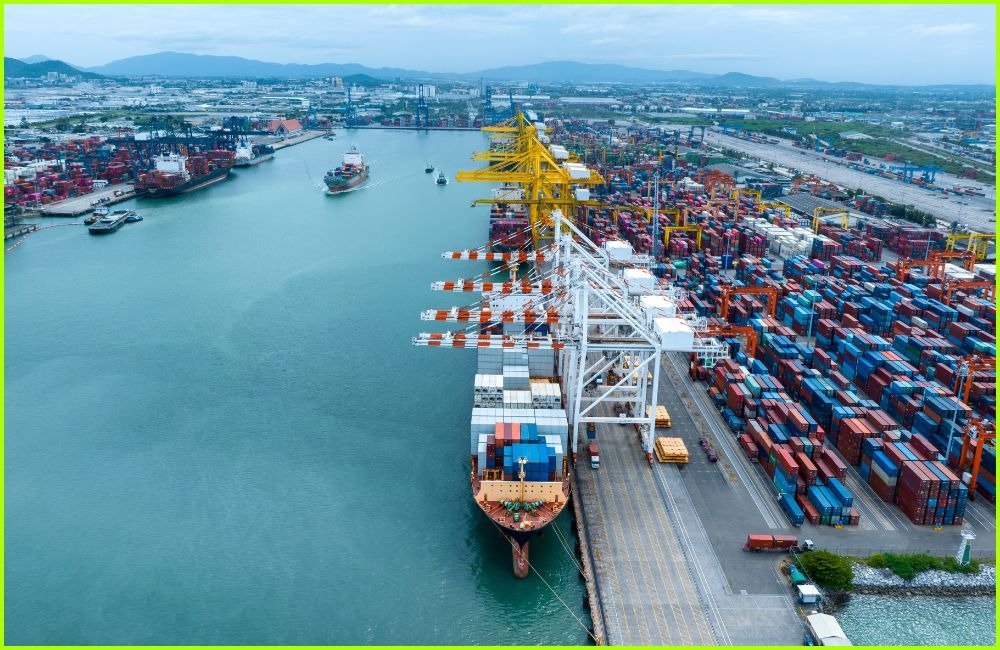
Understanding Freight Forwarding in Australia
Freight forwarding is a specialized logistics service that manages the movement of goods across international and domestic borders.
In Australia, freight forwarders play a crucial role in helping businesses navigate complex shipping regulations, customs requirements, and global transport networks.
Instead of shipping goods directly, businesses rely on freight forwarders to coordinate the entire logistics chain.
This includes:
- Booking cargo space with carriers
- Preparing export/import documentation
- Managing customs clearance
- Organizing transportation and delivery
- Ensuring compliance with international trade laws
Freight forwarding simplifies global trade by acting as a single point of contact for all shipping-related processes.
Core Services Included in Freight Forwarding
1. International Sea Freight Services
Sea freight is one of the most commonly used methods for international shipping due to its cost efficiency.
Freight forwarding services typically include:
- Full container load (FCL) shipping
- Less than container load (LCL) consolidation
- Bulk cargo transport
- Breakbulk shipping for oversized goods
Sea freight is ideal for large shipments, heavy goods, and non-urgent deliveries.
Freight forwarders coordinate vessel booking, port handling, and container management to ensure smooth transit.
2. Air Freight Services
Air freight is used for time-sensitive shipments that require fast delivery.
Services include:
- Express air shipping
- Standard air cargo solutions
- Temperature-controlled logistics for sensitive goods
- Priority handling for urgent shipments
Air freight is commonly used for:
- Medical supplies
- Electronics
- High-value goods
- Perishable items
Freight forwarders manage airline bookings, security clearance, and cargo tracking throughout the journey.
3. Customs Clearance and Compliance
One of the most important functions of freight forwarding in Australia is customs clearance.
This includes:
- Preparing import/export declarations
- Calculating duties and taxes
- Ensuring compliance with Australian Border Force regulations
- Managing quarantine and biosecurity requirements
- Handling restricted or controlled goods documentation
Australia has strict import regulations, especially for agricultural products, machinery, and raw materials.
A professional freight forwarder ensures shipments meet all legal requirements to avoid delays or penalties.
4. Cargo Consolidation Services
Cargo consolidation involves combining multiple smaller shipments into a single container or air shipment.
Benefits include:
- Reduced shipping costs
- Improved efficiency
- Better space utilization
- Streamlined logistics management
Freight forwarders organize consolidation warehouses where goods from multiple suppliers are grouped before international shipping.
This is especially useful for small and medium-sized businesses importing goods from multiple suppliers.
5. Warehousing and Storage Solutions
Freight forwarding companies often provide warehousing services as part of their logistics solutions.
These services include:
- Short-term storage before shipping
- Long-term inventory storage
- Bonded warehousing for imported goods
- Order picking and packing
- Inventory tracking and management
Warehousing plays a critical role in managing supply chain flow and ensuring goods are properly stored before distribution.
6. Domestic Transport and Distribution
Once goods arrive in Australia, freight forwarders coordinate final delivery to customers or warehouses.
This includes:
- Truck transport from ports
- Interstate freight distribution
- Last-mile delivery solutions
- Container unpacking and handling
This ensures a seamless transition from international shipping to domestic logistics.
7. Cargo Insurance Services
International shipping carries risks such as:
- Damage
- Theft
- Loss
- Weather-related disruptions
Freight forwarders provide cargo insurance options to protect businesses financially during transit.
Insurance coverage is typically based on:
- Shipment value
- Transport method
- Risk level of the route
This provides peace of mind and financial security for importers and exporters.
8. Supply Chain Management Solutions
Advanced freight forwarding companies offer full supply chain management services.
These include:
- End-to-end logistics planning
- Supplier coordination
- Freight optimization strategies
- Real-time shipment tracking
- Cost and efficiency analysis
This helps businesses improve operational efficiency and reduce logistics expenses.
9. Project Cargo and Specialised Freight
Some shipments require specialized handling due to size, weight, or complexity.
Freight forwarding services include:
- Oversized cargo transport
- Heavy machinery shipping
- Mining and construction equipment logistics
- Breakbulk and irregular cargo handling
These services require detailed planning and specialized equipment.
10. Dangerous Goods Handling
Certain goods require strict handling regulations.
Freight forwarders manage:
- Hazardous materials classification
- Safety documentation
- Packaging compliance
- Transport approvals
- Regulatory compliance with international safety standards
This ensures safe and legal transport of dangerous goods.
Why Freight Forwarding Is Important for International Trade
Freight forwarding simplifies global logistics by:
- Reducing administrative burden
- Ensuring regulatory compliance
- Lowering shipping costs through optimization
- Minimizing delays and risks
- Providing expert coordination across global networks
Without freight forwarding, businesses would need to independently manage complex shipping regulations, carrier negotiations, and customs procedures.
Challenges in International Shipping Without a Freight Forwarder
Businesses that attempt to manage logistics independently often face:
- Customs delays
- Incorrect documentation
- Higher shipping costs
- Poor carrier coordination
- Compliance issues
- Supply chain disruptions
Freight forwarders help avoid these issues by providing structured logistics expertise.
Role of Freight Mart International in Freight Forwarding
Freight Mart International is a Perth-based logistics provider offering comprehensive freight forwarding solutions across Australia and international markets.
Their services are designed to support businesses with:
- Sea freight and air freight coordination
- Customs clearance and import/export documentation
- Warehousing and storage solutions
- Domestic transport and distribution
- End-to-end supply chain management
By integrating multiple logistics services into a single solution, Freight Mart International helps businesses simplify international trade operations and improve supply chain efficiency.
Their experience in handling diverse cargo types and international shipping routes allows them to support industries such as manufacturing, retail, mining, automotive, and e-commerce.
Benefits of Using Professional Freight Forwarding Services
Cost Efficiency
Freight forwarders negotiate better shipping rates through established carrier networks.
Time Savings
They handle documentation, customs clearance, and coordination, reducing administrative workload.
Risk Reduction
Professional handling minimizes delays, compliance issues, and cargo damage risks.
Global Expertise
Freight forwarders understand international regulations and trade requirements.
Choosing the Right Freight Forwarder in Australia
When selecting a freight forwarding partner, businesses should consider:
- Industry experience
- Global network coverage
- Range of services offered
- Customs expertise
- Tracking and communication systems
- Reputation and reliability
A strong freight forwarder ensures smooth international logistics operations and long-term supply chain success.
Final Thoughts
The services included in Freight Forwarding in Australia for international shipping and logistics management cover a wide range of essential functions such as sea freight, air freight, customs clearance, warehousing, cargo consolidation, domestic transport, insurance, and supply chain coordination. These services are critical for ensuring that goods move efficiently and compliantly across international borders.
By partnering with experienced providers such as Freight Mart International, businesses can simplify complex logistics processes, reduce operational risks, and improve the efficiency of their global supply chains. Freight forwarding ultimately plays a vital role in supporting international trade and enabling Australian businesses to compete effectively in the global marketplace.
