Home ownership brings in many aspects of maintenance. Some repairs do require that you seek out an expert, but many everyday home issues can be managed without the help of a pro. As to do it yourself DIY Home Repairs goes, it also saves you money and at the same time allows home owners to take care of issues before they turn into bigger problems. Also by doing the repairs yourself you will see an increase in your self-confidence and in your ability to handle what the home throws at you.
Many people put off do it yourself home repairs out of fear of doing it wrong. But with the right tools, detailed instructions, and a little patience most minor issues can be resolved very well. From tightening loose parts to fixing small wall cracks we are looking at very simple jobs which also use very basic materials and only take a short time. As a result home owners are able to take care of their homes’ issues which in turn avoids the need for expensive professional services.
If you want to improve your home maintenance skills we have put together this for what is to come next which is an overview of very basic repairs that you may wish to take on. Also as a bonus, learning how to do common fixes will help you in preserving your home’s value as well as avoid more serious maintenance issues in the future. In this guide we present to you ten easy repairs which almost any person can do with just basic household tools and a bit of will to learn.
Why Learning DIY Home Maintenance Matters
Before jumping into solutions, we must first look at the value of basic home care. What may appear to be minor issues at the time of discovery are in fact often the tip of the iceberg. We see this in issues like a loose door handle which in time may cause the door to become damaged, also a small crack in the wall which in the mean time may grow due to moisture or structure shift.
Home owners that take on do it yourself projects see greater results in terms of home control. Also they become more aware of how each component in their home works. Out of this comes an easy identification of issues which in turn makes for better and faster responses. Also we see that in many cases what is put forward as a solution is in fact a fix that will also save them from large scale renovation in the future.
For home owners which are looking to learn more practical maintenance techniques this guide on small household repairs is for you:.
1. Tightening of Loose Door Handles.
Loose doorknobs are what many people deal with at home. Also it is usually a easy fix which doesn’t take much time. As years go by screws which hold doorknobs in place loose which in turn cause the doorknob to wobble or function properly.
First inspect the handle which is to identify the screws. In most modern handles the screws are visible at the back of the door. Use a screwdriver to turn each screw slowly which at the same time note that the handle must stay in its proper position. Do not overdo it as too much force may cause the screw holes to strip out or the hardware to be damaged.
If over time the screws do come out again remove them all the way out and check the holes. In some cases worn out screw holes will need wood filler or longer screws to achieve a better fit. Once they are back in tight the handle will operate smoothly and will not play during everyday use. Also a small amount of work now can greatly improve the function and the look.
2. Fixing Small Wall Cracks.
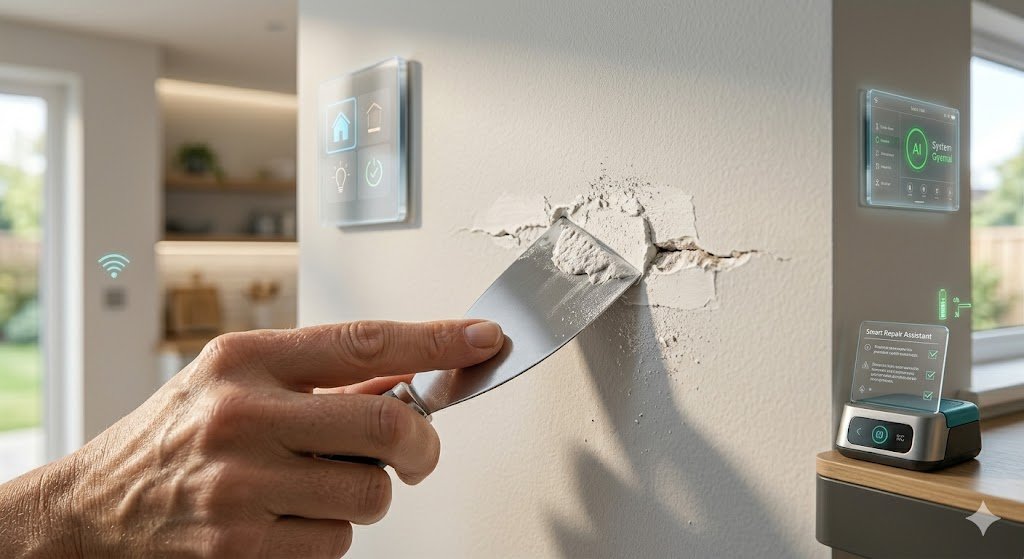
Wall damage from cracks may make a room look neglected which may be the case with very small cracks. But it is also great to know that you can repair small cracks in drywall or plaster with basic materials which you will find at almost any hardware store.
First off, clean the area around the crack which includes removing dust and loose debris. Then apply a very thin layer of spackling paste or wall filler with a putty knife. Spread the material out even and press it in firmly to achieve full coverage. Also allow the filler to dry as per the manufacturer’s instructions.
Once sand down the surface when dry until it is smooth and at the same level as the surrounding wall. Also at that time go over with the same paint as the rest of the room which will in turn make the repair to blend in perfectly. Also by attending to cracks at first you can prevent them from getting worse and at the same time improve the look of your home.
3. Tighten Loose Cabinet Hinges.
Kitchen and in the bath rooms cabinets see a great amount of use which in time may cause hinges to come loose and doors to sag. But this repair job only requires a screwdriver and a few minutes of your time.
First open the cabinet door and check out the hinge screws. As you tight each screw in turn do so carefully at the same time support the door to keep it in proper alignment. Also if a screw has come loose remove it and put in a slightly longer one. Also you may use wood filler for damaged screw holes.
After changes are made try to open and close the door a few times to check for smooth operation. Also go and check the alignment of adjacent cabinet doors to see that they are all the same in the room. Regular hinge care will help to prevent more damage and keep the cabinets looking neat and functional.
4. Cleaning out a clogged drain.
Slow moving drains is a issue in kitchens and in bathrooms. Also it is great to note that many of these clogs are do it yourself fixates. Hair, soap residue, grease, and food particles are the usual culprits for reduced water flow.
First of all remove what is visible which is at the drain opening. Also use a drain snake or a flexible cleaning device to pull out what is built up in the pipe. Once the blockage is cleared run hot water through the drain to wash out what is left.
For better cleaning results pour baking soda in the drain and follow with vinegar. Let the solution sit for a few minutes before flushing with hot water. Also many minor clogs can be removed naturally. Also regular drain care reduces the chance of future blockages and keeps plumbing systems running efficiently.
5. Updating worn weather stripping.
Weather seal is a key element for indoor comfort and energy efficiency. But over time it may crack, press flat, or come off of doors and windows.
To repair weather stripping that is damaged first fully remove the old material. Clean the area out well to make sure proper adhesion. Then measure out the needed length and cut the new weather stripping to size. Gently put in the new material and press it in well.
Once installed you may want to shut the door or window out to test the seal. Thus drafts are reduced and indoor temperatures are more easy to control. Also better insulation may play a role in reducing energy bills all year round.
6. Repairing a Leaky Toilet.
A running toilet is a large consumer of water and also which in turn increases utility costs. Also, what usually happens is that the issue is a result of a worn out flapper, an improper float adjustment, or a loose chain in the tank.
First you should remove the tank lid and see how the flushing system works. Check out the flapper action right after each flush. If it is damaged or worn out, replace it with a like part. Also check the chain for proper slack which is required for the flapper to fully close.
Change out the float when the water level gets too high. Once in a while run the toilet to check that it is working right. Also a quick fix can save water and get rid of that pesky home issue.
7. Fixing small holes in drywall.
In many homes you will find small holes from nails, screws, or minor impacts. Also we have that repair of them is very simple which only requires a few basic supplies and minimal experience.
Start out by cleaning the affected area and removing loose material. Use spackling paste with a putty knife which will fill the hole totally. As you apply it in — go in as smooth as you can to reduce sanding later.
Once the compound has dried out sand the area very slightly until it is level with the adjacent wall. Then apply the primer and the paint to match what is already there. Also the result is that the repair is almost imperceptible. Also it is a good practice to keep walls smooth which in turn preserves a home’s total look and value.
8. Greasing Squeaky Hinges.
Squeaky doohickeys can be quite the nuisance. But also it is that which may not require a professional you can do it yourself.
Open and go back and forth on the door a few times to determine the source of the squeak. Use a special lubricant for hinges and moving parts. When needed, take out the hinge pin a little and put the lube on the metal parts.
After which time go over the door several times to even out the lubricant. Also at this point clean off any extra product which will in turn prevent from an accumulation of dirt. Also as a result the door will close quiet and smooth. Also note that regular application of lubricant will reduce wear and tear and in the end will increase the life of the hardware.
9. Replacing a Broken Light Switch Cover.
Cracked or broken light switch covers are also unattractive and at risk of safety issues. Luckily we find that they are a cheap replacement and very easy to do.
Before you begin, turn the power off to the affected circuit at the breaker panel. Also, remove the present cover plate by hand tightening of screws out. Check the switch out for signs of damage before installation of the new cover.
Place in the new cover and hand tighten the screws. Do not over tighten which may cause the new plate to crack. After which reapply power and check that all is working well. Also a basic replacement job which at the same time improves safety and appearance at home.
10. Tightening of Loose Faucet Handles.
Loose faucet handles make for hard to use sinks which in turn may cause leaks. Luckily this is a simple repair which only requires a screwdriver or hex key.
First find the handle screw which at times is covered by a decorative cap. Carefully remove the cap and tight the screw which in turn will secure the handle. Should you see corrosion, clean that area out before you put everything back together.
After you turn the handle do check out the faucet’s performance which should be smooth. Also go over the nearby area for any signs of leak or moisture. By taking care of these issues at the start you can prevent larger scale plumbing problems down the road.
Basic Tools for the DIY Homeowner to Have.
Having proper tools does in fact make home repairs safer, faster, and more effective. A basic toolkit should include screwdrivers, a hammer, adjustable wrench, pliers, tape measure, utility knife, and a level. Also in the kit you should put in wall filler, sandpaper, and lubricant which do a great job in performing small repairs.
With that in hand, home owners are able to deal with small issues right away instead of waiting for professional repair which may take longer. Thus putting together a basic tool kit is the best first step in to taking care of your home.
Safety Tips for DIY Repairs
Safety must always be the priority when it comes to do it yourself home repair projects. Before you work with electricity in the home, make sure you have switched it off at the breaker. Also wear protective gloves and safety glasses when required.
If a repair includes structural damage, large scale plumbing, or electrical work, it is best to go with a professional. Although DIY repairs can be a help, know your limits which in turn will prevent accidents and expensive mistakes.
Conclusion

DIY home repair is a great way to save and do for yourself. From that loose door handle to a wall crack or a tight faucet, you can take care of it all with very little effort and basic tools.
Through the process of learning and perfecting these skills home owners see an increase in their independent and confidence in to manage day to day home issues. Also timely repairs which may at first seem small play a large role in the safety, function, and comfort of the home over time.