
As the Kaspa ecosystem continues to expand, more users are searching for a secure and reliable Kaspa wallet that combines speed, usability, and advanced asset protection. Whether you are new to the Kaspa network or already active in the ecosystem, choosing the right wallet is one of the most important decisions you can make.
A modern Kaspa wallet should do more than simply store assets. It should provide fast transactions, seamless access across devices, strong security features, and compatibility with the growing Kaspa ecosystem.
In this guide, we explain everything users need to know about Kaspa wallets, including wallet types, security, features, setup recommendations, and how to choose the best wallet for your needs.
⸻
What Is a Kaspa Wallet?
A Kaspa wallet is a digital application or hardware device that allows users to store, send, receive, and manage assets on the Kaspa network. The wallet securely manages private keys, which are required to access and control wallet balances.
Unlike traditional financial apps, a self-custodial Kaspa wallet gives users complete ownership and control over their assets without relying on a centralized institution.
Modern Kaspa wallets are designed to support:
* Secure asset storage
* Fast transaction processing
* Portfolio management
* Mobile and desktop access
* Backup and recovery systems
* Integration with the Kaspa ecosystem
As adoption grows, wallet usability and security have become major priorities for Kaspa users worldwide.
⸻
Why Choosing the Right Kaspa Wallet Matters
Not all wallets offer the same level of security, speed, or compatibility. Some wallets prioritize simplicity for beginners, while others are built for advanced users who need hardware wallet integration or multi-device support.
Choosing the right Kaspa wallet helps protect against:
* Phishing attacks
* Unauthorized access
* Malware threats
* Seed phrase loss
* Fake wallet applications
A trusted wallet should provide a balance between convenience and long-term security.
⸻
Types of Kaspa Wallets
Mobile Kaspa Wallets
Mobile wallets are among the most popular options because they allow users to manage assets directly from smartphones. These wallets are designed for convenience and quick access.
Benefits include:
* Easy setup
* Fast transactions
* QR code support
* Push notifications
* Portable access
Mobile wallets are ideal for users who frequently interact with the Kaspa ecosystem.
⸻
Desktop Kaspa Wallets
Desktop wallets provide more advanced functionality and are often preferred by experienced users who want enhanced control and performance.
Desktop wallets may include:
* Advanced transaction settings
* Full node integration
* Portfolio tracking
* Enhanced backup tools
These wallets are commonly used by power users and ecosystem participants who require additional functionality.
⸻
Hardware Kaspa Wallets
Hardware wallets are considered one of the safest ways to store digital assets because private keys remain offline.
Advantages of hardware wallets include:
* Offline key storage
* Protection from malware
* Physical confirmation for transactions
* Long-term asset security
For users holding large balances or planning long-term storage, hardware wallet integration is often recommended. Multiple ranking articles currently position hardware-compatible wallets among the safest options for Kaspa users. (WalletInsights)
⸻
Important Features to Look for in a Kaspa Wallet
Security Architecture
Security should always be the top priority. A high-quality Kaspa wallet should include:
* Encrypted key storage
* Seed phrase recovery
* Biometric authentication
* Password protection
* Secure backup options
Wallets that support self-custody provide users with full ownership over their assets.
⸻
Speed and Performance
Kaspa is known for fast transaction processing and modern network architecture. A wallet designed for the Kaspa ecosystem should provide smooth performance and near-instant transaction visibility.
Fast wallet synchronization and responsive transaction handling improve the overall user experience.
⸻
User Experience
A clean and intuitive interface is essential, especially for new users entering the ecosystem for the first time.
The best Kaspa wallets focus on:
* Simple onboarding
* Easy navigation
* Clear transaction history
* Multi-device support
* Streamlined asset management
⸻
Ecosystem Compatibility
As the Kaspa ecosystem grows, wallets are increasingly expected to support additional integrations, tools, and services.
Many users now look for wallets that support:
* ecosystem applications
* browser connectivity
* token compatibility
* portfolio visibility
* future ecosystem upgrades
Several top-ranking Kaspa wallet guides emphasize ecosystem compatibility as a major deciding factor when choosing a wallet.
⸻
How to Set Up a Kaspa Wallet
Setting up a Kaspa wallet is usually straightforward.
Step 1: Download the Wallet
Always download the wallet from the official website or verified application store.
Avoid downloading wallet software from unofficial sources.
⸻
Step 2: Create a New Wallet
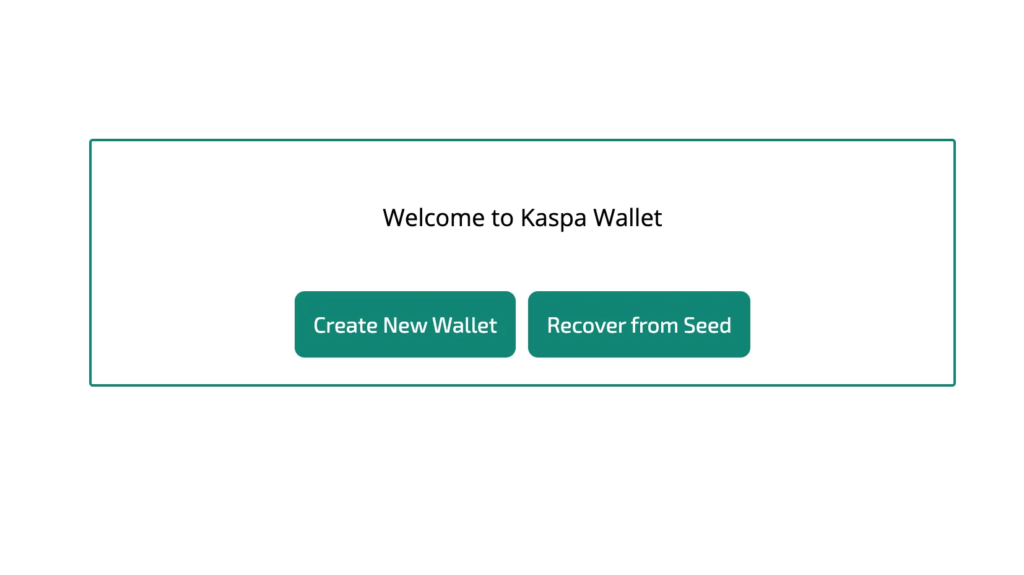
Most wallets will generate a new wallet address and recovery phrase during setup.
Users should carefully store their recovery phrase offline in a secure location.
⸻
Step 3: Secure the Wallet
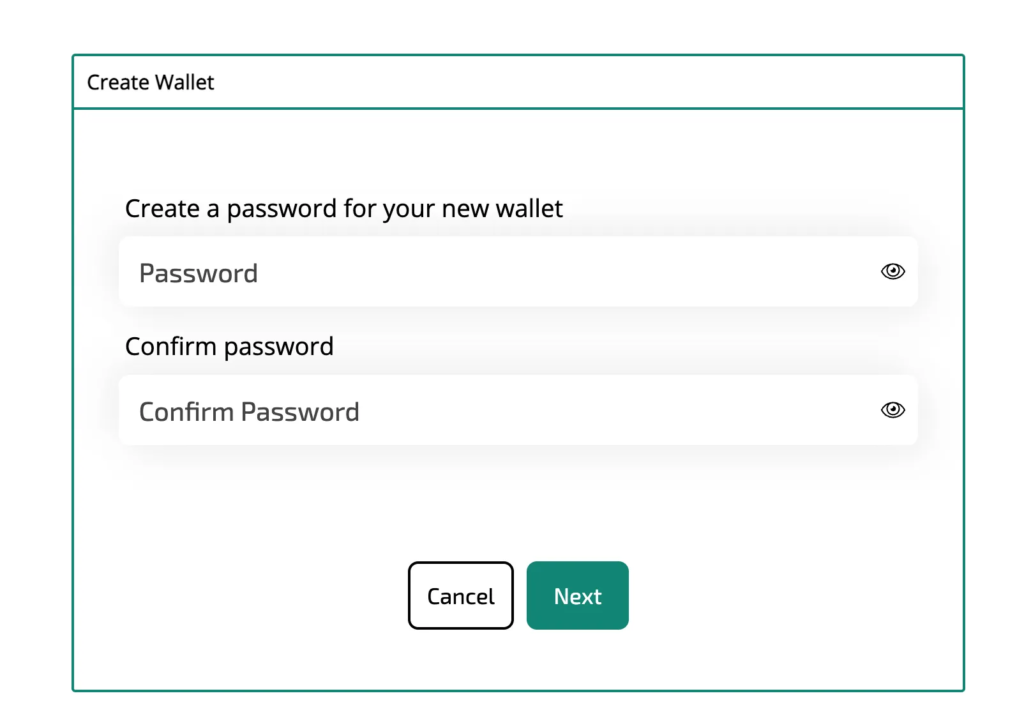
Enable additional security settings such as:
* biometric authentication
* password protection
* backup verification
Strong security habits significantly reduce the risk of unauthorized access.
⸻
Step 4: Start Managing Assets
Once setup is complete, users can send, receive, and manage assets directly through the wallet interface.
⸻
Kaspa Wallet Security Best Practices
Security remains one of the most searched topics related to Kaspa wallets.
To improve wallet security:
* Never share your recovery phrase
* Avoid suspicious links
* Verify wallet downloads
* Use hardware wallets for large holdings
* Enable device-level security
* Keep wallet software updated
Many phishing attacks specifically target wallet users through fake applications and cloned websites. Staying cautious is essential.
⸻
The Future of Kaspa Wallets
The Kaspa ecosystem continues to evolve rapidly, and wallet technology is evolving alongside it.
Future wallet innovations may include:
* improved ecosystem integrations
* enhanced cross-platform synchronization
* advanced security infrastructure
* expanded token support
* simplified onboarding experiences
As adoption increases, user demand for fast, secure, and easy-to-use wallets will continue to grow.