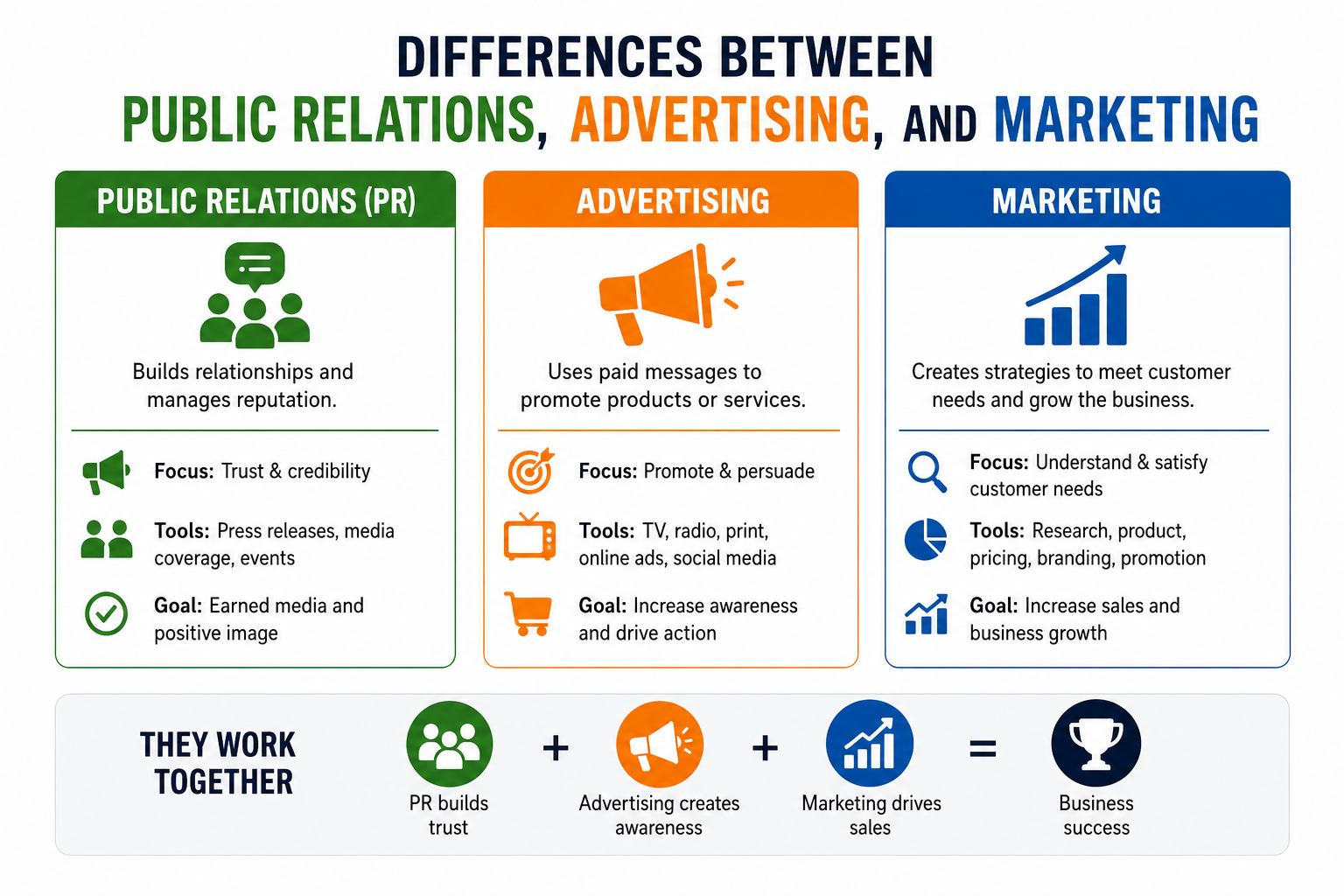
Public Relations (PR) is anything but just press releases and answering press questions. The bottom line is that good public relations is based on the knowledge of people, interpreting communication situations, and acting in a way that is well-informed with sound evidence. This is where research is key. A firm grasp of research integration in communication planning puts that organization in a better position to know their audiences, gauge public opinion, enhance the effectiveness of their communications, and build stakeholder relationships.
The strategic backbone of modern public relations (PR) campaigns is research. If they are not backed by data, communication efforts are based on assumptions and can result in poor communication, wasted resources, and reputational harm. By conducting analytics, public relations (PR) professionals are able to define the needs of their audiences, gauge the media’s discourse, analyze campaign success and impact, and adjust strategies accordingly for optimal performance. This evidence-based approach is central to professional PR practice,which requires you to plan your communication choices with intention, measure their impact and respond to public expectations.
Digital communication is still in continuous evolution, and research is becoming more and more critical in this communication field. There are new tools available to public relations professionals, such as audience analytics, social listening platforms, surveys, and campaign performance dashboards. These resources enable organizations to inform and involve stakeholders more effectively and make better decisions.
This article discusses the crucial role of public relations research in enhancing communication strategies by examining audience analysis, media monitoring, surveys, campaign evaluation, and the increasing impact of data-driven decision-making.
The Importance/Value of Research in Public Relations
Public Relations Research is a systematic gathering, analysis, and interpretation of information used to guide communication strategies. It assists organizations in understanding public perceptions, uncovering communication problems, and creating effective communication strategies. Research is not a one-time activity but a continuous process involved throughout public relations (PR) planning and execution.
Whether it’s communicating with those in charge or with the public, a solid research base is crucial for public relations professionals to avoid making assumptions and communicate with greater accuracy. It enables organizations to know what concerns their stakeholders have, keep track of public attitudes, and adjust messages to different audience groups. By understanding what their audience mostly cares about, organizations can develop more significant and effective communication.
Key Advantages of Research in Public Relations
Research adds to the effectiveness of public relations (PR) strategies by enabling organizations to:
- Recognise the needs and expectations of the audience
- Create specific and appropriate messages
- Monitor media coverage and public sentiment
- Measure campaign effectiveness
- Enhance stakeholder trust and involvement
- Decrease communication risks and misunderstandings
- Support evidence-based decision-making
In professional public relations (PR) practice, research also serves to improve accountability. It enables communication teams to prove their worth and link public relations efforts to overall organizational goals and objectives.
Audience Analysis: Understanding the Needs of the Audience
Perhaps one of the most crucial components of public relations research is audience analysis. Knowing your audience, what they like, and how they like to take in information is vital to effective communication. Without this insight, it can be hard to come up with even the most eloquently written messages.
The process of gathering and analyzing information on listeners to enhance the effectiveness of communication is called audience analysis. This information enables public relations professionals to come up with strategies to target audience segments and tailor messaging strategies to suit different groups.
The Different Types of Audience Data
Public relations professionals can study information about their audiences in the following categories:
1. Demographic Data
This covers aspects that can be measured, including:
- Age
- Gender
- Occupation
- Education level
- Income range
- Geographic location
Demographic information allows organizations to determine general patterns and preferences within the population.
2. Psychographic Data
Psychographic analysis delves into more personal and behaviour-oriented aspects such as:
- Values and beliefs
- Interests and hobbies
- Lifestyle choices
- Motivations
- Emotional triggers
By comprehending psychographics, organizations can develop messages that resonate on a deeper level with their audience.
3. Behavioral Data
Behavioral research looks at the interaction people have with communication channels and brands, such as:
- Website visits
- Social media engagement
- Purchasing habits
- Email response rates
- Media consumption patterns
Understanding these insights is vital for public relations professionals’ practice, as it enables them to craft messages that are relevant and engaging to the audience.
Media Monitoring and Environmental Scanning
One of the other crucial research techniques used in public relations is media monitoring. It means monitoring both traditional and digital media to learn about the public dialogue on topics, brands, and organizations. Public relations practitioners monitor news articles, blog posts, mentions on social media, and online discussions on an ongoing basis to act quickly on opportunities or reputational challenges.
The Importance of Media Monitoring
Media monitoring can be used by organizations to:
- Gather feedback from the public about their brand
- Monitor and analyze media coverage and message accuracy
- Determine emerging industry trends
- Identify misinformation or reputation threats
- Keep an eye on tactics used by competitors
- Assess the effectiveness of media engagement
In professional public relations practice, media monitoring gives communication professionals real-time intelligence and enables them to respond to issues before they get out of hand.
Environmental Scanning for Proactive Communication
Environmental scanning is more than merely monitoring mentions. It requires attention to wider social, political, and cultural trends that could impact public opinion and/or the image of an organization.
Examples include:
- Regulatory policy changes
- Industry developments
- Social movements
- Economic shifts
- Technological innovations
Organizations can anticipate external trends before they happen and respond proactively instead of reactively.
Surveys and Stakeholder Feedback Collection
One of the most effective ways of gathering direct feedback from stakeholders is through surveys. They offer structured and measurable data that enables organizations to understand perspectives, beliefs, and communication preferences.
Surveys can be conducted through:
- Online questionnaires
- Email forms
- Telephone interviews
- Face-to-face interviews
- Mobile app feedback tools
These techniques can help public relations professionals gather useful information before, during, and after communication campaigns.
What Surveys Can Measure
Public Relations Surveys can measure:
- Brand awareness
- Public trust levels
- Stakeholder satisfaction
- Communication clarity
- Message effectiveness
- Organizational reputation
Survey results enable communication teams to adjust communication plans and refine messaging to meet audience expectations.
Additional Feedback Methods
Other tools used by public relations professionals beyond formal surveys include:
- Focus groups
- One-on-one interviews
- Social media polls
- Customer reviews
- Community consultations
Multiple feedback sources yield more accurate research and enhance professional public relations practices.
Performance Measurement and Campaign Evaluation
Research is still needed once a campaign has been launched. Evaluation enables organizations to assess whether communication goals have been met and identify opportunities for improvement. Campaign evaluation focuses on measuring results instead of making assumptions.
Common Public Relations Evaluation Metrics
Media Performance Metrics
These include:
- The number of times news coverage is mentioned
- Share of voice
- Tone of media coverage
- Message consistency across multiple platforms
Digital Communication Metrics
These may include:
- Website traffic
- Click-through rates
- Social media engagement
- Video views
- Email open rates
Reputation and Relationship Metrics
Organizations can also evaluate:
- Trust and credibility scores
- Customer loyalty indicators
- Stakeholder satisfaction
- Public sentiment trends
Evaluation enables organizations to learn from successes and challenges while ensuring continuous improvement in professional public relations practice.
Data-Driven Decision-Making in Modern Public Relations
Today, the use of data is key to effective public relations. Instead of relying only on instinct or previous experience, public relations professionals have come to depend on research insights for strategic decisions.
Benefits of Data-Driven Communication
A research-based approach assists organizations to:
- Improve audience targeting
- Personalize messaging
- Respond rapidly to public concerns
- Provide more effective communication budgets
- Evaluate and calculate return on investment (ROI)
- Strengthen stakeholder relationships
These insights are easier to obtain through technology, including:
- Social listening platforms
- Media analytics dashboards
- Audience segmentation tools
- Customer relationship management systems (CRM systems)
- Artificial intelligence-powered research software
Data-driven thinking has become a key component of professional public relations, enabling communication teams to think and work more strategically and effectively.
Problems/Challenges in Public Relations Research
While public relations research has numerous benefits, it can also present several challenges.
Common Stumbling Blocks
Organizations may struggle with:
- Limited research budgets
- Absence of trained professionals
- Limited time
- Data overload
- Difficulty interpreting analytics
- Ethical and privacy issues
With large amounts of information to manage, analytical skills and strategic judgment are essential. Public relations practitioners must also ensure that collected data respects privacy rights and ethical communication standards.
Solving these challenges will help maintain trust and support effective and responsible professional public relations practices.
Conclusion
Public relations is grounded in research. It transforms communication from guessing into planning and helps organizations understand their audience, track public opinion, measure campaign effectiveness, and make informed decisions.
By conducting audience analysis, media monitoring, surveys, and campaign evaluation, public relations professionals can develop more effective relationships and messaging to create a greater impact. The communication environment has become increasingly complex, and organizations with a strong research focus will be better positioned to safeguard their reputation, adapt to change, and achieve long-term success.
Ultimately, the practice of public relations is based on evidence-driven communication. Integrating research into the strategic process of public relations helps increase campaign impact, build stakeholder confidence, and ensure communication goals are achieved.