Restorative dentistry has undergone a great transformation over the years from the classic “drill and fill” method. The current dogma in operative dentistry today is to preserve healthy dental tissues as far as possible. Instead of removing a significant amount of tooth structure to replace it with restorations, the interest now is in preserving its integrity, strength and vitality. In this philosophy one must take into account that every single portion of enamel and dentin removed during treatment will never be replaced again in exactly the same manner by any artificial material in the same way as it was replaced naturally. Due to this, the preservation of natural tooth structure is regarded as a prominent focus of preventive and restorative dentistry since it has a direct impact on longevity and function of teeth.
Traditional dentistry with its focus on preservation is reinforced by advances in dental materials, bonding, diagnosis and minimally invasive procedures. Teeth are now easier to diagnose and treat existing small lesions at an earlier stage of trouble than ever before. These advances in research are also beneficial to patients in that conservative treatments often have a favourable long term effect on their oral health and reduce discomfort, while maintaining their esthetics over time. Whether as a student, young professional or patient, students should recognize the importance of preservation, as it influences all aspects of diagnosis, treatment planning and restorative care.
Knowing about tooth structure and why it’s important.
Natural teeth have a very special structure and are specifically shaped to be able to endure the years of chewing, talking and temperature changes inside the mouth. The outermost protective layer, the enamel, is the hardest substance in the human body. The dentin under the enamel is a resilient and supportive material and the blood vessels and nerves in the pulp keep tooth vitality. These tissues work together to ensure strength, sensation and protection. After being destroyed, they cannot fully regenerate, and dentistry has preserved so critical importance.
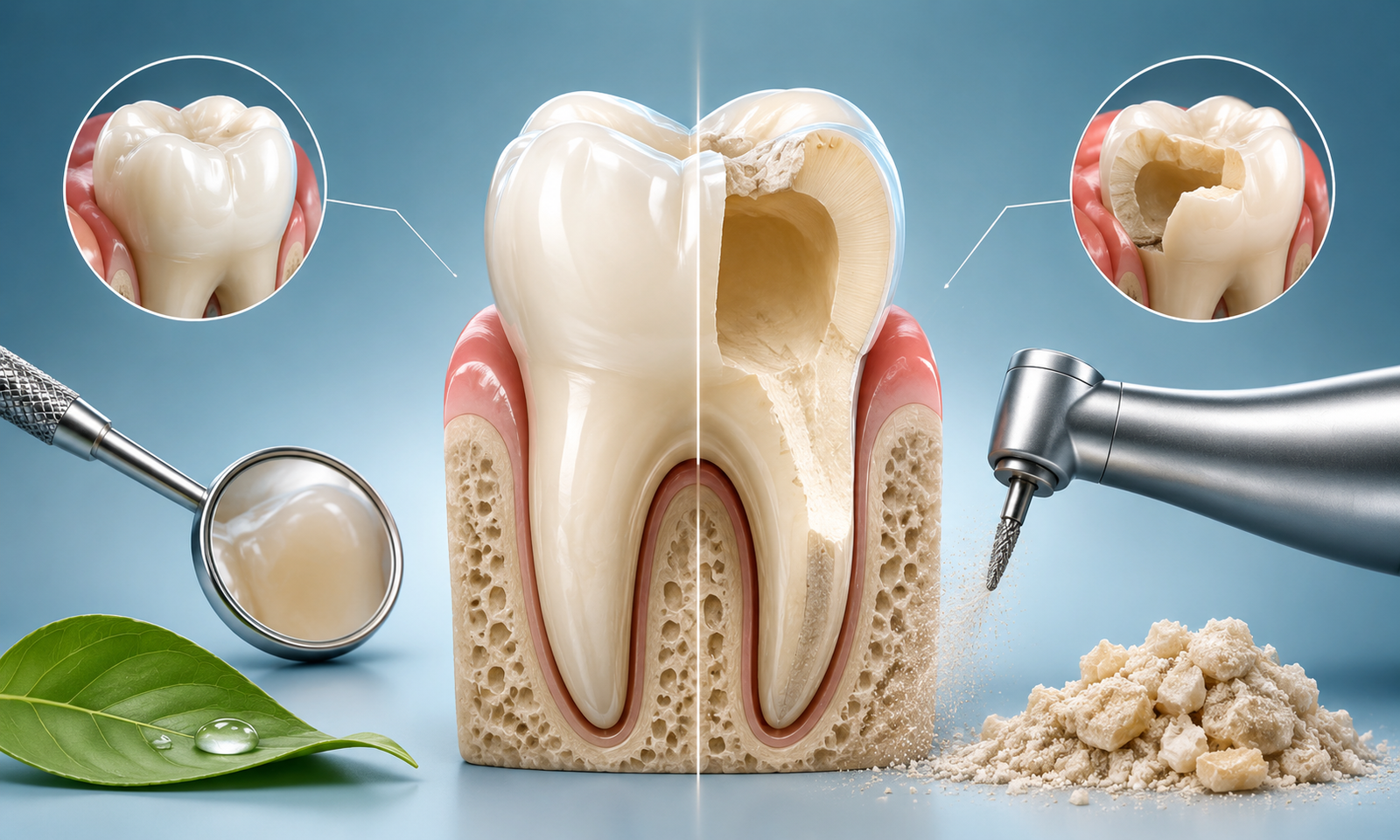
All cut, prepared procedures reduce the strength of a tooth in a certain way. Removing too much sound tooth structure may decrease the fracture resistance of the tooth, increase its sensitivity, and make it less durable. That’s why contemporary operative dentistry places emphasis on results that are conservative in removing only disease or compromised tissues and preserving healthy ones. The concept is not just to fill in a cavity or defect, but to maintain as many of the natural tissues for as long as possible.
The concept of conserving natural tooth structure has had a great impact in the last few years and has changed the way we plan for the restoration. They now try to take into account the biological cost of each procedure before starting the treatment. Adhesive restorative techniques are used to place a restoration by bonding it to enamel and dentin rather than making a large cavity. This transition has been important in changing the outcome of operative dentistry, regarding the maintenance of sound tissue as finding an equal value to disease free teeth.
The Development of Operative Dentistry
The concept of the mechanical retention principle has been the main focus in the history of restorative dentistry. Prior to the use of amalgams, for instance, large cavities needed to be drilled with undercuts and some of the healthy tissue had to be drilled from the tooth. These methods of retention were effective, but were sometimes accompanied by the loss of large amounts of sound dentin and enamel. As time goes on these aggressive preparations could make the tooth less durable and lead to fracture or frequent cycles of restoration.
Adhesive dentistry was a pivotal development in dentistry. The highly retentive nature of composite materials and bonding agents allowed restorations to bond to composite surfaces, thus avoiding large mechanical retention. This innovation enabled clinically to prepare the cavity size in a smaller manner with the conservation of surrounding healthy tissues. Today, the emphasis is on biological conservation rather than mechanical utility, leading to a more conservative approach to dentistry treatment.
Technological developments have helped to speed this up as well. Clinicians can detect dental disease when it’s at an earlier state using digital radiography, the laser fluorescence device, magnification systems, and intraoral camera. Therefore the earlier that a diagnosis is made, the smaller the lesions tend to be and the less invasive the treatment is. Emphasis in modern operative dentistry thus became placed on preventive care, remineralization methods and less invasive restorative approaches. What is most recognized now by the profession is the best restoration is the smallest restoration.
Minimal intervention dentistry and conservative care.
Often, minimal intervention dentistry is one of the most crucial theories behind preserving a tooth. The approach employs disease prevention, early disease detection and the least invasive intervention required to restore oral health. Dentists will decide not to remove significant portions of tooth structure, but will take the time to determine if the tooth can be protected or remineralized to stop progression of the disease prior to needing a restoration.
For example, if the cavity is in a very early stage, you might choose to use fluoride applications, dietary changes, sealants or better oral hygiene before having to drill the cavity. If restoration treatment is needed, only diseased tissue will be extracted and leftover dentin that could be remineralized may be left behind. This selective caries removal technique minimizes potential pulp exposure and the strength of the tooth is maintained.
The use of air abrasion systems, chemomechanical agents to remove caries, and laser dentistry also have played a role in conservative treatment methods. These new technologies can provide a more precise delivery of drugs and other treatment materials to diseased tissues, with minimal removal of healthy enamel and dentin. These can also contribute to the comfort and ease of the patient and minimize anxiety due to the potential of lowering noise, vibration, and anesthesia requirements.
Conservative dentistry is more than just cavity management. When there is enough remaining tooth structure, inlays, onlays, veneers and partial coverage restorations are usually recommended over full crowns. These restorations retain more dentin and offer durability and esthetic results. Conservation of more tooth material ensures optimal biomechanical function and prognosis.
Tooth Preservation
Many functional and biological benefits to retain a natural tooth. Natural teeth have special mechanical properties not desirable or well replicated in any artificial teeth or crown. Enamel and dentin share chewing stresses effectively enabling teeth to survive years of stresses. The closer to natural structure they are kept the better they will be able to withstand fracture and structural failure.
Preservation also is helpful to maintaining pulp vitality. Too much “tooth cutting” during restorative procedures may harass the pulp and cause inflammation, sensitivity or even root canal treatment. This can be minimised with an approach that is conservative and reduces thermal, mechanical or bacterial irritation in preparations. The importance of the pulp vitality is because if the pulp is alive it is more hydrated, resilient and changes in its environment.
The other large advantage of preservation is decreased restorative cycle. Replacement over the long run is necessary for large restorations because of frequently recurring decay and leakage, or wear. Each replacement typically will require more tooth removal, which means bigger restorations and weaker teeth. Over time the tooth may need to be crowned, have a root canal or be extracted. Conservative treatment provides time to pass this cycle and will contribute to a longer life for the natural dentition.
Preserving natural enamel is equally important, though, from an esthetic aspect. The optical properties of enamel can be approximated and cannot be completely replicated with restorative materials. This gives healthier enamel, resulting in an improved translucency, colour-stability and overall appearance. The functional and cosmetic aspects are therefore the functional and cosmetic benefits of patients when following conservative principles.
The adhesive dentistry and biomimetic concepts.
In today’s modern conservatively orientated dental practice, adhesive dentistry has emerged as a huge focus. Bonding systems can be used to provide both a micromechanical and chemical bond with teeth, which minimises aggressive preparations. Preparing the setting of composite resin, GICs, and ceramic can now be performed with very little removal of sound tissue, to ensure both retention and esthetics.
Another philosophy of biomimetic dentistry is to restore teeth in a manner that mimics their natural structure and function. Biomimetic methods go beyond filling cavities to addressing the loss of healthy tissues and strengthening the weakened teeth. Restorations restore to a function similar to that of normal dentin/Enamel under function and lower stress concentration and enhance longevity.
The modern adhesive systems are even suitable for preventive and reparative care. Recurrent decay risk can be minimised with glass ionomer materials, for instance, which release fluoride. It is possible to stop early enamel lesions with resin infiltration without too much drilling. These innovations bring a greater appreciation for the importance of treating with the natural biology – not in place of it.
Biomimetic philosophy also prompts clinicians to be critical when making treatment decisions. Just because it is technically capable of the most aggressive of restorations doesn’t mean it’s going to happen. Rather, the dentist should consider issues such as the severity of the damage, remaining tooth structure, occlusal forces and short and long term prognosis, before deciding on what treatment will be best to which can be done with the least amount of invasive means while still providing a lasting result.
Patients need to be educated and take responsibility for their own health
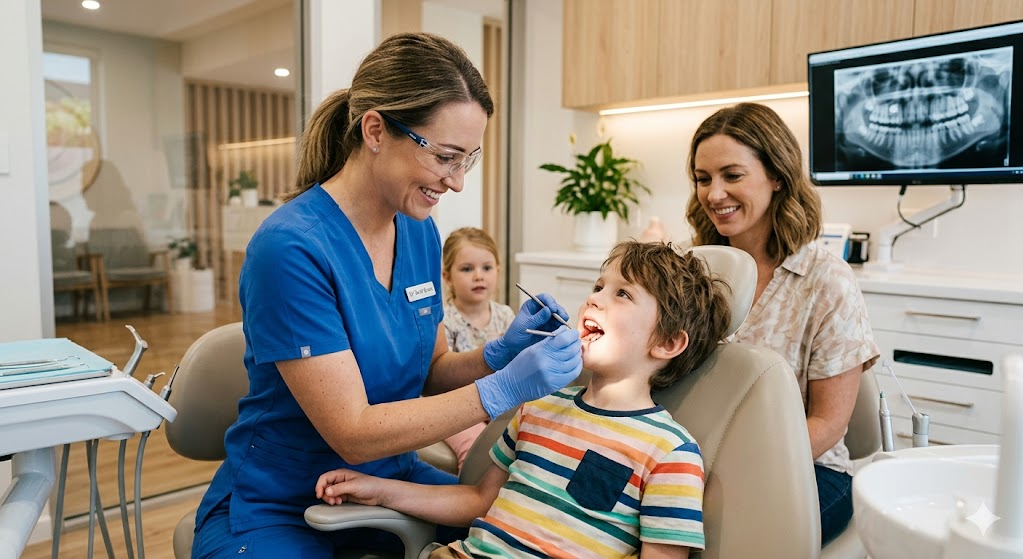
It’s not just the dentist’s job to preserve the structure of the tooth. Patients are an integral part in keeping their teeth healthy and preventing tooth decay from getting worse. So, patient education is an integral component of conservative dentistry. If patients recognise the value of good oral hygiene, the use of fluoride, appropriate dietary management and regular attendance for check-ups, they will be able to decrease the need for extensive restorative treatment.
Preventive dentistry is all about preventing problems and intervening early in their development. Professional cleanings, fluoride therapies, sealants, dietary counseling and care of the enamel to protect and prevent the development of caries. With low level lifelong care, patients who practice good oral hygiene may never need more invasive treatments, retaining more oral structure in the form of natural dentition.
Factors that have to do with the patient’s behavior are also very important in maintaining teeth. A variety of factors such as bruxism, poor eating habits, sugary drinks and lack of oral hygiene can cause tooth wear and decay to occur at a faster rate. It is necessary to educate patients to these dangers and make individual recommendations for the preservation of tooth structure by the dentist. Night guards, reminiberalising agents and salivary management are preventive strategies which can help to minimize damage over time.
Importantly, communicating with patients about treatment makes it more acceptable to a conservative treatment approach. Size/severity of procedures might be confused to superiority on the initial appointment with patients as it seems more thorough. Dentists need to communicate the benefits of maintaining healthy tissues to result in stronger, healthier and lasting teeth. This training can make the patient understand the benefits of minimally invasive treatment.
Challenges & Future directions in conservative Dentistry
Conservation has numerous benefits, but there remain problems in the application of this approach in clinical situations. It may be difficult to determine the exact line of demarcation between the infected and affected dentin and if it is not handled well, caries left behind may become re-infected and create secondary caries. It is thus imperative that the clinicians should have a sound scientific knowledge mixed with clinical judgment, and use appropriate diagnostic equipment, when using minimally invasive techniques.
Limits of materials are also important factors. Adhesive restorations have been continuing to enhance, but none of the restorative materials fully replicates natural tooth structure. The success of the longevity will rely upon the correct case selection, case isolation, the bonding technique and patient cooperation. Providing appropriate conservation and durability are the balancing act that dentists need to strive to be successful.
Regenerative dentistry could continue to drive changes in operative care in the years ahead. The study of bioactive materials, stem cell therapies and the regeneration of enamel are all methods to restore damaged tissues in a more natural and conservative approach. Artificial intelligence and digital technologies can also enhance all the aspects related to a more accurate diagnosis and therapy, all the time enhancing the ability to preserve normal tissue.
The principle of preservation will continue to be important in ethical and effective patient care, as dentistry evolves. The profession is now well aware of the fact that, when possible, preserving natural tissues would provide optimal long-term results for oral function, esthetics and overall health.
Conclusion
The basis of modern operative dentistry is the preservation of tooth structure. The transition from “aggressive restorative” treatment to “minimally invasive” treatment is a testament to improved knowledge of the tooth biology, tooth biomechanics, and long-term oral health. Whenever treatment is needed, it is important to conserve natural tooth tissue because natural tissues have properties that cannot be reproduced by any restorative material.
New insights and technologies in adhesion, biomimetic principles, preventive dentistry, and diagnostics have helped to manage disease in as conservative a manner as possible while supplying the functionality and esthetic results of the seatbelt in a car to the tooth cavity. Minimal intervention approaches not only prevent the destruction of sound tissues, but also help to limit the reparative cycle which may ultimately affect tooth survival. Conserving treatments, early detection and prevention help solidify patients’ strong, healthy teeth for the lifespan.
Finally, saving natural tooth material is not just a technique; it is a philosophy that respects the biology, improves the health of the patient and is successful in the long term. The principle will continue to be the foundation of indicated and patient-focused operative dentistry, as dental science evolves.